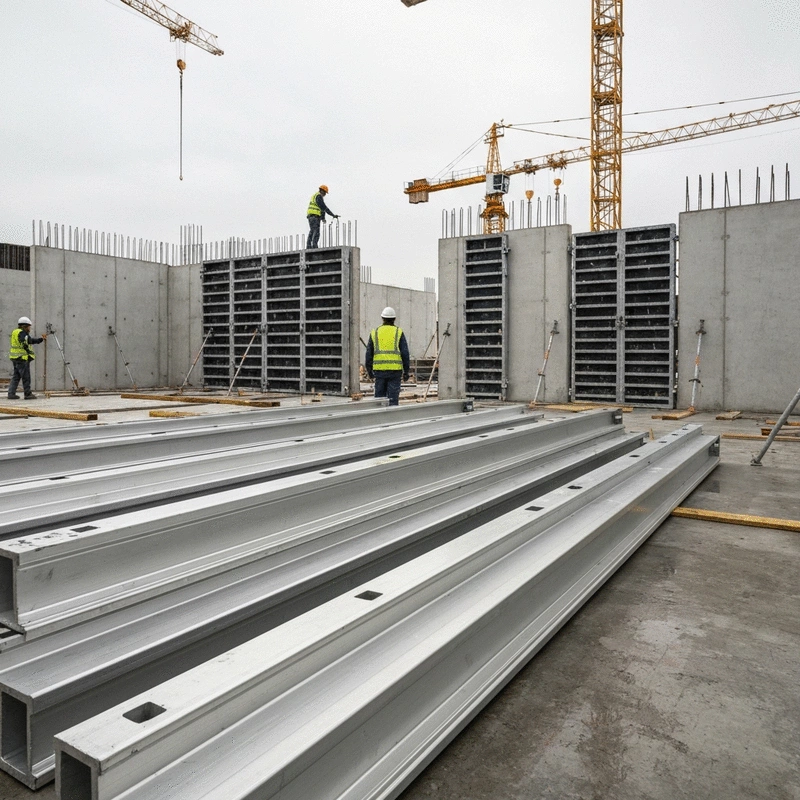
Enhanced Precision
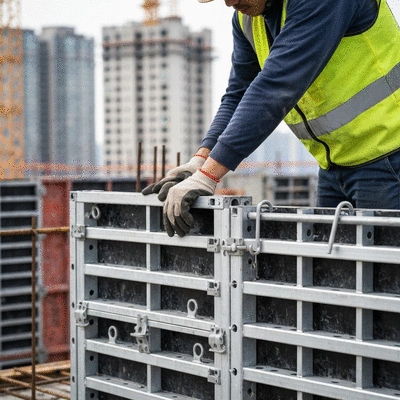
Guarantees precise dimensions, leading to fewer errors during construction.
What if there was a way to enhance the efficiency of your high-rise construction projects while also ensuring structural integrity? Aluminum formwork systems could be the game-changer you need. Let’s explore how these innovative solutions can transform your approach to concrete pouring.
Aluminum formwork systems offer multiple advantages in high-rise construction, enhancing precision, safety, and efficiency while contributing to cost savings and environmental sustainability.
Guarantees precise dimensions, leading to fewer errors during construction.
Robust design reduces risk of formwork failure, ensuring a safer work environment.
Long-term savings from reduced labor and material costs are substantial.
Reusable aluminum forms contribute to sustainability by minimizing waste.
When it comes to modern construction, particularly in high-rise projects, understanding aluminum formwork systems is crucial. These systems have transformed how we approach concrete pouring, making processes faster and more efficient. But what exactly are these systems, and how can they enhance your construction practices?
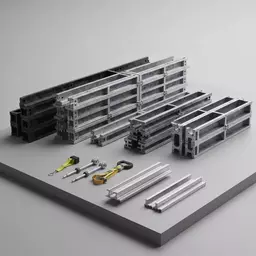
Aluminum formwork systems offer a modular design that is lightweight yet incredibly durable. This combination not only streamlines the construction process but also significantly reduces labor costs. With my experience at Concrete Slab Innovations, I've seen firsthand how adopting these innovative solutions can lead to impressive results in high-rise construction.
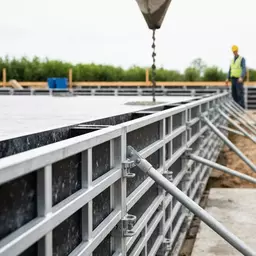
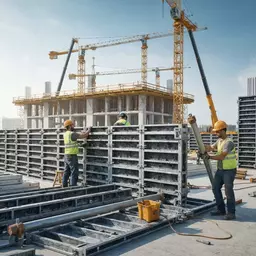
Aluminum formwork systems are temporary structures used to mold concrete during the curing process. Unlike traditional wooden or steel formwork, aluminum is lightweight and easy to handle, which makes assembly and disassembly much quicker. This adaptability allows for rapid construction timelines, a game-changer in high-rise projects!
As a contractor or engineer, considering such a versatile option could significantly impact your project’s success. The flexibility of aluminum systems allows for innovative designs that can meet modern architectural demands while staying cost-effective.
Formwork serves as the backbone in high-rise construction projects. It shapes the concrete and supports it until it sets, ensuring structural integrity. In high-rise builds, where precision is paramount, aluminum formwork systems excel by offering dimensional accuracy and stability—vital for towering structures.
Moreover, using aluminum formwork leads to fewer errors on site, which means less time spent correcting mistakes. This efficiency can be the difference between staying on schedule and facing costly delays. Have you thought about how adopting these systems could streamline your next high-rise project?
Aluminum formwork systems come with several key characteristics that enhance their effectiveness in construction:
These features are backed by my belief that choosing the right materials can lead to successful, efficient, and safe construction. It’s not just about getting the job done; it’s about doing it right and ensuring lasting quality.
The lightweight nature of aluminum formwork brings numerous benefits. First, it reduces the strain on workers who handle these materials, lowering the risk of injury. Additionally, transporting aluminum formwork to and from construction sites is more cost-effective, especially for high-rise projects that require many materials.
As highlighted by Mitakainc.com's focus on future-building, the advantages of aluminum formwork systems extend beyond just the physical materials; they also promote a safer and more productive work environment. Are you ready to discover how these systems can elevate your next project? Let's dive into how they enhance structural quality and performance!
When implementing aluminum formwork systems, consider investing in training for your team. Understanding the nuances of assembly and handling can further enhance efficiency and safety on-site, leading to even greater productivity and fewer accidents.
A1: Aluminum formwork systems are temporary structures used to mold concrete during the curing process. They are lightweight, durable, and modular, designed for quicker assembly and disassembly compared to traditional formwork.
A2: They enhance construction by offering increased precision, faster construction timelines, enhanced safety due to robust design, and significant cost savings through reduced labor and material usage. Their reusability also contributes to environmental sustainability.
A3: While the initial investment might be higher, aluminum formwork systems offer substantial long-term savings by reducing labor costs, material waste, and project timelines due to their reusability and efficiency.
A4: Aluminum formwork systems are highly reusable, which significantly minimizes waste generated on construction sites. This contributes to more sustainable building practices and reduces the environmental impact of projects.
A5: The lightweight nature of aluminum formwork reduces the physical strain on workers during handling and assembly, thereby lowering the risk of injuries. Additionally, their robust design minimizes the chances of formwork failure, ensuring a safer work environment.
As we wrap up our discussion on aluminum formwork systems, it's essential to highlight the profound impact they have on high-rise construction. The transition to aluminum forms not only transforms traditional construction methods but also elevates structural quality to new heights. Here are some key takeaways that encapsulate the benefits:
By adopting aluminum formwork, contractors can achieve consistent quality, safety, and efficiency on-site. These advantages create a ripple effect, improving project timelines and enhancing the overall build quality.
The construction industry is on the brink of a significant evolution with the advancement of formwork technology. As more professionals embrace aluminum systems, we can expect to see a shift towards more sustainable and efficient practices. This transition encourages innovation and opens doors to new building techniques that align with modern demands.
At Concrete Slab Innovations, we are committed to leading this charge by providing resources and insights that empower our industry peers. Are you ready to join us in exploring these advancements?
Looking ahead, the potential developments in building systems integration are exciting. We can anticipate:
These innovations indicate a future where construction practices are not just about efficiency but also about producing high-quality, sustainable buildings. I look forward to seeing how we can further enhance our industry with these exciting developments!
If you're considering the implementation of aluminum formwork in your next project, now is the time to act. Start by assessing your current construction practices and identifying areas where aluminum systems could bring about improvements. For more general information on formwork, Wikipedia offers a comprehensive overview of formwork types and their applications. Don’t hesitate to reach out for guidance on making this transition!
Your thoughts and experiences matter! I encourage you to share your feedback or questions regarding aluminum formwork systems. Whether you've had success or faced challenges, your insights can help shape the future of our industry.
There are numerous resources available for construction professionals eager to learn about aluminum formwork. Joining communities focused on construction technology can provide invaluable support and knowledge sharing. Let's connect and explore how we can collectively drive our industry forward!
Here is a quick recap of the important points discussed in the article:
Aidan Cromwell is a seasoned construction professional and industry expert with a passion for innovative building solutions. With extensive experience in concrete slab construction and a deep understanding of modular formwork systems, Aidan strives to educate and empower contractors, engineers, and project managers. His insights are grounded in practical knowledge and a commitment to advancing construction efficiency and safety.