Efficiency & Cost Savings
- Lightweight: Reduced transport & handling.
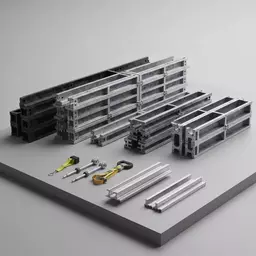
- Modular: Quick assembly/disassembly.
- Reusable: Lower labor & material costs.
Consider this: the effective use of aluminum formwork can significantly streamline your construction projects, saving both time and costs. But what challenges could arise in the process, and how can you ensure success? Discover the essential insights from experts in the field.
This visual outlines the prevalent issues encountered in aluminum formwork and their corresponding solutions, alongside key preventative measures.
Causes: Improper sealing, panel alignment. Consequences: Material waste, compromised slab quality.
Causes: Assembly errors. Consequences: Uneven slabs, costly rework, structural stress.
Causes: Harsh environment, moisture, chemicals. Consequences: Formwork degradation, integrity loss.
Solutions: Regular inspections, ensure tight panel fit, proper sealing techniques.
Solutions: Strict adherence to alignment guidelines, team training, pre-assembly checks.
Solutions: Protective coatings, proper storage, routine cleaning, inspection protocols.
As a construction professional, I’ve faced numerous challenges with aluminum formwork systems over the years. Understanding these systems is crucial to overcoming common issues and ensuring successful project outcomes. Aluminum formwork systems are designed to enhance efficiency and precision in concrete slab construction, but like any tool, they require proper use and maintenance. Let's explore the advantages and typical applications of these systems.
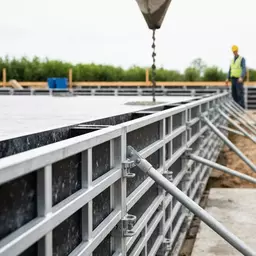
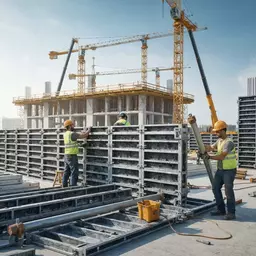
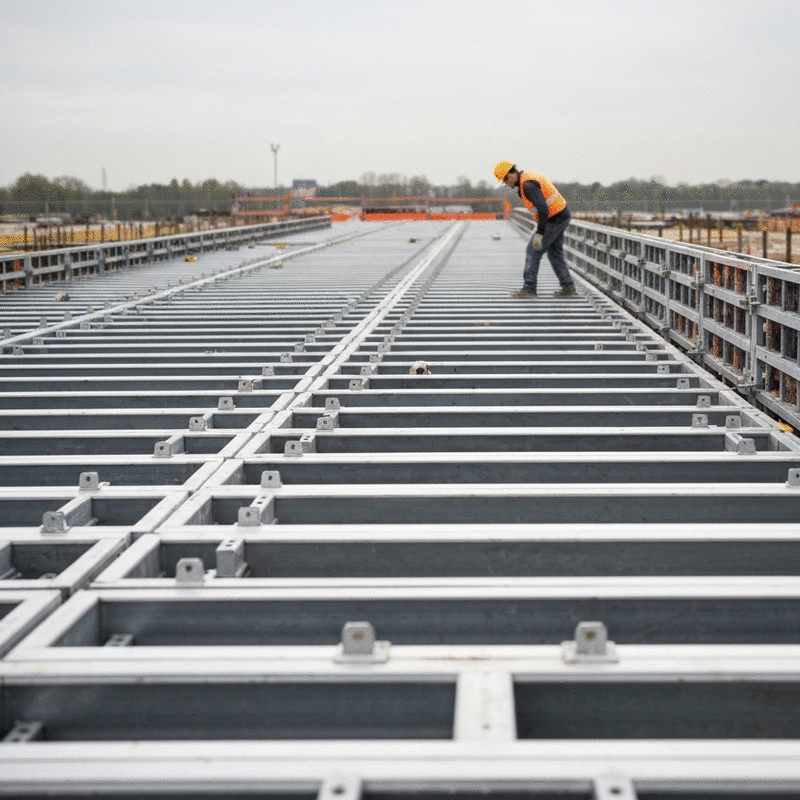
One significant advantage of aluminum formwork is its lightweight design, which greatly simplifies transportation and handling on-site. Additionally, its modular nature allows for quick assembly and disassembly, leading to reduced labor costs and faster build times. Commonly used in high-rise buildings and commercial projects, aluminum formwork supports complex designs while maintaining structural integrity.
Aluminum formwork systems are a popular choice for contractors who seek efficiency without sacrificing quality. These systems are not only robust but also provide excellent thermal insulation, making them suitable for various construction environments. By utilizing modular designs, we can adapt the formwork to different project requirements, maximizing both function and performance. For more in-depth information on formwork, its types, and applications, you can consult this study on formwork systems in construction.
In summary, aluminum formwork systems represent a significant advancement in construction technology. With their numerous benefits, they are transforming the way we approach concrete slab designs. However, as we integrate these systems into our projects, it's essential to be aware of potential challenges that may arise.
While aluminum formwork offers many advantages, it's not without its challenges. Contractors often encounter issues that can impact both the quality of the slab and the efficiency of the construction process. Identifying these challenges early is key to ensuring smooth project execution.
By understanding these common challenges, we can better prepare ourselves to tackle them head-on. Let’s dive deeper into some specific issues and how to address them effectively.
Leakage is a prevalent issue when using aluminum formwork, often stemming from improper sealing or panel alignment. When concrete leaks from the formwork, it can lead to significant waste of materials and compromised slab quality. Regular inspections and ensuring a tight fit between panels can help mitigate these risks. This research on defects in formwork systems further elaborates on common issues like leakage and their implications.
Improper alignment of the aluminum panels can lead to uneven slabs, which might necessitate costly rework. Misaligned panels can also cause stresses within the concrete that compromise its integrity over time. Thus, maintaining strict adherence to alignment guidelines during assembly is essential to uphold quality.
Corrosion is a potential risk for aluminum formwork, especially when exposed to harsh environmental conditions. Factors such as moisture and chemical exposure can accelerate degradation. To prevent corrosion, it’s important to implement preventive measures, such as using protective coatings and ensuring proper storage and maintenance of the formwork.
Building codes play a crucial role in the design and implementation of aluminum formwork systems. Compliance with local regulations ensures not only safety but also the structural integrity of the finished product. Understanding these codes allows contractors to optimize their formwork designs while avoiding potential legal issues.
When issues arise with aluminum formwork systems, having a structured troubleshooting guide can make all the difference. By following a methodical approach, we can pinpoint problems and implement effective solutions.
This step-by-step approach helps streamline the troubleshooting process, allowing for quick resolution of any challenges that may arise in aluminum formwork systems.
Developing a troubleshooting matrix that maps common issues to their root causes and solutions can significantly enhance efficiency. This visual tool allows contractors to quickly reference problems and find applicable solutions, reducing downtime on-site.
A diagnostic flowchart serves as a valuable guide, visually mapping out problem resolution paths. By following this chart, users can systematically isolate the problem and identify the best course of action without unnecessary confusion.
Ensuring quality in the design and execution of aluminum formwork systems cannot be overstated. Implementing rigorous quality assurance (QA) procedures helps maintain high standards, ultimately leading to successful project outcomes.
To extend the lifespan of aluminum formwork systems, adhering to maintenance best practices is essential. Regular upkeep can prevent common issues and ensure that the formwork performs at its best throughout its lifecycle. For further insights into the maintenance and economic benefits of such systems, consider reading about the advantages of aluminum formwork in construction technology.
By prioritizing maintenance, we can enhance the longevity and reliability of our aluminum formwork systems, ensuring that they contribute positively to our construction projects.
Establishing cleaning and inspection protocols is critical for maintaining the quality of aluminum panels. Regular cleaning helps prevent concrete buildup that can affect performance, while inspections allow for early detection of potential issues.
Creating detailed checklists for maintenance activities both before assembling and after completing a project can streamline processes. These checklists ensure that no critical steps are missed during maintenance, promoting consistent quality across projects.
Safety protocols are paramount when working with aluminum formwork systems. Ensuring structural integrity not only protects the workforce but also guarantees project success.
Establishing correct procedures for dismantling formwork safely is essential to avoid accidents. Timing and methodical approaches to dismantling can prevent injuries and ensure that the structure remains intact throughout the process.
Routine inspections and proactive measures help identify potential structural issues before they escalate. Early detection is key to maintaining structural integrity and ensuring that the aluminum formwork performs as expected.
Finally, understanding the load-bearing capacity of aluminum formwork and conducting stress testing are vital for maintaining system integrity. Knowledge of these factors ensures that our formwork can support the intended loads safely and effectively, which is essential for any successful construction project.
To maximize the efficiency of your aluminum formwork systems, consider implementing a digital tracking system for your maintenance and inspection schedules. This can help you stay organized, ensuring that no critical checks are missed and allowing for timely interventions when issues are detected. By leveraging technology, you can enhance communication among your team and streamline your processes even further.
In conclusion, we've explored the intricacies of aluminum formwork systems and the common challenges that may arise during their use. Understanding these issues is essential for achieving optimal results in concrete slab construction. Proactive troubleshooting not only enhances project efficiency but also safeguards the integrity of your structure. Remember, addressing potential problems early can save you time and resources!
One of the most effective ways to minimize issues with aluminum formwork is through preventive maintenance and regular inspections. By maintaining a routine that focuses on these practices, you can catch potential problems before they escalate. Here are some key preventive measures to keep in mind:
By prioritizing these actions, you'll not only maintain the quality of your aluminum formwork but also enhance overall project safety and efficiency. Let's work together to stay ahead of any potential challenges!
Sometimes, issues may arise that require specialized knowledge or experience to resolve. Don't hesitate to seek professional advice or consult resources tailored for troubleshooting aluminum formwork systems. Engaging with experts can provide you with insights into best practices and innovative solutions. Here are a few ways to connect with knowledgeable professionals:
By tapping into these resources, you can further enhance your troubleshooting capabilities and ensure the success of your construction projects!
To support your ongoing efforts in maintaining and troubleshooting aluminum formwork systems, we're excited to offer downloadable checklists and guides. These resources are designed to streamline your maintenance activities and provide a structured approach to troubleshooting. Here’s what you can expect:
Be sure to take advantage of these valuable tools, which will empower you to tackle challenges head-on and maintain the quality of your projects!
Real-world examples can be incredibly insightful, showcasing effective troubleshooting and maintenance practices in action. At Concrete Slab Innovations, we've documented several case studies that highlight the successful implementation of aluminum formwork systems. These stories illustrate:
By learning from these successful implementations, you can adapt similar strategies to your own projects and improve your troubleshooting outcomes. Let's celebrate the achievements in our industry and continue striving for excellence together!
Here is a quick recap of the important points discussed in the article:
Aidan Cromwell is a seasoned construction professional and industry expert with a passion for innovative building solutions. With extensive experience in concrete slab construction and a deep understanding of modular formwork systems, Aidan strives to educate and empower contractors, engineers, and project managers. His insights are grounded in practical knowledge and a commitment to advancing construction efficiency and safety.