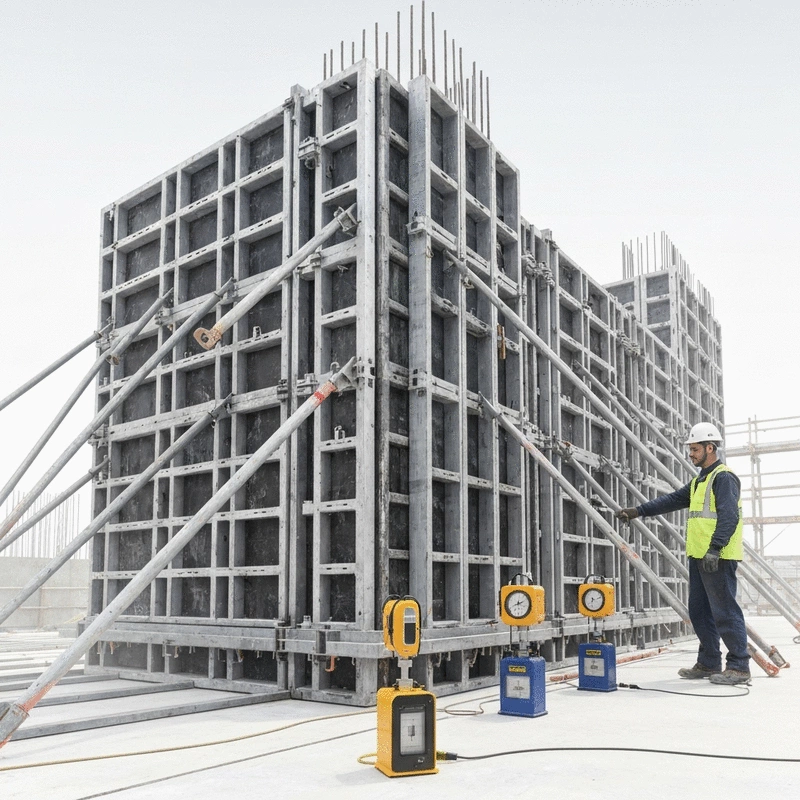
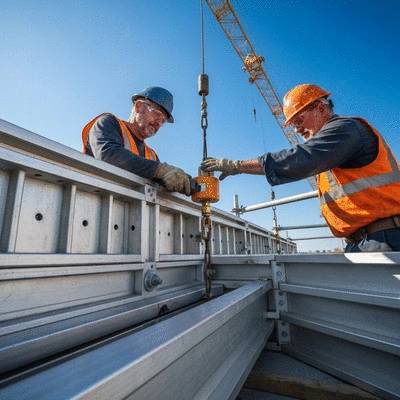
What if you could significantly enhance the safety and efficiency of your construction projects with just a few strategic practices? Load testing and validation are not just procedures; they are essential components that can lead to superior outcomes in aluminum formwork systems.
What You Will Learn
Identifying Weaknesses: Load testing reveals structural vulnerabilities needing attention before construction advances.
Safety Assurance: Regular validation processes help safeguard against potential failures, ensuring worker safety.
Compliance with Standards: Adhering to load testing protocols is often a legal requirement, preventing future liabilities.
Cost Efficiency: Early identification of issues through load testing can help avoid costly repairs and project delays.
Enhanced Reputation: Successful load validation builds trust with clients and stakeholders, strengthening professional relationships.
Variety of Testing Techniques: Utilizing different assessment methods, such as static and dynamic load testing, provides comprehensive insights into structural integrity.
Load Testing and Validation Insights for Aluminum Formwork Systems
This visual highlights the core reasons and methods behind effective load testing and validation, crucial for ensuring structural integrity and safety in construction.
Why It Matters
Importance of Load Testing
✓Identifies Weaknesses: Reveals vulnerabilities before project
progresses.
✓Destructive Testing: Pushes materials to limits (less common for
aluminum).
Key Benefits
Why Load Testing is Indispensable
✓Structural Assurance: Minimizes risks during construction.
✓Safety Compliance: Protects workers and project integrity.
✓Cost Efficiency: Avoids costly repairs and delays.
✓Enhanced Reputation: Builds trust with clients and stakeholders.
Understanding Load Testing and Validation for Aluminum Formwork Systems
When it comes to aluminum formwork systems, understanding load testing is crucial for ensuring structural integrity. Load testing evaluates how much weight a structure can support before failure. Without proper testing, we risk compromising the quality and safety of construction projects, which can lead to costly delays and repairs. So, let’s dive into why this process is so important!
At Concrete Slab Innovations, we've seen firsthand how effective load testing enhances not only the durability of aluminum systems but also builds trust among contractors and project managers. It's an essential part of the construction process that shouldn’t be overlooked.
Defining Load Testing: Importance for Structural Integrity
Load testing serves as a critical assessment of how well a structure can withstand various forces. It provides valuable insights into potential failure points and helps identify any weaknesses in the design or construction. Here are a few key points about its importance:
Identifies Weaknesses: Load testing reveals vulnerabilities in the structure that need addressing before the project progresses. For more detailed insights into identifying structural vulnerabilities, you can refer to research on structural health monitoring.
Enhances Safety: Ensuring that the formwork can handle anticipated loads significantly improves safety for workers on-site.
Meets Regulatory Standards: Complying with established load testing protocols is often a legal requirement in construction.
As we move forward with modern construction methods, having robust load testing practices becomes crucial for maintaining high-quality standards.
Why Validation Matters: Ensuring Safety and Compliance
Validation is the process of confirming that a formwork system meets specific requirements and standards. It’s not just about passing a test; it’s about ensuring that every component performs as intended. Why is this so essential? Here’s a breakdown:
Safety Assurance: Regular validation processes safeguard against potential failures that could endanger lives.
Compliance with Codes: Validated systems are typically required to adhere to local building codes, which helps avoid legal issues down the line.
At Concrete Slab Innovations, we emphasize the importance of thorough validation as it directly impacts the success and safety of construction projects.
Exploring Structural Load Assessment Techniques
To effectively carry out load testing, various assessment techniques are employed. Each method offers different insights and advantages. Here are some commonly used techniques:
Static Load Testing: Involves applying a constant load to assess the formwork's strength.
Dynamic Load Testing: Tests how the structure behaves under fluctuating loads, simulating real-world conditions.
Destructive Testing: Although not commonly used for aluminum systems, it provides insights by pushing materials to their limits. For further reading on different testing methods and their applications, refer to studies on experimental analysis of structural elements.
Choosing the right technique can make a significant difference in the outcomes of your testing process. It’s crucial to understand each method's strengths and weaknesses to achieve the best results for your projects.
Pro Tip
To maximize the effectiveness of load testing, consider implementing a combination of testing methods tailored to your specific project needs. By utilizing both static and dynamic load testing techniques, you can gain a comprehensive understanding of how your aluminum formwork systems will perform under real-world conditions. This holistic approach not only identifies potential weaknesses but also enhances overall safety and compliance.
Summarizing the Importance of Load Testing and Validation
As we wrap up our discussion on load testing and validation, it's essential to recognize their crucial role in the implementation of aluminum formwork systems. These processes not only ensure the structural integrity of our builds but also enhance safety and compliance across the board. In my experience, embracing rigorous testing protocols leads to high-quality outcomes that we can stand behind with confidence!
Let's examine some key takeaways that underscore why load testing is indispensable:
Structural Assurance: Load testing verifies that the formwork can safely support the intended loads, minimizing risks during construction.
Safety Compliance: Adhering to industry standards protects workers and the overall integrity of the project.
Cost Efficiency: By identifying potential issues early, we can avoid costly repairs and delays down the line.
Enhanced Reputation: Successful load validation helps contractors and project managers build trust with clients and stakeholders.
These points reflect why we at Concrete Slab Innovations advocate for thorough load testing as a standard practice. It's not just about meeting requirements; it’s about striving for excellence.
Moving Forward: Recommendations for Implementing Testing Protocols
To ensure effective load testing and validation, I recommend a structured approach that includes several key protocols. First and foremost, the selection of the right testing methods is fundamental. Here are some practical recommendations:
Conduct Regular Training: Ensure that your team is updated on the latest testing techniques and safety guidelines.
Use a Variety of Testing Methods: Incorporate visual inspections, performance testing, and finite element simulations to gain a comprehensive view of formwork integrity.
Document Everything: Keep thorough records of all tests conducted, including results and follow-up actions for accountability.
Engage with Experts: Collaborate with engineering specialists to refine your testing processes and align them with best practices.
Implementing these recommendations will not only enhance your testing protocols but also contribute to the overall success of your projects. With the right approach, you can confidently support your construction endeavors and ensure that each aluminum formwork system performs as expected.
Engagement and Next Steps: Get Involved and Stay Informed
FAQs: Addressing Common Questions About Load Testing
As we continue to explore the world of load testing, I often receive questions from contractors and engineers eager to understand more about this vital area. Here are some of the most frequent queries:
What is the standard duration for load testing? The duration can vary based on the method used and the specific formwork being tested, but typically ranges from a few hours to several days.
How often should load testing be performed? It's good practice to conduct load tests at the beginning of a project and at intervals determined by project complexity and design changes.
Are there specific certifications I need for conducting load tests? Yes, ensure your team has relevant certifications in testing standards like ASTM or other recognized industry guidelines.
What are the main benefits of dynamic load testing over static load testing? Dynamic load testing simulates real-world fluctuating conditions, offering a more comprehensive understanding of a structure's behavior under various stresses, which static testing might not capture.
Can load testing help reduce project costs? Yes, by identifying potential weaknesses and issues early in the construction phase, load testing can prevent costly repairs, rework, and project delays, thereby improving overall cost efficiency.
These questions highlight the importance of ongoing education and awareness in load testing, and I encourage you to keep asking as you refine your practices!
Further Resources: Where to Learn More About Load Testing Standards
If you’re interested in deepening your knowledge about load testing, I recommend checking out the following resources:
ASTM International: Their website offers comprehensive guidelines and standards for load testing.
Concrete Construction Journals: Many publications include case studies and expert insights into best practices.
Industry Workshops: Attend workshops focused on aluminum formwork and load testing to gain hands-on experience.
Engaging with these resources will help you stay current and informed in this ever-evolving field.
Exploring Innovations in Construction Technology and Load Testing
Finally, as technology progresses, it's essential to stay ahead of the curve by exploring innovations that can enhance load testing processes. Technologies like artificial intelligence and machine learning are beginning to be integrated into our field, providing more accurate predictions and data-driven insights. Imagine leveraging these advancements to further improve efficiency and safety on your construction sites!
At Concrete Slab Innovations, I’m committed to sharing the latest trends and tools that can drive our industry forward. Let’s embrace change and continue to push the boundaries of what we can achieve in concrete slab construction together!
Recap of Key Points
Here is a quick recap of the important points discussed in the article:
Identifies Weaknesses: Load testing reveals structural vulnerabilities that need addressing before project progression.
Enhances Safety: Proper load testing ensures that formwork can handle anticipated loads, improving on-site safety.
Meets Regulatory Standards: Complying with load testing protocols is often a legal requirement in construction.
Safety Assurance: Regular validation processes safeguard against potential failures that could endanger lives.
Quality Control: Validation ensures consistency and reliability in materials and construction methods.
Cost Efficiency: Early identification of potential issues helps avoid costly repairs and delays.
Engage with Experts: Collaborate with specialists to refine testing processes and align with best practices.
Aidan Cromwell
Aidan Cromwell is a seasoned construction professional and industry expert with a passion for innovative building solutions. With extensive experience in concrete slab construction and a deep understanding of modular formwork systems, Aidan strives to educate and empower contractors, engineers, and project managers. His insights are grounded in practical knowledge and a commitment to advancing construction efficiency and safety.
Concrete Slab Innovations is dedicated to advancing concrete slab construction through innovative aluminum formwork systems. Our mission is to provide contractors, engineers, and project managers with cutting-edge methods for safe and precise slab support.
Optimize your concrete slab projects by integrating modular aluminum formwork. Its lightweight design significantly cuts down on labor and setup time!
Enhance project efficiency by understanding the high-load capacity of modern aluminum systems. This ensures structural integrity and faster pour cycles!
Reduce material costs and waste by choosing reusable aluminum formwork. A sustainable choice that also boosts your bottom line!
Prioritize job site safety with robust aluminum formwork. Its stable design minimizes risks during the critical concrete pouring phase.
Streamline your project timelines. Modular aluminum formwork allows for quicker assembly and dismantling, speeding up overall construction.
Achieve consistent slab quality through precise formwork alignment. High-quality systems ensure accurate dimensions and a superior finish.
Educate your team on the benefits of innovative formwork. A knowledgeable crew is crucial for maximizing efficiency and safety.
Explore case studies of successful projects utilizing advanced formwork. Learn from real-world applications to inform your next build.
Consider the long-term economic advantages of investing in quality formwork systems. Durability means less replacement and better ROI.
Implement rigorous quality control checks during formwork setup. Precision at this stage prevents costly rework later.
Stay updated on the latest advancements in concrete technology and formwork. Continuous learning keeps your projects cutting-edge.
Consult with formwork specialists to tailor solutions to your specific project needs. Custom approaches yield optimized results.
Document your formwork processes for consistency and training. Standardized procedures improve efficiency and reduce errors.
Regular maintenance of your formwork equipment extends its lifespan and ensures reliable performance on every job.
Ready to elevate your concrete slab projects? Dive into our resources to discover how innovative formwork can transform your construction practices!