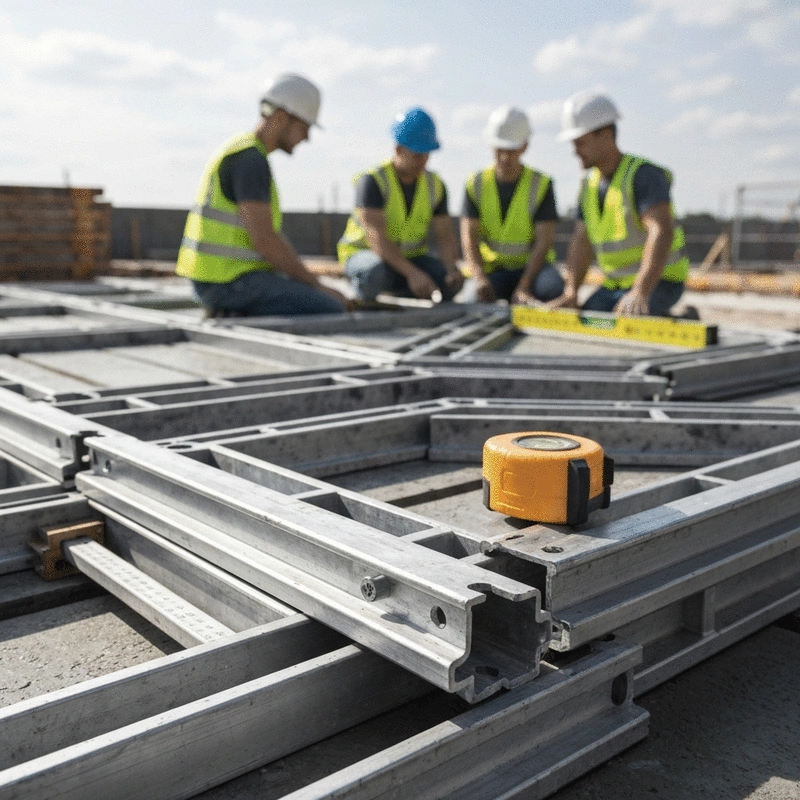
1Adaptability for Complex Slab Geometries
Aluminum formwork provides the flexibility needed to create intricate designs like curved balconies and atriums, elevating aesthetic appeal and meeting unique architectural demands.
Customization is revolutionizing construction, especially when it comes to complex slab designs. Aluminum formwork provides a flexible, efficient solution that meets unique architectural demands. In this article, you will discover how to leverage this innovative technology to enhance your projects.
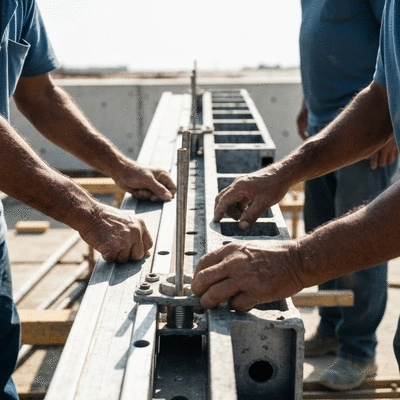
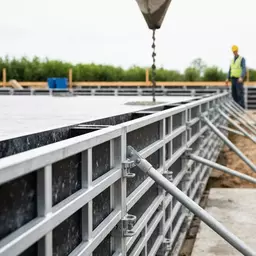
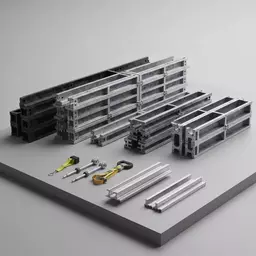
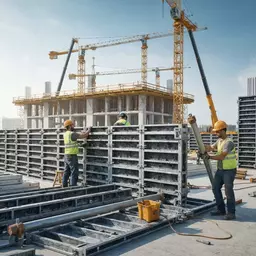
Aluminum formwork is revolutionizing construction by offering enhanced efficiency and design flexibility. The visual below highlights its core benefits and technological integrations.
In today's construction landscape, adaptability is key to a project's success. Complex slab geometries often require customized solutions that can effectively meet specific architectural demands. This is where aluminum formwork shines, offering the flexibility needed to create intricate designs without compromising structural integrity. Have you ever wondered how such a versatile system can change the face of construction? Aluminum formwork allows for innovative layouts that may be challenging to achieve with traditional methods.
Moreover, as we at Concrete Slab Innovations have seen, the use of aluminum formwork not only addresses design challenges but also enhances overall project efficiency. By embracing these adaptable solutions, contractors and project managers can respond quickly to design changes, ultimately leading to better outcomes and satisfied clients! Research on innovative formwork materials and technologies, such as the study on bamboo fiber reinforced polymer composite formwork, highlights the ongoing advancements in construction practices that prioritize both structural integrity and environmental sustainability.
Customization plays a vital role in ensuring that a building meets its intended purpose and aesthetic appeal. In modern construction, off-the-shelf solutions often fall short when faced with unique design requirements. Aluminum formwork's adaptability allows teams to tailor their approach, facilitating the creation of complex shapes, such as curved balconies and intricate atriums. Isn't it exciting to think about how these features can elevate a project?
As we explore the potential of aluminum formwork, it's clear that its customization capabilities not only enhance design options but also contribute significantly to project efficiency and safety. The advances in formwork technology, including those in aluminum systems, are crucial for adapting to the complexities of modern architecture while improving overall construction workflows.
Aluminum formwork systems bring several notable advantages to the forefront of modern construction. First and foremost, their lightweight design significantly reduces the manpower required for setup and dismantling. This is essential for maintaining project timelines and keeping labor costs in check. Furthermore, the high load capacity of these systems, typically ranging from 60 to 80 kN/m², offers the strength needed for various applications.
These benefits combine to create a construction workflow that not only saves time and money but also consistently produces high-quality results. As someone who has witnessed the transformation in project outcomes firsthand, I can confidently say that aluminum formwork is a game changer!
Efficiency is the name of the game in construction, and aluminum formwork plays a pivotal role in enhancing overall workflows. By streamlining the pouring process and minimizing delays, it allows teams to stick to tight schedules. This leads to improved project timelines and an ability to take on more work without sacrificing quality.
At Concrete Slab Innovations, we've seen how adopting aluminum formwork systems encourages a more organized approach to construction. It’s not just about the speed of work; it’s about creating a well-coordinated environment where every team member knows their role and where the project stands.
In conclusion, the use of aluminum formwork not only enhances flexibility in design but also promotes an efficient construction process, making it a vital tool for any modern construction project!
To maximize the benefits of aluminum formwork, consider integrating real-time project management tools that allow for quick adjustments and tracking. This not only enhances efficiency but also ensures that your project stays adaptive to any design changes that may arise!
As we navigate the evolving landscape of construction, customization of aluminum formwork becomes more crucial than ever. It’s exciting to see how modern technology intertwines with construction techniques, making it easier for us to achieve complex designs. One of the key players in this transformation is Building Information Modeling (BIM).
BIM is revolutionizing how we approach formwork design and customization. By creating a digital representation of physical and functional characteristics, BIM allows us to visualize how aluminum formwork will fit into the overall project before any physical work begins. This not only minimizes errors but also promotes collaboration among stakeholders.
As someone passionate about innovative building solutions, I’ve seen firsthand how leveraging BIM can lead to smoother project execution. It’s a game-changer that enhances the customization of aluminum formwork panels.
Customizing aluminum formwork doesn’t always require new materials or systems. Sometimes, simple on-site adjustments can make a huge difference! Here are a few practical tips for construction professionals:
By utilizing these techniques, you can address evolving design needs effectively, ensuring that your projects stay on schedule without compromising on quality. The practical applications of aluminum formwork and its customization are further detailed in studies on construction materials and methods, emphasizing how proper implementation can lead to significant project efficiencies.
Another powerful ally in the customization of aluminum formwork is 3D modeling. This technology enhances our ability to design and implement customized systems efficiently. With 3D modeling software, we can:
The integration of 3D modeling into our workflow not only enhances creativity but also drives efficiency, which is essential in today’s fast-paced construction environment. At Concrete Slab Innovations, we embrace these technologies to push the boundaries of what’s possible in slab construction.
As we look ahead, investing in customized aluminum formwork solutions is undoubtedly beneficial for tackling complex slab geometries. The combination of technology and adaptability is reshaping our industry, making it essential to stay informed about current trends.
If you're ready to elevate your construction practices, I encourage you to explore options for customizing aluminum formwork panels. Reach out to suppliers or consult with industry experts to find the best solutions for your needs. At Concrete Slab Innovations, we’re here to support you in making informed decisions that enhance efficiency and safety on your projects!
Here is a quick recap of the important points discussed in the article:
Aidan Cromwell is a seasoned construction professional and industry expert with a passion for innovative building solutions. With extensive experience in concrete slab construction and a deep understanding of modular formwork systems, Aidan strives to educate and empower contractors, engineers, and project managers. His insights are grounded in practical knowledge and a commitment to advancing construction efficiency and safety.