Understanding Concrete Slab Foundations
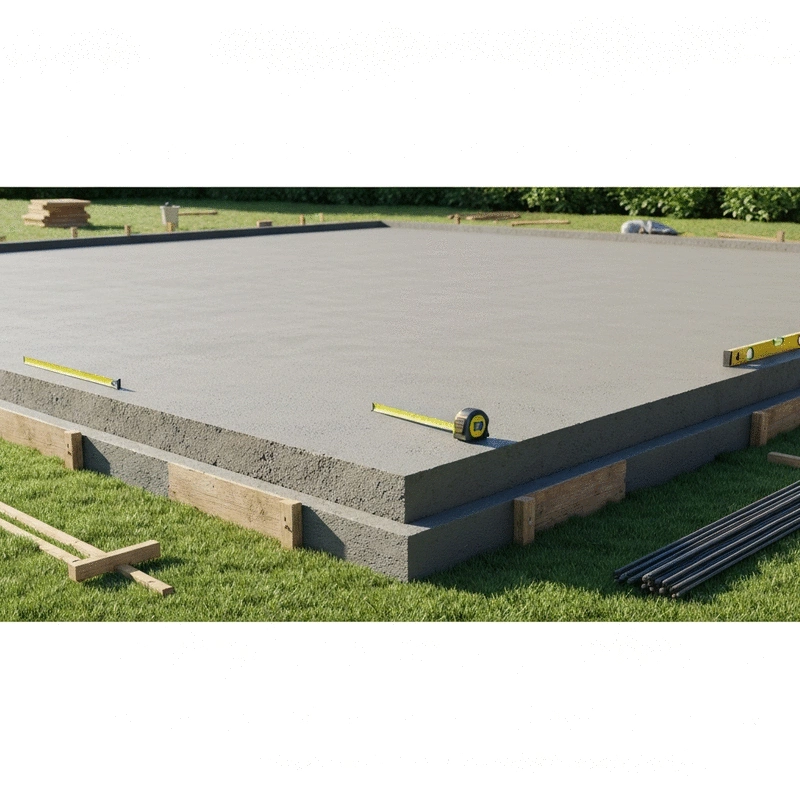
Did you know that understanding concrete slab foundations can significantly impact your construction project's success? In this guide, we'll break down the essentials of these foundational elements and help you make informed decisions for your next building endeavor.
What You Will Learn
- Concrete slab foundations provide a solid base for structures, making them essential for both residential and commercial projects.
- There are three main types of concrete slab foundations: monolithic, stem wall, and slab on grade, each serving distinct site conditions.
- Quick installation and low maintenance make concrete slab foundations a popular choice, especially in warmer climates.
- Evaluating soil composition, load requirements, and climate conditions are crucial steps in determining if a slab foundation is suitable for your project.
- Deciding whether to hire a professional or undertake a DIY project depends on your skill level, equipment access, and time commitment.
- Understanding local building codes and regulations is vital to avoid potential setbacks in your construction project.
Concrete Slab Foundation Types and Decision Factors
This visual outlines the three primary types of concrete slab foundations and key considerations for choosing the right one for your project.
Types of Concrete Slab Foundations
- • Monolithic Slab
- • Stem Wall
- • Slab on Grade
Assessing Project Needs & Goals
- • Soil Composition
- • Load Requirements
- • Climate Conditions
DIY vs. Professional Considerations
- • Experience and Skill Level
- • Tools and Equipment
- • Time Commitment
Key Advantages of Slab Foundations
- • Quick Installation
- • Low Maintenance
- • Ideal for Warmer Climates
Understanding Concrete Slab Foundations
When it comes to construction, understanding concrete slab foundations is essential for anyone involved in the building industry. These foundations are the backbone of many residential and commercial structures, providing a solid base that supports everything above them. In this section, we’ll dive into what a concrete slab foundation is, explore its different types, and discuss their unique characteristics.

What Is a Concrete Slab Foundation?
A concrete slab foundation is a flat, horizontal surface made of poured concrete that sits directly on the ground. These slabs are often reinforced with steel bars or mesh to enhance their strength. The simplicity and durability of slab foundations make them a popular choice for various construction projects. Have you ever noticed how quickly they can be installed compared to other foundation types? This efficiency often saves time and reduces labor costs.
- Quick installation times
- Low maintenance requirements
- Ideal for warmer climates
Overall, a well-constructed concrete slab foundation can last for decades, providing stability and support for your building. It’s crucial for contractors and engineers to understand the specifics of this foundation type to ensure successful project outcomes. For a comprehensive guide on designing slab-on-ground foundations for concrete structures, refer to this Design Guide for Slabs-on-Ground.
Types of Concrete Slab Foundations
Concrete slab foundations come in several forms, each designed to meet different needs and site conditions. Understanding these types can help you make informed decisions for your projects. Here’s a breakdown of the three most common types:
- Monolithic Slab Foundations
- Stem Wall Foundations
- Slab on Grade Foundations
Monolithic Slab Foundations
A monolithic slab foundation is poured as a single, continuous piece. This type is particularly effective in areas where soil conditions are stable. It provides a seamless design, reducing the risk of moisture infiltration. Many builders appreciate this option for its simplicity and cost-effectiveness.
Stem Wall Foundations
Stem wall foundations consist of a concrete wall that extends above ground level, supporting a concrete slab on top. This design is advantageous in areas with expansive soils or where frost depth is a concern. Stem walls can help mitigate moisture issues and provide better insulation for the structure.
Slab on Grade Foundations
Slab on grade foundations are similar to monolithic slabs, but they involve filling the area with gravel or other materials before pouring concrete. This method allows for better drainage and helps prevent moisture from affecting the foundation. It’s an effective choice for many residential applications. Further insights into floor slabs for various facilities can be found in this Floor Slabs for DOD Facilities document.
Pro Tip
When considering a concrete slab foundation, remember to assess the long-term climate conditions of your site. Investing in proper insulation and moisture barriers can greatly enhance the durability of your foundation and protect your investment over time.
Making the Decision: Is a Concrete Slab Foundation Right for You?
When it comes to choosing the right foundation for your project, it’s essential to understand your specific needs and goals. A concrete slab foundation can be a great option, but is it the best fit for you? Let’s dive into some key considerations that will help you make this critical decision.
First, think about the purpose of your building. Are you constructing a residential home, a commercial space, or perhaps a garage? Each type of structure has different demands, and knowing your project needs can direct you towards the most appropriate foundation type. Factors like soil type, climate, and load requirements also play a significant role. Understanding these details can save you time and resources down the line!
Assessing Your Project Needs and Goals
To make an informed decision, you should assess a few key project needs:
- Soil Composition: Is your site on stable ground, or does the soil pose challenges?
- Load Requirements: How heavy will the structure be? This affects the foundation design significantly.
- Climate Conditions: Are you in a freeze-thaw zone? This can influence the type of insulation and vapor barriers needed.
By evaluating these elements, you can better determine if a concrete slab foundation aligns with your objectives. Take the time to consider these factors carefully, as they can have a lasting impact on your project’s success!

Factors to Consider for DIY vs. Hiring a Professional
Another important decision is whether to tackle the foundation yourself or hire a professional. Both options come with their own set of considerations:
- Experience and Skill Level: Do you have the necessary skills and experience in concrete work?
- Tools and Equipment: Can you access the tools required for excavation, pouring, and finishing concrete?
- Time Commitment: Are you prepared to dedicate the necessary time to complete the project?
For many, hiring a professional can ensure that the job is done correctly and efficiently. As someone who has worked extensively in the construction industry, I can tell you that the expertise brought by professionals like those at Concrete Slab Innovations can be invaluable, especially when dealing with complex projects.
Understanding Building Codes and Regulations
Before making a final decision, be sure you’re aware of any local building codes and regulations that apply to your project. These can vary widely depending on your location and might dictate specific requirements for foundation types, moisture control, and overall construction practices. For detailed information on foundation design and construction, including specifics on concrete foundations, you can consult resources like the Foundations Manual from Caltrans. Consulting with local authorities can help you avoid potential setbacks down the line!
In conclusion, determining if a concrete slab foundation is right for you involves careful consideration of your project’s unique needs and goals. By understanding the benefits and potential challenges of this foundation type, as well as evaluating your capabilities and local regulations, you’re setting yourself up for success.
Frequently Asked Questions About Concrete Slab Foundations
- What are the primary types of concrete slab foundations?
- The three primary types are Monolithic Slab Foundations, Stem Wall Foundations, and Slab on Grade Foundations, each suited for different site conditions and project requirements.
- What factors should I consider when choosing a concrete slab foundation?
- Key factors include soil composition, load requirements of the structure, and local climate conditions (e.g., presence of freeze-thaw cycles).
- What are the main advantages of using a concrete slab foundation?
- Concrete slab foundations offer quick installation times, require low maintenance, and are particularly well-suited for warmer climates.
- Should I build a concrete slab foundation myself or hire a professional?
- The decision depends on your experience and skill level in concrete work, access to necessary tools and equipment, and the time you can commit to the project. For complex projects, hiring a professional is often recommended.
- Why is understanding building codes important for slab foundations?
- Local building codes and regulations dictate specific requirements for foundation types, moisture control, and overall construction practices. Adhering to these codes is crucial to avoid potential legal and structural issues.
Recap of Key Points
Here is a quick recap of the important points discussed in the article:
- Concrete slab foundations are efficient, quick to install, and low maintenance.
- Three common types of concrete slab foundations include Monolithic, Stem Wall, and Slab on Grade.
- Consider factors like soil composition, load requirements, and climate conditions before choosing a foundation type.
- Evaluate your experience and tools when deciding between DIY or hiring a professional for foundation work.
- Always check local building codes and regulations to ensure compliance with your foundation project.

Aidan Cromwell
Aidan Cromwell is a seasoned construction professional and industry expert with a passion for innovative building solutions. With extensive experience in concrete slab construction and a deep understanding of modular formwork systems, Aidan strives to educate and empower contractors, engineers, and project managers. His insights are grounded in practical knowledge and a commitment to advancing construction efficiency and safety.
Popular Posts
Aluminum Formwork and Carbon Reduction
![Aluminum Formwork and Carbon Reduction]() What if the way we build could significantly impact our planet's future? Embracing aluminum formwork
What if the way we build could significantly impact our planet's future? Embracing aluminum formwork
 What if the way we build could significantly impact our planet's future? Embracing aluminum formwork
Aluminum Formwork: Storage and Transport
![Aluminum Formwork: Storage and Transport]() What if the longevity of your aluminum formwork could be dramatically increased just by changing how
What if the longevity of your aluminum formwork could be dramatically increased just by changing how
 What if the longevity of your aluminum formwork could be dramatically increased just by changing how
Train Your Crew for Efficient Assembly
![Train Your Crew for Efficient Assembly]() Investing in training can transform your construction project outcomes. With proper techniques and k
Investing in training can transform your construction project outcomes. With proper techniques and k
 Investing in training can transform your construction project outcomes. With proper techniques and k
Aluminum Formwork Load Engineering Guidelines
![Aluminum Formwork Load Engineering Guidelines]() Consider this: a single miscalculation in load engineering can lead to structural failures and finan
Consider this: a single miscalculation in load engineering can lead to structural failures and finan
 Consider this: a single miscalculation in load engineering can lead to structural failures and finan
