Enhancing Load Capacity in Aluminum

Have you ever considered how the right knowledge can make or break a construction project? Understanding load-bearing capacity is not just technical jargon; it’s a crucial element that can safeguard your projects and your reputation.
What You Will Learn
- Load-bearing capacity defines the maximum weight a structure can support without compromising safety.
- Key factors influencing load-bearing capacity include material quality, geometry, and joint design.
- Different aluminum alloys, such as 6061-T6, have varying strength and flexibility, impacting design decisions.
- Incorporating data-driven approaches enhances safety, efficiency, and cost-effectiveness in construction projects.
Key Factors and Properties in Aluminum Load-Bearing Systems
Understanding the critical elements that influence load-bearing capacity is paramount for structural integrity and efficient design.
Key Factors Influencing Load-Bearing Capacity
- Material Quality
- Geometry (Shape & Size)
- Joint Design
Material Properties of Aluminum Alloys
- Tensile Strength
- Yield Strength
- Fatigue Resistance
Understanding Load-Bearing Capacity in Aluminum Post-and-Beam Systems
When diving into the world of aluminum post-and-beam systems, understanding load-bearing capacity is crucial. This concept defines how much weight a structure can support without compromising safety. It’s vital for engineers and contractors to grasp this, as it directly affects the integrity of the project. Without knowing the load-bearing limits, you risk structural failures that can lead to costly repairs or even catastrophic incidents.
Additionally, load-bearing capacity informs design choices, such as material selection and beam placement. By prioritizing this understanding, you ensure that your construction projects not only meet safety standards but also perform optimally in real-world applications. Have you considered how this knowledge could impact your upcoming projects?
What is Load-Bearing Capacity and Why is it Important?
Load-bearing capacity refers to the maximum weight that a structural element can handle. It’s essential for several reasons:
- Safety: Protecting the lives of those using the structure.
- Regulatory Compliance: Meeting industry standards and building codes.
- Cost Efficiency: Preventing over-engineering and minimizing material waste.
In short, understanding load-bearing capacity helps in making informed decisions throughout the design and construction phases. As someone passionate about innovative building solutions, I can’t stress enough how this knowledge can foster efficient and safe construction practices.
Key Factors Influencing Load-Bearing Capacity
A variety of factors play a role in determining the load-bearing capacity of aluminum post-and-beam systems. Here are some of the most significant:
- Material Quality: The grade of aluminum used can drastically affect strength.
- Geometry: The shape and size of the beams influence how loads are distributed.
- Joint Design: Effective connections between components can enhance overall stability.
By focusing on these factors, professionals can optimize their designs, ensuring both strength and performance. Remember, every element of your design contributes to the system's overall capability!
Material Properties of Aluminum Alloys Affecting Load-Bearing Capacity
The choice of aluminum alloy is one of the most critical decisions in structural design. Different alloys exhibit varying degrees of strength, flexibility, and durability. For instance, alloys like 6061-T6 are widely used due to their excellent mechanical properties and weldability. For a deeper understanding of the properties of various aluminum alloys, you can refer to resources like the Aluminum Association's white paper on aluminum advancements. Here are some properties to consider:
- Tensile Strength: Determines how much stress the material can withstand before failing.
- Yield Strength: The point at which the material begins to deform plastically.
- Fatigue Resistance: Important for structures that will undergo repeated loading and unloading.
Understanding these material properties allows for better decision-making when creating durable and safe aluminum systems. As someone who values innovation in construction, I believe leveraging the right materials can significantly enhance the efficiency and safety of any project. Further research on the mechanical behavior of aluminum alloys under various loading conditions, such as that detailed in the Journal of Civil Engineering and Management, can provide valuable insights.
Pro Tip
Did you know? Regularly testing the load-bearing capacity of your aluminum post-and-beam systems can prevent costly failures. Incorporate load testing as part of your quality assurance processes to ensure structural integrity throughout the lifespan of your projects.
Frequently Asked Questions (FAQs)
Load-bearing capacity refers to the maximum weight an aluminum post-and-beam structure can support without compromising its safety or structural integrity. It's a critical factor in ensuring project safety and longevity.
Understanding load-bearing capacity is crucial for safety, ensuring regulatory compliance, and achieving cost efficiency by preventing over-engineering and minimizing material waste. It helps in making informed decisions throughout the design and construction phases.
Key factors include material quality (e.g., the specific aluminum alloy used), geometry (shape and size of beams), and joint design (how components are connected). Each of these contributes significantly to the system's overall strength.
Different aluminum alloys have varying properties such as tensile strength (stress before failure), yield strength (point of plastic deformation), and fatigue resistance (ability to withstand repeated loading). Selecting the right alloy, like 6061-T6, is vital for achieving desired structural performance.
Data-driven approaches involve using data analytics and advanced modeling tools to make informed decisions about material use, structural designs, and potential weaknesses. They enhance efficiency, improve safety, and lead to cost-effective construction projects.
Summarizing Key Insights on Load-Bearing Capacity Optimization
As we wrap up our discussion on optimizing load-bearing capacity, it’s clear that data-driven approaches are essential in modern construction. The insights we've explored emphasize that understanding the intricacies of load-bearing systems, particularly in aluminum post-and-beam frameworks, can lead to significant improvements in both safety and efficiency. Whether you’re a contractor, engineer, or project manager, these principles are vital for achieving consistent results in your projects.
Key takeaways include the importance of material selection, geometric optimization, and the use of advanced modeling tools. With these strategies, you can elevate your project outcomes and ensure that your structures not only meet but exceed industry standards.
The Importance of Data-Driven Approaches in Modern Construction
Incorporating data-driven practices into your construction projects can profoundly enhance load-bearing capacity and overall structural integrity. Here are some reasons why:
- Enhanced Efficiency: Data analytics can lead to more informed decisions about material use and structural designs.
- Improved Safety: Regular analysis helps identify potential weaknesses before they become critical issues, as explored in studies on structural safety factors like those published in the Journal of Materials and Environmental Science.
- Cost-Effectiveness: Optimized designs can reduce material waste and labor costs, ultimately boosting your project’s profitability.
By leveraging data-driven methodologies, you can stay ahead in the competitive construction landscape. It’s about making smarter choices that lead to better performance in every phase of the project.
Next Steps for Implementing Optimization Strategies in Your Projects
Now that you’re equipped with insights on load-bearing capacity optimization, it’s time to take action! Here’s how you can implement these strategies:
- Evaluate your current projects and identify areas for improvement in load-bearing capacity.
- Incorporate advanced materials, like the aluminum alloys we discussed, into your designs.
- Utilize software tools for precise load calculations and structural modeling.
- Train your team on best practices for assembly and maintenance of aluminum systems.
Taking these steps will not only enhance your projects but also position you as a leader in adopting innovative construction solutions. Are you ready to transform your approach to aluminum post-and-beam systems?
Engaging with Ongoing Developments in Aluminum Post-and-Beam Technology
The construction industry is continually evolving, especially with advancements in aluminum post-and-beam technology. Staying informed about these developments is crucial for anyone involved in structural engineering. Here’s why your engagement is vital:
Staying Informed: Resources for Continuing Education in Structural Engineering
Learning doesn’t stop after your formal education. To remain at the forefront of the industry, consider the following resources:
- Industry conferences and workshops focused on aluminum construction techniques.
- Webinars and online courses offered by reputable organizations.
- Professional journals and publications that provide the latest research findings.
These resources can help you keep your skills sharp and your knowledge up to date. At Concrete Slab Innovations, we’re committed to sharing insights and information that empower you in your projects!
Building Regulations and Compliance in Aluminum Construction
Understanding building regulations and compliance is critical for any project involving aluminum systems. Here are some key points to consider:
- Stay updated on local building codes specific to aluminum structures.
- Ensure that your designs meet all safety and performance standards set by regulatory bodies.
- Regularly review compliance checklists during the design and construction phases.
By adhering to these regulations, you can avoid costly setbacks and ensure that your projects are both safe and successful. Let’s embrace these innovations together and set new standards in concrete slab construction!
Recap of Key Points
Here is a quick recap of the important points discussed in the article:
- Understanding Load-Bearing Capacity: Essential for safety, regulatory compliance, and cost efficiency in construction.
- Key Influencing Factors: Material quality, geometry, and joint design significantly impact load-bearing capacity.
- Material Properties: Selecting the right aluminum alloys, such as 6061-T6, is crucial for achieving necessary strength and durability.
- Data-Driven Approaches: Utilizing data analytics leads to enhanced efficiency, improved safety, and cost-effectiveness in construction projects.
- Action Steps: Evaluate projects, incorporate advanced materials, utilize modeling tools, and train teams on best practices.

Aidan Cromwell
Aidan Cromwell is a seasoned construction professional and industry expert with a passion for innovative building solutions. With extensive experience in concrete slab construction and a deep understanding of modular formwork systems, Aidan strives to educate and empower contractors, engineers, and project managers. His insights are grounded in practical knowledge and a commitment to advancing construction efficiency and safety.
Popular Posts
Aluminum Formwork and Carbon Reduction
![Aluminum Formwork and Carbon Reduction]() What if the way we build could significantly impact our planet's future? Embracing aluminum formwork
What if the way we build could significantly impact our planet's future? Embracing aluminum formwork
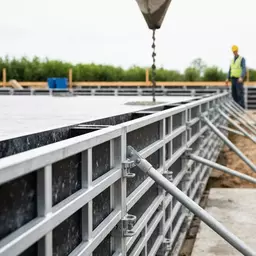 What if the way we build could significantly impact our planet's future? Embracing aluminum formwork
Aluminum Formwork: Storage and Transport
![Aluminum Formwork: Storage and Transport]() What if the longevity of your aluminum formwork could be dramatically increased just by changing how
What if the longevity of your aluminum formwork could be dramatically increased just by changing how
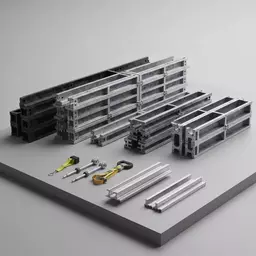 What if the longevity of your aluminum formwork could be dramatically increased just by changing how
Train Your Crew for Efficient Assembly
![Train Your Crew for Efficient Assembly]() Investing in training can transform your construction project outcomes. With proper techniques and k
Investing in training can transform your construction project outcomes. With proper techniques and k
 Investing in training can transform your construction project outcomes. With proper techniques and k
Aluminum Formwork Load Engineering Guidelines
![Aluminum Formwork Load Engineering Guidelines]() Consider this: a single miscalculation in load engineering can lead to structural failures and finan
Consider this: a single miscalculation in load engineering can lead to structural failures and finan
 Consider this: a single miscalculation in load engineering can lead to structural failures and finan
