What if the key to revolutionizing your construction project lies in the materials you choose? Aluminum formwork systems offer a transformative approach that can enhance efficiency, safety, and sustainability in large infrastructure projects. Let's explore the pivotal lessons drawn from this innovative method.
What You Will Learn
Aluminum formwork is a lightweight, durable system designed for quick assembly, significantly reducing project downtime.
Utilizing aluminum formwork can lead to substantial cost savings, with some contractors reporting up to a 30% reduction in overall project costs.
The eco-friendly nature of aluminum, including its recyclability, aligns with sustainable building practices and minimizes environmental impact.
Aluminum formwork systems improve safety standards on-site by reducing physical strain on workers and lowering the risk of injuries related to heavy materials.
Unlike traditional materials, aluminum offers superior durability, resistance to weather, and stable performance under high-load conditions, ensuring longevity in infrastructure projects.
Comparative Benefits of Aluminum Formwork
A side-by-side comparison illustrating the key advantages of aluminum formwork over traditional construction materials, emphasizing long-term benefits and sustainability.
Cost-Benefit Analysis: Long-Term Savings
✓
Up to 30% Reduction: Overall project costs.
✓
Significant labor savings due to rapid assembly/disassembly.
✓
Reduced material waste & disposal costs (reusable).
Environmental Impact & Sustainability
✓
Highly Recyclable: Multiple cycles without property loss.
✓
Lower Carbon Footprint: Reduced transport & installation energy.
✓
Supports eco-friendly manufacturing processes.
Material Durability & Longevity
✓
Exceptional Strength: Resists warping and degradation over time.
✓
Weather & Pest Resistant: Reduces maintenance and replacement.
✓
Stable Performance: Consistent under high-load conditions.
Understanding the Role of Aluminum Formwork in Large Infrastructure Projects
Aluminum formwork has become a game-changer in the world of construction, especially for large infrastructure projects. But what exactly is aluminum formwork? In simple terms, it's a construction system made from lightweight aluminum panels that are used to mold concrete into various shapes for walls and slabs. The benefits of this innovative approach cannot be overstated, as it not only enhances efficiency but also contributes to better safety standards on-site. The use of aluminum in construction is a growing trend, as noted by the Aluminum Association, underscoring its increasing adoption.
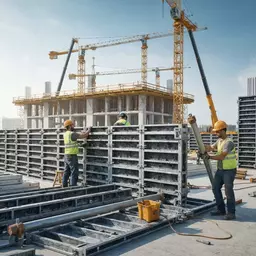
In my experience at Concrete Slab Innovations, I've seen firsthand how aluminum formwork systems revolutionize the way we approach concrete slab construction. These systems are designed for easy assembly and disassembly, allowing workers to quickly set up forms without the cumbersome challenges associated with traditional materials.
What is Aluminum Formwork and How Does It Work?
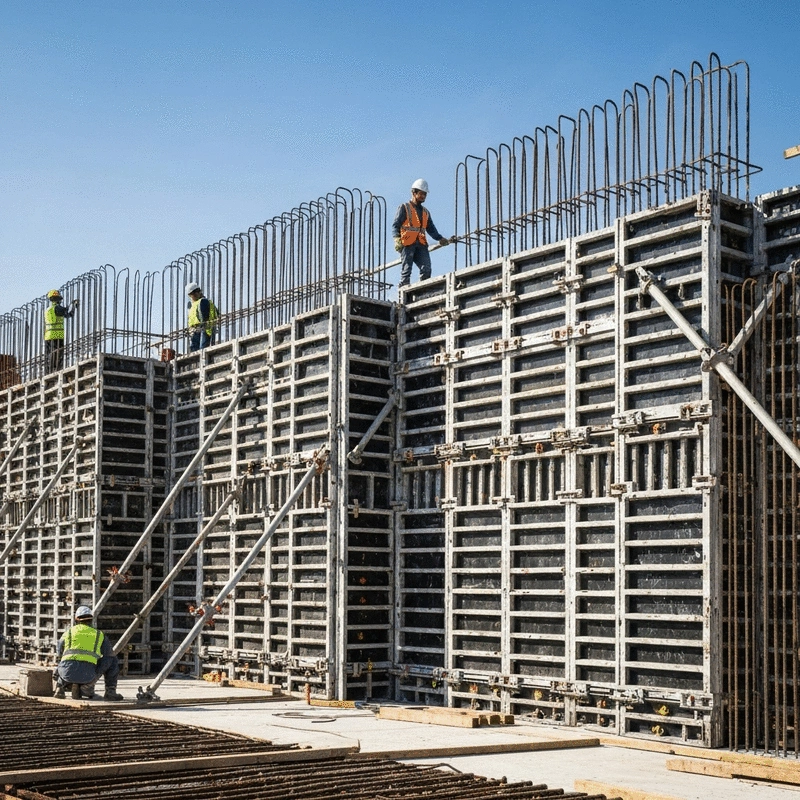
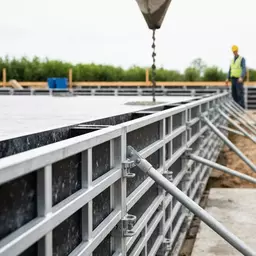
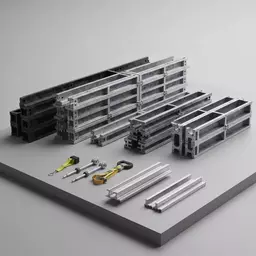
Aluminum formwork consists of pre-engineered panels that are bolted together to create a mold. These panels are remarkably durable and lightweight, making them easy to transport and install. When concrete is poured into the form, it takes the shape of the panels, resulting in smooth, uniform surfaces. The quick assembly process means less downtime and faster project completion—two aspects that are critical in large infrastructure projects!
Durability: Aluminum panels are robust and can withstand high loads, reducing the risk of form failure.
Modularity: The modular design allows for easy adjustments and reconfiguration based on project needs.
Speed: Rapid assembly and disassembly enable teams to move efficiently from one stage to the next.
By utilizing aluminum formwork, contractors can ensure a smoother workflow. This method not only improves the quality of the finished product but also enhances structural integrity, an essential factor in large infrastructure projects.
Key Benefits of Using Aluminum Formwork
The advantages of aluminum formwork extend beyond just efficiency. Here are some key benefits that I've observed in the field:
Cost-Effectiveness: Reduced labor and material costs lead to significant savings over the project's duration.
Eco-Friendly: Aluminum is recyclable, contributing to sustainable building practices and minimizing environmental impact.
These benefits make aluminum formwork a compelling choice for contractors looking to enhance performance in large-scale projects. Imagine the impact on your bottom line when you combine cost efficiency with increased safety—all while maintaining high-quality outputs!
Comparative Analysis of Aluminum Formwork and Other Construction Materials
When comparing aluminum formwork to traditional construction materials, such as wood and plastic, the differences become clear. For instance, while wooden forms may be readily available, they tend to warp and require more maintenance, leading to delays. On the other hand, aluminum formwork boasts a longer lifespan and is less affected by environmental conditions. The National Institute of Standards and Technology provides further insights into aluminum's properties in construction, reinforcing its advantages.
Weight Comparison: Aluminum is significantly lighter than wood, making transportation and setup much easier.
Durability: Aluminum can withstand harsh conditions without degradation, unlike many plastic options.
Reusability: Aluminum forms can be reused multiple times, further enhancing their cost-effectiveness.
In conclusion, the choice of aluminum formwork can dramatically influence the success of large infrastructure projects. With benefits that span from safety improvements to cost savings, it’s clear why this material is gaining traction in the construction industry. Are you ready to explore how aluminum formwork can enhance your next project? Let's dive deeper into its applications in the following sections!
Interactive Poll: Your Experience Matters!
Have you ever used aluminum formwork in your projects? Share your thoughts and experiences with us:
Evaluating the Long-Term Benefits of Aluminum Formwork
When considering the adoption of aluminum formwork in large infrastructure projects, it's essential to look beyond the initial investment. Evaluating the long-term benefits can significantly influence your decision-making process. At Concrete Slab Innovations, we've seen firsthand how these systems can yield substantial advantages over time.
In this section, we will explore three critical aspects: cost-benefit analysis, environmental impact, and material durability. By the end, you'll have a clearer understanding of why investing in aluminum formwork is a savvy choice for any construction professional!
Cost-Benefit Analysis for Large Infrastructure Projects
Conducting a thorough cost-benefit analysis is crucial for any project manager or contractor. Here's what to consider:
**Initial Costs**: While aluminum formwork may present a higher upfront cost compared to traditional materials, the long-term savings are notable.
**Labor Savings**: The rapid assembly and disassembly of aluminum formwork reduce labor hours, leading to significant cost savings over time.
**Reduced Material Waste**: Aluminum formwork systems can be reused multiple times, minimizing waste and associated disposal costs.
The numbers speak for themselves! Many contractors have reported up to a 30% reduction in overall project costs when they switch to aluminum formwork. It’s a win-win!
Environmental Impact and Sustainability Metrics
As we move towards sustainable construction practices, understanding the environmental impact of materials is essential. Aluminum formwork scores high due to:
**Recyclability**: Aluminum can be recycled multiple times without losing its properties, contributing to circular economy principles.
**Lower Carbon Footprint**: The lightweight nature of aluminum reduces the energy needed for transport and installation.
**Sustainable Manufacturing**: Many aluminum suppliers prioritize eco-friendly processes, further minimizing environmental impact.
By choosing aluminum formwork, you’re not just making a smart financial decision, but also a responsible choice for the planet. Wouldn't it be great to be part of a sustainable future?
Assessing Durability of Materials in Long-Term Infrastructure Development
Durability is a key factor when selecting materials for long-term infrastructure. Aluminum formwork is known for its exceptional strength and resilience, which offers several advantages:
**Longevity**: Unlike wood or plastic, aluminum does not warp or degrade over time, ensuring your investment lasts.
**Resistance to Weather**: Aluminum is impervious to moisture and pests, reducing maintenance and replacement costs in the long run.
**Stable Performance**: Consistent performance under high-load conditions minimizes the risk of structural failure.
With aluminum formwork, you’re not only building projects that stand the test of time, but you’re also ensuring structural integrity and safety for future generations.
Recap of Key Points
Here is a quick recap of the important points discussed in the article:
Durability: Aluminum formwork is robust and can withstand high loads, reducing the risk of form failure.
Cost-Effectiveness: It leads to significant savings in labor and material costs over the project duration.
Speed of Assembly: The rapid assembly and disassembly of aluminum formwork allow for efficient project timelines.
Eco-Friendly: Being recyclable, aluminum contributes to sustainable building practices and minimizes environmental impact.
Safety Improvements: The lightweight nature of aluminum reduces physical strain on workers, lowering injury risks.
Long-Term Benefits: Investing in aluminum formwork can yield substantial advantages over time, including reduced material waste and lower maintenance costs.
Frequently Asked Questions About Aluminum Formwork
What is aluminum formwork?
Aluminum formwork is a construction system made from lightweight aluminum panels used to mold concrete into various shapes for walls and slabs. It is designed for quick assembly and disassembly, enhancing efficiency in construction projects.
How does aluminum formwork contribute to cost savings?
Aluminum formwork contributes to cost savings by reducing labor hours due to its rapid assembly and disassembly. It also minimizes material waste as the panels are reusable, leading to lower disposal costs. Some contractors report up to a 30% reduction in overall project costs.
Is aluminum formwork environmentally friendly?
Yes, aluminum formwork is eco-friendly. Aluminum is highly recyclable and can be reused multiple times without losing its properties, aligning with circular economy principles. Its lightweight nature also reduces the energy required for transport and installation, lowering the carbon footprint of projects.
How does aluminum formwork improve site safety?
Aluminum formwork improves site safety by being lightweight, which reduces physical strain on workers during assembly and disassembly. This minimizes the risk of injuries associated with handling heavy materials, contributing to safer working conditions.
What are the durability benefits of aluminum formwork compared to traditional materials?
Aluminum formwork offers superior durability compared to traditional materials like wood and plastic. Unlike wood, it does not warp or degrade over time, and it is impervious to moisture and pests. It also provides stable performance under high-load conditions, ensuring long-term structural integrity and reducing maintenance needs.
Aidan Cromwell
Aidan Cromwell is a seasoned construction professional and industry expert with a passion for innovative building solutions. With extensive experience in concrete slab construction and a deep understanding of modular formwork systems, Aidan strives to educate and empower contractors, engineers, and project managers. His insights are grounded in practical knowledge and a commitment to advancing construction efficiency and safety.
Concrete Slab Innovations is dedicated to advancing concrete slab construction through innovative aluminum formwork systems. Our mission is to provide contractors, engineers, and project managers with cutting-edge methods for safe and precise slab support.
Optimize your concrete slab projects by integrating modular aluminum formwork. Its lightweight design significantly cuts down on labor and setup time!
Enhance project efficiency by understanding the high-load capacity of modern aluminum systems. This ensures structural integrity and faster pour cycles!
Reduce material costs and waste by choosing reusable aluminum formwork. A sustainable choice that also boosts your bottom line!
Prioritize job site safety with robust aluminum formwork. Its stable design minimizes risks during the critical concrete pouring phase.
Streamline your project timelines. Modular aluminum formwork allows for quicker assembly and dismantling, speeding up overall construction.
Achieve consistent slab quality through precise formwork alignment. High-quality systems ensure accurate dimensions and a superior finish.
Educate your team on the benefits of innovative formwork. A knowledgeable crew is crucial for maximizing efficiency and safety.
Explore case studies of successful projects utilizing advanced formwork. Learn from real-world applications to inform your next build.
Consider the long-term economic advantages of investing in quality formwork systems. Durability means less replacement and better ROI.
Implement rigorous quality control checks during formwork setup. Precision at this stage prevents costly rework later.
Stay updated on the latest advancements in concrete technology and formwork. Continuous learning keeps your projects cutting-edge.
Consult with formwork specialists to tailor solutions to your specific project needs. Custom approaches yield optimized results.
Document your formwork processes for consistency and training. Standardized procedures improve efficiency and reduce errors.
Regular maintenance of your formwork equipment extends its lifespan and ensures reliable performance on every job.
Ready to elevate your concrete slab projects? Dive into our resources to discover how innovative formwork can transform your construction practices!