⚙️
Precision Engineering Practices
Advanced Measurement Techniques
Laser Technology & Digital ToolsMaterial Quality Control
Regular Concrete Mix TestingContinuous Monitoring
Sensors for Curing ConditionsConsider this: implementing precision engineering in concrete slab construction can significantly reduce costly rework and enhance overall project efficiency. Are you ready to take your construction projects to the next level?
Understanding the critical aspects that set apart precision engineering in concrete slab pouring, especially with aluminum formwork, is crucial for optimal project outcomes. Below is a comparison of traditional methods versus advanced techniques and their impact.
Advanced Measurement Techniques
Laser Technology & Digital ToolsMaterial Quality Control
Regular Concrete Mix TestingContinuous Monitoring
Sensors for Curing ConditionsThorough Planning
Anticipate ChallengesQuality Material Selection
High-Quality MixesSkilled Labor
Trained Workers & Best PracticesWhen we talk about precision engineering in the context of concrete slab pouring, we're diving into the intricacies that ensure every project meets strict quality standards. It’s about achieving exceptional accuracy and consistency, which ultimately translates into a structurally sound foundation. At Concrete Slab Innovations, we recognize that mastering this concept can significantly enhance project outcomes, reduce rework, and save costs—key factors that every contractor, engineer, and project manager should prioritize.
Precision engineering involves meticulous planning and execution, which is especially critical during concrete slab pouring. By focusing on precision, we can minimize errors that lead to costly defects. This approach has become a cornerstone of our mission to transform concrete slab construction, ensuring that each project we engage with embodies excellence from start to finish.
So, what exactly does precision engineering mean in construction? It refers to a set of practices and methodologies aimed at achieving the highest levels of accuracy in building processes. This encompasses everything from using advanced technology to implement precise measurements to ensuring that all materials are of consistent quality. When it comes to concrete slabs, precision is vital because even minor discrepancies can lead to substantial structural issues down the line. For further insights into the principles of precision, you can refer to resources on precision engineering.
By embracing these strategies, we can secure reliable results and foster trust among stakeholders. Ensuring that we adhere to precision engineering principles ultimately leads to better project outcomes and client satisfaction.
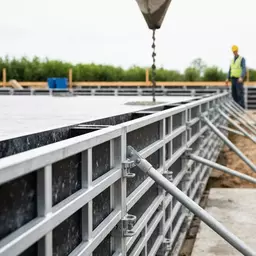
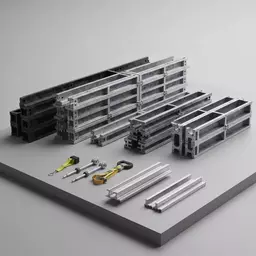
Incorporating aluminum formwork systems significantly enhances our ability to achieve precision in concrete slab construction. Unlike traditional methods, aluminum formwork provides a lightweight yet robust framework that minimizes the likelihood of errors during the pouring process. This is particularly advantageous in high-rise building construction, where the challenges of weight and stability come into play.
Moreover, the uniformity of aluminum formwork results in a smoother surface finish, which is essential for aesthetic appeal and functional integrity. By integrating aluminum formwork systems into our construction practices, we’re not just enhancing efficiency—we’re also paving the way for future innovations in concrete slab construction.
While we strive for excellence, it’s essential to recognize the common challenges that can arise during concrete slab construction. Identifying these issues early on can save significant time and resources, helping us maintain our commitment to quality.
Concrete slab construction is not without its pitfalls. Common defects such as honeycombing, cracking, and segregation can compromise structural integrity. These issues not only impact the safety of a project but can also lead to increased costs due to repairs and delays. Understanding the design principles of concrete structures, as detailed in resources like "Design of Concrete Structures," can help in preventing such issues.
By understanding these defects, we can implement better quality controls and preventive measures in our projects. It’s crucial that we remain vigilant and proactive in addressing these challenges to uphold our standards of excellence.
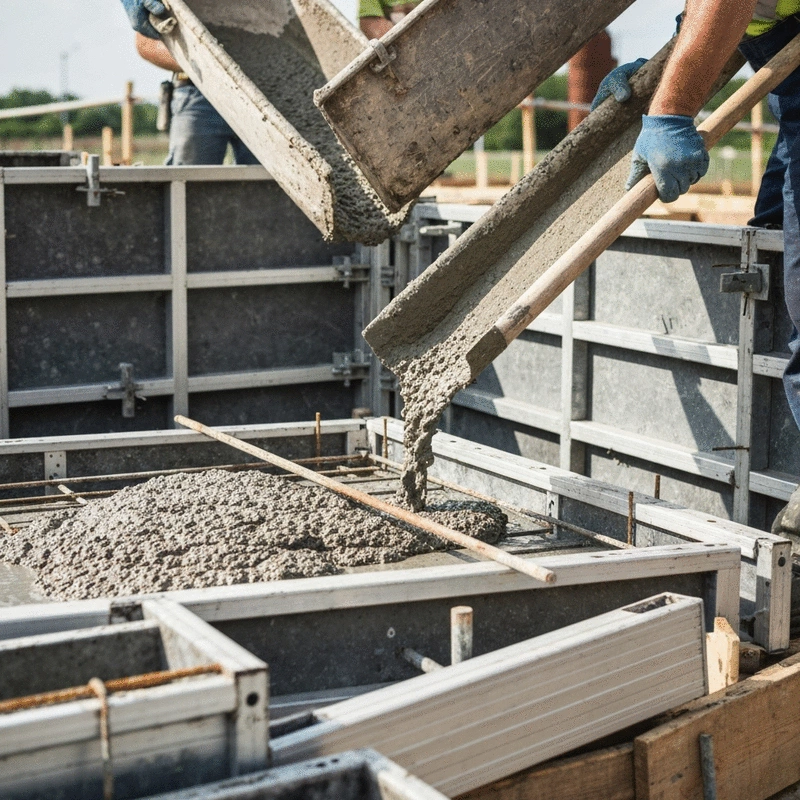
Preventing defects during the pouring process is key to achieving high-quality concrete casting. Here are some effective strategies we've adopted at Concrete Slab Innovations:
By implementing these techniques, we can minimize the risk of defects and ensure that our concrete slabs meet the highest standards of quality and safety. It’s about building a solid foundation—literally and figuratively—for our future projects.
When considering aluminum formwork for your next project, take the time to conduct a thorough cost-benefit analysis. Factor in not just the initial investment but also the long-term savings from reduced labor costs and minimized material waste. This will help you make a more informed decision that aligns with both your budget and project goals.
When it comes to precision engineering in concrete slab pouring, understanding the context is key. Different project types such as residential, commercial, and ultra-high-rise buildings each come with unique challenges and requirements. For instance, in residential construction, the focus may be on aesthetic finishes and speed, while commercial projects often prioritize budget constraints and functionality. Meanwhile, ultra-high-rise buildings demand meticulous attention to detail and advanced engineering solutions to ensure safety and structural integrity.
As a professional with years of experience in the field, I have seen firsthand how the application of aluminum formwork systems can vary significantly based on project type. Different construction environments require tailored approaches, which can lead to more efficient processes and better outcomes.
Understanding how aluminum formwork adapts to these various environments empowers contractors to choose the best solutions tailored to project needs. By leveraging the advantages of aluminum systems, we can achieve not only efficiency but also superior structural integrity across all types of projects.
Every project presents its unique set of challenges, especially when integrating new systems like aluminum formwork. I have encountered various pitfalls over the years that can provide valuable lessons for future implementations. For example, inadequate training on aluminum formwork assembly can lead to misaligned pours, resulting in costly corrections. General guidance on structural concrete construction is provided by the California Department of Transportation, which can help inform best practices.
By sharing these experiences, I hope to provide insights that can help contractors avoid similar issues and enhance their project outcomes.
As we consider the sustainability of construction practices, it’s crucial to analyze the materials used in aluminum formwork systems. Aluminum is not only lightweight but also highly recyclable, which significantly reduces its environmental footprint when compared to traditional concrete forms. Using aluminum can lead to fewer resources needed for transportation and setup, further minimizing carbon emissions.
Incorporating these sustainable practices not only aligns with modern environmental standards but can also enhance the reputation of any contractor committed to responsible building practices.
As we look to the future of construction, the integration of aluminum formwork systems represents a significant opportunity for improving efficiency and quality. I encourage you to explore how these systems can transform your projects, starting with interactive tools that can help you evaluate the cost-benefit ratio of adopting aluminum formwork in your work.
There are several resources available that can assist contractors in understanding the financial implications of aluminum formwork. Tools like ROI calculators can provide clarity on potential savings and labor reductions based on individual project parameters. By analyzing these metrics, we can make well-informed decisions that align with our business goals.
In summary, aluminum formwork systems offer immense benefits in terms of precision engineering and project efficiency. By embracing these innovative solutions, contractors can not only enhance quality but also improve profitability.
Ready to take your concrete slab construction to the next level? I invite you to explore aluminum formwork solutions and delve into case studies that demonstrate their practical applications. Together, let’s navigate the path toward maximizing efficiency and achieving outstanding project outcomes!
Here is a quick recap of the important points discussed in the article:
Aidan Cromwell is a seasoned construction professional and industry expert with a passion for innovative building solutions. With extensive experience in concrete slab construction and a deep understanding of modular formwork systems, Aidan strives to educate and empower contractors, engineers, and project managers. His insights are grounded in practical knowledge and a commitment to advancing construction efficiency and safety.