Efficient Formwork Layouts for Slabs
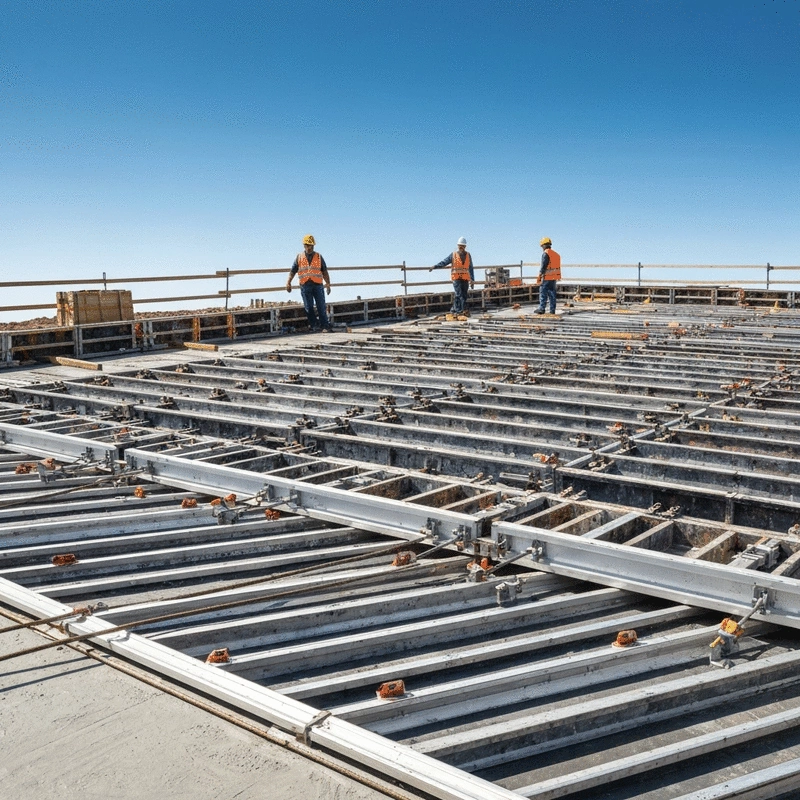
Ever wondered how a shift in materials can drastically change project timelines? The choice of formwork in concrete slab construction can either propel your project forward or hold it back. By embracing aluminum formwork systems, you're not just keeping up with modern construction—you're setting new benchmarks for efficiency and quality.
What You Will Learn
- Aluminum formwork significantly enhances construction speed by reducing setup and disassembly times.
- The lightweight nature of aluminum minimizes labor requirements, allowing fewer workers to manage the formwork effectively.
- Using aluminum formwork achieves millimeter-level accuracy, ensuring high-quality finishes and reducing rework.
- Aluminum systems are durable and reusable, contributing to sustainability while reducing overall project costs.
- Implementing optimized layouts and load distribution techniques with aluminum enhances structural integrity in slab construction.
Comparing Formwork Systems for Slab Construction
This visual highlights the key differences and advantages of Aluminum Formwork over Traditional Formwork Systems in terms of efficiency, speed, and precision.
Aluminum Formwork
-
✓
Enhanced Speed: Faster assembly and disassembly.
-
✓
Reduced Labor: Lightweight nature requires fewer workers.
-
✓
Millimeter Accuracy: High precision, minimizes post-casting corrections.
-
✓
Reusable & Durable: Cost-effective and sustainable.
Faster Cycle Times
Traditional Formwork
-
✗
Slower Setup: More time-consuming assembly.
-
✗
Higher Labor: Requires more workers due to weight/complexity.
-
✗
Less Precision: Often leads to more post-casting corrections.
-
✗
Higher Waste: Less reusable, higher material consumption.
Slower Project Timelines
Understanding the Impact of Aluminum Formwork on Slab Construction Speed
When we talk about modern concrete slab construction, the choice of formwork plays a crucial role in determining project timelines. Have you considered how aluminum formwork can significantly enhance your slab construction speed? With the right systems in place, you can expect not only a faster build but also improved efficiency throughout the process.
At Concrete Slab Innovations, we advocate for the adoption of aluminum systems because they simplify workflows, allowing you to pour slabs more quickly. Imagine reducing your cycle times and completing projects ahead of schedule—it's a game changer!
Key Advantages of Using Aluminum Formwork
Switching to aluminum formwork offers several key advantages that can streamline your construction processes. Let’s break down some of the most impactful benefits:
- Enhanced Speed: Aluminum formwork can be assembled and disassembled much faster than traditional options, significantly cutting down on setup time.
- Weight Efficiency: The lightweight nature of aluminum allows fewer workers to manage the formwork, reducing labor requirements.
- Improved Durability: Aluminum forms can withstand higher loads and repeated use, making them a cost-effective choice in the long run.
- Environmental Benefits: Their reusability results in less waste, contributing positively to sustainability efforts on site.
These advantages lead to reduced slab cycle times, allowing you to take on more projects without sacrificing quality.
Enhanced Speed and Reduced Slab Cycle Times
One of the most apparent benefits of aluminum formwork is the enhanced speed at which slabs can be poured. This system allows for quicker assembly and reduces the overall cycle time of slab construction. By minimizing the time spent on setting up and taking down formwork, your crews can focus on more critical tasks, ultimately enhancing overall project productivity. For further insights into optimizing construction processes, you can refer to this study on optimizing construction processes in high-rise buildings.
Have you ever faced delays from formwork being cumbersome or difficult to manage? Switching to lightweight aluminum systems can help alleviate those frustrations and streamline your workflow!
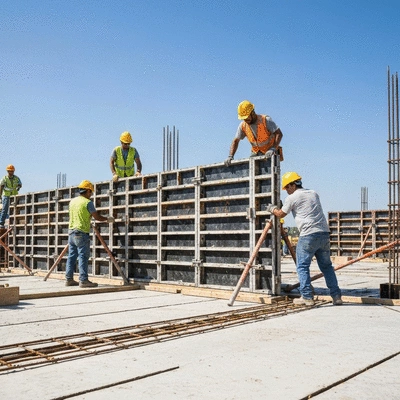
Comparative Efficiency: Aluminum vs. Traditional Formwork Systems
When comparing aluminum to traditional formwork systems, the differences are striking. Traditional systems often require more materials and labor to achieve the same results. In contrast, aluminum’s modular design allows for faster setup and fewer materials used, translating to lower costs and quicker turnaround times for your projects. Research highlights the significant impact of lightweight materials on construction efficiency, as detailed in this study on lightweight material applications in construction.
- Setup Time: Aluminum formwork can be set up in a fraction of the time it takes traditional methods.
- Labor Requirements: Fewer workers are needed to manage aluminum due to its lightweight nature.
- Transport and Storage: Aluminum forms take up less space and are easier to transport, saving money on logistics.
This efficiency means you'll not only save time but also increase your project's profitability.
Precision and Quality in Slab Construction
Aside from speed, precision is vital in slab construction. Aluminum formwork is designed to achieve millimeter-level accuracy, which is crucial for structural integrity and overall quality.
By utilizing these systems, you ensure that your slabs are poured with exceptional accuracy, reducing the need for costly rework after casting.
Achieving Millimeter-Level Accuracy with Aluminum Formwork
With aluminum formwork, achieving precision in your slabs becomes much easier. The design allows for a tighter fit and more controlled pouring, ensuring that each slab meets the specified requirements without deviation. For more information on precise construction methodologies, explore this analysis of formwork systems.
Imagine the satisfaction of completing a project where everything just fits perfectly! With aluminum systems, that’s not just a vision; it can be your reality.
Reducing Post-Casting Corrections for Better Finish Quality
One of the significant advantages of using aluminum formwork is the reduction in post-casting corrections. Traditional systems often lead to imperfections that require additional work to fix. However, with aluminum's ability to maintain shape and integrity during the pouring process, you’ll see fewer issues that necessitate corrections.
- Less Rework: Fewer errors mean less time spent on fixes.
- Higher Quality Finish: Achieving a consistent finish is much easier.
- Streamlined Workflow: Reduced need for corrections leads to a smoother project flow.
Ultimately, this means happier clients and greater success for your business!
Understanding the Role of High-Strength Aluminum in Formwork Performance
High-strength aluminum is the backbone of effective formwork systems. It allows for both lightweight construction and high load-bearing capacity, ensuring that your slabs are supported adequately during the curing process.
In my experience, using high-quality aluminum formwork has always resulted in projects that not only meet deadlines but also exceed client expectations. Are you ready to explore the benefits of aluminum formwork for your next project?
Frequently Asked Questions About Aluminum Formwork
Q: How does aluminum formwork improve construction speed?
A: Aluminum formwork significantly improves construction speed due to its lightweight nature, which allows for faster assembly and disassembly. This reduces the overall cycle time of slab construction, enabling quicker project completion.
Q: What are the labor benefits of using aluminum formwork?
A: The lightweight nature and modular design of aluminum formwork reduce labor requirements. Fewer workers are needed to manage and install the formwork compared to traditional systems, leading to cost savings and increased efficiency.
Q: Can aluminum formwork achieve high precision in slab construction?
A: Yes, aluminum formwork is designed for millimeter-level accuracy. Its precise design ensures a tighter fit and controlled pouring, which minimizes deviations and the need for post-casting corrections, resulting in a higher quality finish.
Q: Is aluminum formwork a sustainable option?
A: Absolutely. Aluminum formwork is highly reusable and durable, which contributes to less waste on construction sites. This reusability makes it a more sustainable and environmentally friendly choice compared to traditional formwork materials.
Q: How does aluminum formwork contribute to cost savings?
A: Aluminum formwork contributes to cost savings through reduced labor requirements, faster project completion times, and its reusability. The minimized need for post-casting corrections also saves on rework costs, enhancing overall project profitability.
Interactive Poll: Your Experience with Aluminum Formwork
Have you utilized aluminum formwork in your projects? We'd love to hear your thoughts! How has it impacted your construction process?
Summarizing Key Insights on Optimizing Formwork for Faster Slab Construction
As we wrap up our discussion on optimizing aluminum formwork for enhanced slab construction speed, it's important to reflect on the key insights we've explored. The advantages of aluminum formwork are clear—it significantly boosts efficiency, ensures precision, and minimizes labor costs. By employing strategic optimization techniques, we can achieve remarkable improvements in project timelines and overall quality.
Here’s a quick recap of the benefits and strategies we've covered:
- Enhanced Speed: Aluminum formwork reduces slab cycle times dramatically.
- Improved Accuracy: Achieving millimeter-level precision leads to higher quality finishes.
- Reusable Systems: The long-term cost efficiency of aluminum formwork systems cannot be overlooked.
- Optimized Layouts: Effective sequencing and load distribution techniques strengthen structural integrity.
Implementing these strategies will not only transform your construction practices but also position you ahead of the competition in the ever-evolving landscape of concrete slab construction.

Encouragement to Implement Learnings for Improved Project Outcomes
At Concrete Slab Innovations, we believe that the transition to aluminum formwork systems is not just beneficial but essential for modern construction. I encourage you to actively apply the insights gained from our discussions. Whether you're a contractor, engineer, or project manager, integrating these methodologies into your workflow can lead to enhanced project outcomes.
Consider how your projects could benefit from faster completion times and reduced costs. By embracing innovation, you're not just improving your efficiency; you're also contributing to a shift towards more sustainable construction practices. Let's make those improvements a reality for your next project!
Invitation for Further Engagement and Learning
Next Steps: Exploring Case Studies and Real-World Applications
If you're interested in seeing how these concepts play out in real-world scenarios, I invite you to explore our detailed case studies available on our website. These resources showcase the success stories of contractors who have implemented aluminum formwork with remarkable results. You'll find valuable insights into the practical applications of the strategies we discussed.
Join the Discussion: Share Your Experiences with Aluminum Formwork
We'd love to hear from you! Have you recently adopted aluminum formwork in your projects? How did it impact your construction process? Join the conversation by sharing your experiences. Your insights could help others in the industry navigate their own challenges with formwork optimization.
Exploring Industry Standards and Innovations in Construction Techniques
As part of our commitment to continuous improvement, it’s vital to stay updated on industry standards and emerging innovations. At Concrete Slab Innovations, we are dedicated to providing you with the latest information on construction techniques that enhance safety and efficiency. Keep an eye on our blog for updates on new technologies, best practices, and expert opinions in the field!
Recap of Key Points
Here is a quick recap of the important points discussed in the article:
- Enhanced Speed: Aluminum formwork significantly reduces slab cycle times.
- Improved Accuracy: Achieving millimeter-level precision ensures higher quality finishes.
- Reusable Systems: Long-term cost efficiency and sustainability are key benefits of aluminum formwork.
- Optimized Layouts: Effective sequencing and load distribution techniques enhance structural integrity.

Aidan Cromwell
Aidan Cromwell is a seasoned construction professional and industry expert with a passion for innovative building solutions. With extensive experience in concrete slab construction and a deep understanding of modular formwork systems, Aidan strives to educate and empower contractors, engineers, and project managers. His insights are grounded in practical knowledge and a commitment to advancing construction efficiency and safety.
Popular Posts
Aluminum Formwork and Carbon Reduction
![Aluminum Formwork and Carbon Reduction]() What if the way we build could significantly impact our planet's future? Embracing aluminum formwork
What if the way we build could significantly impact our planet's future? Embracing aluminum formwork
 What if the way we build could significantly impact our planet's future? Embracing aluminum formwork
Aluminum Formwork: Storage and Transport
![Aluminum Formwork: Storage and Transport]() What if the longevity of your aluminum formwork could be dramatically increased just by changing how
What if the longevity of your aluminum formwork could be dramatically increased just by changing how
 What if the longevity of your aluminum formwork could be dramatically increased just by changing how
Train Your Crew for Efficient Assembly
![Train Your Crew for Efficient Assembly]() Investing in training can transform your construction project outcomes. With proper techniques and k
Investing in training can transform your construction project outcomes. With proper techniques and k
 Investing in training can transform your construction project outcomes. With proper techniques and k
Aluminum Formwork Load Engineering Guidelines
![Aluminum Formwork Load Engineering Guidelines]() Consider this: a single miscalculation in load engineering can lead to structural failures and finan
Consider this: a single miscalculation in load engineering can lead to structural failures and finan
 Consider this: a single miscalculation in load engineering can lead to structural failures and finan
