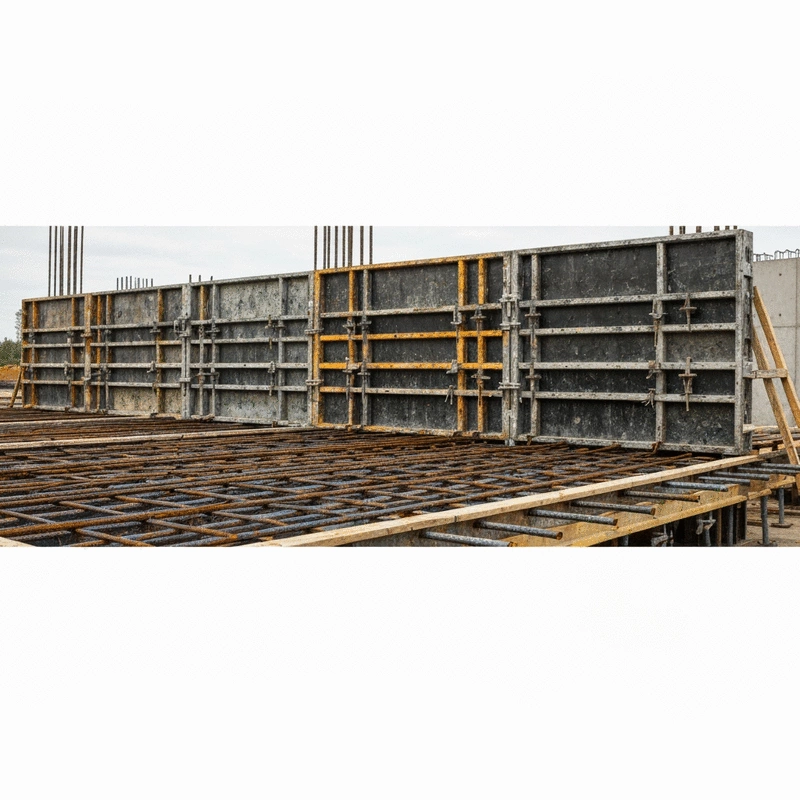
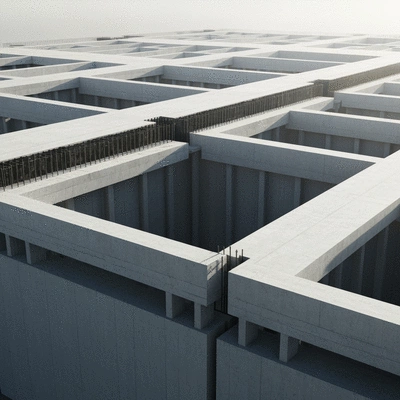
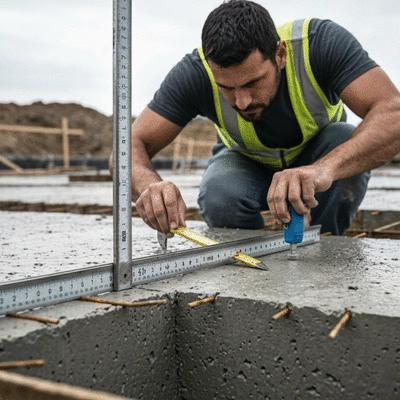
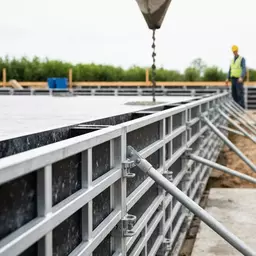
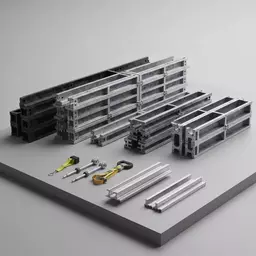
In the world of construction, a strong foundation isn't just a metaphor; it’s a necessity. Consider how much weight a concrete slab must bear; the right support systems make all the difference in durability and safety. Understanding these systems can empower you to make informed decisions that enhance your projects.
What You Will Learn
Types Matter: The choice between beams, piers, and void forms can significantly impact your construction process and final outcome.
Design Principles: Understanding post-tensioning and load distribution is essential for effective slab design and performance.
Installation is Key: Proper installation techniques are critical for ensuring that support systems function as intended.
Maintenance Plan: Long-term maintenance is necessary to avoid costly repairs and ensure the durability of the slab support.
Essential Components of Concrete Slab Support Systems
Understanding the key elements and their roles in ensuring structural integrity and durability.
Defining Support Elements
Structural components that bear the load of a concrete slab, distributing weight evenly to prevent failure.
Support beams: Horizontal load bearers.
Piers: Vertical weight transfer to ground.
Void forms: Create spaces for drainage/insulation.
Types of Slab Support Systems
Various systems tailored for different conditions and structural demands.
Reinforced Concrete Beams: For heavy loads.
Pier and Beam Foundations: Elevated structures.
Concrete Slab on Grade: Direct ground pour.
Foundation Systems & Role
Critical for overall slab support, varying by soil and building use.
Shallow Foundations: For lighter structures, near surface.
Deep Foundations: For heavier buildings, stable soil.
Mat Foundations: Thick slab, even load distribution.
Design Principles
Techniques and calculations essential for enhanced performance and safety.
Post-Tensioning: Reduces cracking, longer spans.
Engineering Calculations: Assess load capacity.
Load Distribution: Critical for structural integrity.
Understanding Concrete Slab Support Systems
When we talk about concrete slab support systems, we're diving into a crucial aspect of construction that can significantly impact the structural integrity of a building. A solid understanding of these systems is essential for contractors, engineers, and project managers alike. Not only do they provide foundational support, but they also ensure safety and durability for the structures we build.
At Concrete Slab Innovations, I believe that grasping these fundamentals can lead to more informed decisions in the field. This section will cover the definition, types, and foundation systems related to concrete slab support, giving you a well-rounded view of their importance in construction.
Defining Concrete Slab Support Systems
Concrete slab support systems are structural elements designed to bear the load of a concrete slab. These systems distribute weight evenly across the foundation, preventing potential failures that could arise from uneven load distribution. They come in various forms and are essential for the stability of any building.
Support beams: Horizontal elements that bear loads from above.
Piers: Vertical supports that transfer weight to the ground.
Void forms: Lightweight materials used to create spaces beneath slabs, often for drainage or insulation.
Understanding these definitions helps clarify their roles in construction. It’s like laying the groundwork for a successful project, ensuring that every slab poured has the right support behind it. For more detailed insights into effective slab support, refer to resources like the WBDG Floor Slabs for DOD Facilities guide, which offers comprehensive guidelines on structural integrity.
Types of Concrete Slab Support Systems
There are several types of concrete slab support systems, each suited for different conditions and requirements. Here’s a closer look at some of the most common types:
Reinforced Concrete Beams: These beams are typically made of steel-reinforced concrete to handle heavy loads.
Pier and Beam Foundations: This system elevates the structure off the ground, allowing for ventilation and reducing moisture issues.
Concrete Slab on Grade: A common method where a slab is poured directly on the ground, providing a solid foundation for many buildings.
Each of these systems has its own advantages and can be chosen based on the specific needs of a project. As someone who's spent years in the field, I can attest to the importance of selecting the right support system to promote both safety and efficiency.
Foundation Systems and Their Role in Slab Support
The foundation system plays a critical role in the overall effectiveness of concrete slab support. Foundations can vary widely depending on soil conditions, climate, and the building's intended use. Here’s a breakdown of common foundation types:
Shallow Foundations: Suitable for lighter structures, these are typically placed close to the surface.
Deep Foundations: Used for heavier buildings, they extend deep into the ground to reach stable soil layers.
Mat Foundations: A thick slab covering a large area, distributing loads from the structure evenly.
Understanding how these foundation systems interact with concrete slabs is vital for ensuring structural integrity. The right foundation not only supports the slab but also reinforces the building’s overall stability, which is something we prioritize at Concrete Slab Innovations. Further guidance on concrete pavement and slab foundations can be found in publications like FHWA's Concrete Pavement Foundation Design guide.
Design Principles Behind Concrete Slab Support
The Science of Post-Tensioning in Slab Support
Post-tensioning is a technique used to enhance the performance of concrete slabs. It involves the use of high-strength steel tendons that are tensioned after the concrete is cast. This process helps manage loads effectively, reducing the risk of cracking and deflection.
With post-tensioned slabs, you can achieve longer spans and reduce the amount of materials required, making it a cost-effective solution for many projects. Are you considering this method for your next construction project? It’s worth exploring!
Engineering Calculations for Slab Load Analysis
Accurate engineering calculations are critical for assessing the load capacity of concrete slabs. Understanding how to select appropriate support systems based on these calculations ensures that your project meets safety standards. Here’s a simple guide to get started:
Calculate the total load, including both dead and live loads.
Determine the slab thickness based on material selection and loading requirements.
Select support systems that can handle the calculated loads effectively.
By following these steps, you can confidently choose the right support system for your concrete slabs, enhancing both performance and safety. This expertise is at the core of what we do at Concrete Slab Innovations. Ensuring proper installation and safety during this process is also paramount, as highlighted in guides like the SAIA Guide to Safety Procedures for Vertical Concrete Formwork.
Understanding Load Distribution and Shear Transfer in Slabs
Load distribution is a critical factor in slab performance. When designing concrete slabs, understanding how loads transfer through the slab to the support systems is vital. This aspect affects everything from structural integrity to durability.
Shear transfer mechanisms ensure that loads are safely transmitted through the slab to the supports below. A well-designed slab will handle dynamic loads effectively, preventing potential failures. This knowledge is essential for any contractor looking to improve their construction practices.
Pro Tip
When selecting a concrete slab support system, always consider the specific soil conditions at your site. Soil stability and strength can vary greatly, and understanding these factors can help you choose a foundation that minimizes risks of settlement and structural failure. Performing thorough soil testing before commencing construction is a valuable step that can save time and costs in the long run.
Frequently Asked Questions About Concrete Slab Support Systems
What are the essential components of concrete slab support systems?
The essential components include support beams (horizontal load bearers), piers (vertical weight transfer to the ground), and void forms (creating spaces for drainage/insulation beneath slabs).
What are the main types of concrete slab support systems?
Common types include Reinforced Concrete Beams (for heavy loads), Pier and Beam Foundations (for elevated structures), and Concrete Slab on Grade (poured directly on the ground).
Why are foundation systems critical for concrete slab support?
Foundation systems determine the overall effectiveness of slab support by interacting with the slab to distribute loads and ensure structural integrity. The choice depends on soil conditions, climate, and building use, ranging from shallow to deep or mat foundations.
How does post-tensioning improve concrete slabs?
Post-tensioning enhances slab performance by using high-strength steel tendons tensioned after concrete is cast. This technique reduces cracking, deflection, allows for longer spans, and can be a cost-effective solution by reducing material requirements.
What role do engineering calculations play in slab design?
Engineering calculations are crucial for assessing the load capacity of concrete slabs. They help determine appropriate support systems, slab thickness, and ensure the project meets safety standards by accurately accounting for dead and live loads.
Key Takeaways on Concrete Slab Support Systems
When it comes to concrete slab support systems, understanding their importance and functionality is crucial for any construction project. These systems provide the necessary support for slabs, ensuring stability and performance throughout the lifespan of a structure. By implementing the right support system, you only enhance the safety of your project but also improve its overall efficiency and cost-effectiveness.
Here are the key points to remember regarding concrete slab support systems:
Types Matter: The choice between beams, piers, and void forms can significantly impact your construction process and final outcome.
Design Principles: Understanding post-tensioning and load distribution is essential for effective slab design and performance.
Installation is Key: Proper installation techniques are critical for ensuring that support systems function as intended.
Maintenance Plan: Long-term maintenance is necessary to avoid costly repairs and ensure the durability of the slab support.
In summary, a well-designed concrete slab support system is a foundation for success in any construction project. By focusing on these essential aspects, you can make informed decisions that lead to stronger and more efficient builds.
Engaging with Concrete Experts and Services
Are you ready to take your concrete projects to the next level? Connecting with professionals who specialize in concrete slab support systems can be a game-changer! At Concrete Slab Innovations, we empower contractors, engineers, and project managers with the knowledge and tools they need for effective slab analysis and support.
Here are a few ways you can engage with experts in the field:
Consultation Services: Seek personalized advice tailored to your specific project needs.
Workshops and Training: Attend sessions to deepen your understanding of modern slab support techniques.
Networking Opportunities: Join industry events to connect with other professionals and share best practices.
Remember, making informed decisions in construction is vital! So, why not reach out and explore how expert insights can lead to better project outcomes? Let’s work together to elevate your concrete construction practices!
Recap of Key Points
Here is a quick recap of the important points discussed in the article:
Types Matter: The choice between beams, piers, and void forms can significantly impact your construction process and final outcome.
Design Principles: Understanding post-tensioning and load distribution is essential for effective slab design and performance.
Installation is Key: Proper installation techniques are critical for ensuring that support systems function as intended.
Maintenance Plan: Long-term maintenance is necessary to avoid costly repairs and ensure the durability of the slab support.
Aidan Cromwell
Aidan Cromwell is a seasoned construction professional and industry expert with a passion for innovative building solutions. With extensive experience in concrete slab construction and a deep understanding of modular formwork systems, Aidan strives to educate and empower contractors, engineers, and project managers. His insights are grounded in practical knowledge and a commitment to advancing construction efficiency and safety.
Concrete Slab Innovations is dedicated to advancing concrete slab construction through innovative aluminum formwork systems. Our mission is to provide contractors, engineers, and project managers with cutting-edge methods for safe and precise slab support.
Optimize your concrete slab projects by integrating modular aluminum formwork. Its lightweight design significantly cuts down on labor and setup time!
Enhance project efficiency by understanding the high-load capacity of modern aluminum systems. This ensures structural integrity and faster pour cycles!
Reduce material costs and waste by choosing reusable aluminum formwork. A sustainable choice that also boosts your bottom line!
Prioritize job site safety with robust aluminum formwork. Its stable design minimizes risks during the critical concrete pouring phase.
Streamline your project timelines. Modular aluminum formwork allows for quicker assembly and dismantling, speeding up overall construction.
Achieve consistent slab quality through precise formwork alignment. High-quality systems ensure accurate dimensions and a superior finish.
Educate your team on the benefits of innovative formwork. A knowledgeable crew is crucial for maximizing efficiency and safety.
Explore case studies of successful projects utilizing advanced formwork. Learn from real-world applications to inform your next build.
Consider the long-term economic advantages of investing in quality formwork systems. Durability means less replacement and better ROI.
Implement rigorous quality control checks during formwork setup. Precision at this stage prevents costly rework later.
Stay updated on the latest advancements in concrete technology and formwork. Continuous learning keeps your projects cutting-edge.
Consult with formwork specialists to tailor solutions to your specific project needs. Custom approaches yield optimized results.
Document your formwork processes for consistency and training. Standardized procedures improve efficiency and reduce errors.
Regular maintenance of your formwork equipment extends its lifespan and ensures reliable performance on every job.
Ready to elevate your concrete slab projects? Dive into our resources to discover how innovative formwork can transform your construction practices!