Designing Load-Bearing Aluminum Formwork
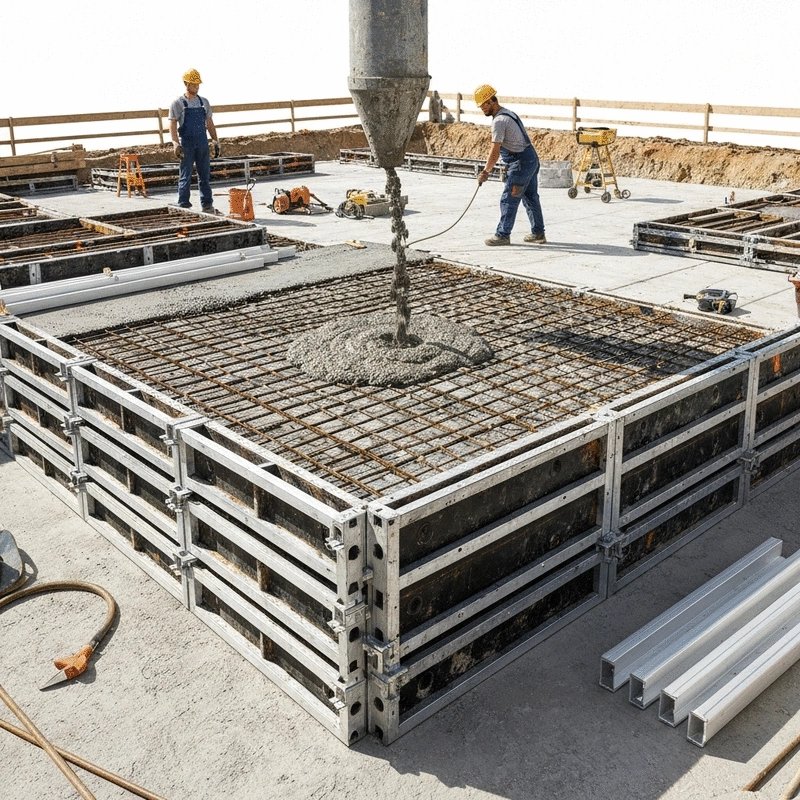
What if a single innovation could streamline your construction project and enhance quality? Aluminum formwork systems are transforming how we approach concrete slab construction. Let's delve into the key insights that can revolutionize your work.
What You Will Learn
- Aluminum formwork provides significant cost savings through reduced transportation and labor expenses.
- The durability of aluminum ensures it maintains integrity over multiple uses, unlike traditional materials.
- With faster installation, aluminum formwork accelerates project timelines, enabling more jobs in less time.
- Aluminum's sustainability features contribute to eco-friendly construction practices due to its recyclability.
- Ideal for high-rise buildings, aluminum formwork supports robust construction while minimizing weight.
- Proper alignment and leveling during installation are crucial for the integrity of the final slab.
- Engaging with local building codes ensures compliance when designing aluminum formwork systems.
Benefits and Applications of Aluminum Formwork
This visual summarizes the key benefits and primary applications of aluminum formwork in concrete slab construction.
Key Benefits
- • Cost Savings: Reduced transportation & labor.
- • Durability: Maintains integrity over multiple uses.
- • Speed of Installation: Faster project timelines.
- • Sustainability: Recyclable material.
Primary Applications
- High-rise Buildings: Floors & walls in tall structures.
- • Residential Complexes: Quicker builds, reduced costs.
- • Commercial Spaces: High standards for public buildings.
Key Considerations
- • Alignment & Leveling: Prevents integrity issues.
- • Hydration Control: Maximizes concrete strength.
- • Safety Measures: Crucial during setup & pouring.
Formwork Maintenance
- • Clean Regularly: Remove residue after each use.
- • Inspect for Damage: Check for dents or wear.
- • Store Properly: Keep in dry, protected area.
Understanding Load-Bearing Aluminum Formwork Systems for Concrete Slabs
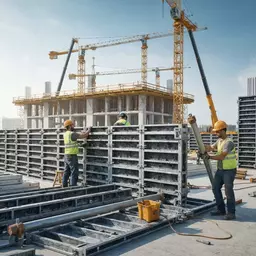
At Concrete Slab Innovations, we recognize that understanding load-bearing aluminum formwork systems is crucial for any contractor, engineer, or project manager looking to enhance their concrete slab construction. Aluminum formwork is not just a replacement for traditional materials; it represents a paradigm shift in how we approach the construction process. Its lightweight properties, coupled with exceptional durability, provide significant advantages that can streamline projects and improve overall outcomes.
In this section, we will explore these benefits in detail and the specific applications where aluminum formwork truly shines in concrete slab construction.
What is Aluminum Formwork and Its Benefits?
Aluminum formwork systems offer a variety of advantages that set them apart from traditional wood or steel systems. These benefits include:
- Cost Savings: The lightweight nature of aluminum reduces transportation and labor costs significantly.
- Durability: Unlike traditional materials that may warp or deteriorate over time, aluminum maintains its integrity, ensuring reliable performance over multiple uses.
- Speed of Installation: The ease of assembly results in faster project timelines, allowing you to complete more jobs in less time.
- Sustainability: Aluminum is recyclable, contributing to environmentally friendly construction practices.
These benefits collectively enhance the efficiency of construction processes, making aluminum formwork a smart choice for modern projects. So, if you're aiming for a balance of cost-effectiveness and structural quality, aluminum formwork might just be the solution you need!
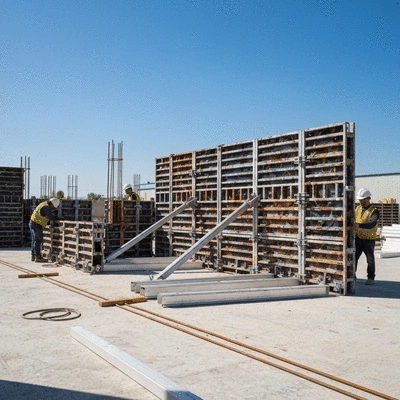
Applications of Aluminum Formwork in Concrete Slab Construction
Aluminum formwork is increasingly being utilized in diverse applications within the realm of concrete slab construction. Here are some scenarios where it stands out:
- High-rise buildings: Aluminum formwork is ideal for constructing floors and walls in tall structures, thanks to its robust support and lightweight design.
- Residential complexes: The efficiency of aluminum formwork makes it a popular choice for residential projects, allowing for quicker builds and reduced costs.
- Commercial spaces: In commercial construction, the precision and quality achieved with aluminum formwork can meet the high standards required for public buildings.
In each of these applications, aluminum formwork enhances not only structural integrity but also the overall efficiency of the construction process. Have you considered how these practical applications could benefit your next project?
Key Considerations for Construction Techniques with Aluminum Formwork
When using aluminum formwork, there are several critical construction techniques to keep in mind. Understanding these techniques can lead to a successful installation and optimal results. Key considerations include:
- Alignment and Leveling: Ensure proper alignment during installation to prevent issues with the final slab's integrity.
- Hydration Control: Managing hydration levels is essential to maximize the strength and durability of the concrete.
- Safety Measures: Implementing safety protocols during the setup and pouring phases is crucial to protect your team.
By focusing on these aspects, you can leverage the full potential of aluminum formwork, leading to better safety and performance in your projects. Remember, the success of using aluminum formwork begins with adopting the right construction techniques!
Pro Tip
Did you know? Properly maintaining your aluminum formwork can extend its lifespan significantly. Regular cleaning, inspection for damages, and proper storage can lead to better performance and fewer replacements, ultimately saving you time and money on your projects!
Summarizing Key Takeaways on Designing Load-Bearing Aluminum Formwork
Designing load-bearing aluminum formwork is an essential skill for achieving efficiency and quality in concrete slab construction. As I’ve discussed throughout this article, aluminum formwork systems offer numerous benefits, including cost-effectiveness, durability, and ease of installation. By adopting innovative design principles, we can significantly enhance the structural integrity of our projects.
Here are some of the key takeaways to remember when designing aluminum formwork:
- Understand Load Requirements: Calculating the loads accurately is vital to ensure safety and performance. For a deeper understanding of how different structural elements interact with formwork, you might find this study on the interaction between concrete and aluminum formwork insightful.
- Select the Right Materials: Choosing appropriate aluminum alloys can affect the efficiency and sustainability of your formwork.
- Follow Best Practices: Adhering to proper assembly procedures and curing techniques will yield optimal results. Further details on comparative studies between formwork types can be found in this comparative study of conventional formwork.
- Engage with Local Building Codes: Familiarize yourself with regulations that govern aluminum formwork to ensure compliance. This research on aluminum formwork systems provides additional context on their structural behavior.
By keeping these principles in mind, we can drive the future of concrete slab construction forward! At Concrete Slab Innovations, we are committed to empowering professionals like you with the knowledge needed to excel.

Engaging with Further Resources and FAQs
Frequently Asked Questions About Aluminum Formwork
When it comes to aluminum formwork, I often encounter a few key questions from contractors and project managers. Here are some of the most frequently asked:
- What are the primary advantages of using aluminum formwork? Its lightweight nature allows for easier handling and setup, which significantly reduces labor costs, installation time, and transportation expenses.
- How durable is aluminum formwork, and can it be reused? Aluminum formwork is highly durable and designed for multiple uses. With proper maintenance, it can maintain its integrity over many projects, offering excellent long-term value.
- How does aluminum formwork compare to traditional timber formwork in terms of structural integrity and waste reduction? Aluminum formwork provides superior structural integrity and precision, leading to fewer defects in the final concrete slab. Its reusability and recyclability also significantly reduce construction waste compared to single-use timber formwork.
- What are the main applications for aluminum formwork? Aluminum formwork is highly versatile and commonly used in high-rise buildings for floors and walls, residential complexes for efficient and cost-effective construction, and commercial spaces where high standards for precision and quality are required.
- What are the critical considerations during the installation of aluminum formwork? Key considerations include ensuring proper alignment and leveling to prevent structural issues, managing hydration levels of the concrete to maximize its strength, and implementing strict safety measures during setup and pouring to protect the construction team.
Discovering Additional Resources for Formwork Design
For those looking to expand their knowledge further, there are numerous resources available that can assist you in your aluminum formwork journey:
- AIA's Resources - A great source for industry standards and guidelines.
- American Concrete Institute (ACI) - Offers a wealth of information on concrete practices and innovations.
- FM Link - Contains case studies and practical examples on formwork design.
These resources are invaluable for anyone looking to enhance their understanding and application of aluminum formwork systems. They can help you navigate the complexities of formwork design effectively.
Understanding Formwork Maintenance and Best Practices
Proper maintenance of aluminum formwork is crucial to ensure its longevity and performance. Here are some best practices I recommend:
- Clean Regularly: Remove concrete residue and dirt after each use to prevent corrosion.
- Inspect for Damage: Regularly check for any dents or wear that could compromise the integrity of the formwork.
- Store Properly: Keep formwork in a dry and protected area to avoid exposure to harsh weather conditions.
By implementing these practices, you can extend the lifespan of your aluminum formwork systems and maximize their efficiency. Remember, a well-maintained formwork is key to a successful concrete project!
Recap of Key Points
Here is a quick recap of the important points discussed in the article:
- Cost Savings: Aluminum formwork reduces transportation and labor costs due to its lightweight nature.
- Durability: It maintains integrity over time, ensuring reliable performance and longevity.
- Speed of Installation: The ease of assembly leads to faster project timelines, enabling quicker completion of jobs.
- Sustainability: Being recyclable, aluminum formwork contributes to environmentally friendly construction practices.
- Key Considerations: Focus on alignment, hydration control, and safety measures for optimal results.
- Design Principles: Understand load requirements, select appropriate materials, and engage with local building codes for compliance.

Aidan Cromwell
Aidan Cromwell is a seasoned construction professional and industry expert with a passion for innovative building solutions. With extensive experience in concrete slab construction and a deep understanding of modular formwork systems, Aidan strives to educate and empower contractors, engineers, and project managers. His insights are grounded in practical knowledge and a commitment to advancing construction efficiency and safety.
Popular Posts
Aluminum Formwork and Carbon Reduction
![Aluminum Formwork and Carbon Reduction]() What if the way we build could significantly impact our planet's future? Embracing aluminum formwork
What if the way we build could significantly impact our planet's future? Embracing aluminum formwork
 What if the way we build could significantly impact our planet's future? Embracing aluminum formwork
Aluminum Formwork: Storage and Transport
![Aluminum Formwork: Storage and Transport]() What if the longevity of your aluminum formwork could be dramatically increased just by changing how
What if the longevity of your aluminum formwork could be dramatically increased just by changing how
 What if the longevity of your aluminum formwork could be dramatically increased just by changing how
Train Your Crew for Efficient Assembly
![Train Your Crew for Efficient Assembly]() Investing in training can transform your construction project outcomes. With proper techniques and k
Investing in training can transform your construction project outcomes. With proper techniques and k
 Investing in training can transform your construction project outcomes. With proper techniques and k
Aluminum Formwork Load Engineering Guidelines
![Aluminum Formwork Load Engineering Guidelines]() Consider this: a single miscalculation in load engineering can lead to structural failures and finan
Consider this: a single miscalculation in load engineering can lead to structural failures and finan
 Consider this: a single miscalculation in load engineering can lead to structural failures and finan
