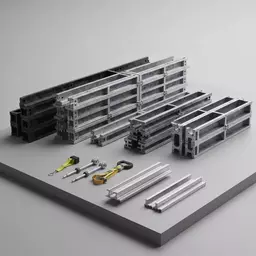
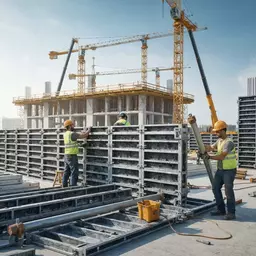
What if a single innovation could revolutionize your entire construction process? Aluminum formwork is that game-changer, enhancing efficiency, safety, and sustainability in slab construction.
What You Will Learn
Aluminum formwork systems are lightweight, reducing labor costs and improving site efficiency.
The durability of aluminum offers a longer lifespan, minimizing the need for frequent replacements.
Utilizing aluminum formwork can significantly decrease material waste, contributing to more sustainable construction practices.
Quick assembly and disassembly allow for faster project completion, leading to earlier revenue recognition.
The precision of aluminum molds ensures consistent slab quality, reducing the risk of costly repairs.
Investing in aluminum formwork promises long-term savings through reusability and decreased labor costs.
Aluminum formwork enhances safety on-site, lowering the risk of accidents during the construction process.
Adopting aluminum formwork aligns with building codes and safety standards, ensuring compliance and quality assurance.
Key Benefits of Aluminum Formwork in Slab Construction
Aluminum formwork offers significant advantages across efficiency, structural integrity, and economic and environmental impact. Below is a comparison of these key benefit areas.
✓Reduced Shrinkage Cracking: Better support during curing.
✓High Durability: Resistant to corrosion.
Economic Impact
✓Cost-Effective: Long-term savings from reusability.
✓Productivity Gains: Faster project completion.
✓Enhanced Safety: Reduced risk of accidents.
Environmental Impact
✓Recyclability: Aluminum can be recycled indefinitely.
✓Reduced Waste: Less material waste during construction.
✓Sustainability: Contributes to greener building initiatives.
Understanding Aluminum Formwork and Its Role in Slab Construction
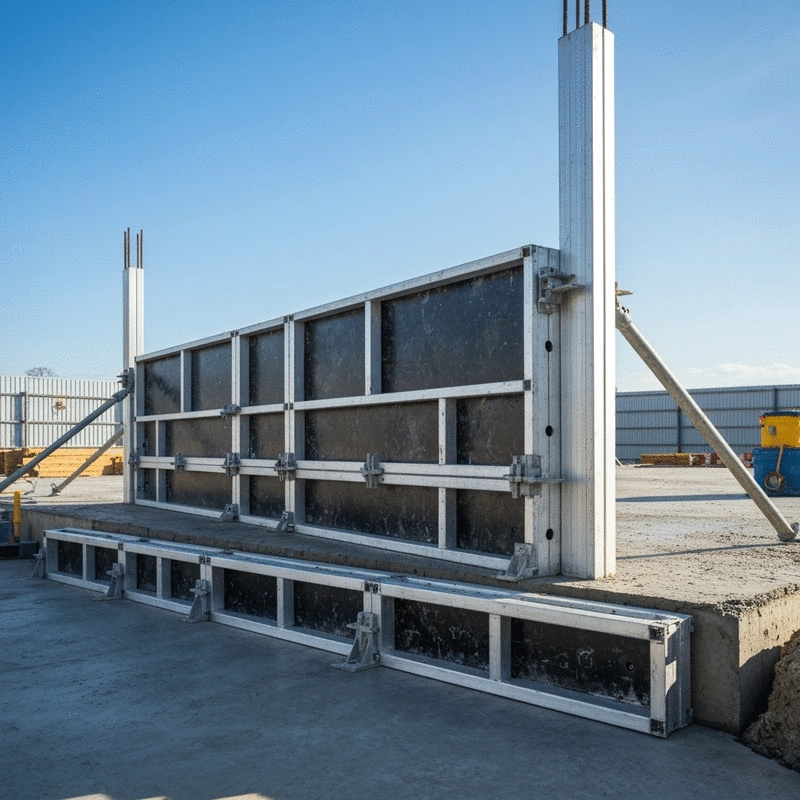
At Concrete Slab Innovations, we often hear questions about aluminum formwork and its significance in modern slab construction. So, what exactly is aluminum formwork? In essence, it’s a construction system made from aluminum panels that are used to create the molds for pouring concrete. Unlike traditional formwork, aluminum systems are lightweight, durable, and designed for quick assembly, making them a game-changer for contractors and engineers alike! For a general understanding of formwork and its types, you might find information on Wikipedia a useful starting point.
By utilizing aluminum formwork, we can improve efficiency on-site and ensure that our projects meet stringent quality standards. This innovative approach not only enhances the construction process but also contributes to better structural outcomes for buildings.
What Is Aluminum Formwork?
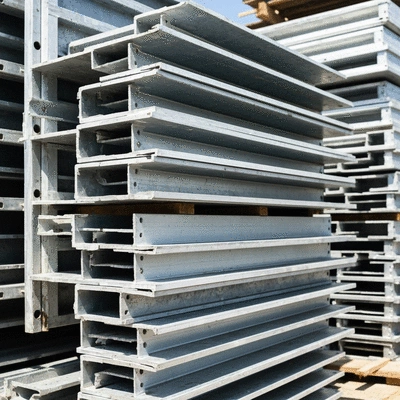
Aluminum formwork is a versatile construction system that enables the creation of concrete structures with precision and speed. The panels are manufactured to specific dimensions and can be reused multiple times, making them an eco-friendly option in our industry. The flexibility of aluminum formwork allows for seamless integration into various construction designs, whether for residential buildings or commercial projects.
Lightweight Design: This makes handling and transport easy, reducing labor costs.
High Durability: Aluminum is resistant to corrosion, ensuring longevity.
Modular Components: The system can be easily adapted to different project requirements.
With these features, aluminum formwork provides a solid foundation for successful slab construction, allowing us to maintain high standards while optimizing project workflows.
Key Features of Aluminum Formwork in Construction
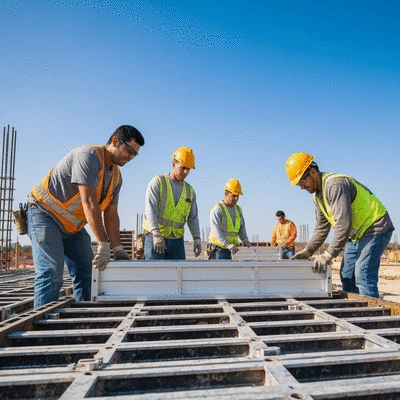
One of the standout advantages of aluminum formwork is its efficient assembly process. Each component is designed for rapid setup, which means less downtime and more time spent pouring concrete. Additionally, the precision of aluminum molds ensures that the resulting slabs are uniformly finished, enhancing structural integrity.
Quick Assembly: Aluminum formwork can be set up in a fraction of the time compared to traditional wood or steel forms.
Increased Safety: The robust design reduces the risk of accidents during the pouring process.
Cost-Effective: With fewer materials and less labor involved, overall project costs decrease significantly.
These features make aluminum formwork a top choice for contractors aiming for quality and efficiency in slab pouring operations.
How Aluminum Formwork Enhances Structural Integrity in Slab Construction
Aluminum formwork is particularly effective in enhancing the structural integrity of concrete slabs. The rigid panels provide stable and accurate molds that minimize the risk of deformities during curing. This ensures that the concrete achieves its designed strength and durability, critical factors for any construction project. For more insights into materials science and construction technology, resources from the National Institute of Standards and Technology (NIST) can be valuable.
Consistent Quality: The precision of molds leads to uniform slab thickness.
Reduced Shrinkage Cracking: Enhanced support during the curing process decreases the likelihood of cracks.
Improved Load-Bearing Capacity: Aluminum’s strength allows for high-load applications without compromising safety.
Ultimately, using aluminum formwork not only streamlines the construction process but also guarantees that the finished slabs meet rigorous standards for quality and safety. It’s an approach that I firmly believe can elevate any project in today’s demanding construction environment!
Frequently Asked Questions About Aluminum Formwork
What is aluminum formwork?
Aluminum formwork is a construction system made from lightweight, durable aluminum panels used to create molds for pouring concrete, offering an alternative to traditional formwork materials.
What are the main benefits of using aluminum formwork in slab construction?
Key benefits include increased efficiency and speed due to quick assembly, enhanced structural integrity from precise molds, significant economic savings through reusability and reduced labor, and positive environmental impact due to recyclability and less waste.
How does aluminum formwork contribute to sustainability?
Aluminum formwork is highly recyclable, can be reused multiple times, and helps reduce material waste during construction, aligning with greener building initiatives.
Is aluminum formwork more expensive than traditional formwork?
While initial costs might be higher, aluminum formwork offers long-term savings through reduced labor, faster project completion, and extensive reusability, often making it more cost-effective over a project's lifespan.
How does aluminum formwork improve site safety?
Its robust design and precision reduce the risk of accidents during assembly and concrete pouring, contributing to a safer work environment.
What should I consider before adopting aluminum formwork for my project?
It's important to assess your project's specific needs, invest in team training, partner with experienced suppliers, and monitor progress to maximize the benefits.
We Want to Hear From You!
What do you think about the benefits of aluminum formwork? Have you had any experiences with it in your projects? Share your thoughts below:
Summarizing the Benefits of Aluminum Formwork in Slab Construction
As we wrap up our discussion on aluminum formwork, it's crucial to revisit the primary advantages it offers in the realm of slab construction. This innovative approach not only enhances efficiency but also aligns with our mission at Concrete Slab Innovations to deliver sustainable and cost-effective solutions. Let’s highlight some key takeaways regarding the environmental and economic impact of adopting aluminum formwork systems.
Key Takeaways on Environmental and Economic Impact
First and foremost, aluminum formwork systems are champions of sustainability. By being recyclable and durable, they significantly reduce the environmental footprint of construction projects. For more on construction materials and efficiency, academic resources from institutions like the American Society of Civil Engineers (ASCE) often provide in-depth studies.
Here are some key points to consider:
Recyclability: Aluminum can be recycled indefinitely without losing its properties, making it a sustainable choice for ongoing projects.
Reduced Waste: The precision of aluminum formwork means less material waste during the construction process, contributing to a greener building initiative.
Cost Savings: Over time, the durability and reusability of aluminum formwork lead to substantial cost reductions for contractors.
Enhanced Safety: The robust design of aluminum formwork minimizes the risk of accidents on-site, ensuring a safer work environment.
These benefits underscore why aluminum formwork is not just an option but a smart investment for future projects. By integrating these systems, you can contribute to a more sustainable construction industry while simultaneously boosting your bottom line.
Is Aluminum Formwork Worth the Investment for Future Projects?
When evaluating whether to adopt aluminum formwork, the question often arises: Is it worth the investment? The answer, in my experience, is a resounding yes! Not only does it streamline processes, but it also promotes long-term savings and sustainability.
Consider these aspects:
Initial Costs: While the upfront costs may be higher compared to traditional formwork, the long-term savings in labor, material waste, and reusability often outweigh this.
Productivity Gains: With quick assembly and disassembly, your team can complete projects faster, leading to earlier revenue recognition.
Structural Quality: The precision of aluminum formwork ensures consistent slab quality, reducing the risk of costly repairs or adjustments down the line.
When you weigh these factors, it becomes clear that aluminum formwork is a strategic investment that can yield significant returns in both environmental and economic terms.
Next Steps for Adopting Aluminum Formwork
Now that we've explored the profound benefits of aluminum formwork, let's discuss how to implement this innovative system in your upcoming construction projects. At Concrete Slab Innovations, we are dedicated to helping you make this transition seamless and effective.
Guidelines for Implementation in Upcoming Construction Projects
To successfully adopt aluminum formwork, here are some guidelines to follow:
Assess Project Needs: Evaluate the specific requirements of your project to determine if aluminum formwork aligns with your goals.
Training Programs: Invest in training for your team to ensure they are well-versed in the assembly and use of aluminum systems.
Partner with Experienced Suppliers: Collaborate with reliable suppliers who can provide quality materials and support.
Monitor Progress: Keep track of the efficiency and quality results throughout the project to measure the benefits of your investment.
Following these steps can help pave the way for a smoother transition to aluminum formwork and enhance your project's success.
Encouraging Sustainable Practices in the Construction Industry
Incorporating aluminum formwork is just one way to promote sustainability in construction. By making conscious choices, we can collectively shift the industry toward greener practices. Here’s how you can contribute:
Advocate for Education: Share knowledge about aluminum formwork benefits with peers and stakeholders.
Implement Sustainability Policies: Create policies that prioritize the use of eco-friendly materials and methods.
Participate in Green Building Initiatives: Engage with local or national organizations focused on sustainable building practices.
By championing sustainable practices, we can lead the construction industry toward a more eco-friendly future!
Aligning Aluminum Formwork Adoption with Building Codes and Safety Standards
Finally, it's essential to ensure that your adoption of aluminum formwork aligns with existing building codes and safety standards. This not only guarantees compliance but also enhances the safety and quality of your projects. Here are some steps to consider:
Review Local Codes: Familiarize yourself with local building regulations related to formwork and construction.
Consult Safety Experts: Engage with safety professionals to ensure that your practices meet or exceed safety requirements.
Keep Documentation Updated: Maintain records of your formwork systems and compliance measures for future reference.
By aligning with regulations and safety standards, you can confidently move forward with aluminum formwork, knowing that you are making the right choice for your projects! Let's continue to innovate and elevate the standards of our industry.
Recap of Key Points
Here is a quick recap of the important points discussed in the article:
Lightweight and Durable: Aluminum formwork is lightweight, making it easy to handle and transport, while its durability ensures longevity.
Quick Assembly: The efficient assembly process of aluminum formwork reduces downtime significantly compared to traditional formwork.
Environmental Benefits: Aluminum formwork is recyclable and reduces material waste, contributing to sustainable construction practices.
Cost-Effective: Over time, the reusability and durability of aluminum formwork can lead to substantial savings for contractors.
Enhanced Safety: The robust design minimizes the risk of accidents on-site, ensuring a safer work environment.
Improved Structural Integrity: Precision molds lead to uniform slab quality and reduced shrinkage cracking during curing.
Aidan Cromwell
Aidan Cromwell is a seasoned construction professional and industry expert with a passion for innovative building solutions. With extensive experience in concrete slab construction and a deep understanding of modular formwork systems, Aidan strives to educate and empower contractors, engineers, and project managers. His insights are grounded in practical knowledge and a commitment to advancing construction efficiency and safety.
Concrete Slab Innovations is dedicated to advancing concrete slab construction through innovative aluminum formwork systems. Our mission is to provide contractors, engineers, and project managers with cutting-edge methods for safe and precise slab support.
Optimize your concrete slab projects by integrating modular aluminum formwork. Its lightweight design significantly cuts down on labor and setup time!
Enhance project efficiency by understanding the high-load capacity of modern aluminum systems. This ensures structural integrity and faster pour cycles!
Reduce material costs and waste by choosing reusable aluminum formwork. A sustainable choice that also boosts your bottom line!
Prioritize job site safety with robust aluminum formwork. Its stable design minimizes risks during the critical concrete pouring phase.
Streamline your project timelines. Modular aluminum formwork allows for quicker assembly and dismantling, speeding up overall construction.
Achieve consistent slab quality through precise formwork alignment. High-quality systems ensure accurate dimensions and a superior finish.
Educate your team on the benefits of innovative formwork. A knowledgeable crew is crucial for maximizing efficiency and safety.
Explore case studies of successful projects utilizing advanced formwork. Learn from real-world applications to inform your next build.
Consider the long-term economic advantages of investing in quality formwork systems. Durability means less replacement and better ROI.
Implement rigorous quality control checks during formwork setup. Precision at this stage prevents costly rework later.
Stay updated on the latest advancements in concrete technology and formwork. Continuous learning keeps your projects cutting-edge.
Consult with formwork specialists to tailor solutions to your specific project needs. Custom approaches yield optimized results.
Document your formwork processes for consistency and training. Standardized procedures improve efficiency and reduce errors.
Regular maintenance of your formwork equipment extends its lifespan and ensures reliable performance on every job.
Ready to elevate your concrete slab projects? Dive into our resources to discover how innovative formwork can transform your construction practices!