Slab-on-Grade
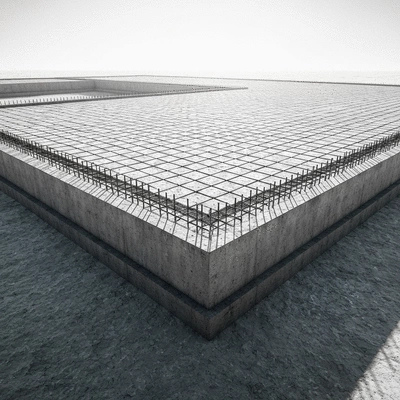
Poured directly on the ground, ideal for single-story structures. Easy installation and good thermal performance.
Have you ever considered how the foundations of your building can influence the entire structure's longevity? Understanding concrete slabs is key to ensuring success in any construction project.
Understanding the different types of concrete slabs and the essential steps in their installation is crucial for any construction project.
Poured directly on the ground, ideal for single-story structures. Easy installation and good thermal performance.
Manufactured off-site, speeding up construction. Useful for multi-story buildings.
Concrete slabs are a fundamental component in construction, serving as the building blocks of many structures. At Concrete Slab Innovations, we know that understanding the details of a concrete slab is vital for ensuring structural integrity and overall project success. But what exactly is a concrete slab, and why does it matter?
A concrete slab is a flat, horizontal surface made of cast concrete, often reinforced with steel for added strength. Typically, it's designed to support buildings, pavements, and various other structures. When we think about durability and stability in construction, the importance of a well-designed concrete slab cannot be overstated!
It's essential to choose the right type of slab and ensure proper installation to avoid common issues like cracking or settling. For detailed specifications and best practices in concrete construction, you can refer to resources from organizations like the American Concrete Institute. This foundation lays the groundwork (literally!) for any successful construction project.
Concrete slabs find their applications across numerous construction fields. From residential homes to large commercial buildings, their versatility is unmatched. Some common applications include:
Each application has specific requirements that must be met, which is where our expertise at Concrete Slab Innovations comes into play. We provide tailored solutions that ensure your project meets its unique demands! For more information on structural design and guidelines for various facilities, you can consult documents such as the UFC for Floor Slabs for DOD Facilities.
There are different types of concrete slabs to consider, with slab-on-grade and precast slabs being two of the most common. Each has its own set of benefits:
Understanding these different types helps in selecting the best option for your project. At Concrete Slab Innovations, we are here to provide insights to guide your decision-making process! For further study on concrete slab design and construction, comprehensive guides such as those found on PDH Online offer valuable information.
When working with concrete slabs, consider incorporating a moisture barrier beneath the slab. This practice helps prevent moisture from seeping up through the concrete, which can lead to issues like mold growth and structural damage. Investing in a moisture barrier can enhance the longevity and durability of your concrete slabs significantly!
A concrete slab is a flat, horizontal surface made of cast concrete, often reinforced with steel, designed to provide a strong foundation for buildings, pavements, and other structures.
The main types discussed are slab-on-grade, which is poured directly on the ground and ideal for single-story structures, and precast slabs, which are manufactured off-site and used for multi-story buildings to speed up construction.
Proper site preparation is crucial to ensure a stable foundation, prevent issues like settling, and contribute to the overall durability and longevity of the concrete slab.
Cracking can be prevented by implementing proper joint spacing, using reinforcement techniques such as steel mesh and fiber, and conducting regular inspections for early detection and maintenance.
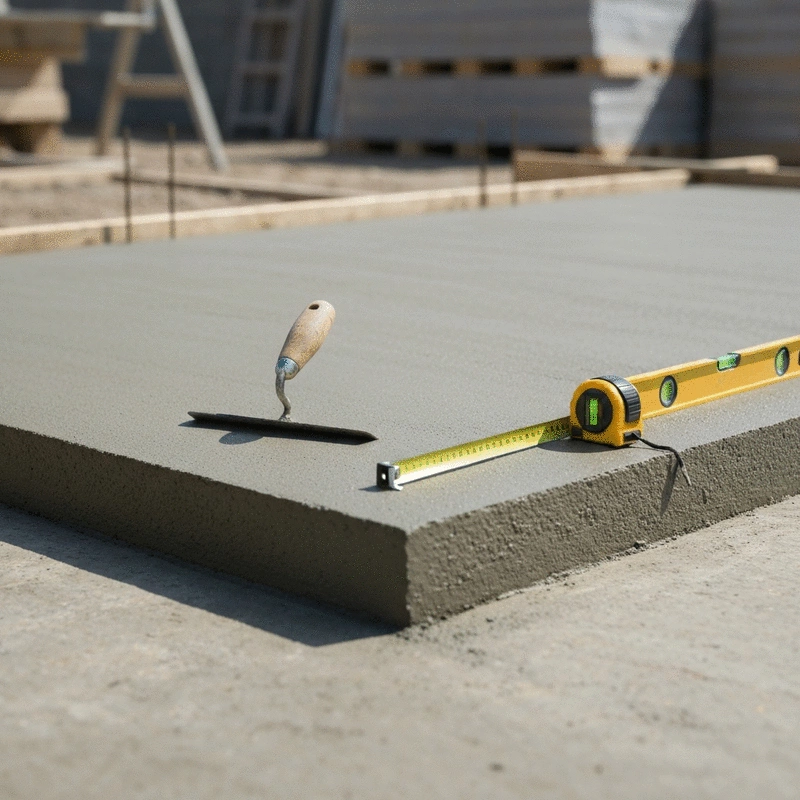
Finishing techniques, such as troweling or broom finishing, are important for enhancing both the aesthetic appeal and the durability of concrete slabs, impacting both functionality and visual appeal.
As we wrap up our exploration of concrete slabs, it's essential to reflect on the vital aspects we've discussed. From the installation process to the finishing techniques, each stage plays a crucial role in ensuring the durability and effectiveness of your project. Understanding these key insights enables you to make informed decisions and optimize your construction methods.
When we talked about the installation process, we highlighted several steps that you can’t overlook:
Equally, our discussion on finishing techniques revealed how the right approach can enhance both the aesthetic appeal and longevity of your concrete slabs. Whether you opt for a smooth finish or a textured surface, remember that these techniques significantly impact both functionality and visual appeal.
In summary, focusing on the installation and finishing techniques ensures that your concrete slabs not only meet safety standards but also align with design preferences. Here’s a quick recap of the techniques we covered:
Each of these practices is designed to enhance the overall performance and appearance of your concrete slabs. As a contractor myself, I’ve seen firsthand how attention to detail in these areas leads to successful project outcomes.
Addressing common challenges in concrete slab construction is critical for maintaining structural integrity and ensuring long-lasting results. We've identified various issues, such as cracking and settling, that can arise throughout the project. However, solutions do exist!
By staying proactive and informed, you can effectively tackle these challenges. Remember, at Concrete Slab Innovations, we’re here to support you with resources and insights that empower your construction endeavors.
Now that you have a solid understanding of concrete slab construction, it’s time to take action! Whether you're starting a new project or improving existing processes, the right resources can make all the difference.
To enhance your knowledge further, I recommend the following resources:
These resources provide comprehensive insights and practical strategies that can elevate your concrete projects.
If you're looking for hands-on support or professional services, don’t hesitate to reach out! At Concrete Slab Innovations, we offer personalized assistance tailored to your project needs. Feel free to contact me directly, Aidan Cromwell, at [email protected]. Let’s work together to bring your concrete visions to life!
Here is a quick recap of the important points discussed in the article:
Aidan Cromwell is a seasoned construction professional and industry expert with a passion for innovative building solutions. With extensive experience in concrete slab construction and a deep understanding of modular formwork systems, Aidan strives to educate and empower contractors, engineers, and project managers. His insights are grounded in practical knowledge and a commitment to advancing construction efficiency and safety.