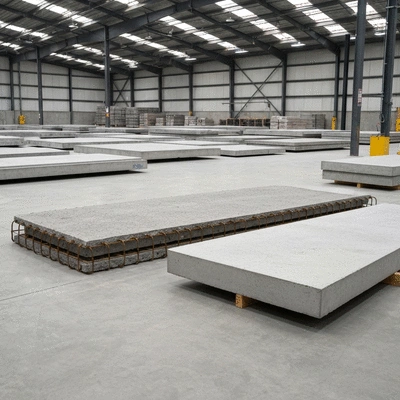
Reinforced
- Better load-bearing
- Reduces cracking risk
- Durable for heavy industrial use
Ever wondered what goes into constructing a safe and efficient warehouse? Understanding the foundational elements like concrete slabs can significantly impact operational efficiency. Here’s a concise summary of key insights that can guide your decisions.
Understanding the critical differences in warehouse concrete slabs is essential for optimal performance and longevity. Below is a comparison of Reinforced vs. Non-Reinforced slabs and a breakdown of slab thickness vs. load capacity.
When it comes to warehouse construction, the choice of flooring is crucial for both safety and efficiency. A concrete slab serves as a fundamental element that supports heavy loads while providing a durable surface for various operations. But what exactly is a warehouse concrete slab, and why is it so vital? Let’s dive into its significance and applications!
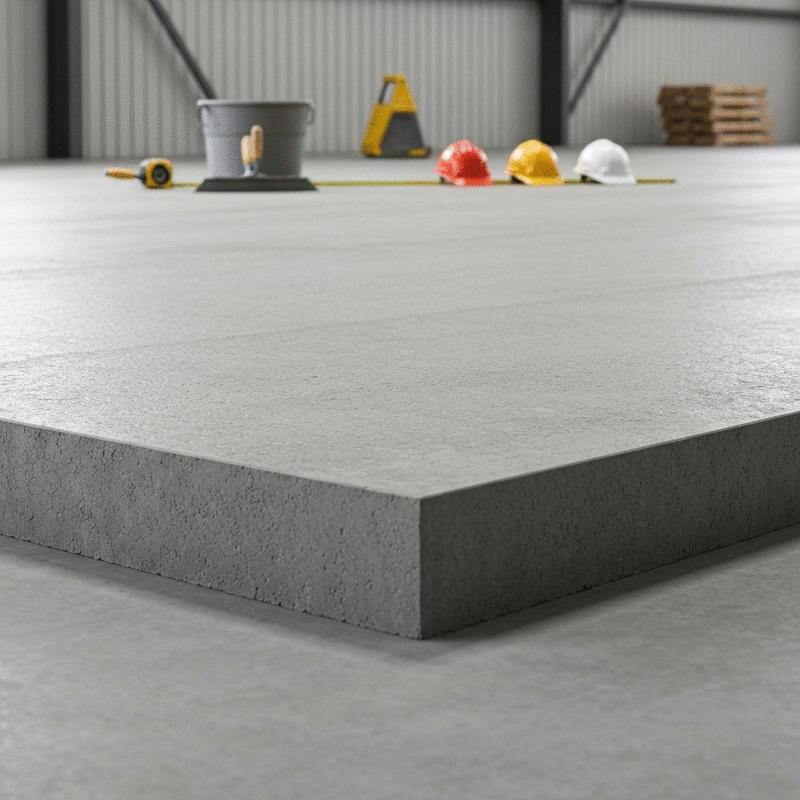
A warehouse concrete slab is a flat, horizontal surface typically made of reinforced concrete that serves as the foundation for storage facilities. These slabs are designed to handle substantial weight from shelving, machinery, and goods. The thickness and composition can vary, but they are primarily crafted to endure the dynamic stresses of a busy warehouse environment.
In many warehouses, these slabs can range from 4 inches to 12 inches in thickness, depending on the load requirements. The use of high-quality concrete and proper reinforcement techniques ensures that the slab can withstand both static and dynamic loads, preventing premature wear and tear.
Concrete slabs also provide a level surface for various activities, including loading and unloading goods. This stability is essential for maintaining operational efficiency and safety, reducing the risk of accidents. For further information on design considerations for concrete structures, you can refer to resources like the USDA's Design Guide for Floors (Slabs-on-Ground).
There are numerous advantages to opting for concrete flooring in a warehouse context. First and foremost is the durability; concrete slabs can last for decades with proper maintenance. This longevity translates to lower replacement costs over time.
Additionally, concrete is resistant to fire, moisture, and pests, making it an ideal choice for warehouses storing sensitive materials. Furthermore, the ability to customize concrete mixes and finishes allows for enhanced surface properties, such as slip resistance, which is vital for safety on warehouse floors.
The performance of a concrete slab is heavily influenced by its foundation and subgrade. A stable and well-prepared subgrade is essential to prevent issues like cracking or settling over time. Poor subgrade conditions can lead to uneven surfaces and structural failures, which are detrimental to operational effectiveness.
Before installing a concrete slab, I recommend conducting a thorough site assessment to ensure the subgrade can support the intended load. This step not only enhances the longevity of the slab but also guarantees safety for everyone operating within the warehouse environment. Remember, investing in a solid foundation now can save you a lot of hassle down the line! For detailed guidelines on slab design, consider checking out the University of Colorado's resources on slab design.
When selecting the thickness of your concrete slab, consider not just the immediate load requirements but also future flexibility. A slightly thicker slab can accommodate potential increases in load, saving you from costly renovations later on. Investing in a heavier slab from the start can enhance durability and reduce long-term maintenance costs.
When it comes to selecting the right concrete for your warehouse, understanding the different types of concrete slabs is vital. Each type serves a specific purpose and is tailored for various applications. As someone with extensive experience in concrete slab construction, I can assure you that making the right choice here can significantly impact your warehouse's efficiency and longevity!
Let’s dive into some of the most common types of concrete used for warehouse slabs:
Choosing the right concrete type not only meets your structural needs but also ensures the durability of your warehouse flooring. Each option has its pros and cons, so consider your specific requirements carefully!
One of the key decisions you’ll face is whether to use reinforced or non-reinforced slabs. Reinforced slabs are embedded with materials to enhance their strength, while non-reinforced slabs rely solely on concrete. Here’s a quick comparison to help you decide:
In my experience, if your warehouse will handle heavy loads or machinery, opting for reinforced slabs is often the best choice. It’s a small investment that pays off in the long run!
Another crucial factor to consider is the thickness of your concrete slab. Thickness directly affects load capacity, and it’s essential to match slab thickness with the anticipated load. For warehouse applications, typical thickness ranges from 4 to 6 inches.
Here’s a quick breakdown of how thickness correlates with load capacity:
Consulting with a construction expert, like the team at Concrete Slab Innovations, can provide clarity on your specific needs based on industry standards and local regulations. For comprehensive guidelines on floor slabs, particularly for demanding environments, the WBDG's unified facilities criteria for floor slabs offers valuable insights.
Finally, let’s talk about load distribution and structural integrity. Ensuring even load distribution across your concrete slab is critical for maintaining its integrity over time. Uneven loads can lead to cracking, which can compromise the entire structure.
To enhance load distribution, consider the following strategies:
By prioritizing load distribution and structural integrity, you’ll extend the life of your concrete slab, ensuring it stands up to the demands of your warehouse operations. Now that you understand the types of warehouse concrete slabs and their features, you’re one step closer to making informed decisions for your project!
Here is a quick recap of the important points discussed in the article:
Aidan Cromwell is a seasoned construction professional and industry expert with a passion for innovative building solutions. With extensive experience in concrete slab construction and a deep understanding of modular formwork systems, Aidan strives to educate and empower contractors, engineers, and project managers. His insights are grounded in practical knowledge and a commitment to advancing construction efficiency and safety.