Aluminum Formwork in High-Rise Construction

Critical Engineering Considerations for Aluminum Formwork in High-Rise Slab Construction

As high-rise construction evolves, aluminum formwork is emerging as a game-changer for contractors and engineers alike. This innovative material not only enhances efficiency but also sets a new standard for sustainability in building practices. Are you ready to discover how aluminum formwork can transform your next project?

What You Will Learn

  • Aluminum formwork is lightweight, enabling easier handling and quicker setup compared to traditional materials.
  • The modular design allows for customization, making it adaptable to various project requirements.
  • Using aluminum formwork can significantly reduce labor costs and construction time, leading to improved cost efficiency.
  • Aluminum formwork contributes to better environmental practices through its recyclability and reduced waste generation.
  • Collaboration between structural engineers and contractors is crucial for the effective design and implementation of aluminum formwork systems.
  • Emerging trends include smart formwork technologies and sustainable materials aimed at further enhancing efficiency and safety in construction.

Advantages and Cost-Effectiveness of Aluminum Formwork in High-Rise Construction

The following visual outlines the key benefits and financial considerations when utilizing aluminum formwork in modern high-rise building projects.

Key Advantages

  • Enhanced safety on-site due to reduced weight
  • Lower environmental impact with fewer materials needed
  • Streamlined workflow leading to faster project completion
  • Improved cost efficiency over time

Cost-Effectiveness Factors

  • Reduced Labor Costs: Lightweight, easy handling requires fewer hours.
  • Speed of Construction: Faster assembly for early revenue generation.
  • Minimized Material Waste: Precision reduces errors and waste.
  • High Reusability: Multiple uses enhance savings over lifecycle.

Environmental Impact

  • Lower Carbon Footprint: Recyclable material significantly reduces waste.
  • Energy Efficiency: Lightweight nature means lower energy for transport/handling.
  • Reduction in Site Waste: Precision manufacturing leads to cleaner sites.

Future Trends in Formwork

  • Smart Formwork: IoT integration for monitoring and automation.
  • Sustainable Materials: Eco-friendly alternatives and coatings.
  • Advanced Prefabrication: Increased off-site work for quality control.
  • Robotics in Construction: Potential for automated assembly and pouring.

Understanding Aluminum Formwork in High-Rise Slab Construction

When it comes to high-rise slab construction, the choice of formwork is crucial. Aluminum formwork is becoming a popular option due to its numerous advantages in efficiency and quality. But what exactly is aluminum formwork, and why is it important for your construction projects?

What is Aluminum Formwork and Why is it Important?

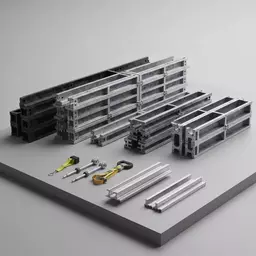
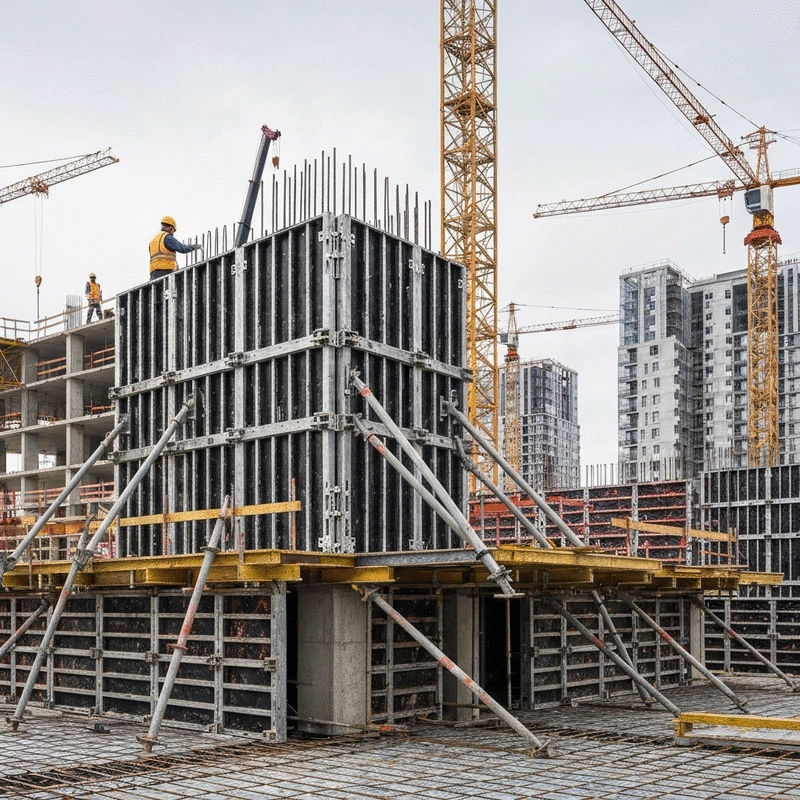
Aluminum formwork is a system composed of lightweight, modular panels that are used to create the molds for concrete pouring. These panels are highly durable and designed for repetitive use, making them a sustainable choice for high-rise projects. At Concrete Slab Innovations, we believe that understanding the fundamentals of this technology is essential for any contractor or engineer looking to enhance their construction methods.

  • Lightweight and easy to handle
  • Quick assembly and disassembly
  • Excellent surface finish of concrete
  • Reduced labor costs and construction time

This formwork system not only meets the demands of modern construction but also addresses the challenges posed by traditional methods. By leveraging aluminum formwork, you can ensure a more efficient and precise pouring process, leading to better project outcomes. Research from sources like the International Journal of Future Marketing & Sales (IJFMS) highlights the significant benefits of aluminum formwork.

Key Advantages of Using Aluminum Formwork in High-Rise Projects

Switching to aluminum formwork comes with a host of benefits that can significantly improve your high-rise projects. Firstly, the modular design allows for easy customization to fit various project requirements. Additionally, the durability of aluminum ensures that your formwork can withstand the rigors of multiple uses.

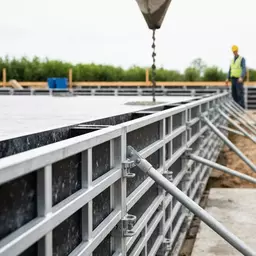
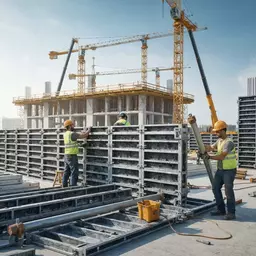
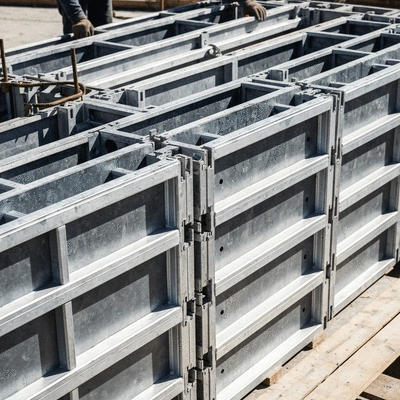
Detailed close-up of aluminum formwork panels being assembled on a construction site
  • Enhanced safety on-site due to reduced weight
  • Lower environmental impact with fewer materials needed
  • Streamlined workflow leading to faster project completion
  • Improved cost efficiency over time

With this technology, you can navigate the complexities of high-rise construction with confidence, knowing that you're utilizing a system designed for high performance.

The Role of Structural Engineering in Aluminum Formwork Design

Structural engineering plays a pivotal role in the design and implementation of aluminum formwork. Engineers must consider factors such as load distribution, stability, and overall structural integrity when designing these systems. At Concrete Slab Innovations, we emphasize the importance of collaboration between engineers and contractors to achieve optimal outcomes. The International Journal of Advanced Research in Science, Communication and Technology (IJARSCT) provides further insights into the structural analysis of formwork systems.

  • Understanding load-bearing capacities to avoid failures
  • Designing for thermal expansion and contraction
  • Ensuring compliance with local building codes

By working closely with structural engineers, you can ensure that your aluminum formwork systems are not only efficient but also safe and reliable. This holistic approach is essential for the success of any high-rise construction project.

Pro Tip

When implementing aluminum formwork, consider conducting a thorough site assessment to customize the modular design effectively. This proactive approach can further enhance efficiency and ensure the system meets specific project needs, ultimately leading to smoother operations and reduced delays.

Frequently Asked Questions (FAQs) about Aluminum Formwork

Q1: What is aluminum formwork?
A1: Aluminum formwork is a system of lightweight, modular panels used to create molds for concrete pouring in construction projects, particularly high-rise buildings. It's known for its durability and reusability.
Q2: What are the main benefits of using aluminum formwork in high-rise construction?
A2: Key benefits include enhanced on-site safety, lower environmental impact, streamlined workflows for faster project completion, improved cost efficiency, and reduced labor costs due to its lightweight nature and quick assembly.
Q3: How does aluminum formwork contribute to cost-effectiveness?
A3: It reduces labor costs through easier handling and quicker setup, speeds up construction time, minimizes material waste due to precision, and offers high reusability over a project's lifecycle, leading to significant savings.
Q4: What role does structural engineering play in aluminum formwork design?
A4: Structural engineers are crucial for designing these systems, considering load distribution, stability, thermal expansion/contraction, and compliance with building codes. Collaboration between engineers and contractors ensures optimal and safe outcomes.
Q5: What are the environmental advantages of aluminum formwork?
A5: Aluminum is recyclable, leading to a lower carbon footprint and reduced waste. Its lightweight nature also decreases energy consumption during transport and handling, contributing to cleaner construction sites.

Summarizing Key Insights on Aluminum Formwork

As we wrap up our discussion on aluminum formwork, it’s essential to reflect on its cost-effectiveness and overall impact on high-rise construction. Contractors and project managers consistently seek methods to improve efficiency while managing budgets, and aluminum formwork systems have proven to be a valuable asset in this regard. The initial investment can be offset by the benefits of quicker assembly and reduced labor costs, ultimately leading to increased profitability. The International Research Journal of Engineering and Technology (IRJET) further supports these findings.

Moreover, the modular nature of these systems allows for quick adaptations on-site, significantly streamlining the construction process. This adaptability is a game-changer for projects that face tight deadlines or unforeseen challenges!

Evaluating the Cost-Effectiveness of Aluminum Formwork Systems

When assessing the cost-effectiveness of aluminum formwork, consider the following factors:

  • Reduced Labor Costs: Aluminum formwork is lightweight and easy to handle, which means fewer labor hours are required for setup and dismantling.
  • Speed of Construction: With faster assembly times, projects can be completed ahead of schedule, allowing for early revenue generation.
  • Minimized Material Waste: The precision of aluminum systems reduces the likelihood of errors, leading to less wasted materials and costs.
  • High Reusability: Aluminum forms can be reused multiple times, enhancing cost savings over the project's lifecycle.

These factors contribute significantly to the overall financial viability of using aluminum formwork in high-rise construction, making it a smart choice for modern contractors and engineers.

Future Trends in High-Rise Construction: Innovations in Formwork

Looking ahead, the landscape of high-rise construction is evolving with several emerging trends in formwork technology. Innovations are aimed at enhancing efficiency, sustainability, and safety. Key trends include:

  • Smart Formwork: Integration of IoT technology to monitor formwork conditions and automate aspects of the pouring process.
  • Sustainable Materials: Ongoing research into eco-friendly aluminum alternatives and coatings that reduce the environmental impact.
  • Advanced Prefabrication Techniques: Increased use of off-site prefabrication to minimize waste and improve quality control.
  • Robotics in Construction: The potential for robotic systems to assist in formwork assembly and concrete pouring.
Engineers and construction workers reviewing blueprints on a tablet on a modern construction site

At Concrete Slab Innovations, we stay at the forefront of these trends and are committed to bringing innovative solutions to our clients. Are you ready to adopt these advancements in your next project?

The Environmental Impact of Using Aluminum Formwork

The environmental considerations of construction practices are more important than ever. By choosing aluminum formwork, you're making a choice that positively impacts our planet. Here’s how:

  • Lower Carbon Footprint: Aluminum formwork is recyclable, which significantly reduces waste compared to traditional materials.
  • Energy Efficiency: The lightweight nature of aluminum means lower energy consumption during transportation and handling.
  • Reduction in Site Waste: Precision manufacturing leads to less waste on-site, contributing to cleaner construction practices.

As we advocate for sustainability in construction, I encourage you to consider how aluminum formwork can help you meet your environmental goals while also enhancing project efficiency.

Call to Action: Enhancing Your High-Rise Projects

Are you looking to elevate your next high-rise project? With the insights shared on aluminum formwork, it's time to explore how you can implement these systems effectively. Let's work together to transform your construction practices!

Get Expert Assistance for Your Aluminum Formwork Needs

At Concrete Slab Innovations, we offer expert guidance tailored to your specific project requirements. Whether you’re new to aluminum formwork or looking to optimize your current processes, our team is here to help!

Engage with Us for Tailored Solutions and Consultation

Don’t hesitate to reach out for a consultation on how aluminum formwork can fit into your high-rise construction plans. We’re passionate about helping contractors, engineers, and project managers achieve their goals with innovative solutions. Let’s connect!

Recap of Key Points

Here is a quick recap of the important points discussed in the article:

  • Aluminum formwork is lightweight, modular, and designed for multiple uses, making it a sustainable choice for high-rise construction.
  • The key advantages include quick assembly, reduced labor costs, and enhanced safety on-site.
  • Collaboration between structural engineers and contractors is vital for ensuring the stability and compliance of aluminum formwork systems.
  • Aluminum formwork contributes to cost-effectiveness through reduced labor, minimized material waste, and high reusability.
  • Emerging trends such as smart formwork and sustainable materials are shaping the future of high-rise construction.
About !author

Aidan Cromwell

Aidan Cromwell is a seasoned construction professional and industry expert with a passion for innovative building solutions. With extensive experience in concrete slab construction and a deep understanding of modular formwork systems, Aidan strives to educate and empower contractors, engineers, and project managers. His insights are grounded in practical knowledge and a commitment to advancing construction efficiency and safety.

Popular Posts

Streamlining Aluminum Formwork Processes Minimizing Labor Costs with Efficient Aluminum Formwork Assembly and Dismantling Have you ever considered how choosing the right formwork can significantly impact your project's eff
Common Aluminum Formwork Issues Explained Troubleshooting Common Issues in Aluminum Formwork Slab Systems Consider this: the effective use of aluminum formwork can significantly streamline your construction
Improving Site Safety with Aluminum 9. Enhancing Safety and Efficiency on Site: Aluminum Formwork in Large Infrastructure Projects What if the key to revolutionizing your construction project lies in the materials you choose? Alumi
Aluminum Formwork in High-Rise Construction Critical Engineering Considerations for Aluminum Formwork in High-Rise Slab Construction As high-rise construction evolves, aluminum formwork is emerging as a game-changer for contractors a