Aluminum Formwork in Burj Khalifa
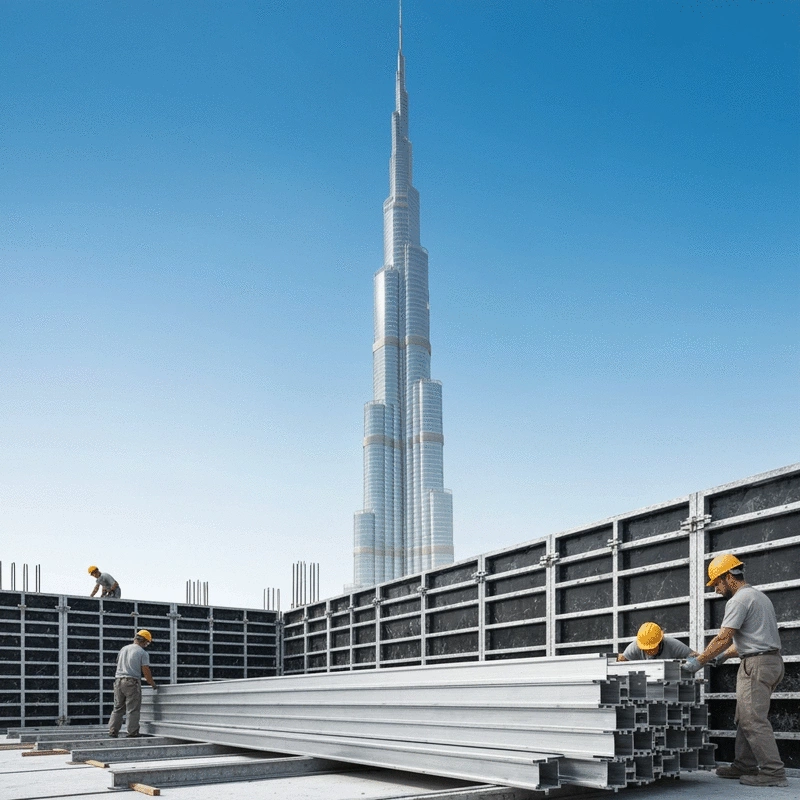
In the ever-evolving landscape of construction, aluminum formwork is reshaping how we build. Consider this: projects like the Burj Khalifa have leveraged this innovative system to enhance efficiency and structural integrity. What insights can we draw from such transformative practices?
What You Will Learn
- Aluminum formwork is a lightweight, reusable system that accelerates the concrete setting process, providing significant cost savings.
- The modular design of aluminum formwork allows for rapid assembly and adaptability, reducing labor costs and construction time.
- Innovations in aluminum formwork include built-in safety features and smart technologies, enhancing project safety and efficiency.
- Integrating Building Information Modeling (BIM) with aluminum formwork can improve collaboration, planning, and resource optimization in construction projects.
Aluminum Formwork Workflow and Benefits
This visual outlines the key steps of the aluminum formwork process and highlights its significant advantages in modern construction.
Aluminum Formwork Process
- Assembly: Panels are built on-site.
- Pouring: Concrete fills the formwork.
- Curing: Concrete sets with support.
- Removal: Formwork is dismantled for reuse.
Key Benefits
- Efficiency: Faster setup, quicker timelines.
- Cost-Effective: Reduced labor and material costs.
- Versatility: Adapts to various designs.
- Sustainability: Reusable, minimizes waste.
Impact on Burj Khalifa Construction
- Speed: Reduced assembly time significantly.
- Labor: Fewer workers needed, saving costs.
- Safety: Robust design enhanced on-site safety.
- Quality: Ensured structural integrity.
Future Trends & BIM Integration
- Increased Adoption: More projects to use formwork.
- Tech Advancements: Improved design & materials.
- BIM Collaboration: Better planning & resource optimization.
- Smart Tech: Sensors to monitor curing.
Understanding Aluminum Formwork in High-Rise Construction
When discussing modern high-rise construction, one cannot overlook the significance of aluminum formwork. This innovative system has transformed how we approach building structures, enabling efficiency and precision like never before! At Concrete Slab Innovations, we advocate for these advanced solutions, and I’d love to share how they work and their benefits.
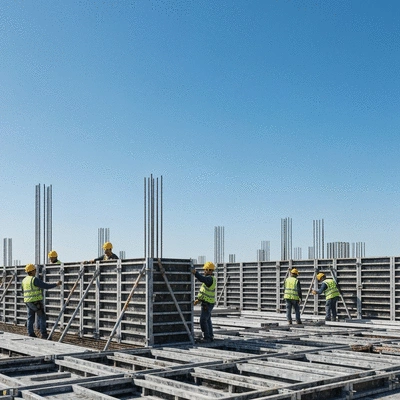
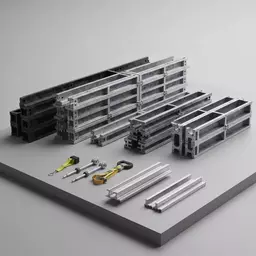
So, what is aluminum formwork? Essentially, it’s a lightweight and durable framework used to shape concrete as it sets. The system consists of modular panels made from aluminum, which are easy to assemble and disassemble. Once the concrete cures, the formwork can be removed and reused, making it a cost-effective choice!
What is Aluminum Formwork and How Does It Work?
Aluminum formwork operates by creating a cast that supports concrete until it reaches the desired strength. Here’s a quick breakdown of the process:
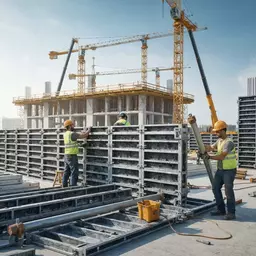
- Assembly: The formwork panels are assembled on site, forming the shape of the concrete slab.
- Pouring: Concrete is poured into the formwork, ensuring it fills every corner for a uniform structure.
- Curing: As the concrete sets, the panels hold their shape, providing stability.
- Removal: Once cured, the formwork is dismantled and can be reused for future projects.
This method not only speeds up the construction process but also minimizes waste, which aligns with our commitment to sustainable building practices at Concrete Slab Innovations!
The Role of Aluminum Formwork in Modern Construction Techniques
In today’s fast-paced construction environment, aluminum formwork plays a crucial role in enhancing project outcomes. Its modular design allows for rapid assembly, reducing labor costs and time on site. This flexibility means that contractors can adapt the formwork to various project specifications with ease.
- Versatility: Suitable for various building shapes and sizes.
- Efficiency: Faster setup leads to quicker project timelines.
- Cost-Effectiveness: Reduced labor and material costs overall.
By integrating aluminum formwork into their approaches, contract managers and engineers can experience significant improvements in both workflow and structural quality. For a deeper understanding of how such advanced systems contributed to the structural integrity of monumental projects, you can refer to insights on engineering the world's tallest buildings.
Key Innovations in Modular Construction Using Aluminum Formwork
Looking at the landscape of construction, several key innovations have emerged from using aluminum formwork. Here are a few noteworthy advancements that stand out:
- Integrated Systems: Many formwork systems now come with built-in safety features, reducing risks on site.
- Smart Technology: Innovations like sensors help monitor the curing process, ensuring optimal results.
- Eco-Friendly Options: Increasingly, the materials used are environmentally friendly, furthering our mission at Concrete Slab Innovations.
These innovations not only improve the construction process but also contribute to sustainable practices, which we strongly advocate. It’s exciting to see how these advancements are shaping the future of building! Further technical details regarding advanced construction methods, including formwork applications, can be found in resources like those provided by the ICC Building Safety Journal.
Interactive Poll: Share Your Thoughts!
As we explore the future of aluminum formwork in high-rise construction, we want to hear from you! What do you believe is the most significant advantage of using aluminum formwork in your projects?
Summarizing the Impact of Aluminum Formwork on Burj Khalifa Construction
The construction of the Burj Khalifa marked a significant milestone in the realm of high-rise buildings. One of the pivotal elements in this groundbreaking project was the use of aluminum formwork. This innovative approach not only enhanced construction speed but also ensured quality and structural integrity. Let's delve into some of the key takeaways from this impressive feat.
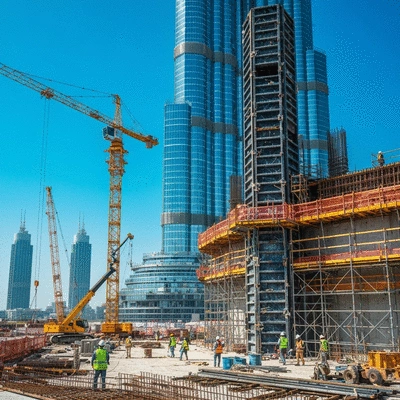
Key Takeaways on Construction Acceleration and Innovation
Aluminum formwork played a crucial role in accelerating the construction timeline of the Burj Khalifa. Here are some notable insights:
- Speed of Assembly: Aluminum formwork systems are lightweight and easy to install, which drastically reduces setup time.
- Streamlined Processes: The modular nature allows for quick reassembly and adaptability to complex architectural designs.
- Reduction in Labor Costs: Fewer workers are needed during setup, leading to significant labor savings.
- Enhanced Safety: The robust design minimizes risks, making it safer for crews on-site.
These factors combined to significantly shorten the construction schedule, enabling the project to meet its ambitious deadlines. It’s amazing to see how innovation like this can lead to such impressive outcomes! For more detailed studies on construction project management and efficiency, academic papers such as those available on Semantic Scholar offer valuable insights.
Looking Ahead: The Future of Aluminum Formwork in Mega Projects
As we look to the future, the potential of aluminum formwork in mega projects is truly exciting. Here are a few trends and possibilities:
- Increased Adoption: More projects are likely to adopt aluminum formwork due to its efficiency and cost-effectiveness.
- Technological Advancements: Continued innovations in formwork design and materials will enhance performance even further.
- Integration with Smart Technologies: Using data-driven approaches can optimize the use of formwork in real-time, improving project management.
At Concrete Slab Innovations, we are passionate about exploring these advancements. It's exhilarating to think about how these innovations will shape the future of building!
Integrating Building Information Modeling (BIM) for Efficient Project Delivery
Building Information Modeling (BIM) is set to transform how we approach construction projects. Here’s how integrating BIM with aluminum formwork can enhance efficiency:
- Improved Collaboration: BIM allows for better communication between architects, engineers, and contractors.
- Better Planning: Early visualization of projects helps identify potential issues before construction begins.
- Resource Optimization: Efficient resource allocation reduces waste and enhances productivity on-site.
By harnessing the power of BIM alongside aluminum formwork, we can achieve remarkable improvements in project delivery. The integration of these technologies is a game-changer for our industry!
Recap of Key Points
Here is a quick recap of the important points discussed in the article:
- Aluminum formwork is a lightweight and durable system that enhances efficiency in high-rise construction.
- The modular design allows for quick assembly, reducing labor costs and construction time.
- Key innovations include integrated safety features and smart technology for monitoring the curing process.
- Aluminum formwork played a crucial role in the construction of the Burj Khalifa, contributing to accelerated timelines and improved safety.
- Integrating Building Information Modeling (BIM) with aluminum formwork can lead to better collaboration and resource optimization.
Frequently Asked Questions (FAQs)
Aluminum formwork is a lightweight, durable, and reusable modular system used to shape concrete as it sets in construction projects. It consists of panels that are easy to assemble and disassemble.
It offers several benefits, including increased efficiency due to faster setup and quicker timelines, cost-effectiveness through reduced labor and material costs, versatility to adapt to various designs, and sustainability because it is reusable and minimizes waste.
In the Burj Khalifa's construction, aluminum formwork significantly accelerated the timeline, reduced labor needs, enhanced on-site safety through its robust design, and helped ensure the structural integrity and quality of the building.
Key innovations include integrated safety features, smart technologies like sensors to monitor the concrete curing process, and the increasing use of eco-friendly materials to promote sustainable building practices.
Integrating BIM with aluminum formwork enhances project delivery by improving collaboration among stakeholders, facilitating better planning through early visualization of designs, and optimizing resource allocation to reduce waste and boost productivity.

Aidan Cromwell
Aidan Cromwell is a seasoned construction professional and industry expert with a passion for innovative building solutions. With extensive experience in concrete slab construction and a deep understanding of modular formwork systems, Aidan strives to educate and empower contractors, engineers, and project managers. His insights are grounded in practical knowledge and a commitment to advancing construction efficiency and safety.
Popular Posts
Aluminum Formwork and Carbon Reduction
![Aluminum Formwork and Carbon Reduction]() What if the way we build could significantly impact our planet's future? Embracing aluminum formwork
What if the way we build could significantly impact our planet's future? Embracing aluminum formwork
 What if the way we build could significantly impact our planet's future? Embracing aluminum formwork
Aluminum Formwork: Storage and Transport
![Aluminum Formwork: Storage and Transport]() What if the longevity of your aluminum formwork could be dramatically increased just by changing how
What if the longevity of your aluminum formwork could be dramatically increased just by changing how
 What if the longevity of your aluminum formwork could be dramatically increased just by changing how
Train Your Crew for Efficient Assembly
![Train Your Crew for Efficient Assembly]() Investing in training can transform your construction project outcomes. With proper techniques and k
Investing in training can transform your construction project outcomes. With proper techniques and k
 Investing in training can transform your construction project outcomes. With proper techniques and k
Aluminum Formwork Load Engineering Guidelines
![Aluminum Formwork Load Engineering Guidelines]() Consider this: a single miscalculation in load engineering can lead to structural failures and finan
Consider this: a single miscalculation in load engineering can lead to structural failures and finan
 Consider this: a single miscalculation in load engineering can lead to structural failures and finan
