When planning a factory floor, understanding the importance of concrete slabs is crucial. These slabs are not just surfaces; they're the foundation of efficient industrial operations. What should you know to ensure you make the best choices for your project?
What You Will Learn
Definition: A factory floor concrete slab is a thick, flat surface designed to support heavy loads and withstand industrial conditions.
Types: Key types of slabs include reinforced, post-tensioned, and those with embedded heating elements, each tailored to specific site conditions.
Benefits: Concrete slabs are durable, cost-effective, flexible in design, and enhance safety by providing stable surfaces.
Concrete Mixes: Selecting the right mix, such as standard, high-strength, fiber-reinforced, or self-leveling, is essential for optimal performance.
Contractor Selection: Choose an experienced contractor who communicates well, has proper references, and adheres to safety regulations.
Quote Essentials: Understand labor costs, material estimates, timelines, and contingency costs when analyzing project quotes.
Quality Control: Ensure rigorous strength testing and continuous inspections are conducted to guarantee the longevity and integrity of your slab.
Concrete Slab Factory Floor Essentials
This visual outlines key aspects of factory floor concrete slabs, from their benefits and optimal mix types to crucial contractor selection criteria.
Understanding Factory Floor Concrete Slabs: What You Need to Know
When it comes to constructing a factory floor, understanding concrete slabs is essential. These slabs serve as the foundation for heavy machinery, storage, and workflow. But what exactly is a factory floor concrete slab? Let's dive in!
What is a Factory Floor Concrete Slab?
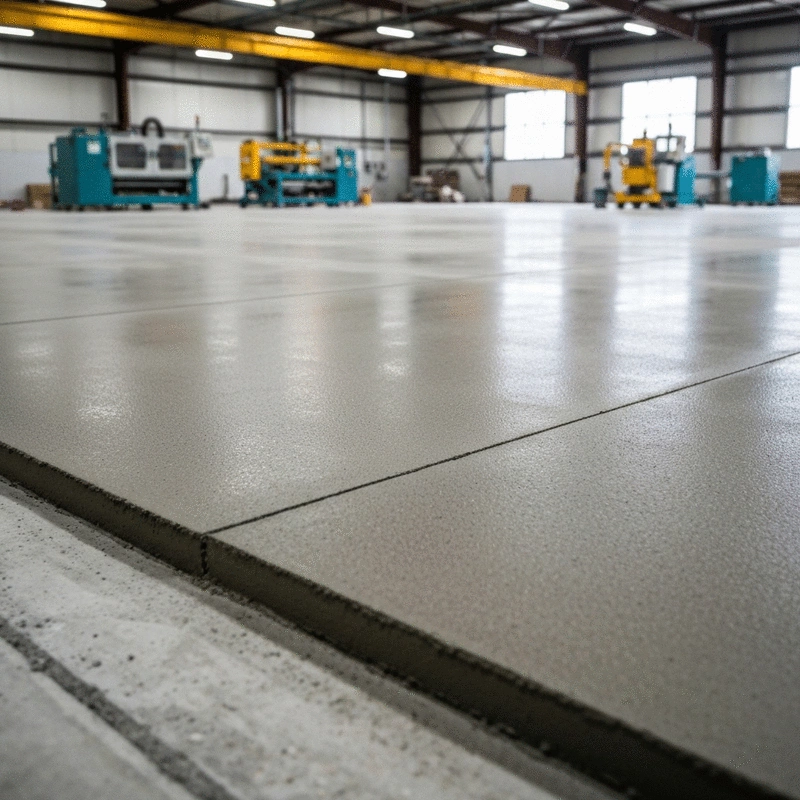
A factory floor concrete slab is a thick, flat surface created from concrete, specifically designed to support heavy loads and withstand the rigors of industrial environments. These slabs are typically poured on-site, utilizing advanced techniques to ensure they are durable and long-lasting. Why is this important? Because a reliable slab can significantly affect the overall efficiency of a facility.
There are several types of concrete slabs tailored for industrial use, including reinforced slabs, post-tensioned slabs, and even slabs with embedded heating elements. Each type is engineered to meet specific load requirements and site conditions. For an in-depth look at industrial concrete slabs, consult resources such as the Portland Cement Association's guide on Concrete Slabs on Ground for Warehouses. In my experience with Concrete Slab Innovations, I’ve seen how correctly designed slabs can make a world of difference in operational efficiency!
Key Benefits of Using Concrete Slabs in Industrial Environments
Using concrete slabs in factories offers numerous advantages. Here are some of the key benefits:
Durability: Concrete slabs are highly resistant to wear and tear, making them ideal for heavy machinery and foot traffic.
Cost-Effectiveness: With lower maintenance needs and longevity, investing in a concrete slab can save you money in the long run.
Flexibility: Concrete can be molded into various shapes and thicknesses, catering to specific design requirements.
Safety: A well-executed concrete slab minimizes risks associated with uneven surfaces, ensuring a safer work environment.
These benefits leverage both operational efficiency and safety, which are crucial for any industrial operation. Wouldn't you want to ensure that your factory floor can handle the demands of your business without skipping a beat?
Exploring Different Concrete Mixes for Optimal Performance
Choosing the right concrete mix is vital to achieving the desired performance for your factory floor slab. There are several mixes available, each with unique properties:
Standard Mix: A basic mix suitable for general use, often favored for its cost-effectiveness.
High-Strength Mix: Ideal for heavy load-bearing applications, this mix offers enhanced durability.
Fiber-Reinforced Mix: Includes fibers to improve crack resistance and overall toughness, perfect for busy industrial settings.
Self-Leveling Mix: Designed to spread evenly across surfaces, reducing the need for extensive finishing work.
In my experience, understanding the specific needs of your project helps in selecting the best concrete mix. This choice can dramatically impact the structural integrity and performance of your factory floor over time!
We Want to Hear From You!
What do you think about the importance of selecting the right concrete mix for your factory floor? Share your thoughts below:
Building Trust Through Transparency and Quality
When embarking on a factory floor project, one of the most critical steps is selecting the right concrete contractor. Trust is the foundation of any successful partnership, and with the right contractor, you can ensure that your project runs smoothly from start to finish. But how do you find this ideal partner? Let's explore some essential factors to consider when choosing a concrete contractor for your needs.
Choosing the Right Concrete Contractor for Your Project
Finding a knowledgeable contractor can significantly impact the outcome of your factory floor installation. Here are some points to consider:
Experience: Look for contractors with a proven track record in industrial concrete projects.
References: Ask for client testimonials or case studies that demonstrate their expertise.
Certifications: Verify if they hold necessary industry certifications and adhere to safety regulations.
Communication: Choose a contractor who is responsive and open to discussing your project needs.
By focusing on these qualities, you can feel confident in your selection and establish a partnership built on trust and transparency!
Understanding Quotes and Cost Structures: Making Informed Decisions
Receiving a detailed quote can help you understand the financial aspects of your project. However, quotes can vary significantly based on several factors. Here are key elements to look for in a comprehensive quote:
Labor Costs: Ensure these are clearly outlined, including the number of workers required.
Material Estimates: Check the types and quantities of concrete being used.
Timeline: Look for a proposed schedule that includes project milestones.
Contingency Costs: Understand any additional costs that may arise during construction.
By analyzing these components, you can make informed decisions and avoid unpleasant surprises during your project!
Quality Control and Strength Testing: Ensuring Project Success
To guarantee the longevity of your factory floor, quality control is essential. A reputable contractor will implement rigorous strength testing methods throughout the installation process. For detailed standards on concrete testing, you may refer to documents like ASTM E1155, which outlines standard test methods for determining floor flatness and levelness. Here’s what to expect:
Concrete Sampling: Regular samples should be taken during mixing for testing.
Compression Testing: This process measures the concrete's strength after curing to ensure it meets specifications.
Visual Inspections: Continuous inspections during the pour will help catch any issues early on.
Incorporating these practices not only assures the structural integrity of your slab but also helps in building trust with your contractor.
Next Steps for Your Factory Floor Project
Now that you have a better understanding of how to choose the right contractor and ensure quality, what's next? It’s time to take action!
Contacting Local Experts and Requesting Quotes
Start by reaching out to local concrete specialists who can provide tailored insights for your project. A good idea is to ask for quotes and compare their offerings based on the criteria discussed earlier. Remember, transparency is crucial—don't hesitate to ask questions! For guidance on floor slabs in facilities, including design and construction considerations, the Whole Building Design Guide offers comprehensive resources.
Further Reading and Resources for Informed Concrete Choices
To deepen your knowledge, consider exploring additional resources on concrete slab construction. Websites like Concrete Slab Innovations offer valuable guides, case studies, and expert insights that can empower you in making the best decisions for your factory floor project. Are you ready to take the next step in your concrete journey?
Recap of Key Points
Here is a quick recap of the important points discussed in the article:
Understanding Concrete Slabs: Factory floor concrete slabs provide a durable foundation for heavy machinery and workflow.
Key Benefits: Concrete slabs are known for durability, cost-effectiveness, flexibility, and safety in industrial environments.
Concrete Mix Options: Selecting the right concrete mix (Standard, High-Strength, Fiber-Reinforced, Self-Leveling) is crucial for optimal performance.
Choosing the Right Contractor: Prioritize experience, references, certifications, and effective communication when selecting a concrete contractor.
Understanding Quotes: Ensure clarity on labor costs, material estimates, timelines, and potential contingency costs in your project quotes.
Quality Control: Implementing rigorous strength testing and quality control measures is essential for the longevity of your factory floor slab.
Frequently Asked Questions (FAQs)
A factory floor concrete slab is a thick, flat concrete surface specifically designed to support heavy loads and withstand the demanding conditions of industrial environments. It serves as the foundation for machinery, storage, and operational workflow.
Concrete slabs offer significant benefits including high durability against wear and tear, cost-effectiveness due to low maintenance and longevity, design flexibility to meet specific requirements, and enhanced safety by providing stable, even surfaces.
The right concrete mix depends on your project's specific needs. Options include Standard Mix for general use, High-Strength Mix for heavy loads, Fiber-Reinforced Mix for crack resistance, and Self-Leveling Mix for even spreading. Understanding your application's requirements is key to making the best choice.
When choosing a contractor, prioritize experience in industrial concrete projects, ask for references or case studies, verify industry certifications and adherence to safety regulations, and ensure they demonstrate clear and responsive communication.
A comprehensive quote should clearly outline labor costs, detailed material estimates (including types and quantities of concrete), a proposed project timeline with milestones, and potential contingency costs for unforeseen issues.
Quality control is crucial for ensuring the longevity and structural integrity of your factory floor slab. It involves rigorous strength testing through concrete sampling and compression testing, as well as continuous visual inspections during the pouring process to catch and address issues early.
Aidan Cromwell
Aidan Cromwell is a seasoned construction professional and industry expert with a passion for innovative building solutions. With extensive experience in concrete slab construction and a deep understanding of modular formwork systems, Aidan strives to educate and empower contractors, engineers, and project managers. His insights are grounded in practical knowledge and a commitment to advancing construction efficiency and safety.
Concrete Slab Innovations is dedicated to advancing concrete slab construction through innovative aluminum formwork systems. Our mission is to provide contractors, engineers, and project managers with cutting-edge methods for safe and precise slab support.
Optimize your concrete slab projects by integrating modular aluminum formwork. Its lightweight design significantly cuts down on labor and setup time!
Enhance project efficiency by understanding the high-load capacity of modern aluminum systems. This ensures structural integrity and faster pour cycles!
Reduce material costs and waste by choosing reusable aluminum formwork. A sustainable choice that also boosts your bottom line!
Prioritize job site safety with robust aluminum formwork. Its stable design minimizes risks during the critical concrete pouring phase.
Streamline your project timelines. Modular aluminum formwork allows for quicker assembly and dismantling, speeding up overall construction.
Achieve consistent slab quality through precise formwork alignment. High-quality systems ensure accurate dimensions and a superior finish.
Educate your team on the benefits of innovative formwork. A knowledgeable crew is crucial for maximizing efficiency and safety.
Explore case studies of successful projects utilizing advanced formwork. Learn from real-world applications to inform your next build.
Consider the long-term economic advantages of investing in quality formwork systems. Durability means less replacement and better ROI.
Implement rigorous quality control checks during formwork setup. Precision at this stage prevents costly rework later.
Stay updated on the latest advancements in concrete technology and formwork. Continuous learning keeps your projects cutting-edge.
Consult with formwork specialists to tailor solutions to your specific project needs. Custom approaches yield optimized results.
Document your formwork processes for consistency and training. Standardized procedures improve efficiency and reduce errors.
Regular maintenance of your formwork equipment extends its lifespan and ensures reliable performance on every job.
Ready to elevate your concrete slab projects? Dive into our resources to discover how innovative formwork can transform your construction practices!