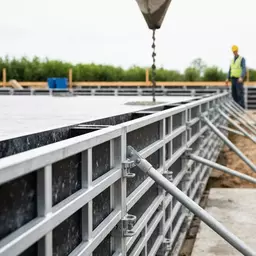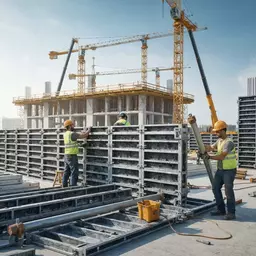
Essential Components
- Concrete: Base material
- Reinforcing Steel: Strength & crack resistance
- Vapor Barriers: Moisture prevention
These elements ensure integrity and longevity.
Have you considered how a simple construction method can significantly influence your project’s success? Understanding the fundamentals of slab-on-grade foundations could streamline your building process and save you time and money.
Understanding the critical factors influencing slab-on-grade foundations, from essential components to environmental impacts, is vital for project success.
These elements ensure integrity and longevity.
Slab foundations generally more cost-effective.
Crucial for stability and longevity.
Sustainable practices reduce carbon footprint.
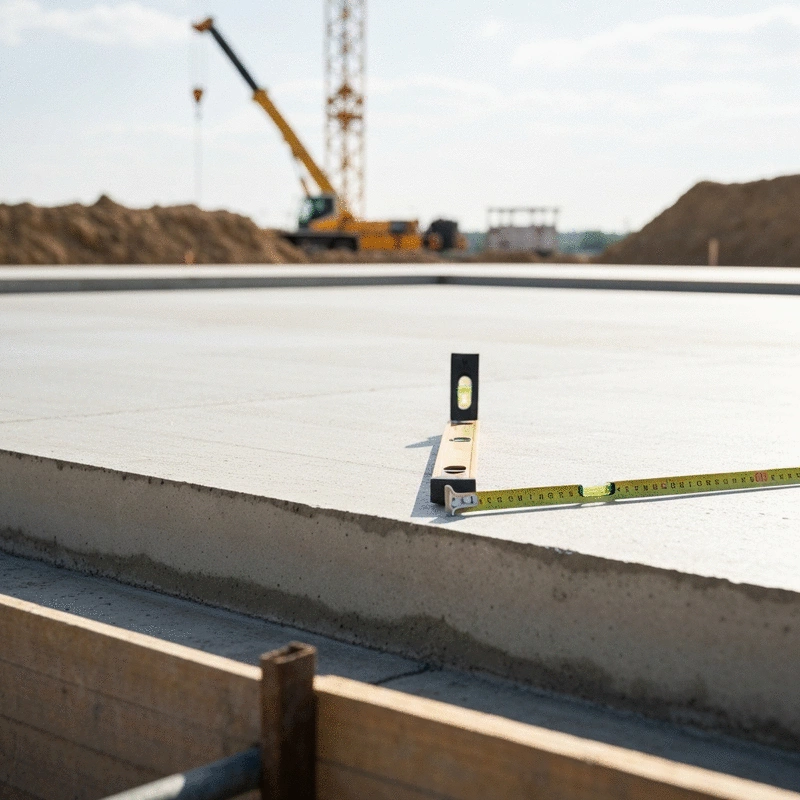
A slab-on-grade foundation, often referred to as a floating slab, is a type of foundation where a single concrete slab is poured directly on the ground. This foundation is particularly popular in warm climates, where frost heave is less of a concern. The simplicity of this design allows for quick installation and often reduces costs when compared to more complex foundation types.
Typically, slab-on-grade foundations are used for residential homes, commercial buildings, and garages. The benefits of a slab-on-grade foundation include stability and ease of construction, making it a preferred choice for many builders and contractors. Have you ever thought about how much time could be saved with this straightforward approach?
When constructing a slab foundation, there are several essential components to consider:
Each of these elements plays a crucial role in maintaining the integrity of the foundation. For instance, reinforcing steel is vital for supporting heavy loads and minimizing potential cracking over time. It’s fascinating to see how these basic materials work together to create a solid foundation for any structure!
The success of a slab-on-grade foundation is heavily influenced by soil type and site drainage. Soils that are well-draining, like sandy soils, tend to provide a stable base. Conversely, clay soils can expand and contract with moisture changes, potentially leading to foundation issues. Understanding soil properties is essential; the USDA's design guide for concrete structures provides valuable insights into planning for floors and slabs-on-ground.
Additionally, proper drainage is essential to prevent water accumulation around the foundation. Effective site drainage mitigates the risk of moisture damage and contributes to the slab's overall longevity. Have you assessed your project site for these crucial factors yet? It's a step that should never be overlooked!
What do you think about the importance of soil type and site drainage for slab-on-grade foundations? Share your thoughts and experiences below:
When planning a slab foundation, understanding the cost factors is crucial. Various elements can influence the overall price, including materials, labor, and site conditions. For instance, using high-quality concrete and reinforcing steel will impact your budget, but these investments can lead to a more durable foundation!
Here are some key factors that typically affect cost:
When comparing slab foundations to other types, such as raised foundations, you might find that slab foundations are generally more cost-effective. Their quicker installation can save on both time and labor costs. Always aim for a detailed budget plan that takes these variables into account!
Adhering to building codes and local regulations is not just a best practice; it's essential for ensuring safety and structural integrity. In my experience at Concrete Slab Innovations, I've seen how compliance can significantly impact project success. Regulations can vary by location, so it's important to check with your local building authority. For information on code compliance, particularly regarding insulation, the Building America Solution Center provides resources on slab-on-grade insulation code compliance.
Here are some common codes and regulations to consider:
Failing to follow these guidelines can lead to costly fines or even project delays. It’s always worth consulting with professionals who understand these local nuances to help navigate the complexities.
In today’s world, sustainability matters more than ever! When planning your slab foundation project, consider the environmental impact of your choices. For instance, opting for recyclable materials and energy-efficient practices can greatly reduce your carbon footprint. I've seen how small decisions can lead to significant improvements in sustainability.
Here are some environmental considerations to keep in mind:
By focusing on sustainable practices, not only can you contribute to a healthier environment, but you may also benefit from cost savings in the long run!
Before diving into your foundation project, I highly encourage you to seek expert advice. Consulting with experienced contractors, engineers, or local construction professionals will help ensure that you are well-informed about the best practices and local regulations. Connecting with knowledgeable individuals can save you time and resources while enhancing the overall project quality.
In summary, understanding slab-on-grade foundations offers you a competitive edge in your construction projects. From considering costs to adhering to building codes and implementing sustainable practices, each step is vital. At Concrete Slab Innovations, we are committed to supporting professionals like you in navigating these complexities for a successful outcome. Are you ready to take your foundation project to the next level?
Here is a quick recap of the important points discussed in the article:
Aidan Cromwell is a seasoned construction professional and industry expert with a passion for innovative building solutions. With extensive experience in concrete slab construction and a deep understanding of modular formwork systems, Aidan strives to educate and empower contractors, engineers, and project managers. His insights are grounded in practical knowledge and a commitment to advancing construction efficiency and safety.