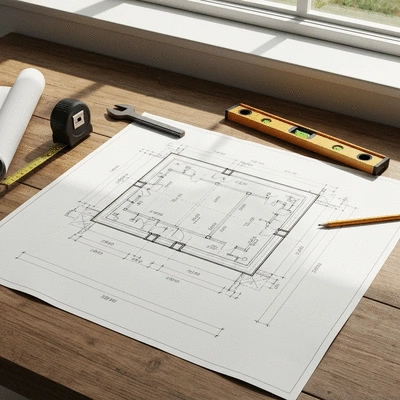
Consider this: choosing the right foundation for your home can significantly affect its durability and energy efficiency. Slab foundations are a popular choice for many builders and homeowners due to their straightforward installation and low maintenance. Let's explore the essential insights that can guide your decision-making process in construction.
What You Will Learn
Slab foundations are typically 4-6 inches thick and reinforced with steel, providing a solid base for homes.
They offer reduced energy costs through thermal mass properties, helping maintain comfortable indoor temperatures.
Minimal excavation is required, making slab foundations a cost-effective choice in stable soil conditions.
Investing in a geotechnical report before construction is crucial for assessing soil suitability and minimizing risks.
Key Aspects of Slab Foundation Houses
Slab foundations are a popular choice in home construction due to their straightforward installation and durability. Below, we highlight their key characteristics and the critical role concrete plays in their success.
Slab Foundation Characteristics
✓Minimal excavation and grading needed
✓Greater resistance to termites and pests
✓Lower likelihood of flooding in certain climates
Role of Concrete in Slabs
✓Reinforced with steel to enhance load-bearing capacity
✓Proper curing ensures maximum strength
✓Innovative mixtures improve resistance to cracking
Key Factors for Decision Making
●Local Soil Conditions
●Climate Considerations
●Future Needs & Accessibility
●Budget Constraints
Importance of a Geotechnical Report
✓Identifies soil suitability for structural weight
✓Reveals potential risks like groundwater or erosion
✓Provides recommendations for site prep and design
Understanding Slab Foundations: An Overview of "Slab Foundation House"
When diving into the world of home construction, understanding slab foundations is crucial. A slab foundation is a single layer of concrete that is poured directly on the ground, providing a solid base for your home. This type of foundation is widely recognized for its straightforward installation and durability, making it a popular choice among builders and homeowners alike.
At Concrete Slab Innovations, we believe in empowering you with knowledge about modern construction techniques. A solid grasp of slab foundations can not only help you appreciate the efficiency of your home but also guide you in making informed decisions when building or renovating.
What is a Slab Foundation?
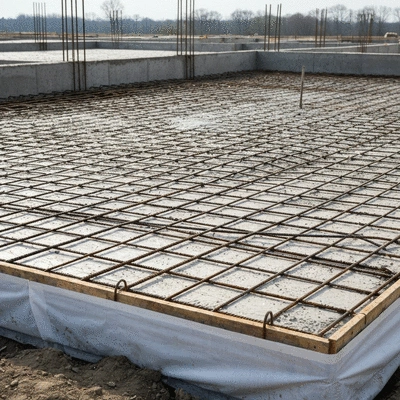
A slab foundation is essentially a thick, flat piece of concrete that serves as the base for a house. Unlike traditional foundations that involve deep excavation and footings, a slab sits directly on the ground, offering several benefits in construction. Do you know how this can expedite the building process? By eliminating the need for extensive digging, contractors can save both time and labor costs!
Typically 4-6 inches thick
Reinforced with steel bars for added strength
Includes a moisture barrier to prevent water damage
This foundation method is designed to be durable and low-maintenance, making it an attractive option for many homeowners. As a construction expert, I’ve witnessed firsthand how effective slab foundations can be in providing a solid basis for a well-constructed home.
Key Characteristics of Slab Foundation Houses
Homes built on slab foundations share some unique characteristics that set them apart. First, they typically have a lower profile, which can enhance aesthetic appeal. Additionally, slab foundations often lead to reduced energy costs due to their thermal mass properties, keeping homes cooler in the summer and warmer in the winter.
Minimal excavation and grading needed
Greater resistance to termites and pests
Lower likelihood of flooding in certain climates
In areas where soil stability is a concern, slab foundations can be an excellent choice. Their design helps minimize the risks associated with shifting soils, which can be a frequent issue with more traditional foundations. For more details on the characteristics and benefits, you can refer to this technical guide on slab-on-grade foundations.
The Role of Concrete in Slab Foundation Construction
Concrete plays a pivotal role in the construction of slab foundations. Its strength and durability are paramount, as it must support the entire weight of the structure above it. At Concrete Slab Innovations, we recognize the importance of using high-quality concrete mixes to achieve optimal slab performance.
Concrete is reinforced with steel to enhance load-bearing capacity.
Proper curing ensures the slab achieves maximum strength.
Innovative mixtures can improve resistance to cracking.
It's fascinating to see how advancements in concrete technology have contributed to the evolution of slab foundations. By utilizing modern concrete products, we can further enhance the efficiency and longevity of our builds.
Pro Tip
Did you know? Investing in a geotechnical report before choosing a slab foundation can save you significant time and money in the long run. This report assesses soil conditions, helping to identify potential issues and ensuring your foundation is designed for optimal performance.
Making an Informed Decision on Slab Foundation Houses
When it comes to selecting the right foundation for your home, making an informed decision is crucial. Slab foundations offer a range of benefits, but they also come with considerations that should not be overlooked. Here are some key factors to consider before choosing a slab foundation:
Local Soil Conditions: Understanding the type of soil in your area is vital. Certain soils can be more prone to shifting, which may affect the stability of a slab foundation.
Climate Considerations: The climate can impact how well a slab foundation performs. In regions with heavy rainfall, adequate drainage is essential to prevent water accumulation. For instance, flood-resistant raised slab foundations are an excellent solution in such areas, as outlined by the Building America Solution Center.
Future Needs: Think about your long-term plans. Will you need access for plumbing or electrical updates? Slab foundations can present challenges in this area.
Budget Constraints: While slab foundations can be cost-effective, make sure to factor in all costs related to site preparation and any potential modifications needed down the road.
By weighing these factors, you can ensure that a slab foundation aligns with your needs and expectations. At Concrete Slab Innovations, I’ve seen firsthand how critical it is to evaluate the specific requirements of each project to achieve the best possible outcomes.
Final Thoughts on Slab Foundations and Your Home
Ultimately, choosing a slab foundation is about balancing benefits with the challenges it may present. One of the key advantages is cost savings during construction, which can significantly impact your overall budget. However, it’s important to consider potential long-term maintenance and issues that could arise.
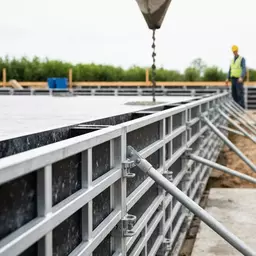
Embracing innovations in concrete slab technology can also enhance your project. For instance, using aluminum formwork systems not only improves efficiency but also ensures greater structural integrity. Imagine cutting down on construction time while boosting quality!
Engaging with Experts and Resources
Finding Qualified Professionals for Slab Foundation Projects
When it comes to constructing a slab foundation, engaging with the right professionals is essential. Look for contractors who specialize in concrete slab construction and have a solid track record. Here are some tips for finding the right experts:
Check Credentials: Verify their licenses and insurance to ensure they meet industry standards.
Request References: Ask for references and review past projects to gauge their expertise and reliability.
Seek Recommendations: Connect with local builders or friends who have undertaken similar projects for trusted recommendations.
Get Multiple Quotes: Comparing quotes can help you understand the market rates and find the best value for your investment.
At Concrete Slab Innovations, we emphasize the importance of collaboration with knowledgeable professionals who can guide you through every step of the process.
Resources and Guides for Homeowners Considering Slab Foundations
For homeowners looking to deepen their understanding of slab foundations, there are valuable resources available. From detailed guides to case studies, educating yourself can empower better decision-making. Some recommended resources include:
Online Courses: Many platforms offer courses on foundation construction fundamentals.
Industry Publications: Subscribe to magazines dedicated to construction and engineering for the latest insights.
Workshops and Seminars: Participating in local workshops can provide hands-on learning opportunities.
By leveraging these resources, you can better assess the suitability of slab foundations for your project and ensure you’re making informed choices.
The Importance of a Geotechnical Report Before Construction
Before moving forward with a slab foundation, obtaining a geotechnical report is a vital step. This report provides essential data about the soil's composition and stability, which directly impacts the foundation's performance. Here’s why this report is crucial:
Soil Suitability: It helps identify whether the soil can support the weight of your structure.
Risk Assessment: The report can reveal potential risks, such as groundwater presence or soil erosion issues.
Construction Recommendations: Based on the findings, recommendations for site preparation and foundation design can be made. For comprehensive guidance on foundation design, consider consulting resources like the Foundation Handbook, which offers detailed information on various aspects, including geotechnical considerations.
In my experience at Concrete Slab Innovations, we often find that investing in a geotechnical report upfront can save homeowners significant time and money down the line. It’s about laying a solid foundation for your future—literally!
Frequently Asked Questions About Slab Foundations
What is a slab foundation?
A slab foundation is a single layer of concrete, typically 4-6 inches thick, poured directly on the ground to serve as the base for a house. It is reinforced with steel bars and includes a moisture barrier.
What are the main benefits of a slab foundation?
Slab foundations offer several benefits, including straightforward installation, durability, lower construction costs due to minimal excavation, resistance to termites and pests, and reduced energy costs through thermal mass properties.
How does concrete contribute to the strength of a slab foundation?
Concrete's strength and durability are crucial. It is reinforced with steel to enhance load-bearing capacity, and proper curing ensures maximum strength. Innovative concrete mixtures also improve resistance to cracking.
What factors should I consider before choosing a slab foundation?
Key factors include local soil conditions, climate considerations (especially in areas prone to heavy rainfall), future needs for plumbing or electrical access, and budget constraints. A geotechnical report is highly recommended to assess soil suitability.
Why is a geotechnical report important for slab foundation construction?
A geotechnical report provides vital data on soil composition and stability. It helps identify if the soil can support the structure, reveals potential risks like groundwater or erosion, and offers recommendations for site preparation and foundation design, ultimately saving time and money.
Recap of Key Points
Here is a quick recap of the important points discussed in the article:
A slab foundation is a single layer of concrete poured directly on the ground, providing a durable and low-maintenance base for homes.
Key benefits include minimal excavation, resistance to pests, and reduced energy costs due to thermal mass properties.
Understanding local soil conditions and climate considerations is crucial for selecting a suitable foundation type.
Engaging qualified professionals and obtaining a geotechnical report can help ensure the success of your slab foundation project.
Utilizing innovative concrete technologies enhances the efficiency and longevity of slab foundations.
Aidan Cromwell
Aidan Cromwell is a seasoned construction professional and industry expert with a passion for innovative building solutions. With extensive experience in concrete slab construction and a deep understanding of modular formwork systems, Aidan strives to educate and empower contractors, engineers, and project managers. His insights are grounded in practical knowledge and a commitment to advancing construction efficiency and safety.
Concrete Slab Innovations is dedicated to advancing concrete slab construction through innovative aluminum formwork systems. Our mission is to provide contractors, engineers, and project managers with cutting-edge methods for safe and precise slab support.
Optimize your concrete slab projects by integrating modular aluminum formwork. Its lightweight design significantly cuts down on labor and setup time!
Enhance project efficiency by understanding the high-load capacity of modern aluminum systems. This ensures structural integrity and faster pour cycles!
Reduce material costs and waste by choosing reusable aluminum formwork. A sustainable choice that also boosts your bottom line!
Prioritize job site safety with robust aluminum formwork. Its stable design minimizes risks during the critical concrete pouring phase.
Streamline your project timelines. Modular aluminum formwork allows for quicker assembly and dismantling, speeding up overall construction.
Achieve consistent slab quality through precise formwork alignment. High-quality systems ensure accurate dimensions and a superior finish.
Educate your team on the benefits of innovative formwork. A knowledgeable crew is crucial for maximizing efficiency and safety.
Explore case studies of successful projects utilizing advanced formwork. Learn from real-world applications to inform your next build.
Consider the long-term economic advantages of investing in quality formwork systems. Durability means less replacement and better ROI.
Implement rigorous quality control checks during formwork setup. Precision at this stage prevents costly rework later.
Stay updated on the latest advancements in concrete technology and formwork. Continuous learning keeps your projects cutting-edge.
Consult with formwork specialists to tailor solutions to your specific project needs. Custom approaches yield optimized results.
Document your formwork processes for consistency and training. Standardized procedures improve efficiency and reduce errors.
Regular maintenance of your formwork equipment extends its lifespan and ensures reliable performance on every job.
Ready to elevate your concrete slab projects? Dive into our resources to discover how innovative formwork can transform your construction practices!