What if your construction projects could be completed faster, with better quality finishes, and at a lower cost? Understanding aluminum formwork can transform your concrete pouring process and elevate your results.
What You Will Learn
Aluminum formwork is significantly lighter than traditional materials, making it easier to transport and set up.
Using aluminum formwork can lead to reduced labor costs and faster project timelines due to its modular design.
The smooth surface of aluminum results in high-quality concrete finishes, enhancing the overall aesthetic of the structure.
Implementing proper installation and pouring techniques is essential for achieving a smooth concrete surface.
Exploring various formwork systems can optimize performance based on specific project needs.
Establishing clear performance metrics helps assess the effectiveness of your concrete finishing techniques.
Advantages of Aluminum Formwork and Project Success Metrics
Aluminum formwork offers significant advantages in concrete construction, leading to tangible improvements in cost, time, and quality. Below are key benefits and success indicators from case studies.
Aluminum Formwork Advantages
✓ Reduced Weight
✓ Cost Efficiency
✓ Quality Finish
✓ Environmental Impact
(Benefits leading to faster setups and reduced waste)
Key Success Metrics
● 30% Labor Cost Reduction
● Increased Finish Quality
● Faster Assembly/Disassembly
● Enhanced Safety
(Tangible improvements from case studies)
Understanding Aluminum Formwork for Smooth Concrete Finishes
When it comes to achieving the perfect concrete finish, understanding aluminum formwork is crucial. These systems are not just a trend; they are a revolution in the way we think about concrete pouring. The lightweight and durable nature of aluminum allows for more precise pours and quicker setups. So, how does aluminum formwork stand out in the world of construction? Let’s dive into its advantages!
What is Aluminum Formwork and Its Advantages?
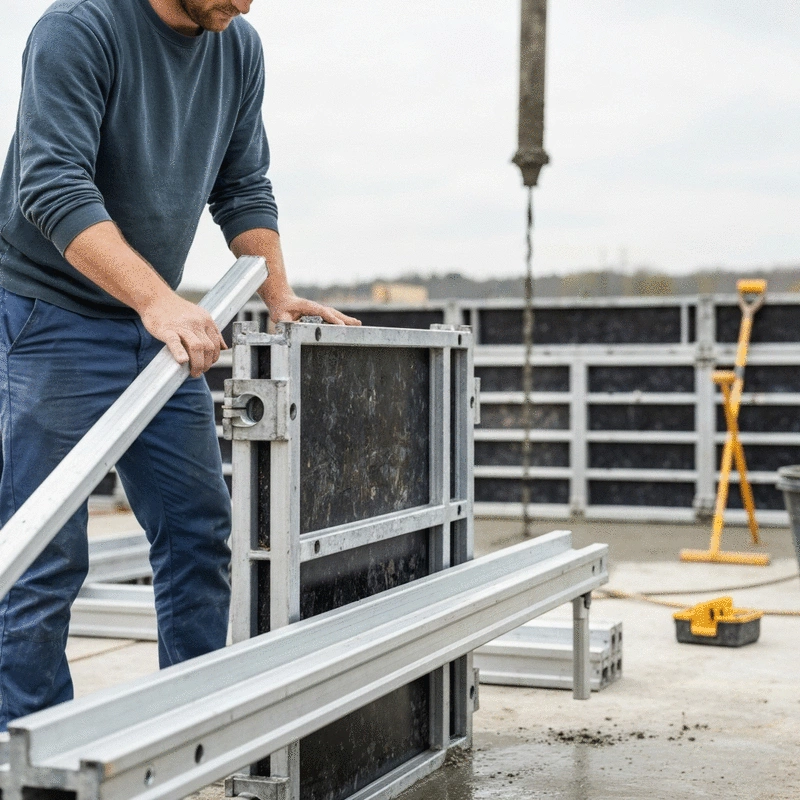
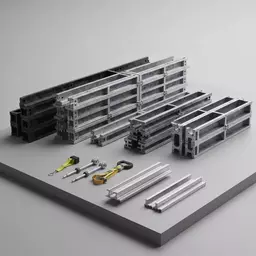
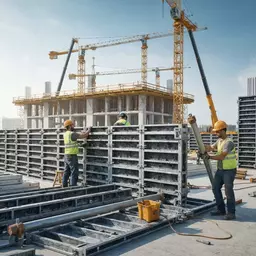
Aluminum formwork is a forming system that utilizes lightweight aluminum panels to create the shape of a concrete slab. This innovative solution offers numerous benefits, including:
Reduced Weight: Aluminum is significantly lighter than traditional materials like plywood or steel, making it easier to handle and transport. For more information on the benefits of lightweight systems, consider resources from organizations like the International Organization for Standardization (ISO), which often covers material specifications and their impact on construction efficiency.
Cost Efficiency: The modular design leads to faster setups and reduces labor costs, allowing projects to stay on schedule and within budget. Research from industry associations, such as the American Concrete Institute (ACI), frequently highlights how innovative formwork systems contribute to project cost savings and improved timelines.
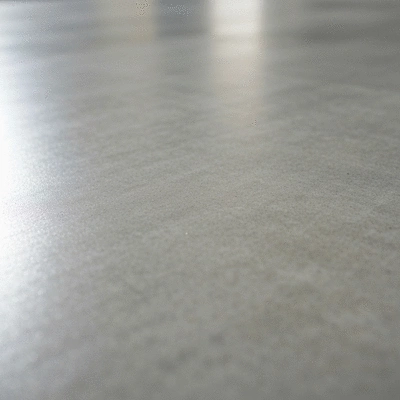
Quality Finish: The smooth surface of aluminum ensures a high-quality concrete finish, enhancing the aesthetic appeal of the structure.
Environmental Impact: Using aluminum reduces the amount of waste generated from formwork, contributing to more sustainable building practices. Further details on sustainable construction materials can be found through environmental engineering journals or reputable sustainability organizations.
As someone deeply engaged in concrete slab construction, I can assure you that making the switch to aluminum formwork can lead to impressive results. Imagine cutting down on setup time while enhancing the overall quality of your projects!
Key Factors for Achieving a Smooth Concrete Surface
To truly harness the benefits of aluminum formwork, it's essential to understand the key factors that contribute to achieving a smooth concrete surface. Here are some of the most important considerations:
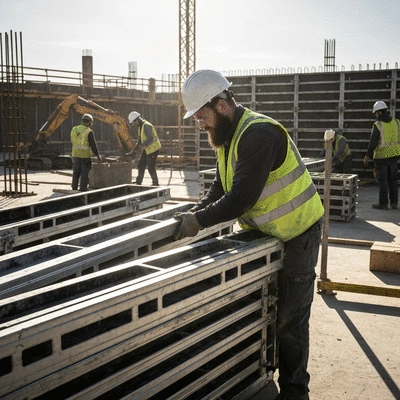
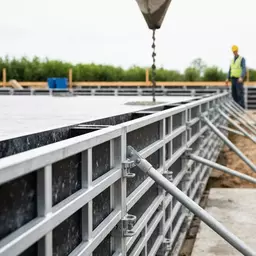
Proper Formwork Installation: Ensure that the panels are securely fastened and properly aligned to avoid any shifts during the pour.
Consistent Pouring Technique: Use controlled pouring methods to minimize air pockets and ensure even distribution of the concrete mix.
Optimal Curing Conditions: Maintain appropriate temperature and humidity levels during curing to prevent cracking and surface defects.
By focusing on these factors, you can significantly improve the quality of your concrete finishes. It’s all about laying the groundwork for success from the very beginning!
Exploring Different Formwork Systems for Enhanced Performance
While aluminum formwork is a fantastic choice, there are various systems available, each with its unique advantages. Depending on the project requirements, exploring different options can optimize performance. Here are a few systems to consider:
Modular Formwork: Perfect for repetitive elements, modular formwork can significantly reduce costs and time.
Precast Concrete Panels: These can be manufactured off-site, ensuring quality and reducing on-site construction time.
Hybrid Systems: Combining traditional materials with aluminum can also provide the best of both worlds for specific applications.
In my experience, selecting the right formwork system tailored to the project can lead to enhanced efficiency and superior end results. Every project is unique, and understanding your options is key to making informed decisions that impact both quality and cost.
Interactive Poll: Your Experience Matters!
Have you ever used aluminum formwork in your concrete projects? We’d love to hear about your experience! Please share your thoughts:
Frequently Asked Questions About Aluminum Formwork
Aluminum formwork offers several key advantages, including significantly reduced weight for easier handling and transport, greater cost efficiency due to faster setups and reduced labor, and a smoother surface that results in high-quality concrete finishes. It also contributes to better environmental impact by reducing waste.
Its modular and lightweight design allows for much faster assembly and disassembly compared to traditional formwork systems. This efficiency directly translates to reduced labor hours and quicker project completion, helping projects stay within budget and on schedule.
Key factors include proper installation of the formwork, ensuring panels are securely fastened and aligned; consistent pouring techniques to minimize air pockets; and maintaining optimal curing conditions (temperature and humidity) to prevent defects like cracking.
Yes, depending on project needs, other systems like modular formwork for repetitive elements, precast concrete panels for off-site manufacturing and faster on-site assembly, and hybrid systems combining aluminum with traditional materials can also offer enhanced performance and efficiency.
To assess effectiveness, establish clear performance metrics. These include evaluating surface smoothness and consistency, tracking time efficiency for each pour, and analyzing cost per square foot. Before-and-after comparisons and case studies of successful projects can also provide valuable insights.
Evaluating the Effectiveness of Your Techniques
When it comes to assessing the success of your concrete finishing techniques, before-and-after comparisons are invaluable. These comparisons not only highlight the improvements made through your chosen methods, but they also provide tangible evidence of the effectiveness of aluminum formwork systems. By documenting the transitions, you can identify patterns and insights that may be useful for future projects.
Consider setting benchmarks for both initial conditions and final results. This approach encourages better planning and execution, ultimately leading to smoother finishes and satisfied clients.
Before-and-After Comparisons: What to Expect
As you evaluate your work, you should look for specific indicators that demonstrate improvement. Here are some essential factors to consider:
Surface Smoothness: Assess the tactile quality of the finish. Is it even and free of blemishes?
Consistency: Check for uniformity across the entire slab. Are there noticeable differences in texture or color?
Durability: Evaluate how well the finish holds up over time. Are there signs of wear or damage?
By tracking these elements, you'll gain a clearer picture of the impact your techniques have on the overall quality of your work.
Case Studies of Successful Aluminum Formwork Projects
At Concrete Slab Innovations, we've seen firsthand the advantages that aluminum formwork can bring to various projects. For example, one contractor we partnered with implemented our aluminum formwork system on a large commercial site. Not only did they achieve a remarkable 30% reduction in labor costs, but they also reported a significant increase in their finish quality!
Below are key takeaways from our case studies:
Quick Setup: The lightweight nature of aluminum allows for faster assembly and disassembly.
Cost Savings: By reducing labor hours, projects can stay within budget while maintaining high standards.
Enhanced Safety: Contractors noted fewer incidents thanks to the stability provided by aluminum formwork.
These success stories reinforce the importance of choosing the right systems for optimal outcomes.
Performance Metrics: Assessing Your Concrete Finishing Results
To truly understand the effectiveness of your concrete finishes, you need to establish clear performance metrics. This involves measuring critical aspects such as:
Finish Quality: Evaluate the surface finish for smoothness and uniformity.
Time Efficiency: Track how long it takes to complete each pour and finish.
Cost Per Square Foot: Analyze the overall expenditures in relation to the square footage.
Collecting this data will not only help you refine your techniques but will also provide a competitive edge in your future projects. Remember, consistent evaluation leads to continuous improvement!
Recap of Key Points
Here is a quick recap of the important points discussed in the article:
Aluminum Formwork Benefits: Lightweight and durable, leading to quicker setups and precise concrete pours.
Key Factors for Smooth Finishes: Ensure proper installation, maintain consistent pouring techniques, and optimize curing conditions.
Performance Metrics: Establish benchmarks for surface smoothness, consistency, and durability of concrete finishes.
Exploring Formwork Systems: Consider modular, precast, and hybrid systems to enhance project efficiency and outcomes.
Case Studies: Successful projects show significant labor cost reductions and improved finish quality with aluminum formwork.
Aidan Cromwell
Aidan Cromwell is a seasoned construction professional and industry expert with a passion for innovative building solutions. With extensive experience in concrete slab construction and a deep understanding of modular formwork systems, Aidan strives to educate and empower contractors, engineers, and project managers. His insights are grounded in practical knowledge and a commitment to advancing construction efficiency and safety.
Concrete Slab Innovations is dedicated to advancing concrete slab construction through innovative aluminum formwork systems. Our mission is to provide contractors, engineers, and project managers with cutting-edge methods for safe and precise slab support.
Optimize your concrete slab projects by integrating modular aluminum formwork. Its lightweight design significantly cuts down on labor and setup time!
Enhance project efficiency by understanding the high-load capacity of modern aluminum systems. This ensures structural integrity and faster pour cycles!
Reduce material costs and waste by choosing reusable aluminum formwork. A sustainable choice that also boosts your bottom line!
Prioritize job site safety with robust aluminum formwork. Its stable design minimizes risks during the critical concrete pouring phase.
Streamline your project timelines. Modular aluminum formwork allows for quicker assembly and dismantling, speeding up overall construction.
Achieve consistent slab quality through precise formwork alignment. High-quality systems ensure accurate dimensions and a superior finish.
Educate your team on the benefits of innovative formwork. A knowledgeable crew is crucial for maximizing efficiency and safety.
Explore case studies of successful projects utilizing advanced formwork. Learn from real-world applications to inform your next build.
Consider the long-term economic advantages of investing in quality formwork systems. Durability means less replacement and better ROI.
Implement rigorous quality control checks during formwork setup. Precision at this stage prevents costly rework later.
Stay updated on the latest advancements in concrete technology and formwork. Continuous learning keeps your projects cutting-edge.
Consult with formwork specialists to tailor solutions to your specific project needs. Custom approaches yield optimized results.
Document your formwork processes for consistency and training. Standardized procedures improve efficiency and reduce errors.
Regular maintenance of your formwork equipment extends its lifespan and ensures reliable performance on every job.
Ready to elevate your concrete slab projects? Dive into our resources to discover how innovative formwork can transform your construction practices!