Aluminum Formwork in Airport Projects

7. Aluminum Formwork in Airport Construction: Case Studies and Best Practices

As airports evolve to meet increased air traffic demands, innovative construction methods are paramount. Notably, aluminum formwork is changing the landscape of airport design, enabling rapid, efficient construction while enhancing quality and safety.

What You Will Learn

  • Aluminum formwork significantly reduces labor and material costs, leading to more efficient project budgets.
  • The lightweight nature of aluminum formwork allows for faster assembly and disassembly, improving project timelines by up to 30%.
  • This modular system enhances design flexibility, accommodating complex shapes and sustainable practices.
  • Implementing aluminum formwork can lead to improved safety and quality assurance on construction sites.

Efficiency and Sustainability in Airport Construction with Aluminum Formwork

The following visual illustrates key benefits and future trends of aluminum formwork in airport construction, highlighting improvements in speed, quality, and adaptability.

Key Benefits of Aluminum Formwork

  • Projects completed up to 30% faster
  • Precise & Consistent Finishes
  • Reduced Labor requirements

Post-2020 Adaptations

  • Enhanced safety protocols
  • Increased demand for modular solutions
  • Focus on productivity & efficiency

Future Trends & Sustainability

  • Reduced waste (reusability)
  • Lower energy consumption
  • Faster build times, minimizing project timelines

Modular Construction & Prefabrication Techniques

  • Speed: Quick assembly, shorter times
  • Quality Control: Better assurance in factory settings
  • Cost-Effectiveness: Reduced labor & material waste

Understanding Aluminum Formwork in Airport Construction

When we talk about modern airport construction, one of the pivotal innovations that comes to mind is aluminum formwork. This system plays a crucial role in achieving speed, efficiency, and safety in large-scale construction projects. At Concrete Slab Innovations, we recognize that understanding the significance of aluminum formwork can truly transform the way we think about building infrastructure.

Aluminum formwork is not just a lightweight alternative to traditional methods; it represents a shift in how we approach construction. This innovative solution is designed to facilitate rapid assembly and disassembly, which translates directly into reduced labor costs and shorter project timelines. Have you ever wondered how many more projects you could complete with the time saved by implementing aluminum formwork?

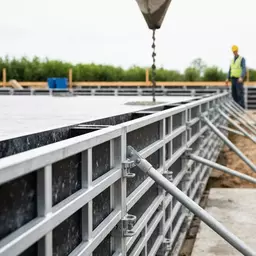
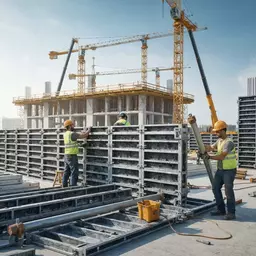
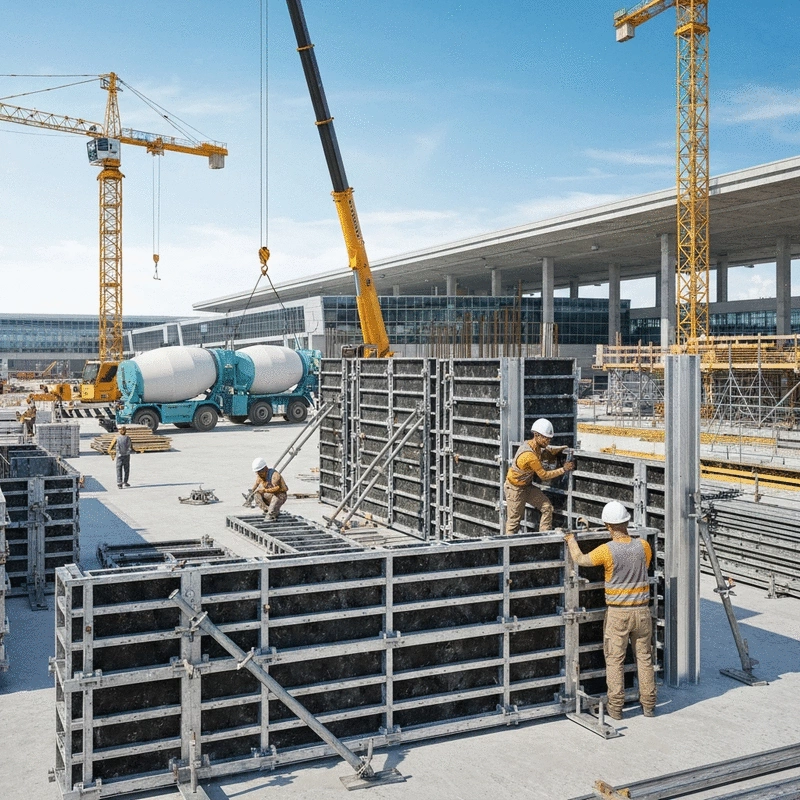
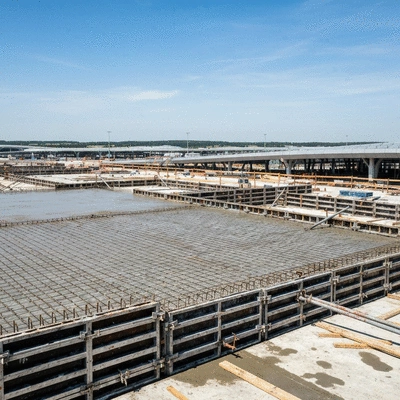
Modern airport terminal under construction using aluminum formwork

What is Aluminum Formwork and Its Importance?

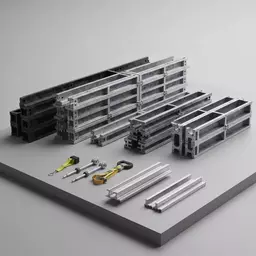
In essence, aluminum formwork is a modular system that serves as a mold for pouring concrete slabs. Its lightweight nature makes it easy for teams to handle, yet it maintains a robust structure capable of supporting high loads. The importance of aluminum formwork lies not only in its practical benefits but also in its ability to enhance the overall construction process.

  • Efficiency: Streamlined setup reduces time on site.
  • Cost-Effectiveness: Lower labor and material costs lead to improved budgets.
  • Quality Control: Ensures consistent slab quality thanks to precise engineering.

Utilizing aluminum formwork means embracing a system that significantly improves the workflow on construction sites. By adopting this approach, contractors can achieve more than just faster timelines; they can also enhance the quality and safety of their projects.

The Role of Aluminum Formwork in Modern Airport Design

As airports evolve to accommodate an increasing volume of air traffic, the demand for efficient construction methods is more pressing than ever. Aluminum formwork plays a vital role in modern airport design, allowing for the rapid implementation of complex structures that meet contemporary aesthetic and functional requirements.

  • Flexible Design: Aluminum formwork can adapt to various shapes, including curves and angles.
  • Sustainability: Its reusable nature minimizes waste and promotes environmental responsibility, aligning with practices detailed in the ACRP 42: Sustainable Airport Construction Practices.
  • Safety: Enhanced stability reduces the risk of accidents during construction.

By integrating aluminum formwork into airport projects, we can create spaces that are not only functional but also visually appealing. This is particularly important as airports strive to reflect modern design trends while meeting the needs of travelers and airlines alike.

Key Benefits of Using Aluminum Formwork in Construction Projects

The advantages of aluminum formwork extend far beyond just its lightweight properties. Each benefit contributes to a smoother construction process, making it an ideal choice for complex projects like airport terminals.

  • Time Savings: Projects can be completed up to 30% faster than with traditional methods.
  • Quality Assurance: Provides precise and consistent finishes, essential for structural integrity.
  • Labor Reduction: Fewer workers are required due to the simplified assembly process.

As we consider the future of construction practices, it’s apparent that aluminum formwork represents a forward-thinking approach to building. At Concrete Slab Innovations, we encourage contractors and engineers to explore how these systems can enhance their projects, ensuring efficiency and sustainability as top priorities.

We Want to Hear From You!

What do you think about the implementation of aluminum formwork in airport construction? Share your thoughts below:

Looking Ahead: The Future of Aluminum Formwork in Airport Construction

As we look to the future, the role of aluminum formwork in airport construction is evolving rapidly. The lessons learned during the pandemic era have reshaped our approach to building practices, emphasizing the need for adaptability and resilience. At Concrete Slab Innovations, we recognize these changes and are committed to staying ahead of the curve in terms of innovation and efficiency.

One significant adaptation has been the shift towards more sustainable practices. Post-2020, there is a heightened focus on reducing environmental impact while still delivering high-quality projects on time and within budget. In this new landscape, aluminum formwork systems emerge as a key player, enabling contractors and engineers to meet these challenges head-on.

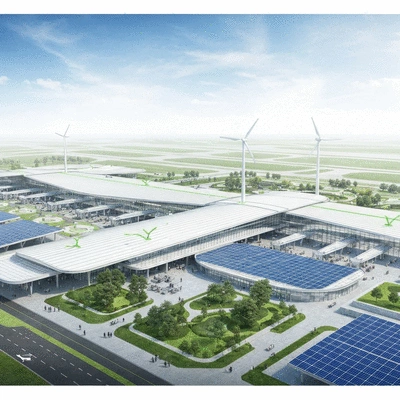
Architectural drawing of a sustainable airport design

Post-2020 Adaptations: Lessons from the Pandemic Era

  • Enhanced safety protocols on construction sites
  • Increased demand for modular and flexible building solutions
  • Focus on productivity and efficiency amidst labor shortages, as highlighted in the Q4 2025 Airport Construction Impact Report.

These adaptations highlight the importance of flexibility in design and execution. The use of aluminum formwork allows teams to pivot quickly, adjusting to new regulations and project needs. As we have seen in recent projects, such as those at Changi and Heathrow airports, adopting a modular approach not only streamlines construction but also significantly enhances safety and efficiency.

Trends Shaping the Future: Innovations and Sustainability Goals

The construction industry is witnessing a surge in innovations aimed at sustainability. With growing awareness of the environmental impact of construction, stakeholders are seeking solutions that align with sustainability goals. Aluminum formwork systems, by design, support these initiatives through:

  • Reduced waste generation due to reusability
  • Lower energy consumption compared to traditional methods
  • Facilitation of faster build times, minimizing project timelines, contributing to overall airport sustainability efforts as discussed by Westchester County Airport.

As we continue to push the envelope, it’s crucial for all involved in airport construction to embrace these trends and incorporate them into their strategies. At Concrete Slab Innovations, we’re excited to see how these developments will influence future projects and the overall landscape of airport design and construction.

Exploring Modular Construction and Prefabrication Techniques

Modular construction is not just a trend—it’s becoming a best practice. The benefits of prefabrication techniques are becoming increasingly clear, offering significant advantages when combined with aluminum formwork. Here’s why this combination is essential for future airport projects:

  • Speed: Prefabricated components can be assembled quickly, leading to shorter construction times.
  • Quality Control: Factory settings allow for better quality assurance compared to on-site construction.
  • Cost-Effectiveness: Reduced labor and material waste contribute to overall savings.

As a seasoned professional in the construction industry, I can attest to the effectiveness of these innovative approaches. They not only optimize resources but also enhance collaboration among project stakeholders, paving the way for more efficient and successful outcomes.

Engaging with Aluminum Formwork: Next Steps for Stakeholders

How to Get Started with Aluminum Formwork Solutions

Are you ready to explore the potential of aluminum formwork in your next airport project? Here are some steps to kick-start your journey:

  • Research reputable aluminum formwork suppliers, such as those evaluated in our best practices section.
  • Engage with contractors experienced in modular construction.
  • Consider training sessions for your team to familiarize them with aluminum systems.

Taking these initial steps can position your project for success, allowing you to leverage the benefits of aluminum formwork right from the start.

FAQs on Aluminum Formwork Implementation and Cost

As you consider implementing aluminum formwork, it’s natural to have questions. Here are some frequently asked ones:

Frequently Asked Questions About Aluminum Formwork

What are the initial costs associated with aluminum formwork?
While initial investment might be higher than traditional formwork, the long-term cost benefits, including reduced labor, faster project completion, and reusability, typically lead to overall savings.
How does aluminum formwork compare to traditional concrete methods in terms of lifespan?
Aluminum formwork itself is highly durable and reusable for hundreds of cycles, significantly reducing material waste. The structures built using aluminum formwork are of high quality, ensuring a long lifespan comparable to or exceeding those built with traditional methods.
Are there specific projects where aluminum formwork has proven particularly advantageous?
Aluminum formwork excels in projects requiring rapid construction, precise finishes, and repetitive structures, such as high-rise buildings, residential complexes, and, as discussed, large-scale airport infrastructure where efficiency and quality are paramount.
How does aluminum formwork contribute to project safety?
Its lightweight nature and simplified interlocking system reduce manual handling and the risk of accidents compared to heavier, more complex traditional formwork systems. Enhanced stability further contributes to a safer construction site.
What makes aluminum formwork a sustainable choice for construction?
Aluminum formwork is reusable, minimizing waste and the need for new materials. Its efficiency also leads to shorter construction timelines, reducing overall energy consumption and environmental impact on a project.

Addressing these questions early on can clarify the benefits and challenges of switching to aluminum formwork, ensuring stakeholders make informed decisions.

Summary of Key Insights and Actionable Takeaways

Recap of Case Studies and Best Practices

Encouragement to Explore Aluminum Formwork for Future Projects

Understanding Construction Cost Analysis and Value Engineering

Recap of Key Points

Here is a quick recap of the important points discussed in the article:

  • Efficiency: Aluminum formwork facilitates streamlined setup and reduces time on site.
  • Cost-Effectiveness: Lower labor and material costs lead to improved project budgets.
  • Quality Control: Ensures consistent slab quality through precise engineering.
  • Flexible Design: Adaptable to various shapes, including curves and angles.
  • Sustainability: Reusable nature minimizes waste, promoting environmental responsibility.
  • Safety: Enhanced stability reduces the risk of accidents during construction.
  • Time Savings: Projects can be completed up to 30% faster compared to traditional methods.
  • Labor Reduction: Fewer workers are required due to simplified assembly processes.
About !author

Aidan Cromwell

Aidan Cromwell is a seasoned construction professional and industry expert with a passion for innovative building solutions. With extensive experience in concrete slab construction and a deep understanding of modular formwork systems, Aidan strives to educate and empower contractors, engineers, and project managers. His insights are grounded in practical knowledge and a commitment to advancing construction efficiency and safety.
Popular Posts

Streamlining Aluminum Formwork Processes Minimizing Labor Costs with Efficient Aluminum Formwork Assembly and Dismantling Have you ever considered how choosing the right formwork can significantly impact your project's eff
Common Aluminum Formwork Issues Explained Troubleshooting Common Issues in Aluminum Formwork Slab Systems Consider this: the effective use of aluminum formwork can significantly streamline your construction
Improving Site Safety with Aluminum 9. Enhancing Safety and Efficiency on Site: Aluminum Formwork in Large Infrastructure Projects What if the key to revolutionizing your construction project lies in the materials you choose? Alumi
Aluminum Formwork in High-Rise Construction Critical Engineering Considerations for Aluminum Formwork in High-Rise Slab Construction As high-rise construction evolves, aluminum formwork is emerging as a game-changer for contractors a