Understanding Concrete Slab Costs
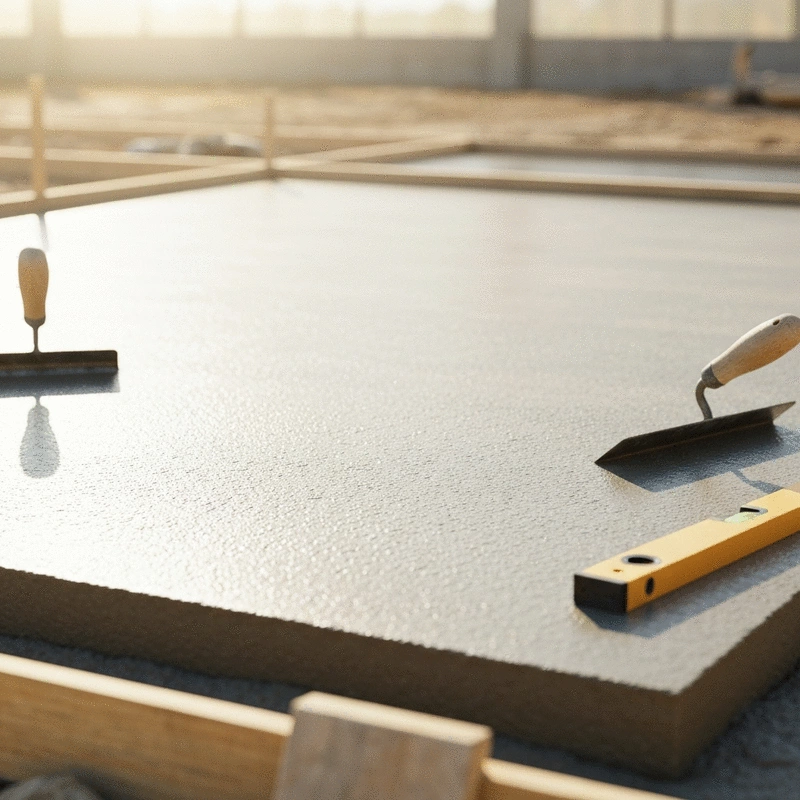
As you prepare for your next concrete project, consider the intricacies involved in slab installation. Understanding the factors that influence costs can empower you to make smarter, budget-conscious decisions.
What You Will Learn
- Different materials used in concrete slabs, such as standard and high-load mixes, significantly affect cost.
- Installation methods, whether traditional pouring or modular formwork, can impact both labor costs and project timelines.
- Site conditions, including accessibility and environmental factors, play a crucial role in determining installation costs.
- Understanding slab thickness and reinforcement types is essential for accurate cost calculations per square foot.
- Selecting the right materials can enhance durability and performance, affecting both upfront and long-term costs.
- Regional variations in labor and material costs necessitate careful budgeting and planning.
- Obtaining detailed, written quotes from multiple contractors is vital for comparing costs accurately and assessing contractor reliability.
- Market fluctuations can impact concrete prices, so being informed about trends helps in strategic budgeting.
Key Factors and Pricing Structure for Concrete Slabs in 2025
The cost of concrete slabs in 2025 is primarily influenced by key factors such as material types, installation practices, and site conditions, alongside a detailed pricing breakdown per square foot considering slab thickness, reinforcement, and overall square footage.
Key Factors Influencing Costs
- • Material Types
- • Installation Practices
- • Site Conditions
Pricing Per Square Foot
- • Slab Thickness
- • Reinforcement Types
- • Square Footage
Role of Material Selection
- • Concrete Mixes
- • Aggregates
- • Additional Ingredients
Practical Budgeting Tips
- • Multiple Estimates
- • Detailed Breakdowns
- • Contingency Fund (10-15%)
Understanding the Cost of Concrete Slabs in 2025
As we look ahead to 2025, understanding the cost of concrete slabs is crucial for contractors and project managers alike. Several key factors contribute to the final price of slab installation, and having a clear grasp of these elements can help you make informed decisions for your projects. From the type of materials used to the installation techniques applied, let’s delve into what drives those costs.
One of the primary elements determining concrete slab costs is the materials. Different types of concrete mixes, such as standard, high-load, and specialty mixes, can significantly influence pricing. Also, various installation practices can affect labor costs and time commitments, ultimately impacting the overall budget.

Key Factors Influencing Concrete Slab Costs
- Material Types: The choice between standard concrete, reinforced concrete, and more advanced mixtures can vary widely in price.
- Installation Practices: Methods such as traditional pouring versus modular formwork systems can affect labor costs and project timelines.
- Site Conditions: Ground conditions, accessibility, and environmental factors can all influence installation costs.
Understanding these key factors will help you navigate the complexities of concrete slab pricing. For instance, using aluminum formwork systems, as we often advocate at Concrete Slab Innovations, can streamline the process and save costs. This type of system can significantly reduce labor hours while ensuring superior quality and efficiency during installation.
Breaking Down Concrete Slab Pricing Per Square Foot
When calculating costs, it’s essential to recognize how pricing is structured on a per square foot basis. Factors such as slab thickness and reinforcement types play a significant role in determining the final price. For example, a thicker slab generally requires more material and labor, leading to higher costs.
- Slab Thickness: Thicker slabs provide better load-bearing capacity but increase material costs.
- Reinforcement Types: Options like steel rebar or wire mesh can add to the expense but enhance durability.
- Square Footage: Larger projects can benefit from economies of scale, potentially reducing costs per square foot.
By focusing on these aspects, you can better anticipate your project’s budget. At Concrete Slab Innovations, we emphasize the importance of planning and selecting the right materials to optimize both performance and cost-effectiveness.
The Role of Material Selection in Concrete Slab Costs
Material selection is perhaps one of the most critical components affecting concrete slab costs. Different concrete mixes and aggregates not only influence price but also the slab's performance characteristics. For instance, using high-strength concrete can lead to longer-lasting structures but often comes at a premium.
- Concrete Mixes: Standard, high-performance, and specialty mixes each have distinct cost implications.
- Aggregates: The choice between locally sourced materials and imported aggregates can impact both cost and quality.
- Additional Ingredients: Incorporating additives for enhanced durability or workability may increase upfront costs but can save money in the long run.
Choosing the right materials is a balancing act between cost and performance. At Concrete Slab Innovations, we guide contractors to make informed choices that align with both their budget and project requirements. This approach ensures that each slab not only meets but exceeds expectations, fostering both safety and structural integrity.
Navigating Regional Variations in Concrete Slab Costs
The cost of concrete slabs isn’t uniform across the board; it varies significantly based on regional factors. Understanding how labor and material costs differ by location can help you budget more accurately for your projects. For example, the U.S. Bureau of Labor Statistics provides data on occupational employment and wages for concrete workers, indicating regional differences in labor expenses. Additionally, a 2023 report on construction cost trends highlights how material costs can fluctuate based on geographic location and supply chain dynamics.
Pro Tip
To maximize the value of your concrete slab investment, consider scheduling your installation during off-peak seasons. This can lead to significant savings on both labor and material costs, ensuring that your project stays within budget while maintaining high quality.
Practical Budgeting Tips for Concrete Slab Installation
When it comes to budgeting for your concrete slab installation, having a clear strategy is essential. At Concrete Slab Innovations, we believe in empowering you to make informed decisions. One of the first steps in this process is to obtain accurate quotes from multiple contractors. This allows you to compare pricing and ensure you’re getting value for your investment!
Start by requesting written quotes that detail the scope of work, materials used, and timelines. These elements not only clarify what you’re paying for but also help you gauge the reliability of the contractors. In evaluating bids, remember to consider the contractor's experience and reputation—these can significantly impact the quality of your project.

How to Get Accurate Quotes for Concrete Slabs
- Gather multiple estimates from different contractors.
- Ensure quotes include detailed breakdowns of materials and labor.
- Ask about warranties and service guarantees.
- Check for any hidden costs that may not be included in the initial estimate.
It’s wise to have a checklist handy when you’re gathering quotes. This ensures you're comparing apples to apples and not missing vital information. Don't hesitate to ask contractors clarifying questions; after all, this is an important investment in your property!
Understanding Price Fluctuations and How to Plan Ahead
Concrete prices can fluctuate due to various factors such as supply chain issues, seasonal demand, and changes in raw material costs. By staying informed about these market dynamics, you can make more strategic budgeting decisions. For instance, purchasing your materials during off-peak seasons can yield significant savings!
Incorporating flexibility into your budget will also prepare you for unexpected costs. I recommend adding a contingency fund—typically about 10-15% of your total budget—to cover unforeseen expenses. This way, you won’t feel financially stressed if prices shift unexpectedly.
Analyzing Market Trends in Concrete Costs
Being proactive in understanding market trends can help you anticipate changes in concrete prices. Currently, we’re seeing a trend towards sustainability in construction materials, which can sometimes lead to higher upfront costs. For example, the Congressional Research Service has discussed the impact of sustainable construction practices on infrastructure costs. However, these investments often pay off in the long run through durability and lower maintenance needs!
- Keep an eye on industry reports and news updates.
- Follow local construction organizations for insights on regional trends.
- Network with other industry professionals to share experiences and predictions.
By analyzing these trends, you'll be better equipped to negotiate with your contractor and make informed decisions about your project.
Frequently Asked Questions About Concrete Slab Costs
Q1: What are the primary factors influencing the cost of concrete slabs?
A1: The primary factors include material types (standard, high-load, specialty mixes), installation practices (traditional pouring vs. modular formwork), and site conditions (ground conditions, accessibility, environmental factors).
Q2: How does slab thickness affect the cost per square foot?
A2: Thicker slabs generally require more material and labor, leading to higher costs per square foot. They also provide better load-bearing capacity.
Q3: What role does reinforcement play in concrete slab pricing?
A3: Reinforcement types, such as steel rebar or wire mesh, add to the overall expense but significantly enhance the slab's durability and structural integrity.
Q4: Why do concrete slab costs vary by region?
A4: Costs vary regionally due to differences in labor rates, material availability and sourcing costs, local regulations, and seasonal demand fluctuations.
Q5: What are some practical budgeting tips for concrete slab installation?
A5: Obtain multiple detailed quotes from contractors, understand the breakdown of materials and labor, inquire about warranties, and set aside a contingency fund of 10-15% for unforeseen expenses.
Final Thoughts on Investing in Concrete Slabs
Evaluating the Value of Your Concrete Slab Installation
Investing in concrete slabs is more than just a current expense; it's about the long-term value they'll provide to your property. Quality installations will not only enhance the structural integrity of your projects but can also add to your property’s overall value. By focusing on the right materials and professional installation, you set the stage for lasting performance!
Encouragement to Consult with Concrete Professionals
As you embark on your concrete slab journey, I encourage you to reach out to concrete professionals. At Concrete Slab Innovations, we’re dedicated to helping you navigate the complexities of your project. Whether you need advice on material selection or installation practices, don’t hesitate to ask for guidance tailored to your specific needs. Let's make your next concrete slab project a success together!
Recap of Key Points
Here is a quick recap of the important points discussed in the article:
- Material Types: Choose the right type of concrete (standard, reinforced, specialty) to impact costs effectively.
- Installation Practices: Consider various methods (traditional pouring vs. modular formwork) to manage labor and time costs.
- Site Conditions: Assess ground conditions and accessibility to better estimate installation costs.
- Slab Thickness: Thicker slabs enhance load-bearing capacity but increase costs.
- Reinforcement Types: Use steel rebar or wire mesh for added durability, even if it raises expenses.
- Accurate Quotes: Gather multiple detailed estimates to ensure transparency and value.
- Market Trends: Stay informed about pricing fluctuations and sustainability movements to plan budgets effectively.

Aidan Cromwell
Aidan Cromwell is a seasoned construction professional and industry expert with a passion for innovative building solutions. With extensive experience in concrete slab construction and a deep understanding of modular formwork systems, Aidan strives to educate and empower contractors, engineers, and project managers. His insights are grounded in practical knowledge and a commitment to advancing construction efficiency and safety.
Popular Posts
Aluminum Formwork and Carbon Reduction
![Aluminum Formwork and Carbon Reduction]() What if the way we build could significantly impact our planet's future? Embracing aluminum formwork
What if the way we build could significantly impact our planet's future? Embracing aluminum formwork
 What if the way we build could significantly impact our planet's future? Embracing aluminum formwork
Aluminum Formwork: Storage and Transport
![Aluminum Formwork: Storage and Transport]() What if the longevity of your aluminum formwork could be dramatically increased just by changing how
What if the longevity of your aluminum formwork could be dramatically increased just by changing how
 What if the longevity of your aluminum formwork could be dramatically increased just by changing how
Train Your Crew for Efficient Assembly
![Train Your Crew for Efficient Assembly]() Investing in training can transform your construction project outcomes. With proper techniques and k
Investing in training can transform your construction project outcomes. With proper techniques and k
 Investing in training can transform your construction project outcomes. With proper techniques and k
Aluminum Formwork Load Engineering Guidelines
![Aluminum Formwork Load Engineering Guidelines]() Consider this: a single miscalculation in load engineering can lead to structural failures and finan
Consider this: a single miscalculation in load engineering can lead to structural failures and finan
 Consider this: a single miscalculation in load engineering can lead to structural failures and finan
