Understanding Poured Concrete Slabs
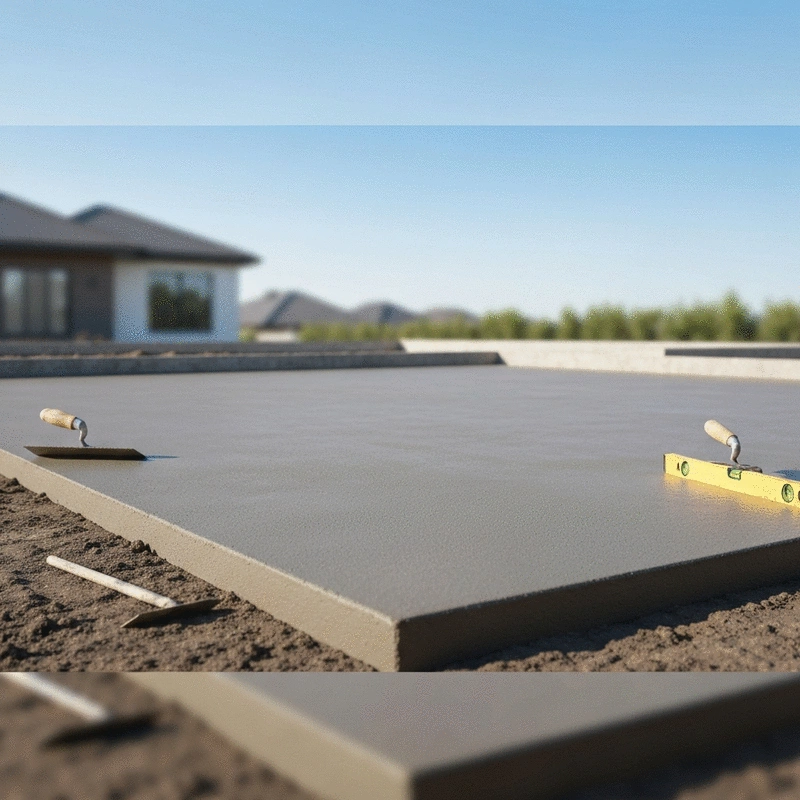
When it comes to constructing a solid foundation, the choice of materials can significantly impact the longevity and safety of your project. Poured concrete slabs are a popular choice for a reason. They provide durability, versatility, and cost-effectiveness, making them essential for anyone in the construction industry.
What You Will Learn
- Durability: Poured concrete slabs are known for their long-lasting strength and resistance to wear.
- Cost-Effectiveness: They typically offer a more affordable solution compared to other foundation types.
- Versatility: Suitable for a variety of applications, they can be customized for specific project needs.
- Speed of Installation: Compared to other foundation types, poured concrete slabs can be installed relatively quickly, allowing for faster project timelines.
Understanding Poured Concrete Slabs: Key Features & Benefits
This visual summarizes the essential characteristics and advantages of poured concrete slabs, foundational elements in various construction projects.
Key Characteristic: Poured Concrete Slab Definition
A flat, horizontal concrete surface, poured in place, forming a stable foundation or floor for structures like basements, garages, patios, and commercial buildings.
Benefit 1: Durability & Longevity
Resists wear, heavy loads, and environmental factors, ensuring long-lasting strength and structural integrity. A reliable construction method that stands the test of time.
Benefit 2: Cost-Effectiveness
Offers long-term savings through reduced maintenance and repair needs, making it an affordable solution despite initial investment.
Benefit 3: Versatility & Adaptability
Customizable for various functions, including radiant heating or drainage, adapting to diverse residential and commercial project needs efficiently.
The Essentials of a Poured Concrete Slab: Understanding the Basics
When talking about construction, a poured concrete slab is often at the forefront of our discussions. So, what exactly is a poured concrete slab? In simple terms, it is a flat, horizontal surface made from concrete that is typically used as a foundation or floor for buildings, garages, and patios. Its primary uses extend to providing a stable base for structures, which is essential for ensuring long-term durability and safety.
Poured concrete slabs are not just about functionality; they also play a crucial role in modern building practices. With the right techniques and materials, they can be adapted for various applications, offering versatility that few other foundation types can match!
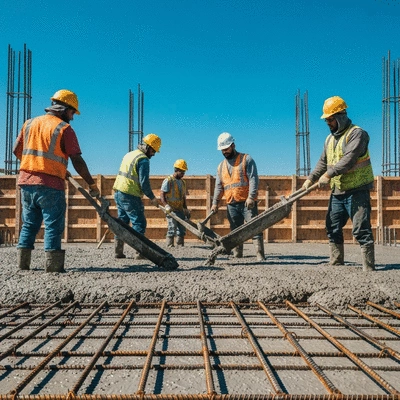
What is a Poured Concrete Slab?
A poured concrete slab is a solid sheet of concrete poured in place to form a flat surface. This method is commonly used in both residential and commercial construction. It provides a strong and stable foundation, making it ideal for various constructions, including:
- Basements
- Garage floors
- Patios
- Industrial and commercial buildings
By using a poured concrete slab, you're ensuring that your project has a reliable and long-lasting foundation. It's a choice that can lead to significant benefits in structural integrity. For a deeper understanding of concrete slab specifications, you can refer to resources like the NRCS OH Concrete Specification.
Key Benefits of Poured Concrete Slabs
Let’s delve into some of the key benefits that a poured concrete slab can offer. Firstly, durability is a standout feature. Concrete slabs can withstand the test of time, resisting wear and tear from heavy loads and environmental factors. This makes them a cost-effective solution in the long run. The PDH Academy's guide on Concrete Slabs on Grade provides further insights into the benefits and proper installation of these foundational elements.
- Cost-Effectiveness: While the initial investment might seem high, the long-term savings on maintenance and repairs are invaluable.
- Versatility: Poured concrete slabs can serve various functions, adapting to both residential and commercial applications.
- Speed of Installation: Compared to other foundation types, poured concrete slabs can be installed relatively quickly, allowing for faster project timelines.
Additionally, the versatility of poured concrete slabs cannot be overstated—they can be tailored to meet specific needs, such as incorporating radiant heating systems or drainage solutions. Isn’t it great to know that one solution can address multiple construction challenges?
Pro Tip
To maximize the lifespan of your poured concrete slab, consider incorporating a proper drainage system. This not only helps prevent water accumulation but also minimizes the risk of cracking due to freeze-thaw cycles. Additionally, applying a sealant after the slab has cured can protect against moisture and stains, ensuring your investment lasts even longer!
Frequently Asked Questions About Poured Concrete Slabs
What is a poured concrete slab?
A poured concrete slab is a flat, horizontal surface made from concrete, poured in place to form a stable foundation or floor for various structures like basements, garages, patios, and commercial buildings.
What are the main benefits of using poured concrete slabs?
The main benefits include high durability and longevity, cost-effectiveness due to reduced maintenance, versatility for various applications, and relatively fast installation times compared to other foundation types.
Are poured concrete slabs suitable for both residential and commercial projects?
Yes, poured concrete slabs are highly versatile and adaptable, making them suitable for a wide range of applications in both residential (e.g., basements, patios) and commercial (e.g., industrial floors, building foundations) construction.
How can I ensure the longevity of my poured concrete slab?
To maximize lifespan, consider incorporating a proper drainage system to prevent water accumulation and applying a sealant after curing to protect against moisture and stains. These measures help prevent cracking and wear.
Why is speed of installation a benefit?
The ability to install poured concrete slabs relatively quickly helps to accelerate project timelines, allowing for faster completion of construction projects.
Summarizing the Key Takeaways on Poured Concrete Slabs
When it comes to poured concrete slabs, understanding the fundamentals is crucial. These slabs serve as a solid foundation for various structures, from residential homes to large commercial buildings. Their primary functions include providing a stable surface for construction and distributing loads evenly across the ground. For detailed guidance on floor slabs for various facilities, you can consult resources like the WBDG's Floor Slabs for DOD Facilities.
We’ve covered a lot in this article, highlighting the numerous benefits of poured concrete slabs. Here are the key takeaways:
- Durability: Poured concrete slabs are known for their long-lasting strength and resistance to wear.
- Cost-Effectiveness: They typically offer a more affordable solution compared to other foundation types.
- Versatility: Suitable for a variety of applications, they can be customized for specific project needs.
By choosing poured concrete slabs, you’re investing in a reliable construction method that stands the test of time. At Concrete Slab Innovations, we believe these slabs are not just foundations; they are the building blocks of your projects’ success!

Next Steps: Taking Action with Your Concrete Project
Now that you’ve gained insights into poured concrete slabs, it's time to consider your options for your next project. Whether you’re a contractor, engineer, or project manager, reaching out to qualified contractors can make all the difference in ensuring your slab installation is both efficient and effective.
Here’s how you can move forward:
- Evaluate your project needs and select the appropriate slab type.
- Contact local contractors with experience in poured concrete slabs.
- Explore our resources for further reading on installation techniques and best practices.
Don't hesitate to reach out to us at Concrete Slab Innovations for guidance or questions. We’re here to help you achieve excellence in your concrete projects!
Recap of Key Points
Here is a quick recap of the important points discussed in the article:
- Durability: Poured concrete slabs are known for their long-lasting strength and resistance to wear.
- Cost-Effectiveness: They typically offer a more affordable solution compared to other foundation types due to lower long-term maintenance costs.
- Versatility: Suitable for a variety of applications, they can be customized for specific project needs.
- Speed of Installation: Poured concrete slabs can be installed relatively quickly, speeding up project timelines.
- Stable Foundation: They provide a solid base for various constructions, ensuring structural integrity.

Aidan Cromwell
Aidan Cromwell is a seasoned construction professional and industry expert with a passion for innovative building solutions. With extensive experience in concrete slab construction and a deep understanding of modular formwork systems, Aidan strives to educate and empower contractors, engineers, and project managers. His insights are grounded in practical knowledge and a commitment to advancing construction efficiency and safety.
Popular Posts
Aluminum Formwork and Carbon Reduction
![Aluminum Formwork and Carbon Reduction]() What if the way we build could significantly impact our planet's future? Embracing aluminum formwork
What if the way we build could significantly impact our planet's future? Embracing aluminum formwork
 What if the way we build could significantly impact our planet's future? Embracing aluminum formwork
Aluminum Formwork: Storage and Transport
![Aluminum Formwork: Storage and Transport]() What if the longevity of your aluminum formwork could be dramatically increased just by changing how
What if the longevity of your aluminum formwork could be dramatically increased just by changing how
 What if the longevity of your aluminum formwork could be dramatically increased just by changing how
Train Your Crew for Efficient Assembly
![Train Your Crew for Efficient Assembly]() Investing in training can transform your construction project outcomes. With proper techniques and k
Investing in training can transform your construction project outcomes. With proper techniques and k
 Investing in training can transform your construction project outcomes. With proper techniques and k
Aluminum Formwork Load Engineering Guidelines
![Aluminum Formwork Load Engineering Guidelines]() Consider this: a single miscalculation in load engineering can lead to structural failures and finan
Consider this: a single miscalculation in load engineering can lead to structural failures and finan
 Consider this: a single miscalculation in load engineering can lead to structural failures and finan
