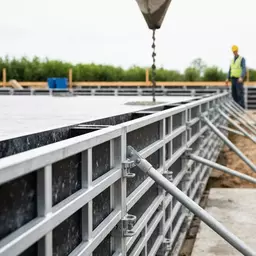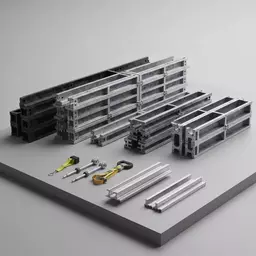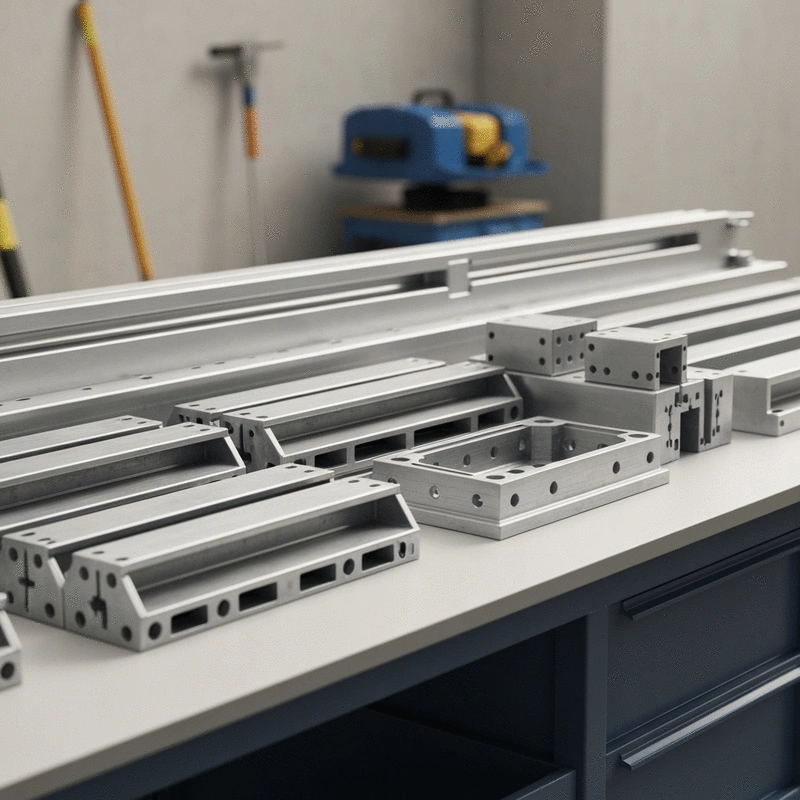
Key Features of Modular Aluminum Formwork
- •Lightweight Design: Easier handling, reduced labor.
- •Reusability: Multiple projects, long-term savings.
- •Speed of Assembly: Quicker setup, shorter timelines.
What if you could enhance your construction projects while saving both time and money? The secret lies in understanding modular aluminum formwork systems—a revolutionary approach to concrete slab construction that optimizes efficiency and quality.
This visual highlights the primary benefits of modular aluminum formwork and how reinforced concrete enhances its application.
When diving into the world of concrete slab construction, modular aluminum formwork systems stand out as a game-changer. These systems utilize lightweight, durable aluminum panels that can be easily assembled and disassembled for various construction projects. Have you ever thought about how they can enhance your workflow? Understanding their applications is the first step towards revolutionizing your building practices.
At Concrete Slab Innovations, we believe that familiarizing yourself with these systems can significantly improve efficiency and reduce costs. From residential buildings to commercial projects, modular aluminum formwork is designed to adapt to various construction requirements. This adaptability makes it a preferred choice for many contractors and engineers striving for precision and quality.
Let's break down what modular aluminum formwork really means. Essentially, it's a construction method that employs a series of aluminum panels to create molds for pouring concrete. The beauty of this system lies in its versatility. Here are some common applications:
Each of these applications demonstrates the system’s ability to provide consistent quality and structural integrity. With a modular approach, you can efficiently manage construction timelines and resources, which is crucial in today’s fast-paced environment. For a deeper dive into how different formwork systems compare, you can refer to this comparative study on conventional and modern formwork systems.
What makes modular aluminum formwork systems so effective? There are several key features that contribute to their growing popularity in the construction industry:
As a construction professional, I’ve personally witnessed the advantages of modular aluminum formwork firsthand. Its efficiency not only enhances productivity but also ensures that projects adhere to tight schedules without compromising on quality.
Now, let’s discuss the critical role of reinforced concrete in these applications. Reinforced concrete provides the strength and durability needed for modern structures, and when paired with modular aluminum formwork, it creates a powerful combination. This partnership allows for:
In my experience, understanding how to effectively utilize reinforced concrete within these systems can dramatically enhance your project's outcome. By leveraging the strengths of both materials, you can achieve results that not only meet but exceed industry standards. This synergy is a key reason why aluminum formwork is gaining traction as a superior alternative to conventional methods.
When considering aluminum formwork systems, it's essential to choose the right type to fit your project's specific needs. Each system has its unique advantages that can cater to different construction scenarios. Let's explore some options to help you make a well-informed choice!
Did you know? Implementing a modular aluminum formwork system can reduce your project’s overall labor costs by up to 30%? This is achieved not only through the lightweight design that simplifies handling but also through the speed of assembly that allows you to finish projects more quickly. Consider investing in training for your team to maximize these benefits and enhance your workflow!
Choosing the right formwork system for your construction project can significantly impact both its success and your overall costs. With so many options available, it’s crucial to understand your specific needs and the unique characteristics of different systems. At Concrete Slab Innovations, we believe that informed decisions lead to better project outcomes. So, let’s dive into the factors you should consider when selecting the ideal formwork for your upcoming projects.
First, you need to assess the scope of your project. Are you working on a small residential build, or is it a large commercial structure? Modular aluminum formwork systems can be tailored to suit a variety of scales. Here are some essential points to consider:
By evaluating these factors, you'll be better positioned to select a formwork system that meets your construction demands. For general information about formwork, including aluminum formwork, you can visit the Wikipedia page on formwork.
In today’s digital age, leveraging technology can streamline your decision-making process. Various interactive tools can help you compare different formwork systems efficiently. These tools often feature side-by-side comparisons, allowing you to weigh the pros and cons of each option. Here are a few that I recommend:
Using these resources can simplify your research and help you make a more informed choice.
When evaluating vendors for aluminum formwork systems, it's not just about the products they offer but also about the support and services they provide. I’ve seen firsthand how choosing the right supplier can make all the difference! Here are some key aspects to consider when comparing vendors:
By focusing on these criteria, you can identify a vendor that aligns with your project needs and values.
Here is a quick recap of the important points discussed in the article:
Aidan Cromwell is a seasoned construction professional and industry expert with a passion for innovative building solutions. With extensive experience in concrete slab construction and a deep understanding of modular formwork systems, Aidan strives to educate and empower contractors, engineers, and project managers. His insights are grounded in practical knowledge and a commitment to advancing construction efficiency and safety.