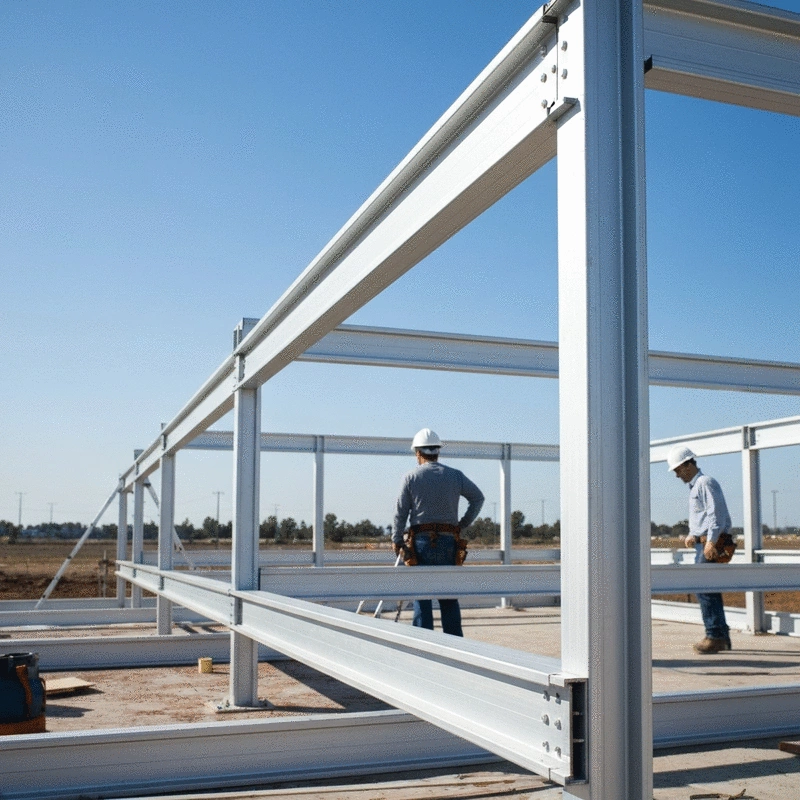
Cost Reductions & Efficiency
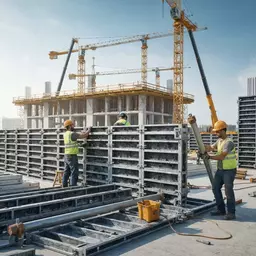
- ✓ Labor Savings: Reduced manpower on-site.
- ✓ Faster Assembly: Accelerated project timelines.
- ✓ Reusable Formwork: Long-term cost savings.
- ✓ Reduced Material Waste: Leaner project budgets.
With the construction industry constantly evolving, the choice of materials can significantly impact project efficiency and sustainability. Aluminum post-and-beam systems are at the forefront of this evolution, offering innovative solutions to modern construction challenges.
Aluminum systems offer significant benefits over traditional construction materials, enhancing efficiency, durability, and design flexibility.
Aluminum post-and-beam systems are rapidly becoming essential components of modern construction. These systems leverage lightweight aluminum to create durable frameworks that support various building designs. With their innovative modularity, aluminum systems can streamline construction processes, leading to substantial efficiency gains.
These setups allow for greater flexibility in architectural design, accommodating diverse aesthetic and functional needs. Have you considered how they might transform your next project? The benefits are plentiful, making it an exciting avenue for contractors, engineers, and project managers alike.
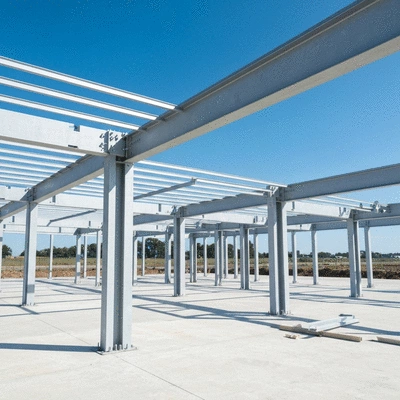
At their core, aluminum post-and-beam systems consist of vertical posts and horizontal beams crafted from high-quality aluminum. This combination creates a robust structural framework that can support heavy loads while remaining lightweight. When compared to traditional materials, aluminum's strength-to-weight ratio is one of its most compelling features.
Understanding these systems can empower you to make informed decisions about material selection and project management. With their innovative nature, they are changing the way we think about structural integrity.
Aluminum plays a crucial role in the evolution of construction practices. Its versatility and sustainability make it a preferred choice for many contractors and builders. As we shift towards more environmentally friendly construction practices, aluminum stands out as a sustainable material due to its recyclability and energy efficiency.
When you choose aluminum for your projects, you’re not just opting for a material; you’re embracing a movement towards smarter, more sustainable building solutions. This aligns perfectly with our mission at Concrete Slab Innovations to promote economic sustainability and safety in construction.
One of the standout features of aluminum post-and-beam systems is their design flexibility. These systems can be customized to meet specific project requirements, allowing architects and contractors to bring innovative designs to life. Whether you're working on a residential, commercial, or industrial project, the adaptability of aluminum can be a game-changer.
This flexibility not only enhances the visual appeal of a structure but also allows for efficient use of space. Being able to customize elements means that your building can truly reflect your vision and meet practical demands.
What do you think about the potential of aluminum systems in your projects? Share your thoughts below:
As we’ve explored, aluminum post-and-beam systems offer a range of economic benefits that significantly impact construction projects. These systems not only provide substantial cost reductions but also enhance overall project efficiency. So, what are the key takeaways regarding these benefits? Let’s break it down!
These points illustrate just how transformative aluminum systems can be in the construction landscape. Imagine how much more you could achieve with the resources saved from labor and material costs!
Investing in aluminum post-and-beam systems can yield remarkable returns over the life of a project. The initial costs may be higher compared to traditional materials, but the long-term savings and benefits often far outweigh these expenses. Here are some aspects to consider:
Tracking these metrics can help you present a compelling case for your clients or stakeholders when considering aluminum solutions. Ultimately, understanding the return on investment helps in making informed decisions that drive project success.
A1: Aluminum post-and-beam systems offer several advantages, including being lightweight yet durable, corrosion-resistant, modular for quick assembly, and highly flexible in design. They also contribute to significant labor and material waste reductions.
A2: These systems lead to cost savings through reduced labor needs due to their lightweight nature, faster assembly times, the reusability of aluminum formwork, and minimized material waste due to precise fabrication.
A3: Yes, aluminum is considered a highly sustainable material. It is 100% recyclable, which helps reduce the carbon footprint of construction projects. Its thermal properties can also contribute to energy efficiency in buildings.
A4: Absolutely. One of the key benefits of aluminum systems is their design flexibility. They can be custom-fabricated into various shapes and sizes to meet unique architectural specifications and integrate seamlessly with other building materials.
A5: The return on investment for aluminum systems is high due to their long-term durability, which reduces maintenance and repair costs, and efficiency gains from faster project completion. They also contribute to enhanced safety on job sites, further preventing costly incidents.
For more detailed insights into the broader impact and importance of materials like aluminum in national security and economic well-being, you can refer to the 2023 Critical Materials Assessment by the U.S. Department of Energy, which outlines aluminum's role as a critical material. Furthermore, the OECD's report on the climate implications of government support in aluminum smelting provides additional context on its environmental significance.
If you’re excited about the potential of aluminum systems for your projects, it’s time to consider how to implement these solutions effectively. At Concrete Slab Innovations, we’re here to guide you every step of the way!
Taking these steps can help you gradually adopt aluminum systems while minimizing risks. Remember, knowledge is power, and every project is a learning opportunity!
To dive deeper into aluminum systems, consider exploring various resources. Here are some suggestions to get you started:
These resources can provide valuable insights that enhance your understanding of how to implement aluminum solutions effectively.
As you move forward with aluminum systems, establishing strong relationships with suppliers is crucial. A solid partnership can lead to multiple benefits such as:
Investing time in cultivating these relationships will pay off in spades, ensuring you have the support you need to succeed in your projects!
Here is a quick recap of the important points discussed in the article:
Aidan Cromwell is a seasoned construction professional and industry expert with a passion for innovative building solutions. With extensive experience in concrete slab construction and a deep understanding of modular formwork systems, Aidan strives to educate and empower contractors, engineers, and project managers. His insights are grounded in practical knowledge and a commitment to advancing construction efficiency and safety.