Understanding Concrete Patio Slabs

concrete patio slab

Considering a concrete patio slab for your outdoor space? This investment not only enhances your living area but also stands the test of time. Let’s uncover the essential insights that will guide you in making the best decision for your project.

What You Will Learn

  • Durability: Concrete patio slabs are known for their long lifespan, making them an ideal choice for outdoor environments.
  • Low Maintenance: Once installed, concrete requires minimal upkeep compared to other materials like wood.
  • Design Flexibility: With various finishes and textures available, you can easily customize your patio to suit your aesthetic.
  • Cost-Effectiveness: Although the initial investment might be higher, concrete pays off in the long run through reduced maintenance and repairs.
  • Importance of Reinforcement: Proper reinforcement, such as steel rebar or wire mesh, helps prevent cracking and enhances the slab's durability.
  • Climate Considerations: When designing your patio, factor in local climate and soil conditions to ensure optimal performance and longevity.

Concrete Patio Slab Essentials: Durability & Design

This visual highlights the key attributes and benefits of concrete patio slabs, focusing on their durability, low maintenance, and design flexibility, as well as the critical role of reinforcement.

What is a Concrete Patio Slab?

  • Mix of cement, aggregates, water.
  • Thickness: typically 4 inches.
  • Provides durable foundation.

Benefits of Concrete Patios

  • Durability: Long lifespan, weather-resistant.
  • Low Maintenance: Minimal upkeep required.
  • Customizable: Stamping, staining, textures.

Why Choose Concrete?

  • Strength: Withstands heavy traffic.
  • Cost-effective: Lower long-term expenses.
  • Energy Efficient: Reflects sunlight, cooler surface.

Importance of Reinforcement

  • Cracking Prevention: Even weight distribution.
  • Structural Integrity: Holds heavy loads.
  • Longevity: Reduces need for repairs.

Understanding Concrete Patio Slabs: An Essential Guide

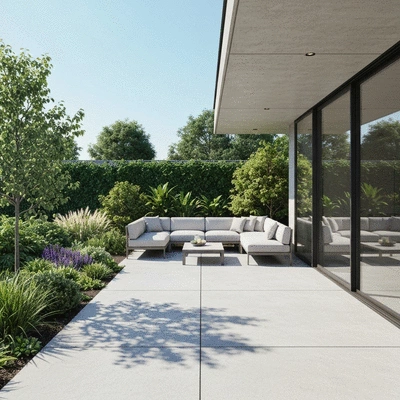
When it comes to outdoor spaces, a concrete patio slab is a fantastic choice for durability and functionality. But what exactly is a concrete patio slab? Simply put, it's a flat, horizontal surface made of concrete that serves as a foundation for outdoor activities. It's designed to withstand the elements while providing a stable area for furniture, barbecues, or just enjoying the sunshine!

Modern concrete patio slab with outdoor furniture, clean image

One of the key benefits of a concrete patio slab is its versatility. With the right design and finishes, you can transform a plain slab into a stunning outdoor feature. As someone deeply involved in the construction industry, I can attest to the many possibilities that concrete offers. It’s not just a building material; it’s a canvas for creativity!

What is a Concrete Patio Slab?

A concrete patio slab typically consists of a mix of cement, aggregates, and water, all combined to create a strong surface. This slab can vary in thickness depending on its intended use and the load it must support. For instance, a standard patio slab might be 4 inches thick, but thicker slabs are often used for driveways or areas expected to bear heavy loads. For more in-depth information on concrete structure design, you can refer to resources like the USDA's Design Guide for Slabs-on-Ground.

  • Durability: Concrete is known for its long lifespan, making it a reliable option.
  • Low Maintenance: Once installed, concrete patios require minimal upkeep compared to other materials.
  • Customizable: With various finishes and colors, you can tailor your patio to match your home’s aesthetic.

These attributes make concrete patio slabs a popular choice among homeowners looking to enhance their outdoor living spaces. They provide a solid foundation that can accommodate everything from furniture to outdoor kitchens!

Why Choose Concrete for Your Patio?

Choosing concrete for your patio comes with numerous advantages. First and foremost, the strength of concrete means it can withstand heavy foot traffic and weather conditions better than many other materials. This durability translates into fewer repairs and a longer lifespan—something I consider essential for any construction project! Additionally, ensuring your patio slab slopes away from your house, as advised by resources like BASC's guide on patio and walkway slopes, is crucial for proper drainage and preventing water damage.

  • Cost-effective: Concrete is generally less expensive than other patio materials, such as natural stone or wood.
  • Energy Efficient: Concrete can help keep your outdoor space cooler by reflecting sunlight.
  • Versatile Design: It can be stamped, stained, or textured to fit any design scheme.

When considering your options, think about the long-term benefits that concrete can offer. After all, investing in a patio that stands the test of time is a decision you’ll appreciate years down the road!

The Importance of Reinforcement in Concrete Patio Slabs

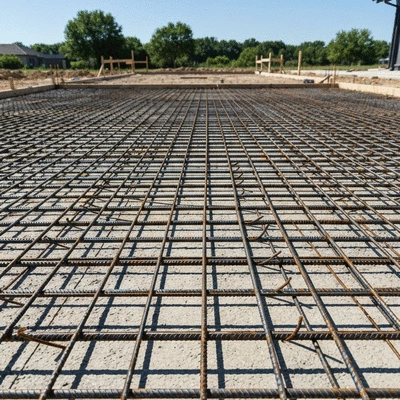
One aspect that shouldn’t be overlooked is the reinforcement of concrete slabs. Reinforcement helps prevent cracking and enhances the overall strength of the slab. Most concrete patios benefit from the inclusion of steel rebar or wire mesh during installation. This reinforcement acts like a backbone for your slab! For detailed insights into concrete pavement design and construction, the Masonry and Hardscapes Association offers valuable technical resources.

  • Prevention of Cracking: Proper reinforcement helps distribute weight evenly and reduces the risk of cracks.
  • Enhanced Structural Integrity: Reinforced slabs can hold up under heavy loads, making them ideal for outdoor furniture and appliances.
  • Longevity: A well-reinforced slab is less likely to need repairs, saving you money in the long run.

In the world of concrete construction, taking these reinforcement measures seriously is key to achieving a patio that not only looks good but also performs well throughout the seasons.

Frequently Asked Questions About Concrete Patio Slabs

Q: What is a typical thickness for a concrete patio slab?
A: A standard concrete patio slab is typically 4 inches thick. However, thickness can vary depending on the intended use and anticipated load.
Q: What are the main benefits of choosing a concrete patio slab?
A: Concrete patio slabs offer durability, low maintenance, cost-effectiveness, and design flexibility, allowing for various finishes and textures.
Q: Is reinforcement necessary for a concrete patio slab?
A: Yes, proper reinforcement, such as steel rebar or wire mesh, is crucial. It helps prevent cracking, enhances structural integrity, and increases the slab's longevity.
Q: Can concrete patios be customized?
A: Absolutely! Concrete patios can be customized with various finishes, colors, stamps, and textures to match your home's aesthetic and personal style.
Q: How does concrete compare to other patio materials in terms of cost?
A: While the initial investment might sometimes be higher than very basic alternatives, concrete is generally cost-effective in the long run due to its durability and minimal maintenance requirements.
We Want to Hear From You!

What design features do you think are essential for a concrete patio? Share your thoughts below:

Recap of Key Takeaways About Concrete Patio Slabs

As we've explored the world of concrete patio slabs, it’s clear that these surfaces offer durability and design versatility that can't be overlooked. From understanding the basic definition of a concrete patio slab to the various installation techniques, we've covered it all. Here are some key benefits and considerations to remember:

  • Durability: Concrete is known for its strength and longevity, making it an ideal choice for outdoor spaces.
  • Low Maintenance: Unlike wood or other materials, concrete requires minimal upkeep over the years.
  • Design Flexibility: With options like stamped finishes and decorative overlays, you can customize your patio to reflect your style.
  • Cost-Effectiveness: Although the initial investment can be higher, concrete pays off in the long run through its durability and low maintenance.

In addition to these benefits, it’s crucial to consider factors like climate, soil conditions, and the type of finish you desire when planning your project. Wouldn’t it be great to create a patio that not only enhances your outdoor living space but also stands the test of time?

Steel rebar or wire mesh reinforcement for a concrete patio slab, clean image

Encouraging Informed Decisions for Your Patio Project

With all the information at your fingertips, making informed decisions about your concrete patio project becomes much easier. I encourage you to take the time to evaluate your specific needs and preferences. Here are some steps you can follow:

  • Assess your outdoor space: Take measurements and consider the layout.
  • Choose the right style: Decide on a finish that complements your home’s architecture.
  • Consider reinforcement options: Discuss the benefits of additional support with your contractor.
  • Budget for the project: Factor in both materials and labor costs for a realistic estimate.

Thinking ahead about these aspects will not only save you time but also ensure that your patio is a source of joy for years to come! At Concrete Slab Innovations, we're here to support you with expert knowledge and tailored resources for your next steps.

Start Your Concrete Patio Journey Today

Are you ready to take the plunge and start your concrete patio project? Reaching out to professionals can help you navigate the installation process smoothly. Here are a couple of ways to get started:

Contact Local Experts for Installation and Design Services

Engaging with local contractors who specialize in concrete installations will provide you with valuable insights and quality workmanship. Look for professionals who have a solid track record and can showcase previous projects. It's always helpful to ask for referrals or read online reviews!

Explore Our Resources for DIY Installation Guides

If you’re leaning towards a DIY approach, we have an array of resources available just for you. At Concrete Slab Innovations, our detailed guides and case studies are designed to empower you with the knowledge you need for successful concrete slab pouring. Ready to embark on this journey? Let’s make it happen!

Recap of Key Points

Here is a quick recap of the important points discussed in the article:

  • Durability: Concrete is known for its strength and long lifespan, making it ideal for outdoor spaces.
  • Low Maintenance: Unlike wood and other materials, concrete requires minimal upkeep over the years.
  • Design Flexibility: Options like stamped finishes and decorative overlays allow customization to match your style.
  • Cost-Effectiveness: While the initial investment may be higher, concrete offers durability and low maintenance that pays off in the long run.
  • Reinforcement: Adding steel rebar or wire mesh prevents cracking and increases the structural integrity of the slab.
About !author

Aidan Cromwell

Aidan Cromwell is a seasoned construction professional and industry expert with a passion for innovative building solutions. With extensive experience in concrete slab construction and a deep understanding of modular formwork systems, Aidan strives to educate and empower contractors, engineers, and project managers. His insights are grounded in practical knowledge and a commitment to advancing construction efficiency and safety.
Popular Posts

Customizing Aluminum Formwork for Slabs How to Customize Aluminum Formwork Panels for Complex Slab Geometries Customization is revolutionizing construction, especially when it comes to complex slab designs. Alu
Aluminum Formwork for Concrete Efficiency How Aluminum Formwork Improves Load Efficiency in Concrete Slabs What if you could complete your construction projects faster and with greater safety? Aluminum formw
Recycling Aluminum in Construction Projects 6. Sustainable Construction: Recycling and Reusing Aluminum Formwork Panels What if the materials you choose for construction could significantly reduce your carbon footprint?
Aluminum Formwork Maintenance Best Practices Maintenance Best Practices to Prolong Aluminum Formwork Lifespan on Job Sites Did you know that a proactive maintenance routine can lead to a 25% decrease in repair costs? Buildi