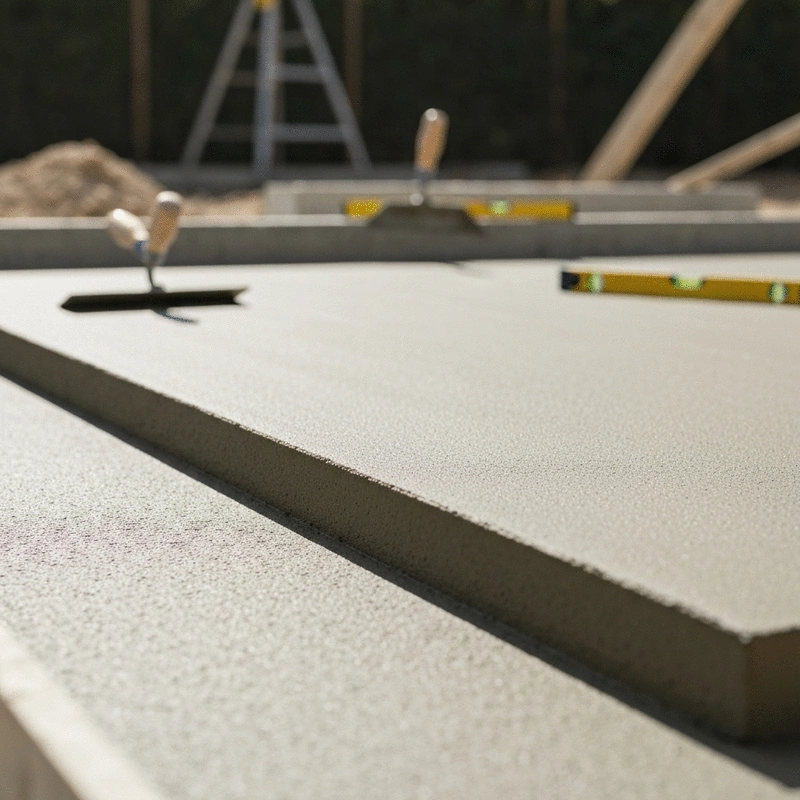
Understanding Concrete Slabs Basics

concrete slabs

Choosing the right concrete slab can feel daunting, but understanding the fundamentals will empower you to make informed decisions. With the right insights, you can enhance not only your project's success but also its safety and durability.

What You Will Learn

  • Concrete slabs are versatile structures essential for various applications, including foundations, floors, and driveways.
  • The main types of concrete slabs include plain, reinforced, precast, and composite slabs, each tailored for specific use cases.
  • Understanding the differences between reinforced and precast concrete can help streamline your project timelines and improve quality.
  • Key factors in selecting the right slab include load-bearing capacity, thickness, and budget considerations, which are vital for structural integrity.

Concrete Slab Types and Selection Factors

This visual compares different types of concrete slabs and outlines key considerations for selecting the right one for your project.

Reinforced vs. Precast Concrete

Reinforced
  • • Cast On-site
  • • Steel Bars
  • • Design Flexibility
Precast
  • • Off-site Mfg.
  • • Consistent Quality
  • • Quicker Install

Factors for Slab Selection

📊 Load-Bearing Capacity
📏 Thickness & Durability
💰 Cost & Budget Alignment

Common Slab Uses

  • 🏗️ Foundations
  • 🏠 Building Floors
  • 🚗 Patios & Driveways
  • 🛣️ Roads & Parking

Common Thickness Options

➡️ 4 inches: Residential Floors
➡️ 6 inches: Driveways/Garages
➡️ 8+ inches: Commercial Use

Understanding Concrete Slabs: What You Need to Know

When it comes to construction, understanding concrete slabs is essential for any contractor or project manager. Concrete slabs are flat, horizontal surfaces made from concrete that serve a variety of structural purposes. They are widely used in building foundations, floors, and driveways because of their strength and durability. Have you ever considered how much of your project’s success depends on the right slab choice?

In this section, we will delve into the fundamentals of concrete slabs, their types, and what factors set them apart. By having a solid grasp of these concepts, you can make well-informed decisions for your projects. Let’s get started!

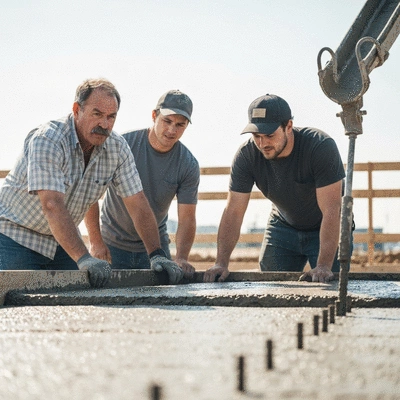
Construction workers overseeing a concrete slab pouring on a building site

What Are Concrete Slabs and Their Common Uses?

Concrete slabs are integral components of many construction projects. They provide a strong, stable base that supports structures above and endures various loads. Common uses of concrete slabs include:

  • Foundations for buildings to ensure stability
  • Floors in residential and commercial properties
  • Patios and driveways for outdoor areas
  • Roads and parking lots due to their durability. For more detailed information on specific pavement design, including types of concrete pavements, refer to the Federal Highway Administration's publication on Pavement Design.

Each of these applications demands a specific type of concrete slab, which brings us to the next point—understanding the various types available.

Types of Concrete Slabs: Which One is Right for You?

There are several types of concrete slabs, each suited for different applications and environments. Here are the most common types:

  • Plain Concrete Slabs: Basic slabs used primarily for driveways and sidewalks.
  • Reinforced Concrete Slabs: These include steel reinforcements to enhance strength, perfect for high-load situations.
  • Precast Concrete Slabs: Manufactured off-site and transported for installation, these slabs save time and labor.
  • Composite Slabs: A combination of concrete and steel, great for reducing weight while maintaining strength. For further insight into the design and construction of concrete floor slabs for various facilities, including Department of Defense projects, consult the Unified Facilities Criteria (UFC) document on Floor Slabs for DOD Facilities.

Choosing the right type depends on your project requirements, such as load-bearing capacity and environmental conditions. If you're unsure, reaching out to experts at Concrete Slab Innovations can provide valuable insights!

Reinforced Concrete vs. Precast Concrete: Key Differences

While both reinforced and precast concrete slabs serve critical functions, they come with distinct characteristics. Understanding these differences can guide your choice:

  • Reinforced Concrete: Typically cast on-site, it features embedded steel bars enhancing its tensile strength. This allows for greater flexibility in design and application.
  • Precast Concrete: This is manufactured in a controlled environment and then transported to the site. It offers consistent quality and quicker installation times, which can significantly reduce project timelines. For comprehensive guidelines on the design and construction of both cast-in-place and precast concrete structures, the Unified Facilities Criteria (UFC) 3-250-04 provides essential standards.

Considering these factors can help streamline your slab construction process. So, what will your next project look like? Let’s find the right slab solution together!

How to Choose the Right Concrete Slab for Your Project

Choosing the right concrete slab can feel overwhelming, but it doesn't have to be! Here at Concrete Slab Innovations, we believe that understanding the key factors that influence your choice will help you make a confident decision. Whether you're a contractor, engineer, or project manager, let's break down what you need to consider to ensure your project's success!

Factors to Consider When Selecting Concrete Slabs

Before diving into the specifics of concrete slabs, it's essential to evaluate several factors that will impact your selection process. These factors include load-bearing capacity, thickness, and overall budget. By understanding these elements, you can tailor your choice to meet the specific demands of your project.

  • Load-Bearing Capacity: Essential for structural integrity.
  • Thickness: Affects durability and performance.
  • Cost: Must align with your project's budget and goals.

Considering these factors ensures that your concrete slab can handle the intended loads while fitting within your financial parameters. It's always a good idea to consult with a professional if you're unsure about any of these aspects!

Architects reviewing concrete slab blueprints on a construction site

Load-Bearing Capacity and Structural Requirements

Understanding the load-bearing capacity of your concrete slab is crucial. Each project has unique structural demands, and a slab must be able to support the expected weight without compromising safety. A well-designed slab will distribute loads evenly, preventing issues down the line.

Some important considerations include:

  • The type of building (residential vs. commercial)
  • The weight of equipment or vehicles that will be on the slab
  • Soil conditions at the site

By taking these factors into account, you can ensure that the chosen slab will meet the necessary structural requirements!

Concrete Slab Thickness and Its Impact on Performance

The thickness of your concrete slab can have a significant impact on its performance and longevity. Thicker slabs generally offer greater durability and can withstand heavier loads. However, it's essential to balance thickness with other factors like cost and installation feasibility.

Common thickness options include:

  • 4 inches for residential floors
  • 6 inches for driveways or garages
  • 8 inches or more for commercial use

Choosing the right thickness helps ensure optimal performance while also aligning with your project's budget and design specifications.

Cost Considerations and Budgeting for Concrete Slabs

When it comes to concrete slabs, cost is always a consideration. It's important to establish a clear budget before selecting your materials. Consider not just the initial costs but also potential long-term savings from durable, well-installed slabs.

Some cost-related factors to weigh include:

  • Material costs (concrete type, additives)
  • Labor costs for installation
  • Maintenance and repair expectations

By understanding these cost elements, you can make an informed decision that aligns with both your financial constraints and project requirements.

Frequently Asked Questions About Concrete Slabs

Here are some common questions to help you better understand concrete slabs:

Q: What are the primary uses of concrete slabs?
A: Concrete slabs are primarily used for building foundations, residential and commercial floors, patios, driveways, roads, and parking lots due to their strength and durability.
Q: What are the main types of concrete slabs?
A: The main types include plain concrete slabs (for basic applications), reinforced concrete slabs (with steel for higher loads), precast concrete slabs (manufactured off-site for quicker installation), and composite slabs (concrete and steel for reduced weight and strength).
Q: What is the difference between reinforced and precast concrete?
A: Reinforced concrete is cast on-site with embedded steel bars for enhanced tensile strength and design flexibility. Precast concrete is manufactured in a controlled environment off-site, offering consistent quality and faster installation times.
Q: What factors should I consider when selecting a concrete slab?
A: Key factors include load-bearing capacity (to support expected weight), thickness (for durability and performance), and cost (to align with your project budget and long-term savings).
Q: How does concrete slab thickness impact its performance?
A: Thicker slabs generally provide greater durability and can withstand heavier loads. Common thicknesses range from 4 inches for residential floors to 8 inches or more for commercial applications, balancing performance with cost and installation.

Installation Process: What to Expect

Now that you have a solid understanding of how to choose the right concrete slab for your project, let’s dive into the installation process. Knowing what to expect during installation can alleviate any concerns and help ensure the project runs smoothly!

Recap of Key Points

Here is a quick recap of the important points discussed in the article:

  • Concrete slabs are essential for providing strong, stable bases in various construction projects.
  • Common uses of concrete slabs include foundations, floors, patios, and roads.
  • Key types of concrete slabs include plain, reinforced, precast, and composite slabs, each suited for specific applications.
  • Factors to consider when choosing a concrete slab include load-bearing capacity, thickness, and cost.
  • Installation of concrete slabs should be approached with a clear understanding of project requirements for optimal performance.
About !author

Aidan Cromwell

Aidan Cromwell is a seasoned construction professional and industry expert with a passion for innovative building solutions. With extensive experience in concrete slab construction and a deep understanding of modular formwork systems, Aidan strives to educate and empower contractors, engineers, and project managers. His insights are grounded in practical knowledge and a commitment to advancing construction efficiency and safety.

Popular Posts

Customizing Aluminum Formwork for Slabs How to Customize Aluminum Formwork Panels for Complex Slab Geometries Customization is revolutionizing construction, especially when it comes to complex slab designs. Alu
Aluminum Formwork for Concrete Efficiency How Aluminum Formwork Improves Load Efficiency in Concrete Slabs What if you could complete your construction projects faster and with greater safety? Aluminum formw
Recycling Aluminum in Construction Projects 6. Sustainable Construction: Recycling and Reusing Aluminum Formwork Panels What if the materials you choose for construction could significantly reduce your carbon footprint?
Aluminum Formwork Maintenance Best Practices Maintenance Best Practices to Prolong Aluminum Formwork Lifespan on Job Sites Did you know that a proactive maintenance routine can lead to a 25% decrease in repair costs? Buildi