Durability Factors
- •Withstands heavy loads
- •Low maintenance
- •Resistant to wear
Did you know that a well-constructed concrete slab can increase your property's value and enhance safety? Let's explore the key insights that can help you make informed decisions when building your garage!
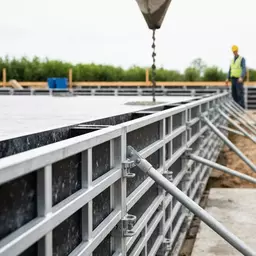
Building a durable garage concrete slab involves understanding essential factors. This visual highlights the critical aspects contributing to a strong, long-lasting foundation.
When it comes to building a garage, the foundation is everything! At Concrete Slab Innovations, we know that a well-designed concrete slab not only provides structural support but also enhances the overall functionality of your space. Let's dive into why choosing a concrete slab for your garage floor is such a smart decision.
There are several compelling reasons to opt for a concrete slab when constructing your garage floor:
Imagine having a garage floor that not only supports your vehicle but also serves as a solid base for future projects! With its robust strength, a concrete slab truly stands out as a reliable choice.
A well-constructed garage slab offers numerous benefits that can enhance your experience:
These benefits contribute not just to the immediate usability of your garage but also to its long-term value and safety. Investing in a quality garage slab is investing in the future!
One of the critical considerations when designing your garage slab is its load-bearing capacity. Here are some key points to keep in mind:
By paying attention to these load-bearing considerations, you can ensure that your garage slab is equipped to handle heavy vehicles and equipment, providing peace of mind for years to come! The International Residential Code (IRC) Chapter 4 also provides comprehensive information on foundation requirements.
To enhance the longevity of your concrete slab, consider using a high-quality concrete curing compound. This will help retain moisture during the curing process, leading to a stronger and more durable surface. Remember, proper curing can significantly reduce the risk of cracks and ensure your slab withstands the test of time!
A: A standard garage concrete slab is typically 4 inches thick. However, this can vary based on the anticipated load. If you plan to store heavy vehicles or equipment, a thicker slab might be necessary.
A: Concrete slabs offer exceptional durability, low maintenance, improved safety due to even surfaces, and increased property value. They are also versatile and can be finished in various ways to suit your aesthetic preferences.
A: Rebar or wire mesh reinforcement helps to distribute weight evenly across the slab and significantly reduces the risk of cracking, especially under heavy loads. This enhances the overall structural integrity and longevity of your garage floor.
A: Conducting a thorough soil assessment ensures that your foundation is built on a stable and solid base. This is crucial for preventing future issues like settling or cracking, which can compromise the durability of the slab.
A: Yes, eco-friendly concrete options are increasingly available. These often utilize recycled materials, can offer improved energy efficiency, and sometimes provide enhanced durability, contributing to a reduced carbon footprint for your project.
Building a garage concrete slab isn't just about pouring concrete—it's about understanding the importance of proper preparation and execution. Every step, from site preparation to pouring and curing, plays a critical role in the durability and functionality of your slab. Remember, a strong foundation is the backbone of any successful construction project!
As we’ve discussed, taking the time to address each phase thoroughly can save you from future headaches. Proper planning and execution not only enhance the structural integrity of your garage but also ensure it stands the test of time. Have you thought about how these elements integrate into your overall project?
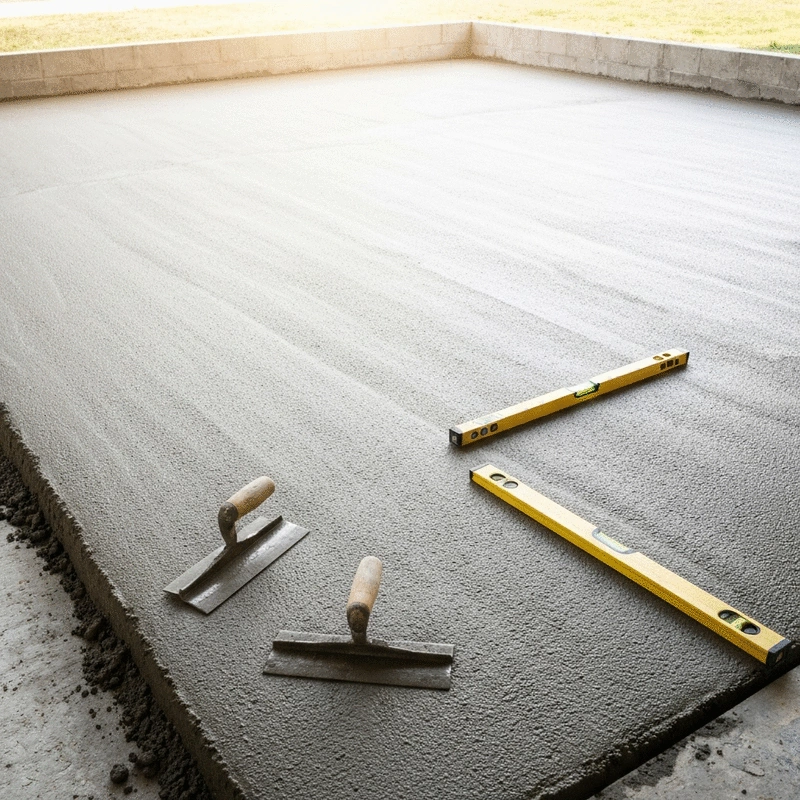
Preparation is key when it comes to constructing your garage slab. Here's a quick overview of crucial steps to remember:
Each of these elements ensures that your concrete slab not only meets load requirements but also endures wear and tear over the years. It’s worth investing the time to do it right!
While many can tackle a project like this, there’s no shame in seeking help when necessary. Sometimes, the expertise of a professional can provide insights that enhance your project outcomes. If you've got questions or uncertainties at any stage of your garage slab construction, consider reaching out. At Concrete Slab Innovations, we’re here to assist you with our wealth of knowledge in concrete slab construction.
Utilizing a professional can also help streamline the process, ensuring compliance with local building codes and safety standards. After all, a successful project is one where you feel confident and informed about your decisions!
Getting started on your garage concrete slab project is an exciting journey! To help you along the way, here’s a list of essential tools and resources you might need:
These tools are fundamental in ensuring that your project runs smoothly and is completed with high quality. Investing in the right equipment can make all the difference!
In conclusion, the effort you put into building a well-constructed garage concrete slab pays off in the long run. It serves not only as a functional space for your vehicles but also as a sturdy foundation for storage and more. Have you envisioned how this slab will elevate your garage experience?
With proper planning, execution, and perhaps a little professional guidance, you’re sure to create a garage slab that meets all your needs. Remember, your garage is more than just a space—it's an investment in your property’s future!
As we advance in construction practices, it’s important to consider the environmental impact of our materials. Eco-friendly concrete options are increasingly available and can offer sustainable solutions without compromising quality. Here’s why you might want to explore these options:
By choosing sustainable options for your garage slab, you contribute to a healthier planet while still achieving top-notch performance. Let's make your next project not just a build, but a smart, sustainable choice!
Here is a quick recap of the important points discussed in the article:
Aidan Cromwell is a seasoned construction professional and industry expert with a passion for innovative building solutions. With extensive experience in concrete slab construction and a deep understanding of modular formwork systems, Aidan strives to educate and empower contractors, engineers, and project managers. His insights are grounded in practical knowledge and a commitment to advancing construction efficiency and safety.