Seasonal Effects on Aluminum Formwork

Construction projects are often at the mercy of Mother Nature. Have you considered how understanding seasonal conditions can elevate your project efficiency and safety? The insights from this article reveal critical strategies that can lead to better outcomes when using aluminum formwork.
What You Will Learn
- Temperature fluctuations impact the integrity of aluminum formwork, leading to potential misalignments during construction.
- Moisture from rain or snow can slow down the curing process of concrete, necessitating effective moisture management techniques.
- Extreme weather conditions require robust planning and the use of specialized techniques, such as incorporating expansion joints and using insulating blankets.
- Adapting to seasonal variations through effective scheduling can mitigate delays and enhance on-site productivity.
- Employing temperature monitoring tools ensures timely adjustments to construction practices, safeguarding project quality and efficiency.
Seasonal Impact on Aluminum Formwork
Construction projects utilizing aluminum formwork are significantly influenced by seasonal conditions. Factors like temperature, moisture, and wind necessitate adaptive strategies to ensure structural integrity and project success.
Hot Weather Challenges
Rapid Evaporation
- Use curing compounds
- Work during cooler hours
- Cover concrete with wet burlap
Cold Weather Challenges
Slowed Curing Process
- Use insulating blankets
- Implement heating systems
- Monitor temperature continuously
Thermal Management
Expansion & Contraction
- Understand climate patterns
- Incorporate expansion joints
- Regularly adjust formwork
Mitigation & Monitoring
Proactive Strategies
- Use thermal blankets
- Employ digital thermometers
- Plan for weather delays
Understanding Seasonal Conditions and Their Effects on Aluminum Formwork
Every construction project is influenced by the environment, and understanding seasonal conditions is critical for the effective use of aluminum formwork. From temperatures to precipitation, these factors can significantly impact the design and functionality of formwork systems. At Concrete Slab Innovations, I have seen firsthand how adapting to seasonal changes can enhance project outcomes and ensure safety on-site.
By recognizing the effects of weather conditions, we can better prepare for challenges, ultimately achieving a smoother construction process. Let’s delve deeper into how various seasonal factors affect our aluminum formwork systems and what contractors can do to adapt.
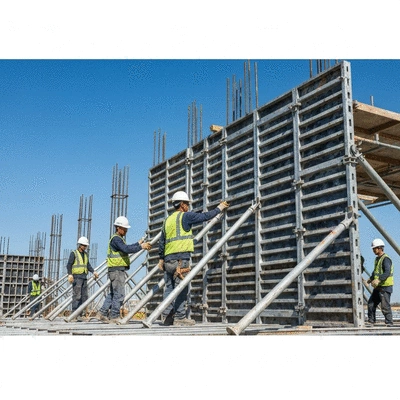
How Weather Impacts Formwork Design and Functionality
Weather plays a pivotal role in determining how effectively our formwork performs. For example, changes in temperature can affect the materials we use and the way our aluminum formwork is assembled. Understanding these impacts is essential for optimal operation.
- Temperature fluctuations can lead to thermal expansion or contraction, affecting the integrity of the formwork.
- Moisture from rain or snow can complicate the curing process of concrete.
- Wind can destabilize formwork if not properly secured, posing safety risks.
It’s crucial for contractors and project managers to consider these factors when planning their projects. Are we prepared for the unexpected shifts in weather? This consideration can mean the difference between a successful pour and costly delays. Further insights into how environmental conditions impact engineering projects can be found in a study on integrated environmental control for sustainable engineering.
The Role of Temperature in Aluminum Formwork Performance
Temperature can significantly influence the performance of aluminum formwork. When the temperature rises or drops, the materials can expand or contract, which may lead to misalignments. For instance, at high temperatures, the thermal expansion can cause the formwork to warp, compromising its structural integrity during concrete pouring.
Conversely, in colder weather, the aluminum may contract, leading to gaps that can affect the concrete's finish. Hence, understanding temperature management is vital for maintaining performance standards throughout the lifespan of the formwork.
Cold Weather Challenges: Concrete Curing and Jobsite Safety
Cold weather introduces unique challenges for concrete curing and overall jobsite safety. During low temperatures, the curing process slows down, which can lead to weakened concrete. Implementing proper measures is essential to ensure success.
- Use of insulating blankets to keep concrete warm.
- Implementing heating systems at the site to maintain ambient temperatures.
- Monitoring temperature levels continuously to avoid freezing conditions.
By equipping ourselves with the right knowledge and tools, we can navigate these cold weather challenges and maintain efficiency on-site.
Extreme Climate Considerations for Formwork Installation
When it comes to extreme climates, the stakes are higher. Particularly harsh conditions demand a more robust approach to formwork installation. Understanding the principles of managing these situations can lead to smoother operations and safer job sites.
Let’s discuss how to effectively manage thermal expansion and contraction, ensuring your aluminum formwork remains reliable in all conditions.
Managing Thermal Expansion and Contraction in Varying Conditions
Thermal expansion and contraction can create significant challenges in formwork installation. As temperatures rise, materials expand, and in the cold, they contract. This constant fluctuation can lead to a host of issues, including misalignment and potential failure of the formwork structure.
- Understanding local climate patterns allows for better material selection and installation techniques.
- Incorporating expansion joints where necessary can accommodate movement without compromising structural integrity.
- Regularly checking and adjusting formwork during extreme temperatures ensures precision.
By proactively managing these thermal changes, we can safeguard our investments in aluminum formwork and ensure quality outcomes. For further reading on structural behavior under varying conditions, you might find this research on structural response to environmental factors insightful.
Preheating Techniques for Optimal Performance in Cold Regions
For projects in cold regions, preheating techniques are vital to maintaining the integrity of the concrete. Preheating can help speed up the curing process, preventing freezing issues that can lead to cracks and other defects.
- Using temporary heat sources like portable heaters can make a significant difference.
- Incorporating heated blankets directly onto the formwork can maintain optimal temperatures.
- Employing insulated formwork systems can further enhance heat retention during the curing process.
Implementing these techniques effectively not only enhances the outcome of the pour but also ensures the safety and efficiency of the entire project.
Comparing Hot Weather and Cold Weather Impacts on Formwork
Understanding the impacts of both hot and cold weather on formwork is crucial for any construction professional. Each season presents its own set of challenges that require different mitigation strategies. Let’s explore how to navigate these diverse conditions.
Mitigating Hot Weather Effects on Concrete Curing
Hot weather can lead to rapid evaporation, which poses risks to concrete curing. To combat this, it’s essential to implement specific strategies that protect your work. Failure to do so can lead to surface cracking and inadequate curing.
- Using curing compounds can reduce water loss and maintain moisture.
- Working during cooler parts of the day helps minimize exposure to high temperatures.
- Covering poured concrete with wet burlap or plastic can provide a protective layer against evaporation.
These measures can significantly enhance the quality of concrete in hot conditions, ensuring that we meet the high standards we set for our projects.
Strategies for Maintaining Structural Integrity in Extreme Temperatures
Extreme temperatures, whether hot or cold, can jeopardize the structural integrity of our concrete. To prevent this, we must adopt a proactive approach to managing these conditions.
- Regular monitoring of temperature levels is essential to adapt our strategies.
- Implementing flexible design features allows for natural movement due to thermal changes.
- Utilizing advanced materials that are engineered to withstand temperature extremes can offer added protection.
By preparing for these temperature extremes, we can ensure that our aluminum formwork stands the test of time, no matter the season.
We Want to Hear From You!
What strategies do you find most effective for managing aluminum formwork in varying seasonal conditions? Share your thoughts or experiences below:
Mitigation Strategies for Seasonal Challenges in Formwork Installation
When working with aluminum formwork, understanding and mitigating seasonal challenges is essential for a successful project. As someone who's seen firsthand how the weather can impact construction, I always emphasize the importance of effective temperature management. Let's dive into some practical strategies that can help ensure your formwork installations are resilient against the elements!
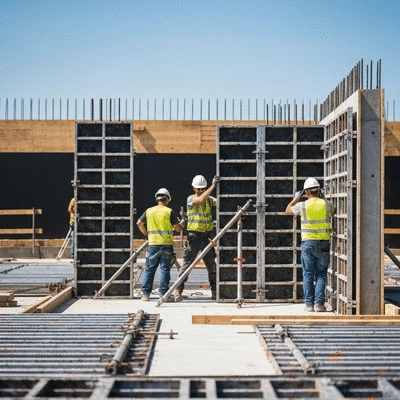
Effective Temperature Management Techniques
Temperature fluctuations can significantly affect the performance of aluminum formwork. To combat these challenges, employing various insulation methods and protective coverings is crucial. Here are some effective techniques I recommend:
- Use of thermal blankets to retain heat during cold snaps
- Application of insulated covers to shield formwork from extreme heat
- Utilizing heated enclosures for curing periods in colder climates
These methods not only protect the formwork but also enhance the curing process. Additionally, incorporating temperature monitoring tools can help track on-site conditions effectively. Ensuring you have accurate temperature data is vital for making timely adjustments to your project plans.
Temperature Monitoring Tools for Successful Projects
Implementing temperature monitoring tools can help you achieve optimal project outcomes. Consider these options:
- Digital thermometers for real-time temperature readings
- Data logging devices to track temperature trends over time
- Remote monitoring systems that alert you to temperature fluctuations
By regularly checking the temperature, you can make informed decisions on whether to proceed with pouring or to apply additional protective measures. Staying proactive about temperature management will lead to smoother operations and improved project efficiency. For a deeper understanding of monitoring techniques in construction, explore this article on real-time monitoring in construction management.
Scheduling and Planning for Seasonal Variations
Effective scheduling can make all the difference when facing seasonal challenges. Creating a comprehensive seasonal work plan is one of the best steps you can take to mitigate risks associated with weather changes. Here’s what to consider when planning:
- Account for potential weather delays in your project timeline
- Coordinate material deliveries to align with favorable weather conditions
- Incorporate buffer times for unexpected weather disruptions
By being vigilant about your schedule, you can minimize disruptions, enhancing overall productivity on-site. Remember, a well-structured plan not only helps in navigating seasonal variations but also ensures that you maintain control over your project.
Understanding Material Behavior Across Different Weather Conditions
Each season affects construction materials uniquely, and aluminum formwork is no exception. Understanding how materials behave in different weather conditions will help you anticipate issues before they arise. For example, excessive heat may lead to quicker curing times, while cold snaps could cause delays. By staying informed about these behaviors, you can better prepare your team and adjust your techniques accordingly.
Cost Management Strategies in Seasonal Projects
Managing costs effectively is crucial for every construction project, especially during unpredictable seasons. Evaluating project timelines and resource allocation will help you avoid budget overruns. Here are some strategies I suggest for managing costs:
- Conduct regular assessments of resource usage
- Plan for additional labor costs during peak weather conditions
- Utilize cost-effective materials and methods tailored for seasonal requirements
By keeping a close eye on your project’s financial health, you can ensure that seasonal challenges do not derail your budget or timeline. Effective cost management ultimately leads to more successful project outcomes.
Risk Assessment and Mitigation for Construction Delays
Finally, conducting thorough risk assessments is essential when planning for seasonal projects. Identify potential risks associated with adverse weather and develop mitigation strategies to address them. Consider these steps:
- Analyze past projects to pinpoint common weather-related issues
- Create contingency plans for weather-related disruptions
- Engage your team in discussions about safety and efficiency improvements
By evaluating risks ahead of time, you can enhance job site safety and maintain the integrity of your projects, ensuring a smoother experience for everyone involved.
Frequently Asked Questions (FAQs)
- How do seasonal conditions impact aluminum formwork? Seasonal conditions such as temperature, moisture, and wind can significantly affect the structural integrity and project success of aluminum formwork. Temperature fluctuations can cause expansion or contraction, moisture slows concrete curing, and wind can destabilize formwork.
- What are the main challenges for aluminum formwork in hot weather? Hot weather primarily causes rapid evaporation of moisture from concrete, which can lead to surface cracking and inadequate curing. Strategies like using curing compounds, working during cooler hours, and covering concrete with wet burlap are vital.
- What strategies are effective for cold weather concrete curing? In cold weather, the concrete curing process slows down. Effective strategies include using insulating blankets, implementing heating systems on-site, and continuously monitoring temperature levels to prevent freezing.
- How can thermal expansion and contraction be managed in formwork? Managing thermal expansion and contraction involves understanding local climate patterns, incorporating expansion joints where necessary, and regularly checking and adjusting the formwork during extreme temperatures to maintain precision and structural integrity.
- What tools are recommended for temperature monitoring on construction sites? Digital thermometers for real-time readings, data logging devices to track temperature trends, and remote monitoring systems that alert to fluctuations are recommended for effective temperature management and optimal project outcomes.
- Why is effective scheduling important for seasonal construction projects? Effective scheduling helps mitigate risks by accounting for potential weather delays, coordinating material deliveries with favorable conditions, and incorporating buffer times for unexpected disruptions, thereby enhancing overall productivity and control.
Recap of Key Points
Here is a quick recap of the important points discussed in the article:
- Understanding seasonal conditions is crucial for effective aluminum formwork usage.
- Temperature fluctuations can lead to thermal expansion and contraction, impacting formwork integrity.
- Cold weather requires special measures for concrete curing, including insulation and heating systems.
- Extreme climates necessitate robust installation techniques and continuous monitoring of temperature levels.
- Utilizing temperature monitoring tools aids in making informed decisions during construction.
- Effective scheduling and planning can help mitigate risks associated with seasonal variations.
- Conducting thorough risk assessments ensures safety and efficiency on the job site.

Aidan Cromwell
Aidan Cromwell is a seasoned construction professional and industry expert with a passion for innovative building solutions. With extensive experience in concrete slab construction and a deep understanding of modular formwork systems, Aidan strives to educate and empower contractors, engineers, and project managers. His insights are grounded in practical knowledge and a commitment to advancing construction efficiency and safety.
Popular Posts
Aluminum Formwork and Carbon Reduction
![Aluminum Formwork and Carbon Reduction]() What if the way we build could significantly impact our planet's future? Embracing aluminum formwork
What if the way we build could significantly impact our planet's future? Embracing aluminum formwork
 What if the way we build could significantly impact our planet's future? Embracing aluminum formwork
Aluminum Formwork: Storage and Transport
![Aluminum Formwork: Storage and Transport]() What if the longevity of your aluminum formwork could be dramatically increased just by changing how
What if the longevity of your aluminum formwork could be dramatically increased just by changing how
 What if the longevity of your aluminum formwork could be dramatically increased just by changing how
Train Your Crew for Efficient Assembly
![Train Your Crew for Efficient Assembly]() Investing in training can transform your construction project outcomes. With proper techniques and k
Investing in training can transform your construction project outcomes. With proper techniques and k
 Investing in training can transform your construction project outcomes. With proper techniques and k
Aluminum Formwork Load Engineering Guidelines
![Aluminum Formwork Load Engineering Guidelines]() Consider this: a single miscalculation in load engineering can lead to structural failures and finan
Consider this: a single miscalculation in load engineering can lead to structural failures and finan
 Consider this: a single miscalculation in load engineering can lead to structural failures and finan
