Have you ever pondered the hidden complexities behind concrete slab construction? Understanding the load-bearing capacity of materials like aluminum formwork can significantly influence your projects, ensuring safety and efficiency. Let’s delve into the essential lessons that can elevate your construction practices.
What You Will Learn
Load-bearing capacity is crucial for determining how much weight a structure can safely support during concrete pouring.
Aluminum formwork is up to 60% lighter than steel, resulting in lower labor costs and faster setup times.
Environmental factors, such as temperature and humidity, can significantly influence the performance of aluminum formwork.
Selecting appropriate alloy grades and design specifications enhances both the strength and durability of the formwork.
Regular inspections and maintenance can extend the lifespan of your formwork systems and ensure ongoing safety.
Staying informed about building codes and safety standards is essential for compliance and project success.
Aluminum Formwork vs. Steel: Key Comparisons
This visual highlights the critical differences between aluminum and steel formwork across various factors.
Weight Comparison
60%
Lighter than Steel
Aluminum
100%
Base Weight
Steel
Aluminum's lighter weight significantly reduces transportation and installation efforts.
Corrosion Resistance
Aluminum: Excellent
Steel: Moderate
Aluminum offers superior resistance to rust and degradation, extending its lifespan.
Cost Efficiency
Aluminum: Higher Initial, Lower Long-Term
Steel: Lower Initial, Higher Long-Term
Long-term savings from labor and maintenance often make aluminum more cost-effective.
Environmental Impact
Aluminum: Sustainable
Steel: Moderate
Aluminum is recyclable and leads to lower transport emissions due to its lightness.
Understanding the Load-Bearing Capacity of Aluminum Formwork
When it comes to concrete slab construction, understanding the load-bearing capacity of your materials is essential. But what does load-bearing capacity actually mean? In simple terms, it's the maximum weight a structure can support without experiencing failure. This concept is crucial not only for safety, but also for ensuring that our projects meet the required standards and can withstand real-world conditions.
At Concrete Slab Innovations, we recognize that a solid grasp of load-bearing capacity can influence your choice of materials and design methodologies, leading to safer and more efficient construction practices. Let’s dive deeper into why this aspect is so important and how it impacts your projects.
What is Load-Bearing Capacity and Why it Matters?
Load-bearing capacity is fundamental in determining how well a structure can perform under various stresses. It encompasses factors like weight distribution, material strength, and even environmental influences. Understanding this capacity allows us to design safer buildings that stand the test of time.
Safety: Adequate load-bearing capacity minimizes the risk of structural failure.
Cost-Effectiveness: Knowing the limits helps in resource allocation, ultimately reducing waste.
Compliance: Adhering to building codes and regulations ensures that projects pass inspections. For more information on structural engineering and building codes, you can refer to resources from the National Institute of Standards and Technology (NIST).
By prioritizing load-bearing capacity, we not only protect lives but also enhance the overall quality of our projects. It’s essential for contractors, engineers, and project managers to have a clear understanding of these principles to implement them effectively.
Aluminum Formwork vs. Steel: A Comparative Analysis
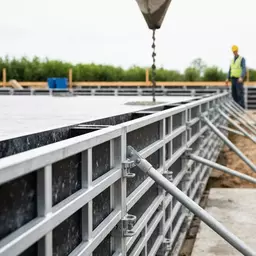
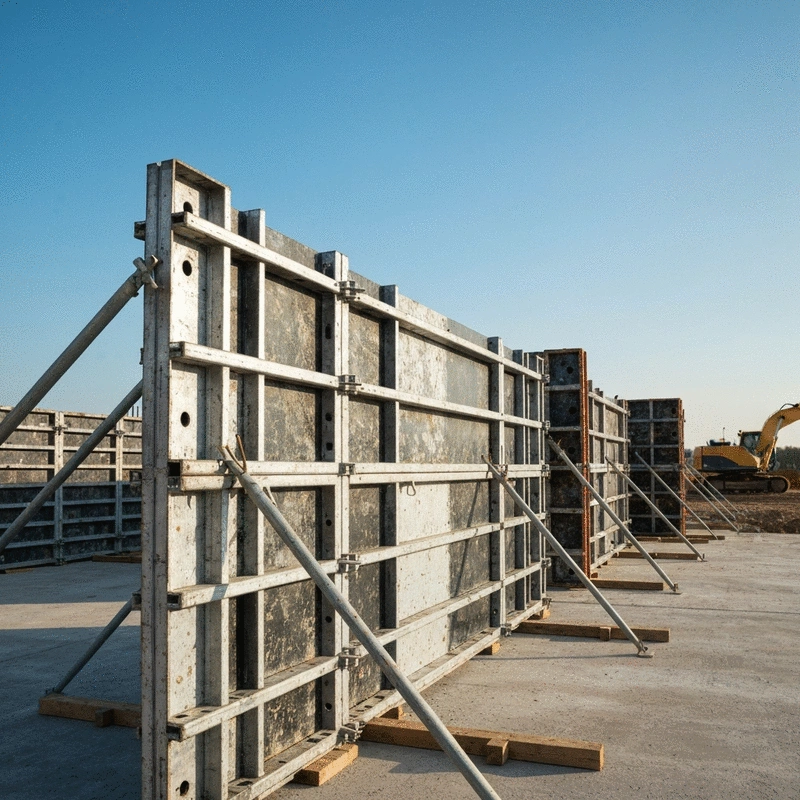
When it comes to formwork options, aluminum and steel are often compared. Each has its merits, but aluminum shines in several key areas. For instance, aluminum formwork is considerably lighter than steel, making it easier to handle and set up. This characteristic significantly reduces labor costs and time on-site.
Weight: Aluminum is up to 60% lighter than steel, allowing for easier transportation and installation.
Corrosion Resistance: Aluminum offers better resistance to rust and degradation compared to steel.
Cost Efficiency: While steel may have a lower initial cost, the long-term savings from labor and maintenance with aluminum often outweigh the differences. For further insights into concrete technologies and materials, the American Concrete Institute (ACI) provides valuable information.
While both materials can provide excellent load-bearing capacities, each project may benefit from one over the other based on specific needs and conditions. By analyzing these differences, we can make informed decisions that align with project goals.
Key Factors Influencing Load-Bearing Capacity
Now that we understand the significance of load-bearing capacity, let’s explore the factors that influence it. Recognizing these elements will help us make better choices when selecting formwork systems for our projects.
Pro Tip
When selecting aluminum formwork for your projects, consider integrating modular systems that allow for flexible configurations. This adaptability not only enhances load-bearing capacity but also streamlines the entire construction process, making it easier to accommodate changes or unforeseen challenges on-site.
Summarizing the Load-Bearing Capacity Insights
In our exploration of aluminum formwork's load-bearing capacity, we’ve uncovered significant insights that can aid engineers and construction professionals alike. Understanding how various factors impact load capacity is essential for ensuring safety and efficiency in your projects. The key takeaways below encapsulate the core principles we've discussed.
Understanding Load-Bearing Capacity: This is crucial for determining the types of loads that the formwork can safely support during concrete pouring.
Material Comparison: Aluminum's lightweight nature gives it a distinct advantage over traditional steel systems, especially in terms of ease of handling and assembly.
Environmental Considerations: Factors such as temperature and humidity can significantly influence the behavior and reliability of aluminum formwork.
Design Specifications: The specific alloy grades and engineering designs used can enhance strength and durability.
By keeping these insights in mind, professionals can make informed decisions when selecting formwork systems that align with their project goals. As I’ve seen in my own work at Concrete Slab Innovations, these considerations can lead to better outcomes and a smoother construction process!
Key Takeaways for Engineers and Construction Professionals
To ensure you’re prepared for your next project, here are some crucial takeaways to consider:
Choose aluminum formwork for its superior load-bearing capacity and light weight.
Prioritize designs that consider all environmental factors to mitigate potential risks.
Test different alloy grades to find the best fit for your specific load requirements.
Stay updated on building codes and safety standards related to formwork systems. For Australian concrete industry best practices, the Australian Concrete Institute (Victoria Branch) offers valuable resources.
By focusing on these elements, you'll enhance your project’s overall safety and sustainability. It’s all about making choices that support both short-term efficiency and long-term success!
Your Next Steps in Choosing Aluminum Formwork
Now that you have a better grasp on the load-bearing capacity of aluminum formwork, it’s time to consider your options in detail. Let’s explore how to select the right system for your needs.
Evaluating Options Based on Environmental Conditions
When choosing aluminum formwork, it's essential to assess the specific environmental conditions of your project site. Here are some critical factors to consider:
Temperature Extremes: Ensure the formwork can withstand the temperature ranges in your location.
Humidity Levels: High humidity can affect the curing process, so select systems that accommodate moisture variations.
Wind Load: Consider local wind patterns and how they might impact the stability of your formwork.
By evaluating these environmental factors, you’ll be better positioned to select formwork that withstands the demands of your project. From my experience, a thoughtful approach to these considerations can result in improved safety and structural integrity!
How to Optimize Your Formwork Choices for Longevity and Safety
To ensure the longevity and safety of your aluminum formwork, follow these optimization strategies:
Implement regular inspections to identify early signs of wear or damage.
Choose formwork designs that facilitate easy maintenance and repairs.
Utilize coatings or treatments that enhance corrosion resistance.
These practices will not only extend the lifespan of your formwork systems but also bolster the safety of your projects in the long run. Remember, investing in quality materials today means fewer headaches tomorrow!
Understanding Building Codes and Design Standards for Project Compliance
Finally, it’s vital to familiarize yourself with relevant building codes and design standards that apply to aluminum formwork. Here are key points to keep in mind:
Research local building regulations to ensure compliance with safety standards.
Consult with structural engineers to confirm that your formwork design meets necessary criteria.
Stay informed about updates to codes that could affect future projects.
Adhering to these regulations not only ensures compliance but also enhances the overall safety and quality of your construction projects. At Concrete Slab Innovations, we believe that knowledge is power, and understanding these standards is a crucial step in your construction journey!
Recap of Key Points
Here is a quick recap of the important points discussed in the article:
Load-Bearing Capacity: Understanding this is crucial for determining the maximum weight a structure can support safely.
Material Advantages: Aluminum formwork is lighter, corrosion-resistant, and often more cost-effective than steel.
Environmental Factors: Temperature and humidity can significantly influence the performance of aluminum formwork systems.
Design Considerations: The choice of alloy grades and engineering specifications can enhance the load-bearing capacity and durability of formwork.
Compliance with Standards: Staying updated on building codes is essential for ensuring safety and project success.
Frequently Asked Questions (FAQs)
What is load-bearing capacity in concrete slab construction?
Load-bearing capacity refers to the maximum weight a structure or material can safely support without structural failure. It is crucial for ensuring safety, cost-effectiveness, and compliance in concrete slab construction.
How does aluminum formwork compare to steel formwork?
Aluminum formwork is up to 60% lighter than steel, offers superior corrosion resistance, and while it might have a higher initial cost, it often leads to lower long-term costs due to reduced labor and maintenance. Steel has a lower initial cost but can incur higher long-term expenses.
What environmental factors influence aluminum formwork performance?
Temperature extremes, humidity levels, and wind load can all significantly influence the performance and stability of aluminum formwork. It's essential to consider these factors when selecting and deploying formwork systems.
How can I optimize aluminum formwork for longevity and safety?
To optimize aluminum formwork, implement regular inspections, choose designs that facilitate easy maintenance and repairs, and utilize coatings or treatments that enhance corrosion resistance. These practices extend lifespan and improve safety.
Why is it important to understand building codes and design standards for formwork?
Understanding and adhering to building codes and design standards ensures project compliance, enhances overall safety, and improves the quality of construction projects. It helps prevent structural failures and ensures the project meets regulatory requirements.
Aidan Cromwell
Aidan Cromwell is a seasoned construction professional and industry expert with a passion for innovative building solutions. With extensive experience in concrete slab construction and a deep understanding of modular formwork systems, Aidan strives to educate and empower contractors, engineers, and project managers. His insights are grounded in practical knowledge and a commitment to advancing construction efficiency and safety.

Concrete Slab Innovations is dedicated to advancing concrete slab construction through innovative aluminum formwork systems. Our mission is to provide contractors, engineers, and project managers with cutting-edge methods for safe and precise slab support.
Optimize your concrete slab projects by integrating modular aluminum formwork. Its lightweight design significantly cuts down on labor and setup time!
Enhance project efficiency by understanding the high-load capacity of modern aluminum systems. This ensures structural integrity and faster pour cycles!
Reduce material costs and waste by choosing reusable aluminum formwork. A sustainable choice that also boosts your bottom line!
Prioritize job site safety with robust aluminum formwork. Its stable design minimizes risks during the critical concrete pouring phase.
Streamline your project timelines. Modular aluminum formwork allows for quicker assembly and dismantling, speeding up overall construction.
Achieve consistent slab quality through precise formwork alignment. High-quality systems ensure accurate dimensions and a superior finish.
Educate your team on the benefits of innovative formwork. A knowledgeable crew is crucial for maximizing efficiency and safety.
Explore case studies of successful projects utilizing advanced formwork. Learn from real-world applications to inform your next build.
Consider the long-term economic advantages of investing in quality formwork systems. Durability means less replacement and better ROI.
Implement rigorous quality control checks during formwork setup. Precision at this stage prevents costly rework later.
Stay updated on the latest advancements in concrete technology and formwork. Continuous learning keeps your projects cutting-edge.
Consult with formwork specialists to tailor solutions to your specific project needs. Custom approaches yield optimized results.
Document your formwork processes for consistency and training. Standardized procedures improve efficiency and reduce errors.
Regular maintenance of your formwork equipment extends its lifespan and ensures reliable performance on every job.
Ready to elevate your concrete slab projects? Dive into our resources to discover how innovative formwork can transform your construction practices!