Concrete Driveway Slab Basics
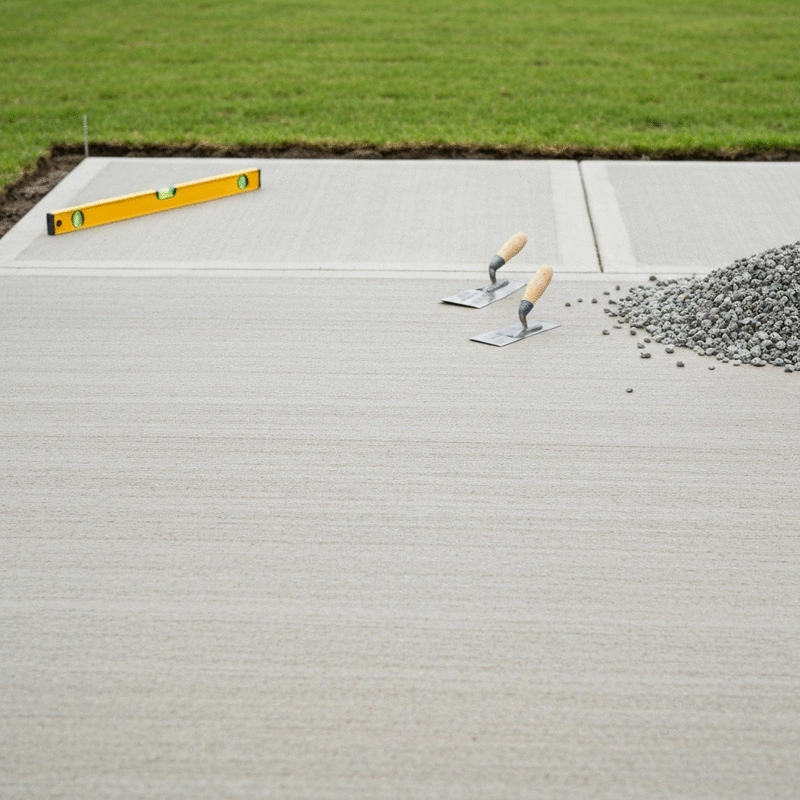
Have you ever considered the transformative power of a concrete driveway? This functional element can significantly enhance the curb appeal of your home while providing remarkable durability. Understanding the different types of concrete driveways will empower you to make a choice that best suits your needs.
What You Will Learn
- Different types of concrete driveway slabs include stamped, plain, and decorative options, each with unique aesthetics and benefits.
- Flatwork concrete offers a smooth finish, while reinforced slabs provide enhanced durability for heavier vehicles.
- Color choices and surface textures can be mixed to create visually appealing and functional driveways.
- Concrete driveways are known for their durability, requiring minimal maintenance and offering long-term cost savings.
- The load-bearing capacity of concrete makes it suitable for various vehicle types and withstands harsh weather conditions effectively.
Concrete Driveway Slab Options and Benefits
Explore the key types of concrete driveway slabs and the impressive benefits they offer for your property.
Types of Concrete Driveway Slabs
Stamped Concrete
Mimics stone or brick, adds elegance.
Plain Concrete
Economical choice, focuses on functionality.
Decorative Concrete
Combines patterns and colors for unique curb appeal.
Benefits of Concrete Driveways
Durability & Longevity
Lasts for decades with proper care, less prone to wear.
Low Maintenance & Cost-Effective
Regular cleaning/sealing, fewer repairs than alternatives.
Load-Bearing & Weather Resistant
Withstands heavy weight and harsh weather conditions.
Understanding Concrete Driveway Slabs: Types and Benefits
Concrete driveways are not just a practical choice; they can also enhance the aesthetic appeal of your home. At Concrete Slab Innovations, we believe that understanding the various types of concrete driveway slabs can help you make informed decisions. Let’s dive into the different options available and their unique benefits!
Exploring Different Types of Concrete Driveway Slabs
When it comes to concrete driveways, there are three main types you can consider: stamped, plain, and decorative concrete. Each has its own set of features and benefits.
- Stamped Concrete: This option mimics the look of stone or brick, adding a touch of elegance to your driveway.
- Plain Concrete: The most economical choice, perfect for those who prioritize functionality over aesthetics.
- Decorative Concrete: Combines patterns and colors to create a unique appearance that enhances your home’s curb appeal.
Choosing between these options depends largely on your budget and design preferences. Are you looking to make a statement, or do you prefer something straightforward? It's essential to weigh the pros and cons of each type before making a decision.
Choosing Between Flatwork Concrete and Reinforced Slabs
Next, let's discuss flatwork concrete versus reinforced slabs. Flatwork concrete is commonly used for driveways due to its smooth finish and ease of installation. On the other hand, reinforced slabs incorporate steel bars or mesh, providing enhanced strength and load-bearing capacity. If heavy vehicles will regularly use your driveway, going for the reinforced option might be wise! For more detailed information on concrete pavement design and construction, you can refer to resources like the California Department of Transportation's Concrete Pavement Guide.
Ultimately, your choice will depend on the specific needs of your project. Are you planning to park a heavy truck, or will smaller vehicles be the norm? Understanding these needs can help you make the right selection.
Analyzing Concrete Color Options and Surface Textures
The color and texture of your concrete driveway are vital for achieving the desired look. A variety of colors are available, from traditional gray to vibrant hues that can complement your home. Textured surfaces can add visual interest while providing increased traction.
- Color Options: Light shades can make a space feel larger, while darker tones can add sophistication.
- Surface Textures: Options like brushed or exposed aggregate can enhance durability and appearance.
- Combination Choices: Mixing colors and textures can create a truly personalized driveway.
Exploring these options can lead to a driveway that not only serves its purpose but also elevates your property's overall look. Additionally, understanding proper slab construction, including how to ensure slabs slope away from the house, is crucial for long-term performance and drainage.
Benefits of Installing a Concrete Driveway Slab
Now that we've covered the types of concrete driveway slabs, let’s explore their impressive benefits. Trust me; you’ll want to consider these advantages when planning your installation!
Durability and Longevity of Concrete Driveways
One of the biggest perks of concrete driveways is their durability. With proper installation and maintenance, they can last for decades, standing up to the test of time and heavy usage. Unlike other materials, concrete is less prone to wear and tear, making it a long-term investment for your home.

Have you seen how some driveways begin to crack after a few years? That’s not usually a concern with concrete when done right. Think about the peace of mind knowing your driveway will hold up against Mother Nature!
Maintenance Requirements and Cost-Effectiveness
Maintenance for concrete driveways is relatively straightforward. Regular cleaning and sealing can keep your driveway looking fresh for years. Plus, the overall cost-effectiveness of concrete makes it a smart choice. Instead of worrying about frequent repairs, you can focus on enjoying your home!
- Minimal Upkeep: Regular inspections and sealing every few years can keep your driveway in top shape.
- Cost Savings: Concrete typically requires less frequent repairs compared to asphalt or pavers.
- Energy Efficiency: Concrete’s light color reflects sunlight, which can help keep your home cooler!
Understanding Load-Bearing Capacity and Weather Resistance
Concrete driveways are incredibly strong, which means they can withstand significant weight without cracking or shifting. This load-bearing capacity is crucial if you have multiple vehicles or heavy trucks accessing your driveway regularly. Additionally, concrete is highly resistant to harsh weather conditions, ensuring that it performs well in rain, snow, and even extreme heat! For more detailed information on concrete's performance and design considerations, you can consult publications such as the FHWA's Concrete Pavement Technology Program.
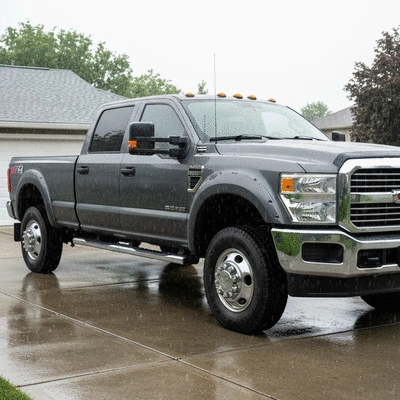
So, whether you live in a snow-prone area or a region with heavy rainfall, concrete driveways are a reliable choice. They’re designed to endure, giving you top-notch performance and safety.
Pro Tip
When selecting a concrete driveway, consider the long-term impact of color and texture. Lighter colors not only enhance the aesthetic appeal but also help in reflecting sunlight, keeping your driveway cooler in hot weather. Additionally, combining different textures can provide both visual interest and improved traction, enhancing safety during rainy conditions. Don't hesitate to consult with a professional to determine the best options for your specific environment!
Wrapping Up: Key Takeaways on Concrete Driveway Slabs
As we approach the end of our exploration into concrete driveway slabs, it's essential to reflect on the numerous benefits and considerations that come with this choice. From the durability and longevity of concrete options to their versatility in design, concrete driveways can enhance both the function and aesthetic of your property. Choosing the right type of slab and understanding the installation process are crucial steps in ensuring a successful project.
Ultimately, investing in a concrete driveway offers a fantastic return, especially when you prioritize quality and efficiency. With options ranging from stamped to decorative concrete, you have the flexibility to create a driveway that complements your home’s style. Remember, working with an expert in concrete, like us at Concrete Slab Innovations, can provide you with invaluable insights and support.
Frequently Asked Questions about Concrete Driveways
- What are the main types of concrete driveway slabs?
- The main types include stamped concrete (mimics stone/brick), plain concrete (economical and functional), and decorative concrete (combines patterns and colors for unique appeal).
- Should I choose flatwork concrete or a reinforced slab for my driveway?
- Flatwork concrete is suitable for general use, offering a smooth finish. Reinforced slabs, with steel bars or mesh, provide enhanced strength and load-bearing capacity, making them ideal for driveways that will regularly host heavy vehicles.
- How important are color and texture options for a concrete driveway?
- Color and texture are vital for both aesthetics and functionality. Colors can complement your home's exterior, while textured surfaces (like brushed or exposed aggregate) add visual interest and improve traction, enhancing safety.
- What are the primary benefits of installing a concrete driveway?
- Concrete driveways offer exceptional durability and longevity (lasting decades), low maintenance requirements, cost-effectiveness (fewer repairs), high load-bearing capacity, and strong resistance to various weather conditions.
- How often do concrete driveways need maintenance?
- Concrete driveways require minimal upkeep. Regular cleaning and sealing every few years are typically sufficient to maintain their appearance and structural integrity.
Summarizing the Benefits and Considerations of Concrete Driveways
When contemplating a concrete driveway, keep these key points in mind:
- Durability: Concrete driveways stand the test of time, with minimal maintenance required.
- Cost-Effectiveness: While installation costs can vary, the long-term benefits often outweigh initial expenses.
- Versatility: With various styles and finishes, concrete can match any home aesthetic.
- Load-Bearing Capacity: Concrete is designed to handle heavy loads, making it suitable for vehicles and equipment.
- Weather Resistance: Properly installed concrete withstands harsh weather conditions, ensuring longevity.
By understanding these key aspects, you can make an informed decision that aligns with your needs and expectations. If you’re ready to take the plunge, the next step is straightforward!
Next Steps for Your Concrete Driveway Project
Ready to transform your outdoor space with a concrete driveway? Here’s how to get started:
- How to Get a Quote from Local Contractors: Research local contractors with solid reputations. Ask for quotes and compare prices, ensuring you also check their experience with concrete driveways.
- Connecting with Experts for Further Guidance: Don’t hesitate to reach out to professionals for insights. A conversation with experts like us at Concrete Slab Innovations can clarify any doubts and provide tailored recommendations.
Taking these steps will set you on the path toward a successful concrete driveway installation. Are you excited to see how concrete can enhance your property? Let’s get started!
Recap of Key Points
Here is a quick recap of the important points discussed in the article:
- Types of Concrete Driveway Slabs: Options include stamped, plain, and decorative concrete, each with unique features and benefits.
- Flatwork vs. Reinforced Concrete: Flatwork is easier to install, while reinforced slabs offer greater strength for heavy vehicles.
- Color and Texture Options: Choosing the right color and texture enhances both aesthetics and functionality.
- Durability and Longevity: Properly installed concrete driveways can last for decades with minimal maintenance.
- Cost-Effectiveness: Concrete typically requires fewer repairs over time compared to other materials.
- Load-Bearing Capacity: Concrete can withstand significant weight, making it ideal for multiple vehicles and equipment.
- Weather Resistance: Concrete driveways perform well in various weather conditions, ensuring longevity and safety.

Aidan Cromwell
Aidan Cromwell is a seasoned construction professional and industry expert with a passion for innovative building solutions. With extensive experience in concrete slab construction and a deep understanding of modular formwork systems, Aidan strives to educate and empower contractors, engineers, and project managers. His insights are grounded in practical knowledge and a commitment to advancing construction efficiency and safety.
Popular Posts
Aluminum Formwork and Carbon Reduction
![Aluminum Formwork and Carbon Reduction]() What if the way we build could significantly impact our planet's future? Embracing aluminum formwork
What if the way we build could significantly impact our planet's future? Embracing aluminum formwork
 What if the way we build could significantly impact our planet's future? Embracing aluminum formwork
Aluminum Formwork: Storage and Transport
![Aluminum Formwork: Storage and Transport]() What if the longevity of your aluminum formwork could be dramatically increased just by changing how
What if the longevity of your aluminum formwork could be dramatically increased just by changing how
 What if the longevity of your aluminum formwork could be dramatically increased just by changing how
Train Your Crew for Efficient Assembly
![Train Your Crew for Efficient Assembly]() Investing in training can transform your construction project outcomes. With proper techniques and k
Investing in training can transform your construction project outcomes. With proper techniques and k
 Investing in training can transform your construction project outcomes. With proper techniques and k
Aluminum Formwork Load Engineering Guidelines
![Aluminum Formwork Load Engineering Guidelines]() Consider this: a single miscalculation in load engineering can lead to structural failures and finan
Consider this: a single miscalculation in load engineering can lead to structural failures and finan
 Consider this: a single miscalculation in load engineering can lead to structural failures and finan
