Understanding Flat Slab Concrete
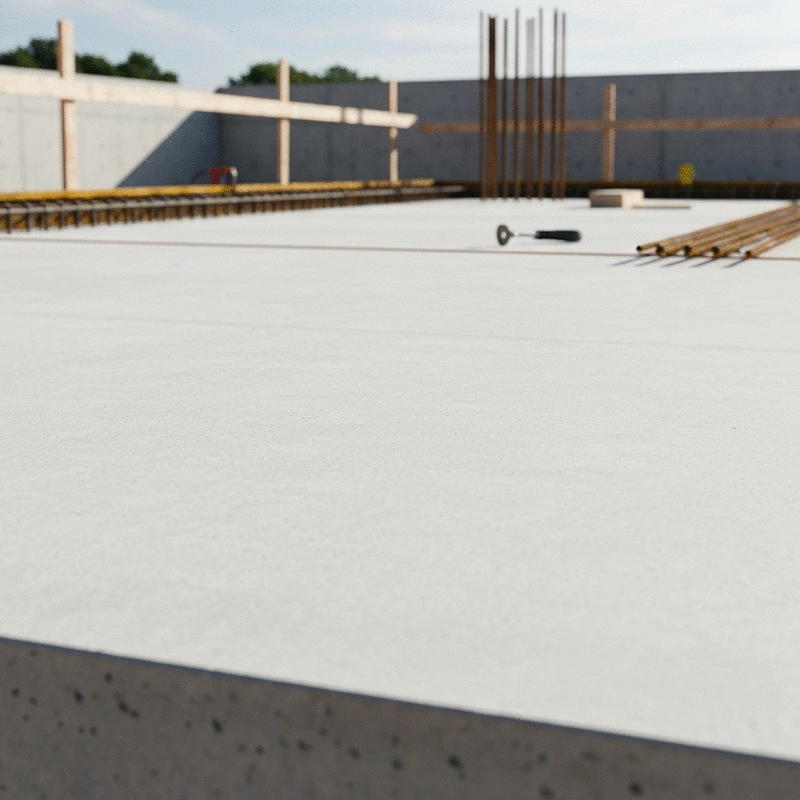
What if you could streamline your construction projects and enhance their aesthetic appeal at the same time? Flat slab concrete systems offer a revolutionary approach to modern building design that can accomplish just that.
What You Will Learn
- Definition: Flat slabs are structural systems without beams, providing a clean ceiling appearance and efficient construction methods.
- Load Distribution: These systems distribute loads directly to columns, enhancing structural integrity, especially in high-load projects. Additionally, resources like the Wisconsin Department of Transportation's Bridge Manual offer detailed insights into concrete slab design and load considerations.
- Construction Efficiency: The absence of beams leads to quicker assembly and shorter construction periods, allowing for more projects and increased profitability.
- Cost Savings: Reduced material and labor requirements can significantly lower project costs.
- Design Flexibility: Flat slabs allow for varied ceiling heights and layouts, enabling creative architectural possibilities.
- Improved Performance: They provide better load management and overall structural performance, particularly beneficial in high-rise buildings.
Flat Slab vs. Traditional Slab Systems: A Comparative Overview
This visual highlights the key distinctions between flat slab and traditional slab concrete systems, focusing on structural elements, construction efficiency, and design flexibility.
Flat Slab Systems
-
•
No Beams: Creates a flat ceiling, enhancing aesthetics and design flexibility.
-
•
Direct Load Transfer: Loads move directly to columns, improving structural efficiency.
-
•
Faster Construction: Fewer components and simpler formwork lead to quicker build times.
Traditional Slab Systems
-
•
Relies on Beams: Beams support the slab, often resulting in complex ceiling designs.
-
•
Indirect Load Transfer: Loads are transferred from slab to beams, then to columns.
-
•
Longer Construction: More components and complex formwork extend build times.
Understanding Flat Slab Concrete Systems
When it comes to modern construction, flat slab concrete systems are becoming increasingly popular. But what exactly defines this system? In essence, flat slabs are a type of structural floor system that consists of a homogeneous slab without beams, which allows for a clean ceiling appearance and efficient construction methods. This innovative approach not only enhances the aesthetic appeal of buildings but also supports a more flexible design.
One of the key characteristics of flat slab systems is their ability to distribute loads directly to the columns, thanks to their thicker sections around the columns, often referred to as drop panels. This feature aids in maintaining structural integrity, especially in high-load projects where safety and durability are paramount. But how do flat slabs compare to traditional slab systems? Let's take a closer look!
What is Flat Slab Concrete?
Definition and Structural Characteristics
Flat slabs are characterized by their lack of beams, with the slab acting as the primary load-bearing element. This design leads to simpler construction processes and can result in less material use. Key structural characteristics include:
- No beams: This creates a flat ceiling surface that is visually appealing.
- Thicker sections: Areas around columns are thicker, helping to manage loads effectively.
- Direct load transfer: The slab transfers loads directly to columns, enhancing structural efficiency.
These characteristics not only make flat slabs efficient in terms of material usage but also contribute to faster construction timelines. In my experience at Concrete Slab Innovations, the use of aluminum formwork systems can significantly streamline this process further!
Differences Between Flat Slab and Traditional Slab Systems
So, how do flat slabs differ from traditional slab systems? Here are the main distinctions:
- Presence of Beams: Traditional slabs typically rely on beams, while flat slabs eliminate them for a simpler design.
- Construction Time: Flat slabs often lead to shorter construction periods due to fewer components.
- Design Flexibility: Flat slabs provide more design versatility, allowing for varied ceiling heights and layouts.
With these differences in mind, it’s clear that adopting flat slab systems can lead to enhanced project outcomes. I’ve seen firsthand how these systems adapt to various architectural styles without compromising on strength or safety.
The Benefits of Using Flat Slab Concrete
Choosing flat slab systems comes with a multitude of benefits that can elevate the overall success of a construction project. Here’s why integrating this approach is a smart move:
- Enhanced Construction Efficiency: Thanks to the absence of beams, construction is quicker and more straightforward.
- Cost Savings: Reduced material requirements and labor costs can greatly affect your budget positively.
- Design Flexibility: The flat surface allows for creative design options, making it easier to meet aesthetic goals.
- Improved Load Distribution: These systems provide better performance under load, which is essential for structural integrity.
On top of these advantages, the operational efficiency gained from using flat slabs can significantly enhance your productivity on-site. Imagine the impact of reduced labor hours and material waste on your overall project timeline!
Enhanced Construction Efficiency and Reduced Build Times
One of the standout benefits of flat slab systems is how they streamline the construction process. Traditional methods often involve complex formwork and lengthy assembly times. In contrast, flat slabs can be assembled quickly, allowing us to meet tight project deadlines without sacrificing quality. This efficiency means you can take on more projects and increase your profitability—who wouldn't want that?
Cost Savings in Materials and Labor
Another layer of value comes from the cost savings associated with flat slabs. By eliminating beams, we reduce material use, and that translates into lower expenses. Additionally, fewer components mean less labor is required for assembly. This combination can lead to significant financial benefits over the course of a project. For further insights on optimizing concrete slab design for cost and efficiency, the NSCS Edition 4 guide provides valuable best practices.
Design Flexibility and Aesthetic Options
Flat slabs also open the door to a range of design possibilities. With a uniform surface, architects can explore unique ceiling designs, integrate lighting features more effectively, and even accommodate larger open spaces. This flexibility can be a game-changer, especially in commercial projects where visual appeal matters greatly!
Improved Load Distribution and Structural Integrity
Finally, flat slabs excel in terms of load distribution and structural integrity. The even distribution of weight reduces the risk of weak points within the slab, enhancing safety and longevity. This can be especially beneficial in high-rise buildings where structural integrity is non-negotiable. At Concrete Slab Innovations, we consistently recommend these systems for their performance-driven advantages. Practical considerations for openings and penetrations in concrete floor slabs are also crucial for maintaining structural integrity, as detailed in publications like PCA's Concrete Floor Slab Openings guide.
Frequently Asked Questions About Flat Slab Concrete Systems
What is a flat slab concrete system?
A flat slab concrete system is a type of structural floor that consists of a homogeneous slab without beams, allowing for a clean ceiling appearance and efficient construction. It transfers loads directly to columns.
How do flat slabs differ from traditional slab systems?
The main difference is the absence of beams in flat slab systems, which are present in traditional slab systems. This leads to simpler designs, faster construction, and greater design flexibility for flat slabs.
What are the primary benefits of using flat slab concrete?
Key benefits include enhanced construction efficiency, significant cost savings in materials and labor, greater design flexibility, and improved load distribution leading to better structural integrity.
Are flat slab systems suitable for high-rise buildings?
Yes, flat slab systems are particularly beneficial for high-rise buildings due to their improved load management and overall structural performance, which are crucial for safety and longevity in taller structures.
What design considerations are important for flat slab implementation?
Successful implementation requires careful consideration of design principles such as drop panels, punching shear, and proper slab thickness to ensure structural stability and aesthetic appeal.
Interactive Poll: Your Thoughts on Flat Slab Systems
As we delve deeper into the benefits and applications of flat slab concrete systems, we want to hear from you! What aspect of flat slabs do you find most valuable in your projects?
Summarizing the Key Takeaways on Flat Slab Concrete
As we wrap up our discussion on flat slab concrete systems, it’s essential to reflect on the main advantages and design considerations we’ve explored. Flat slabs provide a unique construction method that merges efficiency and structural integrity, making them a favored choice in many contemporary projects.
In summary, the key benefits include:
- Enhanced efficiency in construction timelines and reduced labor costs.
- Increased design flexibility that allows for creative architectural solutions.
- Improved load distribution which strengthens overall structural performance.
- Cost savings through effective material use and labor management.
Moreover, understanding the design principles is crucial for successful implementation, particularly regarding drop panels, punching shear, and proper slab thickness. With these insights, engineers and contractors can achieve not just functional but also aesthetically pleasing projects!
Final Thoughts on Implementation and Future Trends
Looking ahead, the implementation of flat slab concrete systems is likely to evolve. As construction technologies advance, we can expect to see further integration of Building Information Modeling (BIM) and enhanced software tools aiding in design accuracy and efficiency.
Moreover, the industry is gearing up for a stronger focus on sustainability. As we consider future trends, professionals should stay informed about eco-friendly practices that align with modern construction demands.
- Utilization of alternative materials that reduce environmental impact.
- Incorporating innovative design practices that enhance sustainability.
- Adapting to evolving building codes and regulations that prioritize safety and resource efficiency.
Engaging Further: Next Steps for Professionals
Resources for Advanced Learning and Software Tools
For those interested in diving deeper into flat slab systems, we at Concrete Slab Innovations have curated a selection of resources and software tools designed to support your learning journey. Our comprehensive guides, case studies, and system comparisons are aimed at helping professionals implement modern practices effectively.
Consider exploring:
- Online courses focusing on advanced concrete techniques.
- Software tools specifically for structural analysis and design.
- Case studies showcasing successful flat slab implementations.
These resources can provide valuable insights that enhance your project outcomes and professional development!
Invitation for Comments and Shared Experiences on Flat Slab Projects
As we conclude this section, I encourage you to share your own experiences with flat slab projects. What challenges have you faced? What successes have you celebrated? At Concrete Slab Innovations, we value community knowledge and would love to hear your thoughts and stories!
Your insights can help others in the industry navigate their own projects more effectively. Let’s connect and learn together—drop your comments below!
Recap of Key Points
Here is a quick recap of the important points discussed in the article:
- Flat slab concrete systems offer a clean, beam-free design that enhances aesthetic appeal and construction efficiency.
- This system allows for direct load transfer to columns, improving structural performance and integrity.
- Key benefits include reduced construction time, cost savings in materials and labor, and increased design flexibility.
- Understanding design principles, such as drop panels and punching shear, is essential for successful implementation.
- The future of flat slab systems is likely to focus on sustainability and the integration of advanced technologies like BIM.

Aidan Cromwell
Aidan Cromwell is a seasoned construction professional and industry expert with a passion for innovative building solutions. With extensive experience in concrete slab construction and a deep understanding of modular formwork systems, Aidan strives to educate and empower contractors, engineers, and project managers. His insights are grounded in practical knowledge and a commitment to advancing construction efficiency and safety.
Popular Posts
Aluminum Formwork and Carbon Reduction
![Aluminum Formwork and Carbon Reduction]() What if the way we build could significantly impact our planet's future? Embracing aluminum formwork
What if the way we build could significantly impact our planet's future? Embracing aluminum formwork
 What if the way we build could significantly impact our planet's future? Embracing aluminum formwork
Aluminum Formwork: Storage and Transport
![Aluminum Formwork: Storage and Transport]() What if the longevity of your aluminum formwork could be dramatically increased just by changing how
What if the longevity of your aluminum formwork could be dramatically increased just by changing how
 What if the longevity of your aluminum formwork could be dramatically increased just by changing how
Train Your Crew for Efficient Assembly
![Train Your Crew for Efficient Assembly]() Investing in training can transform your construction project outcomes. With proper techniques and k
Investing in training can transform your construction project outcomes. With proper techniques and k
 Investing in training can transform your construction project outcomes. With proper techniques and k
Aluminum Formwork Load Engineering Guidelines
![Aluminum Formwork Load Engineering Guidelines]() Consider this: a single miscalculation in load engineering can lead to structural failures and finan
Consider this: a single miscalculation in load engineering can lead to structural failures and finan
 Consider this: a single miscalculation in load engineering can lead to structural failures and finan
