Supporting a Concrete Slab Effectively
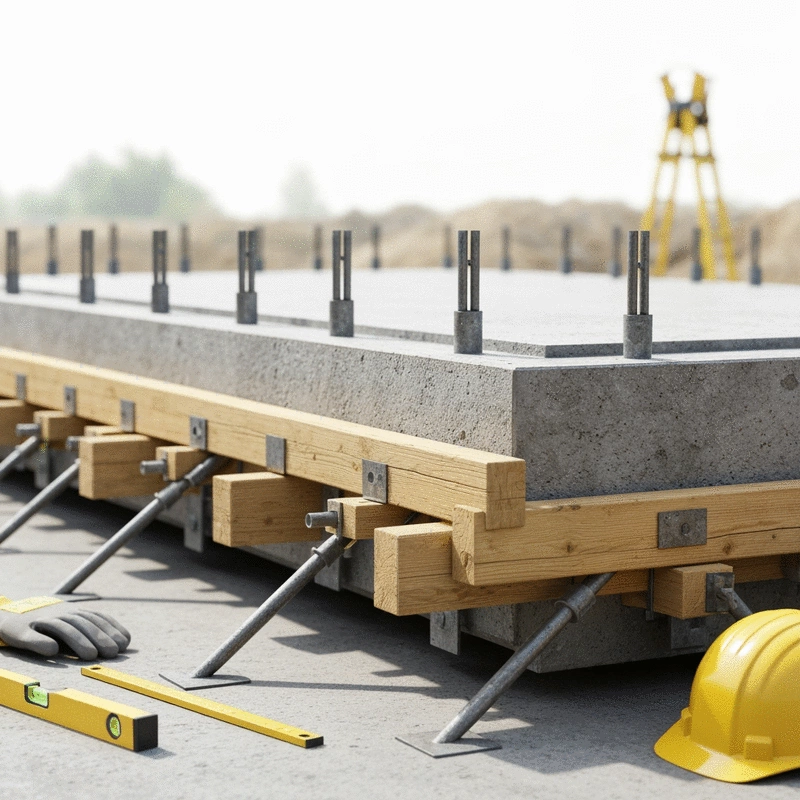
Proper support for concrete slabs is the backbone of any construction project. Without it, you risk costly repairs and instability. What are the key elements to consider that could save you from future headaches? Let's explore the essentials of concrete slab support.
What You Will Learn
- Effective load distribution is crucial to prevent stress on concrete slabs.
- Proper support systems significantly reduce the risk of cracking and extend slab lifespan.
- Thorough ground preparation and compaction are key to ensuring a solid foundation.
- Selecting appropriate reinforcement materials like rebar or wire mesh is vital for project success.
- Monitoring weather conditions during the curing process improves slab performance.
- Understanding local soil conditions and drainage needs can prevent future complications.
- Engaging professionals for complex designs can save time and mitigate safety risks.
Key Factors for Robust Concrete Slab Support
Ensuring the longevity and stability of concrete slabs requires attention to several critical areas. The visual below highlights the primary considerations for both successful installation and long-term durability.
Why Proper Support Matters
- Even Load Distribution
- Crack & Damage Prevention
- Enhanced Structural Longevity
Common Support Challenges
- Inadequate Soil Conditions
- Improper Ground Compaction
- Variability in Frost Lines
Best Practices for Installation
- Thorough Ground Preparation
- Correct Reinforcement Choice
- Proper Curing Techniques
Local & Professional Factors
- Assess Local Soil & Climate
- Adhere to Building Codes
- When to Consult a Professional
Understanding the Importance of Concrete Slab Support
When it comes to building strong structures, the importance of concrete slab support cannot be overstated. Proper support ensures that your slabs can withstand various loads and environmental conditions, ultimately prolonging the life of your construction. In my experience at Concrete Slab Innovations, I’ve seen firsthand how inadequate support can lead to significant issues, not just during the construction phase but also long after a project is completed.
Concrete slabs are foundational elements in many buildings, from residential homes to commercial facilities. Therefore, understanding the nuances of slab support is crucial for anyone involved in construction. Proper support systems enhance stability, manage weight distribution, and prevent cracking or settling over time.
Why Proper Support Matters for Concrete Slabs
Proper support for concrete slabs plays a vital role in maintaining structural integrity. Without it, you may face a series of challenges that could compromise the entire project. Here are some key reasons why investing in quality support is essential:
- Load Distribution: Effective support helps evenly distribute the weight of the structure.
- Crack Prevention: Properly supported slabs are less prone to cracking and other forms of damage.
- Longevity: Investing in robust support systems can extend the lifespan of your concrete slabs.
As contractors and engineers, we must recognize that these factors contribute significantly to the safety of our projects. Have you ever encountered a situation where poor support led to costly repairs? It's a common issue that can be avoided with proper planning!
Common Challenges in Supporting Concrete Slabs
Even the most seasoned professionals can face challenges when it comes to supporting concrete slabs. Some of the most common issues include:
- Inadequate Soil Conditions: Poor soil quality can lead to uneven settling and instability.
- Improper Compaction: Failing to compact the ground properly before slab installation can result in significant problems.
- Variability in Frost Lines: In colder regions, understanding frost lines is crucial for designing support systems.
These challenges highlight the need for a comprehensive approach to slab support. As someone deeply involved in the construction field, I urge you to assess your project’s specific conditions. By doing so, you can mitigate risks effectively and ensure a solid foundation for your work.
Pro Tip
Did you know? Regular maintenance checks can prevent minor issues from escalating into costly repairs. Schedule inspections every six months to catch potential problems early and ensure your concrete slabs remain in optimal condition!
Key Takeaways on Supporting Concrete Slabs
When it comes to ensuring the longevity and stability of your concrete slabs, understanding the right practices is crucial. As a seasoned construction professional, I’ve seen firsthand how proper installation techniques can save time and money down the line. Here are some key practices to keep in mind:
- Thorough Ground Preparation: Always start with adequate excavation and compaction to create a solid base.
- Choosing the Right Reinforcement: Determine whether rebar or wire mesh suits your project's needs best.
- Proper Curing Techniques: Allow your slab to cure properly to achieve maximum strength and durability.
- Regular Maintenance Checks: Schedule periodic inspections to catch any potential issues early.
These fundamentals not only improve the stability of your slabs but also enhance their lifespan, ensuring that you get the most out of your investment.
Summary of Best Practices for Installation and Support
Summarizing the best practices for installation and support, it's essential to focus on a few core principles. First, always choose high-quality materials that align with your specific project goals. Second, follow a structured approach to installation, allowing for adequate time between each step—for example, giving sufficient time for compaction before pouring the slab.
- Use Reliable Formwork: Ensure your formwork is sturdy and properly leveled to guide the concrete.
- Monitor Weather Conditions: Adjust your pouring schedule according to the weather to avoid complications.
- Plan for Drainage: Proper drainage can prevent future issues, so consider grading around the slab.
By adhering to these practices, you can significantly enhance the quality and durability of your concrete slabs.
Local Considerations: Tailoring Your Approach Based on Regional Factors
Every construction project comes with its unique set of challenges, often influenced by geographical and environmental factors. Understanding these local considerations is key to successful slab support. For example, if your project is in an area prone to heavy rainfall or snow, you’ll need to account for drainage and frost lines during your preparation.
- Soil Conditions: Assess the type of soil where you'll be pouring, as some soils will require additional stabilizing techniques.
- Climate Variability: Consider how seasonal changes may affect your curing process and overall slab performance.
- Local Building Codes: Always check for any regulations that could impact your methods or materials.
By tailoring your approach to these local factors, you can avoid common pitfalls and enhance the effectiveness of your concrete slab support. For more detailed insights into specific guidelines, you can refer to resources such as the City of Phoenix's Technical Review Team Guidelines for Concrete Slabs or the Los Angeles County Department of Public Works' policy on concrete slabs and foundations. Additionally, the Whole Building Design Guide offers comprehensive information on floor slabs for DoD facilities, which can be useful for understanding broader engineering considerations.
Frequently Asked Questions About Concrete Slab Support
- Q: Why is proper support crucial for concrete slabs?
- A: Proper support ensures even load distribution, prevents cracking and damage, and enhances the overall structural longevity of concrete slabs, ultimately extending their lifespan.
- Q: What are common challenges in supporting concrete slabs?
- A: Common challenges include inadequate soil conditions, improper ground compaction, and variability in frost lines, all of which can lead to instability and damage.
- Q: What are the best practices for installing concrete slab support?
- A: Best practices include thorough ground preparation (excavation and compaction), choosing appropriate reinforcement (rebar or wire mesh), proper curing techniques, and regular maintenance checks.
- Q: When should I consult a professional for concrete slab support?
- A: It is advisable to consult a professional for complex designs, large-scale installations, projects with significant safety concerns, or when facing challenging soil conditions, as their expertise can prevent costly mistakes and ensure adherence to industry standards.
- Q: How can local factors impact concrete slab support?
- A: Local factors such as soil type, climate variability (e.g., heavy rainfall, frost lines), and specific building codes can significantly influence the required support methods and materials. Tailoring your approach to these factors is essential for effective and durable concrete slab support.
Engaging with Professionals vs. DIY Solutions
When to Consult a Professional for Concrete Slab Support
Deciding whether to engage a professional or tackle a project on your own can be daunting. My experience has shown that while DIY solutions can be cost-effective, certain projects require the expertise that only a professional can provide. If you’re facing complex designs or poor soil conditions, it's wise to consult with an expert.
- Complexity of the Project: For intricate designs or large-scale installations, professionals can offer invaluable insights.
- Safety Concerns: If there are significant safety risks involved, such as potential collapse, hiring a pro is the best choice.
- Time Constraints: Professionals can often execute projects faster due to their experience and resources.
Engaging with professionals can save you from costly mistakes and ensure that your project meets industry standards.
Cost-Effective DIY Strategies for Homeowners
For homeowners eager to save on costs while managing smaller projects, there are plenty of DIY strategies to explore! Often, these strategies can empower you to take charge of your construction needs without compromising quality. Here are some practical tips:
- Research Thoroughly: Invest time in understanding concrete pouring techniques and tools.
- Rent Quality Equipment: Renting equipment can be more economical than purchasing new tools for a one-time job.
- Engage in Community Workshops: Many local communities offer workshops on DIY construction methods.
With the right preparation and resources, homeowners can successfully handle many aspects of concrete slab support projects!
Understanding Construction Permits for Your Project
Before initiating any construction project, being aware of the necessary permits is vital. Depending on your location, local laws may require various permits for slab installation. As someone who has navigated this process, I recommend checking with local authorities early on.
- Check Local Regulations: Every city or county may have different requirements regarding construction permits.
- Submit Required Documentation: Ensure you have all necessary documents ready for submission to expedite the approval process.
- Plan for Inspections: Be prepared for inspections during different stages of your project to ensure compliance.
Being informed about permits can save you time and prevent legal complications later on!
Next Steps for Your Concrete Slab Project
Resources and Tools for Successful Concrete Installation
As you embark on your concrete slab project, having the right resources and tools is crucial. At Concrete Slab Innovations, we offer a wealth of information and guides that can help you navigate the installation process. Here are a few resources to consider:
- Comprehensive Guides: Our detailed guides on concrete installation provide step-by-step instructions tailored to different scenarios.
- Case Studies: Explore past projects to learn what worked well and what didn't in real-world applications.
- Expert Consultations: Don't hesitate to reach out for personalized advice tailored to your unique project needs!
Utilizing these resources can dramatically improve your project outcomes and enhance your knowledge of concrete slab support.
Inviting Feedback: Share Your Experiences and Questions
As we wrap up this section, I encourage you to share your experiences or any questions you may have! Engaging with others not only enhances your understanding but also helps foster a community of learners and professionals. Whether you’re a seasoned contractor or a first-time DIY enthusiast, your insights could benefit someone else just starting out.
- Share Your Stories: What challenges have you faced in your concrete projects?
- Ask Questions: Have any pressing questions about concrete slab support that you’d like answered?
- Join the Conversation: Connect with fellow professionals and enthusiasts to expand your network.
Let’s build a community where we can all learn and grow together in the field of concrete construction!
Recap of Key Points
Here is a quick recap of the important points discussed in the article:
- Load Distribution: Effective support helps evenly distribute the weight of the structure.
- Crack Prevention: Properly supported slabs are less prone to cracking and other forms of damage.
- Longevity: Investing in robust support systems can extend the lifespan of your concrete slabs.
- Thorough Ground Preparation: Always start with adequate excavation and compaction to create a solid base.
- Choosing the Right Reinforcement: Determine whether rebar or wire mesh suits your project's needs best.
- Proper Curing Techniques: Allow your slab to cure properly to achieve maximum strength and durability.
- Regular Maintenance Checks: Schedule periodic inspections to catch any potential issues early.
- Consider Local Factors: Assess soil conditions and climate variability when planning your slab support.

Aidan Cromwell
Aidan Cromwell is a seasoned construction professional and industry expert with a passion for innovative building solutions. With extensive experience in concrete slab construction and a deep understanding of modular formwork systems, Aidan strives to educate and empower contractors, engineers, and project managers. His insights are grounded in practical knowledge and a commitment to advancing construction efficiency and safety.
Popular Posts
Aluminum Formwork and Carbon Reduction
![Aluminum Formwork and Carbon Reduction]() What if the way we build could significantly impact our planet's future? Embracing aluminum formwork
What if the way we build could significantly impact our planet's future? Embracing aluminum formwork
 What if the way we build could significantly impact our planet's future? Embracing aluminum formwork
Aluminum Formwork: Storage and Transport
![Aluminum Formwork: Storage and Transport]() What if the longevity of your aluminum formwork could be dramatically increased just by changing how
What if the longevity of your aluminum formwork could be dramatically increased just by changing how
 What if the longevity of your aluminum formwork could be dramatically increased just by changing how
Train Your Crew for Efficient Assembly
![Train Your Crew for Efficient Assembly]() Investing in training can transform your construction project outcomes. With proper techniques and k
Investing in training can transform your construction project outcomes. With proper techniques and k
 Investing in training can transform your construction project outcomes. With proper techniques and k
Aluminum Formwork Load Engineering Guidelines
![Aluminum Formwork Load Engineering Guidelines]() Consider this: a single miscalculation in load engineering can lead to structural failures and finan
Consider this: a single miscalculation in load engineering can lead to structural failures and finan
 Consider this: a single miscalculation in load engineering can lead to structural failures and finan
