Aluminum Formwork and Structural Integration

Aluminum Formwork and Structural Integration

Have you ever considered how a lightweight material could transform your construction projects? Aluminum formwork offers remarkable advantages that can streamline your process and enhance structural integrity, all while contributing to sustainability. Dive in to discover the potential of this innovative system.

What You Will Learn

  • Aluminum formwork is a lightweight and durable system that simplifies the construction of concrete slabs, reducing installation time and labor costs.
  • Effective collaboration between structural engineers and formwork designers is crucial for optimizing load capacities and ensuring structural integrity.
  • Aluminum's high strength-to-weight ratio and corrosion resistance make it an ideal choice for construction, enhancing both performance and sustainability.
  • Integrating aluminum formwork can lead to faster project timelines, significant cost savings, and a reduced environmental impact due to its recyclability.
  • Future trends in formwork design point towards the incorporation of smart technologies and modular systems, emphasizing efficiency and sustainability.

Advantages of Aluminum Formwork Integration

This visual highlights the key benefits and applications of integrating aluminum formwork into construction projects, focusing on efficiency, cost savings, and project suitability.

Speed & Efficiency

  • Accelerated timelines
  • Faster assembly/disassembly
  • Streamlined processes
Project Timelines

Cost Savings & Value

  • Reduced labor costs
  • Lower material expenses
  • Long-term financial benefits
Budget Management

Environmental Benefits

  • Recyclable material
  • Supports sustainable practices
  • Reduced waste generation
Green Construction

Ideal Project Suitability

  • Medium to large projects
  • Complex geometries
  • High quality & safety standards
Project Scope

Understanding Aluminum Formwork and Structural Integration

In today's construction landscape, aluminum formwork has emerged as a game-changer, revolutionizing the way we approach concrete slab projects. At Concrete Slab Innovations, we believe that understanding the fundamentals of aluminum formwork is key to leveraging its advantages in structural integration. So, what exactly is aluminum formwork, and how does it fit into your engineering plans?

What is Aluminum Formwork?

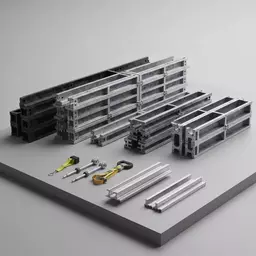
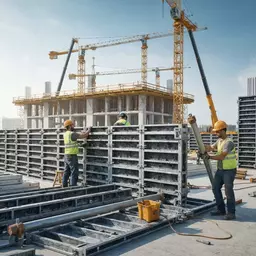
Aluminum formwork refers to a system made from lightweight, durable aluminum that provides support and shape for poured concrete. Unlike traditional formwork systems, aluminum is easier to handle and assemble, allowing for quicker installation times. This can lead to significant savings in labor costs and project timelines—two things every contractor appreciates! For further insights into formwork and its applications in concrete construction, you can refer to resources like the Whole Building Design Guide.

  • Lightweight Design: Easier to transport and set up on-site
  • Enhanced Durability: Resists corrosion and wear, prolonging its lifespan
  • Modular System: Configurable to accommodate various project designs

By employing aluminum formwork, you can streamline the construction process while ensuring structural integrity. Isn't it time to consider how this innovative system could benefit your next project?

The Importance of Structural Engineering in Formwork Design

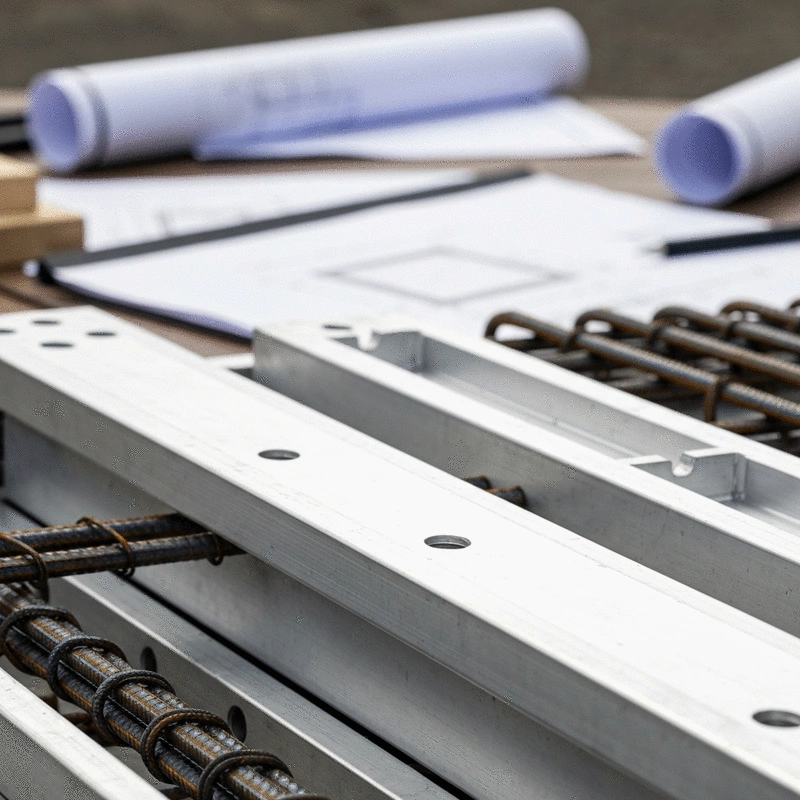
Structural engineering plays a critical role in the design of aluminum formwork. Ensuring that the formwork can withstand various loads during the pouring and curing phases is essential. This involves calculating load capacities, evaluating material properties, and integrating safety factors into the design. For detailed studies on formwork pressure and design considerations, the American Concrete Institute (ACI) offers valuable publications, such as those discussing formwork pressure on walls and columns.

At Concrete Slab Innovations, we emphasize the importance of collaboration between structural engineers and formwork designers. This partnership ensures that the chosen formwork aligns with the overall structural integrity required for your project. Effective communication among teams can help identify potential issues early, saving time and resources later.

Key Properties of Aluminum as a Building Material

Aluminum is a fascinating material with several properties that make it ideal for construction, especially in formwork systems. Let's take a closer look at what makes aluminum stand out:

  • High Strength-to-Weight Ratio: Offers excellent load-bearing capacity without the bulk
  • Corrosion Resistance: Ensures longevity and durability in various environmental conditions
  • Thermal Conductivity: Allows for effective curing of concrete

These properties not only enhance the performance of aluminum formwork but also contribute to its appeal in sustainable building practices. As we strive for efficiency and safety in construction, aluminum proves to be a reliable choice! Further research into the performance of different formwork materials, including aluminum, can be found through the American Concrete Institute (ACI), which highlights various aspects of formwork technology.

We Want to Hear From You!

What do you think about the use of aluminum formwork in modern construction? Share your thoughts below:

Frequently Asked Questions About Aluminum Formwork

What is aluminum formwork?
Aluminum formwork is a lightweight, durable system used to support and shape poured concrete, particularly in concrete slab projects. It is known for its ease of handling and quick assembly.
How does aluminum formwork contribute to cost savings?
It reduces labor costs due to faster installation and disassembly times, and its durability and reusability lead to lower material expenses over the long term.
Why is structural engineering important in formwork design?
Structural engineering ensures the formwork can safely withstand loads during concrete pouring and curing. It involves calculating load capacities, evaluating material properties, and integrating safety factors to prevent structural failure.
What are the key properties of aluminum that make it suitable for formwork?
Aluminum possesses a high strength-to-weight ratio, excellent corrosion resistance, and good thermal conductivity, all of which enhance its performance and durability in construction.
Is aluminum formwork environmentally friendly?
Yes, aluminum is a recyclable material, making aluminum formwork a sustainable choice that supports green building practices and reduces waste generation.

Summarizing the Advantages of Integrating Aluminum Formwork

Integrating aluminum formwork into construction projects brings a wealth of benefits that cater to both efficiency and structural integrity. By focusing on the synergy between structural engineering and formwork design, we can identify how aluminum formwork not only enhances project outcomes but also contributes to long-term sustainability. Are you ready to discover the advantages that can transform your construction process?

Here's what I find most compelling about aluminum formwork:

  • Speed: Projects utilizing aluminum formwork can see accelerated timelines due to faster assembly and disassembly.
  • Cost Savings: Reduced labor and material costs translate into significant savings over the project's lifespan.
  • Environmentally Friendly: Aluminum is recyclable, which supports sustainable building practices.

These advantages all contribute to a more efficient construction process, allowing engineers and contractors to meet tight deadlines while maintaining quality and safety standards.

Key Takeaways on Structural Engineering and Formwork Synergy

The relationship between structural engineering and formwork design is critical for successful project execution. Effective integration can lead to improved performance metrics and reduced risks on the job site. As a construction professional, I’ve witnessed firsthand how addressing these synergies can significantly impact project outcomes.

Here are some key takeaways:

  • The need for collaboration between structural engineers and formwork designers to ensure alignment and efficiency.
  • Utilizing advanced engineering practices to optimize load distribution and minimize deflection.
  • Ensuring that formwork systems comply with industry standards, enhancing safety and reliability.

By focusing on these aspects, we can create a framework that supports robust construction practices while leveraging the strengths of aluminum formwork.

Future Trends in Formwork Design and Sustainability

As we look to the future, the trends shaping formwork design are increasingly aligned with sustainability and efficiency. Innovations in materials, such as the ongoing improvements in aluminum alloys, promise to enhance the durability and load capacity of formwork systems.

Some emerging trends include:

  • Incorporation of smart technologies for real-time monitoring of formwork integrity.
  • Greater emphasis on modular designs that allow for quicker assembly and disassembly.
  • Increased focus on life cycle assessments to evaluate the environmental impact of materials used.

These trends signal a shift towards a more sustainable future in construction, where innovation and environmental responsibility go hand in hand.

Impact of Construction Innovation on Formwork Solutions

The impact of innovation on formwork solutions cannot be overstated. Advancements in technology and methods have revolutionized how we approach construction, particularly with aluminum formwork systems. As I often discuss with my colleagues at Concrete Slab Innovations, these innovations allow us to tackle traditional challenges head-on.

Consider the following impacts of innovation on formwork solutions:

  • Enhanced efficiency through automated design processes and prefabrication techniques.
  • Improved safety features embedded within formwork systems that reduce on-site risks.
  • Greater adaptability to various project requirements, including unique architectural designs.

Innovation in construction isn’t just about keeping up with trends; it’s about setting new standards for what’s possible in aluminum formwork design.

Actionable Insights and Recommendations

As we move forward, it's essential for engineers and project managers to utilize the insights gained from integrating aluminum formwork into their workflows. This section will provide you with actionable recommendations to enhance your project outcomes.

Decision Matrix: When to Choose Aluminum Formwork?

Deciding when to implement aluminum formwork can significantly influence a project's success. I’ve created a decision matrix to help clarify when it's the best fit:

  • Project Size: Ideal for medium to large projects requiring rapid construction timelines.
  • Design Complexity: Suitable for projects with complex geometries that benefit from modularity.
  • Budget Constraints: A smart choice for projects aiming to maximize cost efficiency without sacrificing quality.

By evaluating these factors, you can make informed decisions that align with your project goals.

Next Steps for Engineers and Project Managers

For those looking to implement aluminum formwork in upcoming projects, here are some next steps that have proven effective:

  • Conduct thorough research on the latest aluminum formwork systems available in the market.
  • Engage in collaborative discussions with structural engineers to address design considerations early in the planning phase.
  • Develop a project plan that includes timelines, budget estimates, and resource allocations specific to aluminum formwork.

Taking these proactive steps will help ensure a smooth transition to utilizing aluminum formwork in your projects.

Cost Estimation Strategies for Aluminum Formwork Projects

Accurate cost estimation is crucial for the success of any construction project. Here are some strategies I recommend for estimating costs effectively when using aluminum formwork:

  • Break down costs into categories including materials, labor, transportation, and equipment.
  • Consider lifecycle costs rather than just initial costs to gauge long-term financial impacts.
  • Utilize software tools to simulate cost scenarios based on different design options and materials.

By following these strategies, you'll be better equipped to manage budgets and justify expenditures related to aluminum formwork projects.

Recap of Key Points

Here is a quick recap of the important points discussed in the article:

  • Lightweight Design: Aluminum formwork is easier to transport and set up, leading to quicker installation times.
  • Cost Efficiency: Utilizing aluminum formwork can reduce labor and material costs, resulting in significant savings.
  • Enhanced Durability: Aluminum's corrosion resistance ensures a longer lifespan for formwork systems.
  • Collaboration is Key: Effective communication between structural engineers and formwork designers is crucial for project success.
  • Future Trends: Innovations in materials and smart technologies are shaping the future of formwork design towards sustainability.
About !author

Aidan Cromwell

Aidan Cromwell is a seasoned construction professional and industry expert with a passion for innovative building solutions. With extensive experience in concrete slab construction and a deep understanding of modular formwork systems, Aidan strives to educate and empower contractors, engineers, and project managers. His insights are grounded in practical knowledge and a commitment to advancing construction efficiency and safety.

Popular Posts

Aluminum Formwork Load Engineering Guidelines Aluminum Formwork Load Engineering Guidelines Consider this: a single miscalculation in load engineering can lead to structural failures and finan
Understanding Aluminum Concrete Support Standards Understanding Aluminum Concrete Support Standards Statistics reveal that non-compliance in construction can lead to significant project delays and saf
Urban Development with Aluminum Support Urban Development with Aluminum Support Did you know that aluminum slab support systems can reduce construction time by up to 20%? As urban
Effective Strategies for Aluminum Formwork Effective Strategies for Aluminum Formwork What if you could reduce your construction costs while contributing to sustainability? The answer li