As the construction industry rapidly evolves, the integration of digital tools and Building Information Modeling (BIM) is reshaping how we approach aluminum formwork layouts. Could embracing these innovative technologies be the key to unlocking greater efficiency and accuracy on your projects?
What You Will Learn
Digital tools enhance collaboration, allowing project stakeholders to communicate effectively and reduce misunderstandings.
BIM provides a 3D visualization of projects, helping identify potential issues and improve design accuracy before construction begins.
Automated clash detection within BIM frameworks minimizes costly errors and rework, saving time and resources on-site.
The use of data-driven insights and real-time updates empowers teams to make informed decisions and adjustments throughout the project lifecycle.
The Digital Advantage in Aluminum Formwork
This visual highlights the core benefits and strategic next steps in leveraging digital tools and BIM for enhanced aluminum formwork projects.
✓ Consider Needs: Project size, scope, team capabilities.
Ensures smoother implementation & success.
Continuous Learning & Future Trends
✓ Training Sessions: On new software.
✓ Professional Networks: Share knowledge.
✓ AI & Machine Learning: Predictive analytics, automation.
✓ Online Resources: Tutorials, webinars.
Stay competitive & drive efficiency.
Understanding the Role of Digital Tools and BIM in Aluminum Formwork Layout
In today's construction landscape, the integration of digital tools and Building Information Modeling (BIM) is transforming how we approach projects. These technologies not only streamline processes but also enhance the overall quality of construction. Digital tools offer a range of functionalities that improve efficiency, while BIM provides a visual representation of the project that aids in planning and collaboration. Are you ready to explore how these innovations can elevate your aluminum formwork layout?
What Are Digital Tools and BIM?
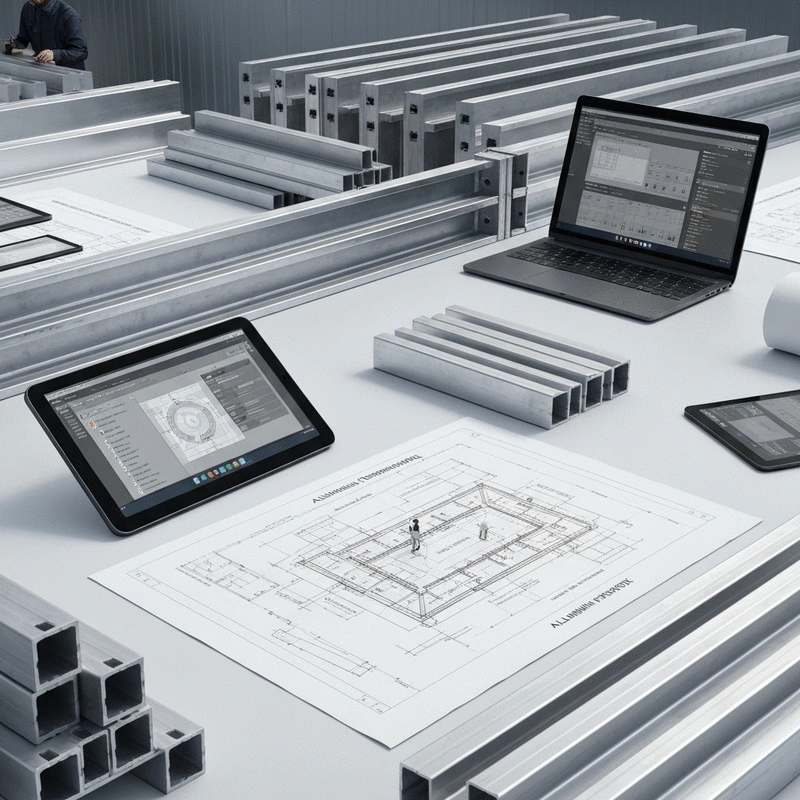
Digital tools encompass a variety of software and applications used throughout the construction process, from design to execution. BIM, on the other hand, is a methodology that enables the digital representation of physical and functional characteristics of a project. This comprehensive approach allows stakeholders to visualize the project in a 3D environment, making it easier to communicate and collaborate. For instance, the use of a BIM-based aluminum formwork layout planning system has been shown to improve the planning of formwork accessories.
Digitization: The shift from traditional methods to digital formats
Collaboration: Enhanced communication among team members and stakeholders
Visualization: 3D modeling that allows for better understanding of project scope
Implementing these tools in your workflows can significantly reduce misunderstandings and errors, leading to smoother operations on-site. At Concrete Slab Innovations, we've witnessed firsthand how these technologies can streamline aluminum formwork processes, leading to better project outcomes.
How Digital Tools Improve Precision in Aluminum Formwork Layout
Precision is vital in aluminum formwork layout, and digital tools play a crucial role in achieving this. By utilizing advanced software, engineers and contractors can create detailed designs that reflect exact specifications. This level of detail minimizes the potential for errors during the construction phase, where inaccuracies can lead to costly delays and rework. The application of BIM technology in the layout design of aluminum formwork further exemplifies how digital tools enhance precision.
Enhanced Accuracy: Digital layouts ensure every dimension is accounted for
Real-time Adjustments: Modifications can be made quickly as needed
Data-Driven Decisions: Use of analytics to inform design choices
With these capabilities, teams can better adhere to timelines and budgets—two critical aspects of any construction project. Imagine being able to visualize potential issues before they arise and adjusting designs accordingly, all thanks to the power of digital tools!
Key Benefits of Using BIM for Aluminum Formwork
Implementing BIM in aluminum formwork design offers several key benefits that can enhance project efficiency and quality. The capabilities of 3D modeling, clash detection, and improved collaboration not only streamline workflows but also reduce the likelihood of errors and rework.
Enhancing Accuracy with 3D Modeling
The introduction of 3D modeling through BIM has dramatically improved accuracy in aluminum formwork projects. By creating a digital twin of the structure, stakeholders can visualize how the formwork will interact with other elements, making adjustments before physical construction begins. This proactive approach results in significant error reduction.
Visual Representation: Clear understanding of how components fit together
Proactive Problem-Solving: Identify issues before they impact the project
Streamlined Design Process: Faster adjustments and revisions
As an industry expert, I can vouch for the immense value that 3D modeling brings, particularly when working with complex aluminum formwork systems. It's not just about building; it's about building smart!
Clash Detection and Error Prevention
One of the standout features of BIM is its ability to perform clash detection. This process automatically checks for conflicts between different systems and components within the project. By identifying potential clashes early, teams can mitigate errors that could lead to substantial delays and costs on-site. The planning of formwork accessories in a BIM-based aluminum formwork layout planning system is an example of how this can be effectively managed.
Automated Checks: Ensures that all elements are compatible before construction
Cost Efficiency: Prevents costly rework due to clashes
Time Savings: Expedites the construction timeline by addressing issues in advance
With effective clash detection, we’ve seen projects run more smoothly and maintain their schedules, which is a huge win for everyone involved.
Improving Collaboration Among Project Stakeholders
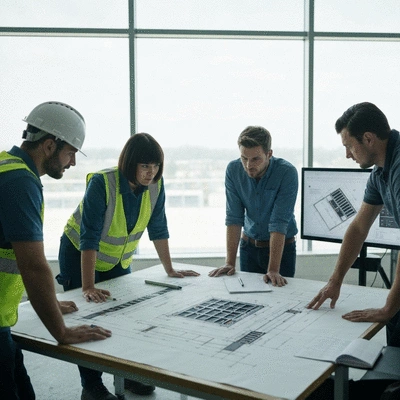
BIM fosters enhanced collaboration among project stakeholders, which is crucial for the success of any construction project. With a shared digital platform, architects, engineers, and contractors can work together more effectively, ensuring that everyone is on the same page.
Centralized Information: All project data is accessible to everyone involved
Real-time Updates: Changes are communicated immediately to relevant parties
Improved Communication: Reduces misunderstandings and errors
This collaborative approach not only enhances relationships among team members but also leads to better decision-making and project outcomes. At Concrete Slab Innovations, we believe that collaboration is key to driving efficiency and quality in every project!
Pro Tip
To maximize the benefits of digital tools and BIM in your aluminum formwork layout, consider investing in training for your team. Familiarity with software like Autodesk or Tekla not only boosts productivity but also enhances collaboration and precision on-site. A well-trained team can quickly adapt to changes and make data-driven decisions that significantly improve project outcomes.
Frequently Asked Questions about Digital Tools and BIM in Aluminum Formwork
Q1: What are digital tools in the context of aluminum formwork?
A1: Digital tools refer to various software and applications used in construction, from design to execution, to enhance efficiency, accuracy, and collaboration in aluminum formwork layouts.
Q2: How does BIM improve aluminum formwork layouts?
A2: BIM (Building Information Modeling) provides a 3D visual representation of a project, enabling better planning, clash detection, error reduction, and improved collaboration among stakeholders, leading to more accurate and efficient aluminum formwork designs.
Q3: What is clash detection, and why is it important?
A3: Clash detection is a BIM feature that automatically identifies conflicts between different components or systems within a project. It's crucial because it helps prevent costly errors, rework, and delays by resolving potential issues before physical construction begins.
Q4: What are the main benefits of using 3D modeling for aluminum formwork?
A4: 3D modeling enhances accuracy by providing a clear visual representation of how components fit together, allowing for proactive problem-solving, streamlined design processes, and faster adjustments, ultimately reducing errors.
Q5: How can construction teams ensure continuous learning and adaptation to new digital tools?
A5: Continuous learning can be fostered by participating in training sessions for new software, joining professional networks to share knowledge, accessing online resources and tutorials, and staying updated with industry trends like AI and machine learning.
Summarizing the Impact of Digital Tools on Aluminum Formwork
In today’s fast-paced construction environment, the integration of digital tools and BIM has transformed how we approach aluminum formwork layouts. By enhancing precision and collaboration, these technologies have not only streamlined workflows but also significantly improved overall project outcomes.
Utilizing BIM and digital solutions has led to a plethora of benefits, including reduced waste, minimized errors, and increased efficiency. As I’ve seen firsthand at Concrete Slab Innovations, the transition towards these innovative practices allows contractors and project managers to achieve consistent structural quality while adhering to tight timelines and budgets.
Enhanced accuracy through 3D modeling
Reduction of errors with automated clash detection
Improved collaboration among all project stakeholders
Significant time and cost savings in layout planning
These benefits echo the mission we uphold at Concrete Slab Innovations—transforming concrete slab construction with efficient and safe practices.
Next Steps for Implementing Digital Solutions in Your Projects
Ready to bring your projects into the digital age? Start by evaluating your current workflows and identifying areas where you can integrate BIM and digital tools. Resources like Autodesk, Tekla, and Allplan provide excellent starting points for contractors looking to enhance their design capabilities.
It’s important to consider your specific project needs, including size, scope, and team capabilities. By selecting the right tools, you can ensure a smoother implementation and a more successful project outcome.
Encouraging Continuous Learning and Adaptation
Staying updated with the latest technology trends is key in our industry. I always encourage my peers to keep learning; this is vital to adapting to the fast-evolving landscape of construction. Attending workshops, webinars, and industry conferences can provide valuable insights and help you remain competitive.
Here are some actions to consider for continuous learning:
Participate in training sessions on new software tools
Join professional networks to share knowledge and experiences
Access online resources and tutorials related to BIM
At Concrete Slab Innovations, we believe that knowledge-sharing fuels progress, and I’m always excited to see what new methods emerge from our collaborative efforts!
Exploring the Role of Artificial Intelligence and Machine Learning in Construction
As we move forward, the incorporation of artificial intelligence (AI) and machine learning into construction workflows promises to take efficiency to new heights. These technologies can analyze vast amounts of data, predict project outcomes, and optimize resource allocation.
Understanding how AI can enhance our processes is crucial. Here’s how these technologies can impact construction:
Predictive analytics to foresee potential project delays
Automation of repetitive tasks to free up valuable time
Improved decision-making through data-driven insights
Leveraging AI and machine learning tools can help you refine your approaches to aluminum formwork, allowing for more precision and efficiency.
Join the Conversation: Share Your Experiences
I invite you to share your experiences with digital tools and BIM in aluminum formwork. What successes have you seen? What challenges have you faced? Your insights are invaluable, and together, we can enrich our understanding of these transformative technologies!
Engage with us at Concrete Slab Innovations as we continue to explore these topics and foster a community of knowledge sharing. Let’s make our projects not just tasks, but milestones in our collective journey towards a more efficient construction industry!
Recap of Key Points
Here is a quick recap of the important points discussed in the article:
Integration of Digital Tools: Digital tools and BIM streamline construction processes and enhance overall project quality.
Precision in Layout: Advanced software improves accuracy in aluminum formwork layout, minimizing errors and costly delays.
3D Modeling Benefits: 3D modeling facilitates better visualization, proactive problem-solving, and faster adjustments in design.
Clash Detection: BIM's clash detection feature prevents conflicts and promotes cost and time efficiency.
Collaboration Improvement: Enhanced communication and centralized information lead to better decision-making among stakeholders.
Continuous Learning: Staying updated with technology trends through training and networking is essential for progress in the construction industry.
Aidan Cromwell
Aidan Cromwell is a seasoned construction professional and industry expert with a passion for innovative building solutions. With extensive experience in concrete slab construction and a deep understanding of modular formwork systems, Aidan strives to educate and empower contractors, engineers, and project managers. His insights are grounded in practical knowledge and a commitment to advancing construction efficiency and safety.
Concrete Slab Innovations is dedicated to advancing concrete slab construction through innovative aluminum formwork systems. Our mission is to provide contractors, engineers, and project managers with cutting-edge methods for safe and precise slab support.
Optimize your concrete slab projects by integrating modular aluminum formwork. Its lightweight design significantly cuts down on labor and setup time!
Enhance project efficiency by understanding the high-load capacity of modern aluminum systems. This ensures structural integrity and faster pour cycles!
Reduce material costs and waste by choosing reusable aluminum formwork. A sustainable choice that also boosts your bottom line!
Prioritize job site safety with robust aluminum formwork. Its stable design minimizes risks during the critical concrete pouring phase.
Streamline your project timelines. Modular aluminum formwork allows for quicker assembly and dismantling, speeding up overall construction.
Achieve consistent slab quality through precise formwork alignment. High-quality systems ensure accurate dimensions and a superior finish.
Educate your team on the benefits of innovative formwork. A knowledgeable crew is crucial for maximizing efficiency and safety.
Explore case studies of successful projects utilizing advanced formwork. Learn from real-world applications to inform your next build.
Consider the long-term economic advantages of investing in quality formwork systems. Durability means less replacement and better ROI.
Implement rigorous quality control checks during formwork setup. Precision at this stage prevents costly rework later.
Stay updated on the latest advancements in concrete technology and formwork. Continuous learning keeps your projects cutting-edge.
Consult with formwork specialists to tailor solutions to your specific project needs. Custom approaches yield optimized results.
Document your formwork processes for consistency and training. Standardized procedures improve efficiency and reduce errors.
Regular maintenance of your formwork equipment extends its lifespan and ensures reliable performance on every job.
Ready to elevate your concrete slab projects? Dive into our resources to discover how innovative formwork can transform your construction practices!