Aluminum Formwork for Concrete Efficiency
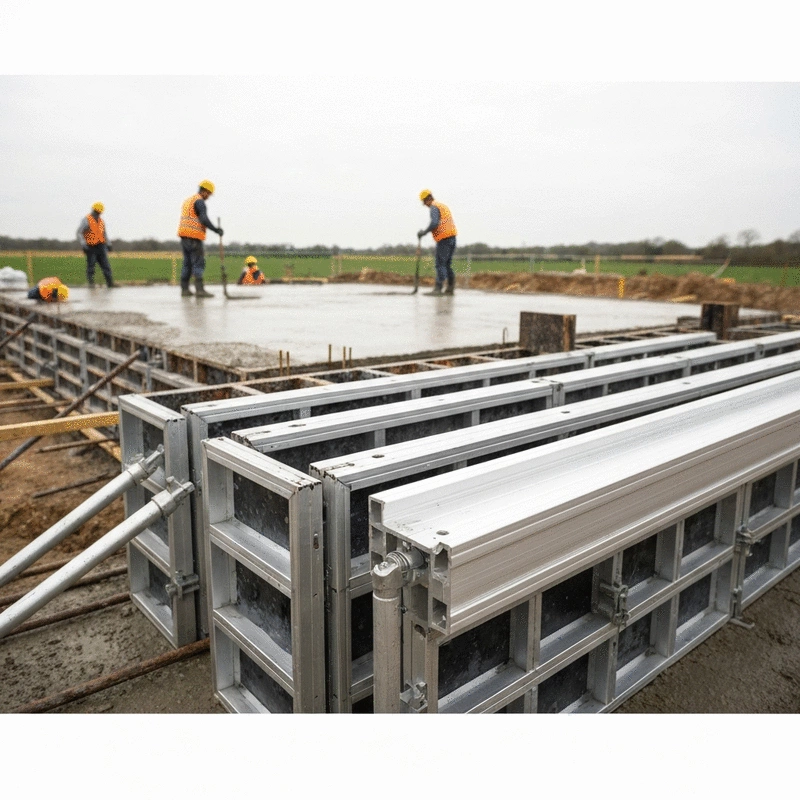
What if you could complete your construction projects faster and with greater safety? Aluminum formwork is redefining efficiency in concrete slab construction, and it's time to dive into its transformative benefits.
What You Will Learn
- Aluminum formwork is lightweight (20-25 kg/m²), making it easy to handle and set up.
- The modular design allows for customization, enabling unique project specifications.
- Aluminum formwork has a lifespan of up to 150 uses, offering long-term durability.
- Using aluminum reduces transportation costs due to its lighter weight compared to traditional materials.
- Faster assembly leads to reduced project timelines, improving overall workflow.
- The high load capacity of aluminum ensures structural integrity during concrete pouring.
- Economic benefits include significant cost savings in labor and materials over time.
- Integrating prefabricated construction techniques can further enhance project outcomes and quality control.
Aluminum Formwork vs. Traditional Materials
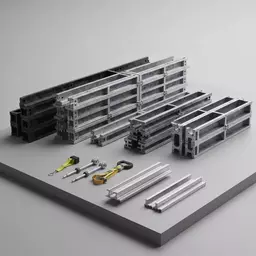
This visual highlights the key differences and advantages of aluminum formwork compared to traditional construction materials like wood and steel, focusing on weight, durability, setup time, and reusability.
Understanding Aluminum Formwork and Its Role in Concrete Slabs
When I talk about aluminum formwork, it's crucial to grasp its significance in the concrete slab domain. This innovative system plays a pivotal role in shaping the structures we build. Unlike traditional formwork, aluminum formwork is engineered for efficiency, durability, and safety, making it a game changer for contractors and engineers alike.
At Concrete Slab Innovations, we advocate for this modern approach because it not only enhances productivity but also ensures high-quality outcomes. Are you ready to explore the key elements of aluminum formwork and how it can transform your concrete slab projects?
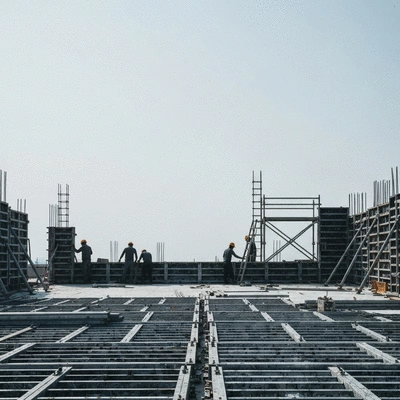
What is Aluminum Formwork?
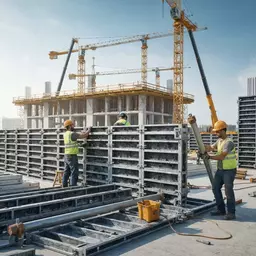
Aluminum formwork is a construction system made from lightweight aluminum materials that form the molds for pouring concrete. Its modular design allows for quick assembly and disassembly, which is essential in today’s fast-paced construction environment. Imagine being able to set up your formwork in a fraction of the time compared to traditional wood or steel options!
- Lightweight: Aluminum formwork typically weighs between 20-25 kg/m², making it easy to handle.
- Durable: With a lifespan of up to 150 uses, aluminum systems provide a long-lasting solution.
- Customizable: The modularity allows for unique designs tailored to specific project needs.
This adaptability is key when considering various project parameters. Whether you're dealing with residential buildings or large commercial structures, aluminum formwork can be tailored to fit. For further insights into the advantages of aluminum formwork, you can refer to resources such as this detailed report on aluminum formwork.
How Aluminum Formwork Differs from Traditional Materials
One of the standout advantages of aluminum formwork is its contrast to traditional materials like wood and steel. While wood formwork can warp and steel is heavier and prone to rust, aluminum remains unaffected by the elements. It provides a stable and consistent surface for concrete pouring.
- Weight: Aluminum is significantly lighter than steel, reducing transportation costs and on-site labor.
- Setup Time: The quick assembly process can lead to reduced project timelines, making your construction workflow smoother.
- Cost Efficiency: Although the initial investment might be higher, the long-term savings in labor and material costs are substantial.
Switching from traditional materials to aluminum can seem daunting, but the benefits are worth the transition. It’s all about improving productivity and ensuring your projects are completed on time and within budget. This transition aligns with modern construction trends that prioritize efficiency and sustainability, as highlighted by various government initiatives, such as those discussed in press releases from the Indian government on construction technologies.
Key Features of Formwork Systems in Structural Engineering
Understanding the features of aluminum formwork systems is essential for making informed decisions in structural engineering. These systems are designed to enhance both safety and efficiency in concrete slab construction. Here are some key features to consider:
- High Load Capacity: Aluminum formwork can support significant weight, making it suitable for various applications.
- Modularity: The ability to reuse components allows for flexibility and innovation in design.
- Safety: The robust design minimizes the risk of collapse, ensuring a safe working environment for your team.
These features contribute to the overall effectiveness of aluminum formwork in modern construction practices. By embracing these innovative systems, we can achieve not only better structural integrity but also a safer working environment.
Pro Tip
When considering aluminum formwork for your next project, remember that investing in quality materials can lead to significant long-term savings. Not only does aluminum offer durability and reusability, but its lightweight nature can also reduce transportation costs and labor hours. This combined efficiency can ultimately improve your project's bottom line!
Frequently Asked Questions About Aluminum Formwork
- 1. What is aluminum formwork?
- Aluminum formwork is a lightweight, modular construction system used to create molds for pouring concrete, known for its efficiency, durability, and reusability.
- 2. How does aluminum formwork compare to traditional materials like wood or steel?
- Aluminum formwork is significantly lighter (20-25 kg/m²), offers higher durability (up to 500 uses), and allows for faster assembly compared to heavier, less durable traditional materials that are prone to warping or rust.
- 3. What are the main benefits of using aluminum formwork in construction?
- Key benefits include enhanced efficiency, reduced project timelines, lower transportation and labor costs, increased safety, high load capacity, and long-term economic savings due to its reusability and durability.
- 4. Is aluminum formwork cost-effective?
- While the initial investment for aluminum formwork may be higher, its long-term reusability, reduced labor requirements, and faster project completion lead to substantial overall cost savings.
- 5. Can aluminum formwork be customized for different project needs?
- Yes, its modular design allows for significant customization to meet unique project specifications, making it versatile for various residential and commercial structures.
Summarizing the Advantages of Aluminum Formwork for Concrete Slabs
As we've explored throughout this article, aluminum formwork systems offer a transformative approach to concrete slab construction. The benefits are numerous, but let’s highlight a few key takeaways that truly set aluminum apart. First, the impressive load efficiency and construction speed make these systems an ideal choice for contractors and project managers alike!
When we look at the load efficiency of aluminum formwork, it becomes clear why many professionals are making the switch. Not only does aluminum provide a high load-bearing capacity, but it also offers significant benefits in terms of speed and flexibility in construction.
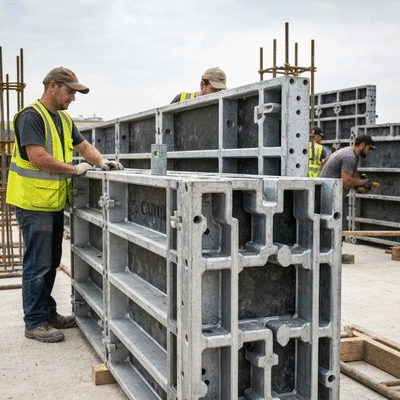
Key Takeaways on Load Efficiency and Construction Speed
- High Load Capacity: Aluminum can handle substantial loads while remaining lightweight.
- Faster Assembly: The modular design allows for quicker setup, saving valuable labor hours.
- Reduced Transportation Costs: Lightweight nature translates to lower shipping and handling expenses.
- Less Site Disruption: Quick assembly means reduced environmental impact and smoother site operations.
Each of these factors contributes to a more efficient construction process, enabling us to meet project deadlines without compromising quality. Imagine completing more projects in less time—what a game-changer!
Why Construction Professionals Should Consider Aluminum Formwork
Aluminum formwork isn’t just about efficiency; it's also about long-term value. Professionals in the construction industry should consider this innovation for several compelling reasons:
- Economic Benefits: The initial investment pays off through cost savings in labor, materials, and time.
- Durability: Aluminum systems are built to last, withstanding the rigors of construction sites.
- Safety: Enhanced structural integrity reduces the risk of accidents during pouring.
- Reusability: With up to 500 uses, aluminum formwork minimizes waste and maximizes value.
When I think about our mission at Concrete Slab Innovations, it’s clear that adopting aluminum formwork can lead to improved safety, efficiency, and sustainability in our projects. Professionals looking to stay competitive should seriously consider this cutting-edge solution. For a balanced perspective, it's also important to consider the environmental impact of rapid construction methods, as discussed in articles such as "The Hidden Costs of Rapid Construction."
Integrating Prefabricated Construction Techniques for Enhanced Outcomes
As we continue to innovate in the construction field, integrating prefabricated techniques with aluminum formwork can elevate our project outcomes even further. These methods can streamline processes and enhance quality control in concrete slab construction. Here’s how:
- Consistency: Prefabricated components ensure uniformity across all projects.
- Time Management: Simultaneous production and assembly can significantly cut down on project timelines.
- Quality Assurance: Off-site fabrication reduces onsite errors and improves overall quality.
Ultimately, embracing these modern approaches not only enhances efficiency but also aligns with our commitment to advancing construction practices at Concrete Slab Innovations. Are you ready to elevate your projects with innovative techniques?
Engage with Us for More Insights and Solutions
At Concrete Slab Innovations, we strive to create a community of professionals eager to share knowledge and experiences. If you have insights or questions about aluminum formwork, we want to hear from you! Let’s engage in a meaningful conversation about optimizing construction practices and enhancing project outcomes.
Join the Conversation: Share Your Experiences with Aluminum Formwork
Your experiences can provide invaluable lessons for others in the industry. Have you utilized aluminum formwork in your projects? What challenges did you face, and how did you overcome them? By sharing, we can all learn and grow together!
Explore Our Resources on Efficient Construction Techniques
Don’t forget to check out the extensive resources available at Concrete Slab Innovations. From detailed guides to case studies, we offer a wealth of information designed to empower contractors, engineers, and project managers. Let’s transform the construction landscape together!
Recap of Key Points
- Lightweight and Durable: Aluminum formwork is easy to handle, weighing only 20-25 kg/m², and can be reused up to 150 times.
- Efficiency in Setup: Its modular design allows for quick assembly and disassembly, significantly reducing project timelines.
- Cost-Effective: Although the initial investment is higher, the long-term savings in labor and material costs are substantial.
- Enhanced Safety: The robust design minimizes risks during construction, ensuring a safer working environment.
- Integration with Prefabrication: Combining aluminum formwork with prefabricated techniques can further improve efficiency and quality control.

Aidan Cromwell
Aidan Cromwell is a seasoned construction professional and industry expert with a passion for innovative building solutions. With extensive experience in concrete slab construction and a deep understanding of modular formwork systems, Aidan strives to educate and empower contractors, engineers, and project managers. His insights are grounded in practical knowledge and a commitment to advancing construction efficiency and safety.
Popular Posts
Aluminum Formwork and Carbon Reduction
![Aluminum Formwork and Carbon Reduction]() What if the way we build could significantly impact our planet's future? Embracing aluminum formwork
What if the way we build could significantly impact our planet's future? Embracing aluminum formwork
 What if the way we build could significantly impact our planet's future? Embracing aluminum formwork
Aluminum Formwork: Storage and Transport
![Aluminum Formwork: Storage and Transport]() What if the longevity of your aluminum formwork could be dramatically increased just by changing how
What if the longevity of your aluminum formwork could be dramatically increased just by changing how
 What if the longevity of your aluminum formwork could be dramatically increased just by changing how
Train Your Crew for Efficient Assembly
![Train Your Crew for Efficient Assembly]() Investing in training can transform your construction project outcomes. With proper techniques and k
Investing in training can transform your construction project outcomes. With proper techniques and k
 Investing in training can transform your construction project outcomes. With proper techniques and k
Aluminum Formwork Load Engineering Guidelines
![Aluminum Formwork Load Engineering Guidelines]() Consider this: a single miscalculation in load engineering can lead to structural failures and finan
Consider this: a single miscalculation in load engineering can lead to structural failures and finan
 Consider this: a single miscalculation in load engineering can lead to structural failures and finan
