Aluminum Formwork Cost-Benefit Insights
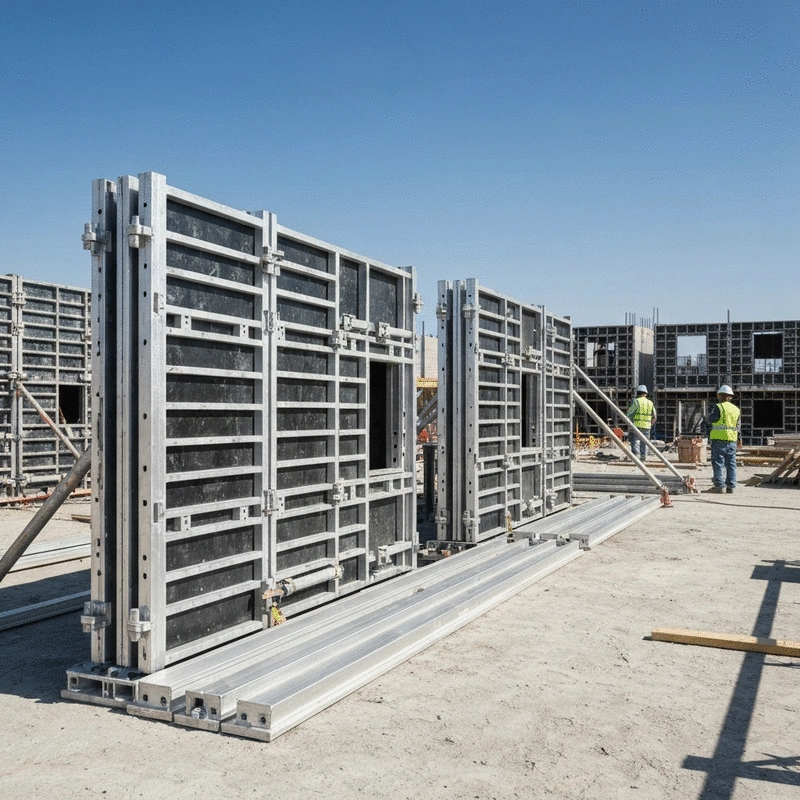
How efficiently can your next mass housing project be completed? The answer might lie in the adoption of aluminum formwork systems, which are transforming construction practices. This article unveils the cost-benefit dynamics of these innovative solutions, offering insights that could reshape your project planning.
What You Will Learn
- Aluminum formwork systems are lightweight and modular, allowing for quicker assembly and enhanced project flexibility.
- Conducting a thorough cost-benefit analysis helps identify long-term savings and potential hidden costs in your projects.
- Key economic factors to consider include initial capital investment, project scale, and time to completion when evaluating aluminum formwork feasibility.
- Integrating technology, such as digital project management tools, can optimize the use of aluminum formwork, enhancing overall project efficiency.
Cost-Benefit Dynamics of Aluminum Formwork Systems
An overview of the key advantages and considerations when implementing aluminum formwork in mass housing projects.
Key Benefits of Aluminum Formwork
- ✓ Speed: Quicker project completion times.
- ✓ Labor Savings: Reduced manpower needs.
- ✓ Material Efficiency: Durable, less waste.
- ✓ High Quality: Consistent structural integrity.
Key Factors for Economic Feasibility
- ► Initial Investment: Upfront cost of system.
- ► Project Scale: Size influences cost-effectiveness.
- ► Time to Completion: Faster than traditional methods.
- ► Maintenance Costs: Long-term upkeep requirements.
Future Trends & Integration
- ● Digital Project Management: Streamlined communication.
- ● BIM Integration: Enhanced design accuracy.
- ● Automated Quality Control: Ensures compliance.
- ● Sustainability: Environmental compliance.
Actionable Steps for Stakeholders
- ● Conduct Analysis: Assess cost-benefit for projects.
- ● Engage Experts: Consult with industry professionals.
- ● Explore Training: Equip workforce for new tech.
- ● Financing Options: Investigate grants and partnerships.
Understanding the Cost-Benefit Dynamics of Aluminum Formwork Systems
When it comes to mass housing projects, understanding the cost-benefit dynamics of aluminum formwork systems is crucial. These systems are revolutionizing the construction landscape by offering advantages that can lead to significant savings in both time and money. By examining how aluminum formwork functions and its economic viability, we can help you make informed decisions for your projects, as detailed in this research paper on aluminum formwork systems.
One of the key aspects to consider is how adopting innovative solutions like aluminum formwork can impact your overall project efficiency. At Concrete Slab Innovations, we’ve seen firsthand how these systems streamline construction processes while ensuring high quality and safety standards.
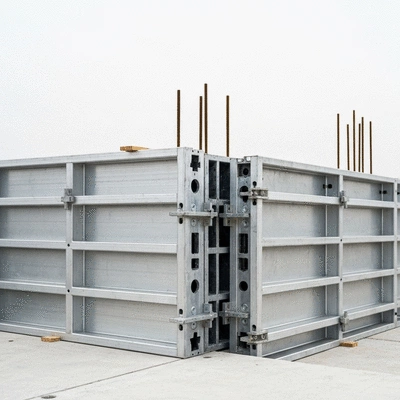
What is Aluminum Formwork in Mass Housing Projects?
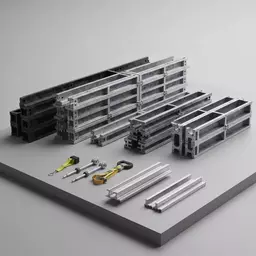
Aluminum formwork refers to a modular system designed for casting concrete slabs, walls, and other structural elements in mass housing projects. This formwork is lightweight and durable, making it easier to handle compared to traditional materials like timber or steel. Its modular design allows for quick assembly and disassembly, leading to reduced labor time.
- Lightweight Design: Facilitates easier handling and transportation.
- Modular System: Enhances flexibility in design and application.
- Durability: Ensures long-term use and reliability in construction.
When used in mass housing projects, aluminum formwork can optimize the construction timeline and contribute to better project outcomes. Imagine completing your project faster with a system that not only saves time but also improves structural integrity!
Why Conduct a Cost-Benefit Analysis?
Conducting a cost-benefit analysis is essential to make informed choices about using aluminum formwork. This analysis helps you weigh the initial investments against the long-term benefits, ultimately guiding your project decisions. By understanding the cost implications, you can allocate resources more effectively and anticipate potential savings. This approach is further supported by insights into the development of the aluminum formwork industry.
- Identify Hidden Costs: Look beyond initial expenses to understand total project costs.
- Forecast Long-Term Savings: Evaluate how aluminum formwork can reduce labor and material expenditures over time.
- Understand Financial Implications: Gain insights into how these systems can impact your bottom line.
As I often remind my colleagues in the industry, a thorough analysis will highlight the true value of innovations like aluminum formwork—transforming not just the immediate project but also your approach to future developments.
Evaluating Economic Feasibility: Key Factors to Consider
Before fully committing to aluminum formwork, it’s crucial to assess several key economic factors. These factors can help you gauge whether this system will be a viable option for your specific projects. Consider the following when evaluating economic feasibility:
- Initial Capital Investment: Factor in the upfront costs of purchasing or leasing aluminum formwork.
- Project Scale: Understand how the size of your project may influence cost-effectiveness.
- Time to Completion: Assess how quickly you can complete projects using aluminum formwork versus traditional methods.
- Maintenance Costs: Consider the long-term maintenance requirements and how they compare with other formwork options.
By taking these factors into account, you can determine the best approach for integrating aluminum formwork into your projects. With a clear understanding of economic feasibility, you’ll be better equipped to make choices that enhance your construction efficiency and profitability.
Pro Tip
To maximize the benefits of aluminum formwork, consider investing in training for your crew. Familiarity with the system can lead to faster assembly times and improved safety on-site, resulting in overall project efficiency and reduced costs.
Summarizing Key Insights: The Value Proposition of Aluminum Formwork
As we wrap up this discussion about aluminum formwork, it's clear that weighing the costs against benefits is essential for making informed decisions in mass housing projects. The innovative nature of these systems not only enhances efficiency but also contributes significantly to sustainability goals. Understanding the full value proposition helps stakeholders appreciate how aluminum formwork can transform traditional construction methods.
By embracing aluminum formwork, you're not just investing in a product—you're investing in a proven approach that can streamline processes, reduce waste, and ultimately lead to enhanced project outcomes. Let's explore some key insights that highlight this value further.
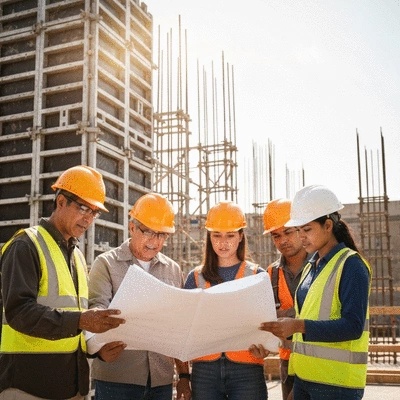
Weighing Costs Against Benefits: A Balanced View
When considering aluminum formwork, it's vital to perform a thorough analysis of both costs and benefits. Here are the primary aspects to keep in mind:
- Upfront Costs: While initial investments may seem high, potential long-term savings often offset these.
- Labor Savings: Reduced manpower requirements can lead to significant cost reductions.
- Material Efficiency: Aluminum's durability contributes to less waste and lower replacement costs.
- Speed of Construction: Quicker project completion times can enhance profitability by allowing for more projects per year.
By examining these elements, stakeholders can gain a comprehensive understanding of how aluminum formwork aligns with their project goals.
Future Trends: Integrating Technology into Formwork Management
The future of aluminum formwork is bright, especially as we see an increasing integration of technology within the industry. Innovations such as:
- Digital Project Management Tools: These can help streamline communication and coordination among teams.
- Building Information Modeling (BIM): Enhances design accuracy and allows for efficient planning and execution.
- Automated Quality Control: Ensures adherence to safety and compliance standards.
These advancements not only optimize the use of aluminum formwork but also improve overall project management. Are you ready to embrace these trends?
Market Trends: The Growing Demand for Aluminum Formwork in Urban Development
As urbanization continues to rise, the demand for effective building solutions grows accordingly. Aluminum formwork is increasingly becoming a preferred choice in urban development due to:
- High Load Capacity: Essential for high-rise and commercial buildings.
- Modular Design: Allows for flexibility and adaptability to various project types.
- Environmental Compliance: Aligns with stricter regulations aimed at sustainability.
Understanding these trends can help you position your projects favorably in the market, ensuring they're not just timely but also environmentally responsible.
Frequently Asked Questions About Aluminum Formwork Systems
What are the primary benefits of using aluminum formwork in mass housing projects?
Aluminum formwork offers several key benefits, including quicker project completion times, reduced labor needs, high material efficiency due to its durability, and consistent structural integrity, leading to overall high-quality construction.
Why is a cost-benefit analysis crucial when considering aluminum formwork?
A cost-benefit analysis is crucial because it helps identify hidden costs, forecast long-term savings, and understand the full financial implications of adopting aluminum formwork. This allows for informed decision-making and effective resource allocation.
What economic factors should be considered when evaluating the feasibility of aluminum formwork?
Key economic factors include the initial capital investment, the scale of the project (as cost-effectiveness varies with size), the potential for faster time to completion compared to traditional methods, and long-term maintenance costs.
How can technology improve the use of aluminum formwork?
Integrating technology such as digital project management tools, Building Information Modeling (BIM), and automated quality control can optimize the use of aluminum formwork by streamlining communication, enhancing design accuracy, and ensuring compliance, thereby improving overall project efficiency.
Where can I find more detailed information or resources on aluminum formwork systems?
You can refer to academic papers such as this analysis of the advantages of aluminum formwork, consult with industry experts, attend webinars and workshops, or access comprehensive resource libraries from companies specializing in construction innovations like Concrete Slab Innovations.
Taking Action: Making Informed Decisions for Your Mass Housing Project
With these insights in mind, it's time to take actionable steps towards integrating aluminum formwork into your projects. The landscape is changing, and staying ahead means making informed decisions based on the latest developments in construction technology.
Next Steps for Stakeholders in Mass Housing Development
For those involved in mass housing projects, here are some recommended next steps:
- Conduct a Cost-Benefit Analysis: Assess how aluminum formwork can fit into your budget and project scope.
- Engage with Experts: Consult with industry professionals who have experience with aluminum formwork systems.
- Explore Training Opportunities: Ensure your workforce is well-equipped to handle new technology and processes.
Taking these steps can help ensure a smoother transition to incorporating aluminum formwork into your projects.
Engagement Opportunities: How to Reach Out for Further Information
If you're interested in learning more, don’t hesitate to reach out! Here at Concrete Slab Innovations, we offer tailored resources to help contractors, engineers, and project managers navigate the complexities of aluminum formwork.
- Consultations: Schedule a meeting to discuss your specific project needs.
- Webinars and Workshops: Participate in our educational sessions to deepen your understanding.
- Resource Library: Access our extensive guides and case studies on aluminum formwork.
We’re here to support you in every step of your journey!
Financing Options: Exploring Financial Models for Project Viability
Finally, exploring financing options can make a significant difference in the feasibility of utilizing aluminum formwork. Here are some avenues to consider:
- Investment Partnerships: Collaborate with investors who share a vision for innovative building solutions.
- Government Grants: Investigate local and federal programs that support sustainable construction practices.
- Flexible Payment Plans: Look for suppliers offering financing options that align with your cash flow.
By exploring these financial pathways, you can enhance the viability of your projects while reaping the benefits of aluminum formwork.
Recap of Key Points
Here is a quick recap of the important points discussed in the article:
- Aluminum Formwork Benefits: Lightweight, modular, and durable design leads to faster construction and reduced labor costs.
- Cost-Benefit Analysis: Essential for evaluating initial investments versus long-term savings and resource allocation.
- Economic Feasibility Factors: Consider capital investment, project scale, completion time, and maintenance costs before adoption.
- Trends in Technology: Integration of digital tools and automation enhances project management and quality control.
- Market Demand: Growing preference for aluminum formwork in urban development due to its high load capacity and environmental compliance.

Aidan Cromwell
Aidan Cromwell is a seasoned construction professional and industry expert with a passion for innovative building solutions. With extensive experience in concrete slab construction and a deep understanding of modular formwork systems, Aidan strives to educate and empower contractors, engineers, and project managers. His insights are grounded in practical knowledge and a commitment to advancing construction efficiency and safety.
Popular Posts
Aluminum Formwork and Carbon Reduction
![Aluminum Formwork and Carbon Reduction]() What if the way we build could significantly impact our planet's future? Embracing aluminum formwork
What if the way we build could significantly impact our planet's future? Embracing aluminum formwork
 What if the way we build could significantly impact our planet's future? Embracing aluminum formwork
Aluminum Formwork: Storage and Transport
![Aluminum Formwork: Storage and Transport]() What if the longevity of your aluminum formwork could be dramatically increased just by changing how
What if the longevity of your aluminum formwork could be dramatically increased just by changing how
 What if the longevity of your aluminum formwork could be dramatically increased just by changing how
Train Your Crew for Efficient Assembly
![Train Your Crew for Efficient Assembly]() Investing in training can transform your construction project outcomes. With proper techniques and k
Investing in training can transform your construction project outcomes. With proper techniques and k
 Investing in training can transform your construction project outcomes. With proper techniques and k
Aluminum Formwork Load Engineering Guidelines
![Aluminum Formwork Load Engineering Guidelines]() Consider this: a single miscalculation in load engineering can lead to structural failures and finan
Consider this: a single miscalculation in load engineering can lead to structural failures and finan
 Consider this: a single miscalculation in load engineering can lead to structural failures and finan
