Aluminum Formwork
- ✓Lightweight & Reusable
- ✓Quicker Assembly/Disassembly
- ✓Reduced Labor Costs
- ✓Superior Finish Quality
- ✓More Sustainable (Recyclable)
- ✓High Load-Bearing Capacity
Modern Solution
As the construction industry continues to evolve, understanding the nuances between different concrete slab support systems is more crucial than ever. Have you considered how the choice of formwork might impact your project's efficiency and sustainability? Let's explore the vital insights that can help you make informed decisions.
Delve into the key differences and benefits of modern aluminum formwork compared to traditional construction methods.
When it comes to selecting the right system for concrete slab support, understanding the difference between aluminum formwork and traditional methods is crucial. With my experience in the construction industry, I've seen firsthand how these options can greatly impact project outcomes. Let's dive into what each method entails and why making an informed choice is essential!
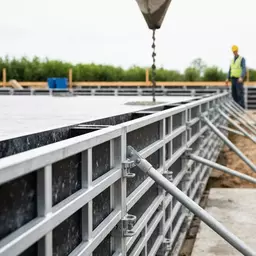
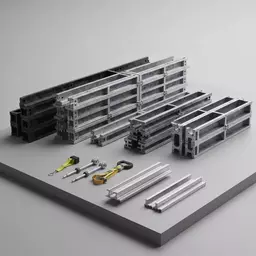
Aluminum formwork systems are designed to be lightweight and modular, allowing for quicker assembly and disassembly compared to traditional wooden or steel formwork. This not only saves time during the pouring process but also reduces labor costs. In contrast, traditional methods often require extensive setup and teardown, which can slow down project timelines and increase expenses. For more information on the benefits of aluminum in building structures, you can refer to this NIST publication comparing aluminum, steel, and concrete.
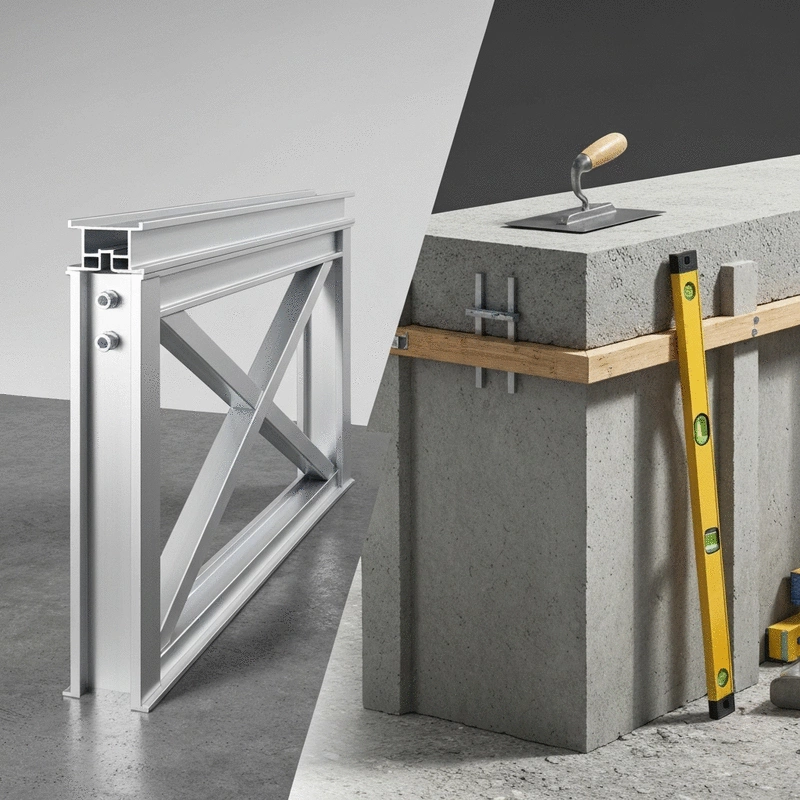
Aluminum formwork is a modern solution that leverages the strength and durability of aluminum to create sturdy and precise mold shapes for concrete pouring. This system is widely recognized for its cost-effectiveness and efficiency. Traditional methods, on the other hand, typically rely on timber or steel, which can be more labor-intensive to install and dismantle.
Understanding these differences is the first step in recognizing the benefits of aluminum systems over traditional methods. At Concrete Slab Innovations, we strive to provide contractors and engineers with insightful resources on the best practices in the industry.
Comparative studies play a vital role in the construction industry, particularly when assessing the effectiveness of different slab support systems. By analyzing performance metrics and costs, we can make informed decisions that not only enhance project outcomes but also promote sustainability. Personally, I believe that rigorous comparison leads to better practices across the board! The importance of such studies is highlighted in research on sustainable construction and its impact on project success.
As we move forward, embracing a culture of research and analysis will help advance our industry. It's exciting to see how these insights can lead to innovative solutions in concrete slab support.
Understanding the principles of structural engineering is crucial in selecting the right concrete slab support system. Aluminum formwork offers unique advantages like superior load-bearing capacity and flexibility in design. These features allow engineers to create more complex structures without compromising safety or quality.
With the right knowledge and resources, we can implement solutions that not only meet engineering standards but also enhance the overall performance of our construction projects. At Concrete Slab Innovations, we believe that understanding these engineering principles is key to achieving consistent structural quality. Further insights into optimizing structural performance can be found in studies on structural optimization for enhanced safety and sustainability.
When considering your concrete slab support options, don't overlook the long-term benefits of aluminum formwork. Not only does it reduce labor costs and installation times, but its reusability also leads to significant savings over multiple projects. Investing in aluminum formwork today can set the stage for greater efficiency and profitability tomorrow!
A1: Aluminum formwork offers several key advantages, including its lightweight and modular design, which allows for quicker assembly and disassembly, significantly reducing labor costs and project timelines. It also provides a superior concrete finish quality and is more sustainable due to its reusability and recyclability.
A2: Traditional formwork methods, often using timber or steel, are typically heavier and more labor-intensive. This can lead to longer setup and teardown times, increased labor demands, and potential material waste, all of which can slow down project timelines and result in higher long-term expenses.
A3: Comparative studies are crucial for evaluating the effectiveness of different construction methods and materials. They help identify the specific advantages and disadvantages of each system, allowing engineers and contractors to make informed decisions that enhance project outcomes, improve safety, and promote sustainable practices.
A4: Structural engineering principles are fundamental to designing and implementing safe and effective concrete slab support systems. Understanding factors like load distribution, material strength, and design flexibility ensures that the chosen formwork can handle the structural demands without compromising safety or quality, leading to consistent structural integrity.
A5: Aluminum formwork contributes to sustainability by being reusable and recyclable, which significantly reduces material waste compared to single-use traditional formwork. Its lightweight nature also means less energy is required for transportation and handling, further lowering the environmental impact of construction projects.
In the realm of concrete slab construction, understanding the strengths and weaknesses of different support methods is crucial. Both aluminum formwork and traditional systems offer unique benefits, yet they also come with certain limitations. By evaluating these contrasting methods, we can better equip contractors and engineers to make informed decisions that enhance project outcomes.
To summarize, here are the key benefits and limitations of each method:
As we look toward the future, the insights gleaned from these comparisons will likely guide innovations in concrete support systems.
The construction industry is continually evolving, and so are the methods we use for concrete slab support. We’re witnessing a growing interest in hybrid systems that combine the best aspects of both aluminum and traditional formworks. For instance, some projects are integrating lightweight aluminum with traditional materials to optimize both cost and performance.
This trend suggests a shift towards greater adaptability in construction practices. By investing in research and development, we can explore cutting-edge solutions that not only streamline the building process but also enhance safety and sustainability. It’s exciting to think about how we can revolutionize our industry!
Sustainability is at the forefront of today's construction trends. As contractors, engineers, and project managers, we have a responsibility to consider environmental impacts in our choices. Aluminum formwork, with its recyclability and reduced material waste, positions itself as a more sustainable option compared to traditional concrete forms.
Here are some trends influencing this shift towards sustainability:
Engaging with these sustainable practices can benefit both the planet and your project’s bottom line. Let’s embrace these trends together to create a better future in concrete construction!
Your experiences in concrete slab construction matter! At Concrete Slab Innovations, we encourage you to share your thoughts and questions about the evolving landscape of concrete support systems. Engaging with fellow contractors and industry experts can lead to valuable insights and collaborative solutions.
Consider joining online forums or attending webinars focused on innovations in concrete support. This is a fantastic way to connect with others who are just as passionate about advancing construction practices.
As you explore the potential of aluminum formwork and other support systems, a wealth of resources is available to deepen your understanding. Here are a few that I highly recommend:
By continuing to educate ourselves, we can remain at the forefront of this industry and drive meaningful change in our projects. Let’s keep the conversation going and explore new possibilities together!
Here is a quick recap of the important points discussed in the article:
Aidan Cromwell is a seasoned construction professional and industry expert with a passion for innovative building solutions. With extensive experience in concrete slab construction and a deep understanding of modular formwork systems, Aidan strives to educate and empower contractors, engineers, and project managers. His insights are grounded in practical knowledge and a commitment to advancing construction efficiency and safety.