Guide to Concrete Slab Installation

concrete slab installation

Concrete slabs are foundational elements in modern construction, playing a vital role in the stability and longevity of structures. As professionals in the industry, understanding their installation process can significantly enhance project outcomes. Here’s what you need to know.

What You Will Learn

  • Concrete slabs provide essential support, ensuring structural integrity and reducing the chances of failures.
  • High-quality concrete is cost-effective and requires minimal maintenance, making it a popular choice for contractors.
  • Proper site preparation and subbase conditions are crucial for the durability of concrete slabs.
  • Selecting the right Portland cement type can dramatically impact the slab's performance based on project needs.
  • Effective curing techniques are vital for achieving the desired strength and longevity of the concrete.
  • Variety in finishing options can enhance both the aesthetic appeal and functionality of the concrete slab.
  • Applying surface treatments and sealants extends the life of concrete slabs by protecting against moisture and wear.

Concrete Slab Installation: A Key Process Flow

The successful installation of a concrete slab involves several critical steps, from initial site preparation to final protective treatments. This visual outlines the key stages and considerations at each phase.

1. Site & Subbase Preparation

Clearing debris, ensuring drainage, soil testing, and compacting for stability.

  • Clear, drain, test soil
  • Compacting subgrade

2. Material Selection

Choosing high-quality cement, aggregates, and admixtures for optimal performance.

  • Portland cement quality
  • Aggregates & admixtures

3. Pouring & Leveling

Setting formwork, mixing, and pouring concrete, then screeding and troweling the surface.

  • Formwork, mix, pour
  • Screed & trowel finish

4. Reinforcement & Curing

Using rebar/mesh for stability and proper curing techniques for strength development.

  • Rebar/mesh inclusion
  • Moisture & temp control

5. Finishing Options

Applying brushed, stained, or polished finishes for aesthetics and functionality.

  • Brushed for grip
  • Polished for modern look

6. Surface Treatments

Applying sealants and coatings to protect against moisture, wear, and tear, ensuring longevity.

  • Sealants to prevent water
  • Epoxy for durability

Understanding Concrete Slab Installation: A Comprehensive Overview

When we talk about concrete slab installation, it's essential to grasp just how critical these components are in the construction process. At Concrete Slab Innovations, we emphasize that concrete slabs serve as the foundation for many structures, providing necessary support for everything from residential homes to commercial buildings. They offer a stable surface that can handle various loads, making them indispensable in modern construction. The American Concrete Institute (ACI) provides comprehensive guides and standards for concrete floor and slab construction, including ACI 302.1R-04, which details best practices for concrete floors and slabs.

But why is understanding concrete slabs so important? Concrete slabs are not merely a building material; they are integral to the overall structural integrity of a project. The right choice of materials and installation techniques can significantly enhance safety and longevity.

The Importance of Concrete Slabs in Construction

Concrete slabs are foundational elements that play a pivotal role in any construction project. They are designed to distribute weight evenly, ensuring that structures remain stable and safe. Here are a few key reasons why concrete slabs are vital:

  • Structural Integrity: Concrete slabs offer essential support, reducing the chances of structural failures.
  • Versatility: They can be used in various applications, including floors, driveways, and patios.
  • Durability: With proper installation and maintenance, concrete slabs can last for decades. The United States Department of Agriculture Natural Resources Conservation Service (NRCS) also offers design guides for floors and slabs-on-ground, providing further insights into their durable construction.

As a construction professional, I've observed that investing in high-quality concrete slabs pays off in the long run. Don't you agree that a solid foundation is crucial for any project?

Key Benefits of Choosing Concrete for Your Project

Choosing concrete for your slab installation comes with numerous benefits that can’t be overlooked. For instance, concrete is known for its strength and durability, making it an ideal choice for various applications. Some of the standout benefits include:

  • Cost-Effective: Concrete slabs can be more affordable compared to other materials, especially when considering their longevity.
  • Low Maintenance: Once installed, concrete requires minimal upkeep, allowing for cost savings over time.
  • Energy Efficiency: Concrete has excellent thermal mass properties, which can help in regulating temperature within buildings.
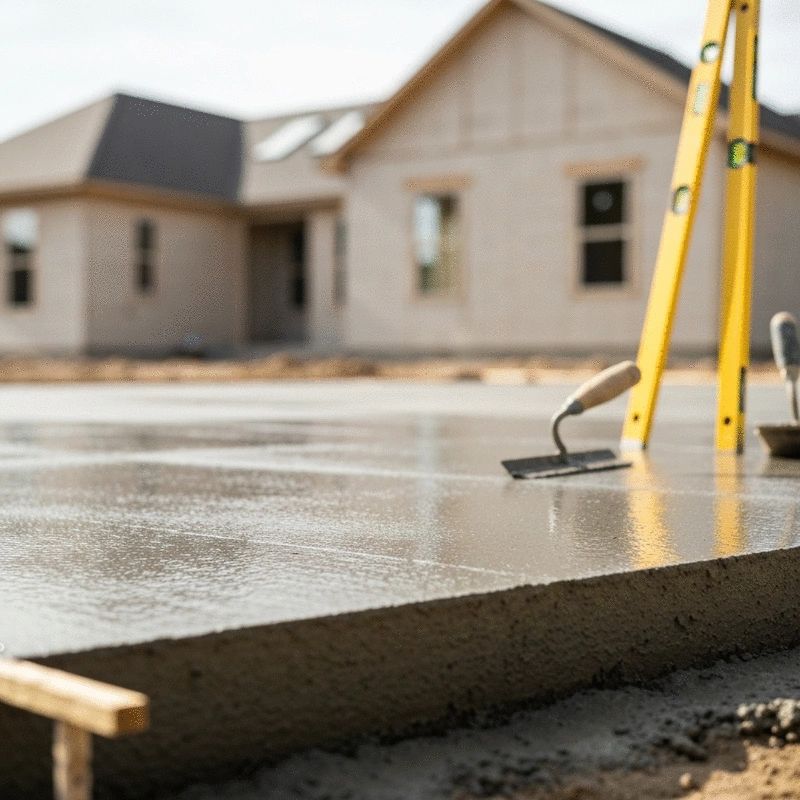
Close-up of a smooth, durable concrete slab surface, highlighting its strength and low maintenance properties.

With these advantages, it’s no wonder that concrete slabs are a go-to choice for many contractors, including us at Concrete Slab Innovations. By understanding these benefits, you can make informed decisions for your project!

Exploring Different Types of Concrete Mixes: Choosing the Right Portland Cement

Not all concrete mixes are created equal! Choosing the right type of Portland cement can have a significant impact on your slab’s performance. Here are some common types to consider:

  • Type I: General use, suitable for most construction projects.
  • Type II: Provides moderate resistance to sulfate attack, ideal for structures in contact with soil.
  • Type III: High early strength, perfect for fast-track construction.
  • Type IV: Low heat of hydration, used in massive structures to prevent cracking.

The right choice depends on factors like climate, load requirements, and your project's specific needs. The Whole Building Design Guide (WBDG) also provides resources like the Floor Slabs for DoD Facilities document, which details considerations for concrete slab design and construction based on specific functional requirements. At Concrete Slab Innovations, we’re here to help guide you through those choices, ensuring you select the perfect mix for your concrete slab installation.

Pro Tip

To ensure the longevity and performance of your concrete slab, consider incorporating admixtures into your concrete mix. These additives can enhance properties such as workability, durability, and resistance to cracking. For instance, using a water-reducing admixture can improve the strength of your slab while reducing the amount of water needed, leading to a denser, more durable finish. Always consult with a concrete professional to choose the right admixture for your specific project needs!

Essential Steps in the Concrete Slab Installation Process

Installing a concrete slab may seem daunting, but when broken down into essential steps, it becomes much more manageable. At Concrete Slab Innovations, we strive to guide you through each phase, ensuring that your project is executed smoothly. Let’s dive into the critical components involved in the concrete slab installation process!

Preparing the Site for Concrete Slab Installation

The first step in any successful concrete slab installation is proper site preparation. This phase sets the foundation for everything that follows, so it’s vital to get it right. Begin by clearing the area of any debris, vegetation, and obstacles that could affect the slab’s integrity.

  • Clear the site of trees, shrubs, and existing structures.
  • Ensure proper drainage to prevent water pooling.
  • Conduct a soil test to evaluate the ground’s load-bearing capacity.

By taking these steps, you’ll create an optimal base for your concrete slab, ensuring durability and stability in the long run.

Understanding Subbase Preparation and Site Conditions

Once the site is cleared, it's crucial to focus on the subbase preparation. This subgrade layer acts as a foundation for your slab, and its condition can affect the longevity of the concrete. Make sure to compact the soil adequately, which can prevent future settlement issues.

  • Use a mechanical compactor to achieve a stable subbase.
  • Install geotextile fabric if necessary to prevent weed growth.
  • Consider adding a layer of gravel for enhanced drainage.

By understanding your site conditions and preparing the subbase adequately, you set yourself up for success in the installation process.

Choosing the Right Materials for Your Concrete Slab

Material selection is another important aspect of concrete slab installation. Choosing the right components can greatly influence the performance and durability of your slab. Here’s what you need to consider:

  • Choose high-quality Portland cement for strength.
  • Select aggregates based on your project’s specific load requirements.
  • Consider admixtures that can enhance concrete performance.

By prioritizing quality materials, you’ll not only improve the integrity of your slab but also ensure its longevity. Remember, investing in quality now pays off in the long run!

Step-by-Step Guide to Pouring Concrete Slabs

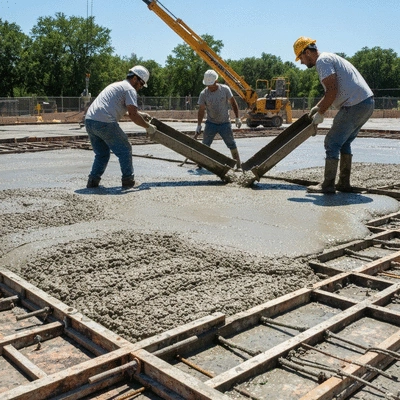
Now that your site is prepared and materials are on hand, it’s time to pour the concrete! Here’s a simple step-by-step guide to ensure a smooth pour:

  1. Set up formwork to define the slab’s edges.
  2. Mix the concrete according to specifications.
  3. Pour concrete evenly into the formwork.
  4. Use a screed to level the surface.
  5. Finish with a trowel for a smooth appearance.
Construction workers pouring and leveling wet concrete for a new slab, with formwork visible.

Following these steps carefully will help you achieve a well-poured slab that meets all your project requirements. Don't rush this process—take your time to ensure quality!

Using Formwork and Reinforcement Techniques for Stability

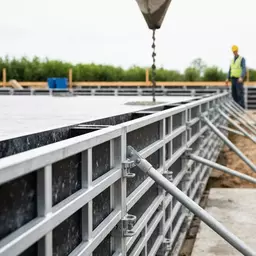
Formwork and reinforcement are key components that provide stability to your concrete slab. Well-constructed formwork can help maintain the shape of the slab during the curing process, while proper reinforcement will enhance strength. Here’s what to focus on:

  • Ensure your formwork is level and secure before pouring.
  • Incorporate reinforcement bars (rebar) or mesh as needed.
  • Consider using lightweight aluminum formwork systems for efficiency.

By paying close attention to these details, you'll enhance the overall stability and safety of your installation.

Understanding Curing Techniques and Their Importance

Curing is a critical step that is often overlooked. It involves maintaining adequate moisture and temperature in the concrete after it has been poured, which is essential for strength development. Here are some effective curing techniques:

  • Use curing compounds to retain moisture.
  • Cover the slab with wet burlap or plastic sheeting.
  • Regularly mist the surface with water during the curing period.

Effective curing can significantly improve the durability of your slab, so make sure to prioritize this step!

Finishing Options: What You Need to Know

Once your slab is poured and cured, you’ll want to consider finishing options. These can enhance not only the appearance but also the functionality of your concrete slab. Here are a few popular options:

  • Brushed finish for slip resistance.
  • Stained or colored concrete for aesthetic appeal.
  • Polished finish for a modern look.

Each finishing technique serves a purpose, so choose one that aligns with your project’s needs!

Applying Surface Treatments and Concrete Sealants for Longevity

Finally, applying surface treatments and sealants is crucial for protecting your concrete slab from moisture and wear. Here’s how you can extend its life:

  • Use sealants to prevent water infiltration.
  • Consider epoxy coatings for enhanced durability.
  • Regularly maintain the surface to prevent damage.

By taking these protective measures, you’ll ensure the longevity and performance of your concrete slab for years to come.

Frequently Asked Questions about Concrete Slab Installation

What is the primary role of concrete slabs in construction?
Concrete slabs are foundational elements that provide essential support and structural integrity, distributing weight evenly to ensure stability and safety for various structures.
Why is proper site preparation important for concrete slab installation?
Proper site preparation, including clearing debris, ensuring drainage, and compacting the soil, creates an optimal base that prevents future settlement issues and ensures the durability and stability of the concrete slab.
What are the key benefits of choosing concrete for slab installation?
Concrete slabs are cost-effective, require minimal maintenance, and offer excellent thermal mass properties, contributing to energy efficiency. Their strength and durability make them a long-lasting choice for various applications.
How does selecting the right Portland cement type impact a concrete slab?
Different types of Portland cement offer varied properties such as resistance to sulfates or high early strength. Choosing the correct type based on climate, load requirements, and project needs significantly impacts the slab's performance and longevity.
What are effective curing techniques for concrete slabs?
Effective curing involves maintaining adequate moisture and temperature after pouring. Techniques include using curing compounds, covering the slab with wet burlap or plastic sheeting, and regularly misting the surface with water to promote strength development and durability.

Recap of Key Points

Here is a quick recap of the important points discussed in the article:

  • Importance of Concrete Slabs: Essential for structural integrity, providing stability and support.
  • Benefits of Concrete: Cost-effective, low maintenance, and energy-efficient with excellent durability.
  • Material Selection: Choosing the right Portland cement and aggregates is crucial for slab performance.
  • Site Preparation: Properly clear and prepare the site for optimal slab installation.
  • Curing Techniques: Maintaining moisture and temperature post-pour is vital for strength development.
  • Finishing Options: Different finishes enhance both the appearance and functionality of your slab.
  • Protective Measures: Applying surface treatments and sealants ensures longevity and performance.
About !author

Aidan Cromwell

Aidan Cromwell is a seasoned construction professional and industry expert with a passion for innovative building solutions. With extensive experience in concrete slab construction and a deep understanding of modular formwork systems, Aidan strives to educate and empower contractors, engineers, and project managers. His insights are grounded in practical knowledge and a commitment to advancing construction efficiency and safety.

Popular Posts

Customizing Aluminum Formwork for Slabs How to Customize Aluminum Formwork Panels for Complex Slab Geometries Customization is revolutionizing construction, especially when it comes to complex slab designs. Alu
Aluminum Formwork for Concrete Efficiency How Aluminum Formwork Improves Load Efficiency in Concrete Slabs What if you could complete your construction projects faster and with greater safety? Aluminum formw
Recycling Aluminum in Construction Projects 6. Sustainable Construction: Recycling and Reusing Aluminum Formwork Panels What if the materials you choose for construction could significantly reduce your carbon footprint?
Aluminum Formwork Maintenance Best Practices Maintenance Best Practices to Prolong Aluminum Formwork Lifespan on Job Sites Did you know that a proactive maintenance routine can lead to a 25% decrease in repair costs? Buildi