Integrating Rebar in Aluminum Formwork
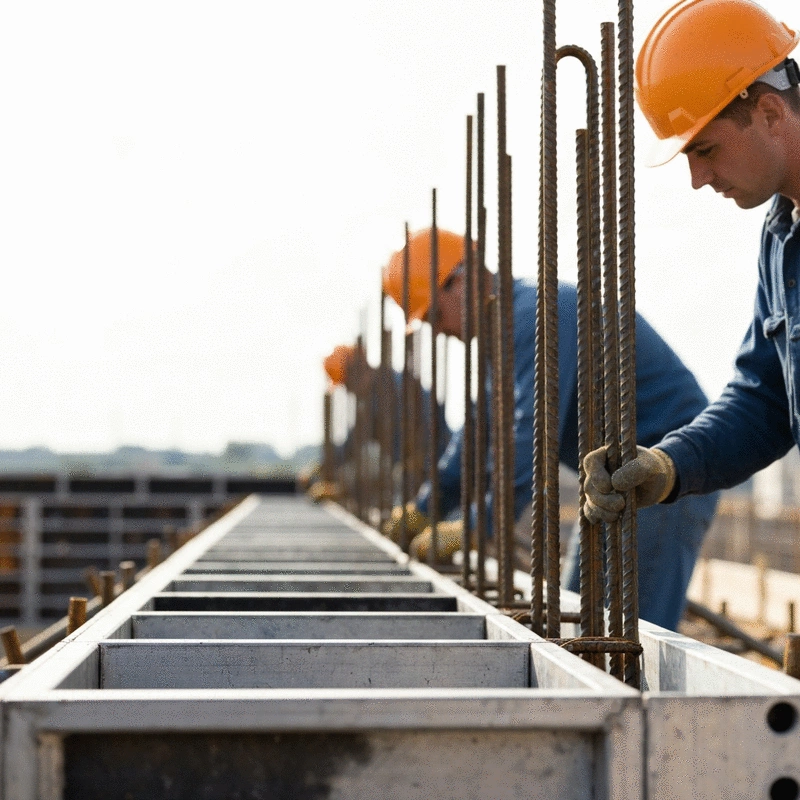
What if a simple change in your construction method could not only save time but also enhance the safety and durability of your projects? The integration of aluminum formwork systems can dramatically transform your approach to concrete slab construction, making it more efficient and reliable.
What You Will Learn
- The critical role of rebar in enhancing structural integrity within aluminum formwork.
- Common rebar configurations and their applications in various construction projects.
- A step-by-step guide to the aluminum formwork installation sequence for optimal results.
- Best practices for fixing conduits and ensuring proper panel assembly during installation.
- Effective rebar tying techniques to maintain stability and support during the concrete pour.
- The importance of detailed planning in minimizing conflicts and ensuring smooth construction processes.
- How high-quality materials impact the efficiency and longevity of your projects.
Aluminum Formwork Installation: Key Stages and Reinforcement
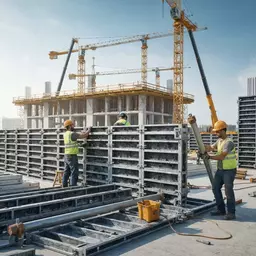
The following visual illustrates the critical steps in aluminum formwork installation, emphasizing the integration of rebar for structural integrity and the methodical panel assembly process.
Role of Rebar in Structural Integrity
- Reinforces strength against tensile forces.
- Prevents cracking during concrete curing.
- Ensures longevity and reduces maintenance.
Common Rebar Configurations
- Standard grid layout for even load distribution.
- Stirrups & ties for vertical elements (columns).
- Custom shapes for complex designs/loads.
Panel Stacking & Marking Process
- Start with largest panels at the bottom.
- Align panels to marked lines for precision.
- Use braces to secure during marking phase.
Rebar Tying Techniques
- Use high-quality tying wire for durability.
- Wrap and twist each tie at least 3 times.
- Maintain specified spacing for even load.
Essential Steps for Successful Aluminum Formwork Installation
When embarking on a project with aluminum formwork, it's crucial to follow specific steps for a successful installation. This method not only enhances structural integrity but also streamlines the construction process. With my experience at Concrete Slab Innovations, I've seen firsthand how these essential steps can transform your project into a seamless operation!
Let's dive into the foundational aspects of aluminum formwork installation, particularly focusing on the role of rebar, which is a vital component in ensuring a solid structure.
Understanding the Role of Rebar in Aluminum Formwork
Rebar acts as the backbone of any concrete structure, providing the necessary support to withstand loads. By integrating rebar effectively within aluminum formwork, we can significantly enhance the overall structural integrity of the slab.
- Reinforces strength: Rebar helps absorb tensile forces that concrete alone cannot handle.
- Prevents cracking: Properly placed rebar minimizes the risk of cracks during curing.
- Ensures longevity: A well-reinforced slab lasts longer, reducing future maintenance costs.
Understanding how rebar functions within your formwork is essential for achieving a durable and reliable structure. Now, let’s explore some common configurations of rebar that suit different applications.
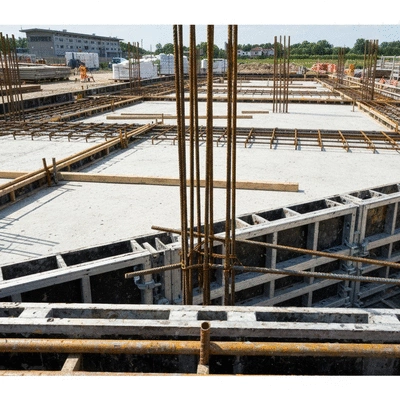
Importance of Rebar in Structural Integrity
The placement and configuration of rebar play a critical role in maintaining the stability of your concrete slab. Correctly installed rebar distributes loads evenly, ensuring that any stresses encountered during use are managed effectively. Without proper rebar integration, the risk of failure increases significantly.
Common Rebar Configurations for Different Applications
Different projects may require unique rebar configurations based on design specifications. Here are some common set-ups:
- Standard grid layout: Typically used in residential projects for even load distribution.
- Stirrups and ties: Essential for vertical elements like columns to resist shear forces.
- Custom shapes: Tailored configurations for complex designs or specific load requirements.
By selecting the right configuration, you can optimize the strength and flexibility of your structure. Next, we'll detail the installation sequence for aluminum formwork, ensuring that every step is clear and precise.
Detailed Installation Sequence for Aluminum Formwork
Successfully installing aluminum formwork involves a methodical approach. Let's break down the steps to ensure a smooth installation process.
- Preparation: Survey the site and ensure it’s ready for formwork installation.
- Stacking panels: Arrange panels in the designated location to facilitate easy access during assembly.
- Marking layout: Clearly mark where each panel will be placed based on project plans.
Following these steps provides a foundation for a successful installation. We'll now focus on rebar tying techniques, which are vital for optimal support during the pouring process.
Step-by-Step Process for Stacking and Marking Panels
When stacking aluminum formwork panels, it's essential to ensure they are organized and correctly positioned. Here’s how to do it:
- Start with the largest panels at the bottom.
- Align panels according to marked lines for precise placement.
- Use braces to secure the structure during the marking phase.
This careful preparation sets the stage for a solid installation. Now, let’s discuss rebar tying techniques that support the overall system.
Rebar Tying Techniques for Optimal Support
Proper rebar tying is essential for maintaining the integrity of your formwork. Here are some effective techniques:
- Use tying wire: Select high-quality wire for durability when securing rebar intersections.
- Wrap and twist: Ensure each tie is wrapped around at least three times for enhanced stability.
- Maintain spacing: Follow project specifications for spacing between rebar to ensure even load distribution.
Implementing these techniques fosters a secure environment for concrete pouring, paving the way for a successful project completion.
Fixing Conduits and Service Openings within the Formwork
Before pouring concrete, it’s crucial to fix any conduits and service openings into the formwork. This ensures that systems are fully integrated without compromising structural integrity. Here are some best practices:
- Plan ahead: Identify all necessary service openings during the design phase.
- Use spacers: Incorporate spacers to maintain the correct position of conduits during the pour.
- Check alignment: Verify that all conduits are aligned correctly with the planned layout.
Attention to detail in this step can save significant time and resources later in the project.
Panel Assembly and Beam/Prop Setup Before Pouring
Once conduits are fixed, the focus shifts to assembling the aluminum panels and setting up beams or props. This is a vital stage that ensures everything is secure for the concrete pour. Key actions include:
- Assemble panels: Connect panels securely using the appropriate fasteners.
- Install beams: Position beams to provide additional support as needed.
- Perform final checks: Ensure everything is level and aligned before moving on.
With these steps completed, you're well on your way to a successful concrete pour! The planning and careful execution of these steps will pay off in the long run. Understanding each phase of this process is essential for any construction professional looking to adopt aluminum formwork systems.
Pro Tip
To enhance the efficiency of your aluminum formwork installation, consider utilizing BIM (Building Information Modeling) technology. This not only allows for better visualization of the project but also aids in identifying potential conflicts before they arise, ultimately saving time and resources during the construction process.
Frequently Asked Questions about Aluminum Formwork Installation
- Q: Why is rebar important in aluminum formwork?
- A: Rebar provides critical structural support, absorbing tensile forces that concrete cannot withstand alone, preventing cracking during curing, and ensuring the longevity of the concrete structure.
- Q: What are common rebar configurations?
- A: Common configurations include standard grid layouts for even load distribution, stirrups and ties for vertical elements like columns, and custom shapes for complex designs or specific load requirements.
- Q: What is the first step in installing aluminum formwork?
- A: The first step is thorough site preparation, which involves surveying the site and ensuring it is ready for the formwork installation process.
- Q: How should aluminum formwork panels be stacked?
- A: Panels should be stacked with the largest at the bottom, aligned according to marked lines for precise placement, and secured with braces during the marking phase.
- Q: What are best practices for rebar tying?
- A: Best practices include using high-quality tying wire, wrapping and twisting each tie at least three times for stability, and maintaining specified spacing for even load distribution.
- Q: How does detailed planning affect aluminum formwork projects?
- A: Detailed planning is crucial for ensuring all components, including rebar and services, are seamlessly integrated, minimizing potential conflicts, and promoting a smoother construction process.
Summarizing Key Insights on Aluminum Formwork Integration
As we wrap up this discussion on aluminum formwork integration, it’s clear that adopting best practices can significantly enhance project outcomes. The effective use of aluminum formwork not only improves efficiency but also boosts safety and structural integrity. By understanding and implementing these key insights, you can pave the way for successful projects.
One crucial takeaway is the importance of detailed planning. Comprehensive planning ensures that all components, from rebar to services, are seamlessly integrated into the formwork design. This thoughtful approach minimizes potential conflicts and promotes a smoother construction process, as highlighted in research on optimization of formwork planning.
Final Thoughts on Best Practices for Integration
Reflecting on the importance of detailed planning, I can't emphasize enough how it lays the groundwork for project success. When everyone on the team understands their roles and the specific requirements of the aluminum formwork system, it leads to better collaboration and fewer errors.
- Establish clear communication among team members.
- Conduct thorough site assessments prior to installation.
- Utilize advanced technologies like BIM for better visualization.
Additionally, encouraging continuous learning and improvement in practices is vital. The construction industry is always evolving, and staying updated on new techniques and materials can make a significant difference. Embrace training opportunities and share knowledge with your team.

Understanding the Impact of Construction Materials on Project Success
Understanding the impact of construction materials on project success is another essential insight. The choice of materials, including the aluminum used in formwork, directly influences the durability and efficiency of the build. High-quality materials not only enhance structural integrity but also contribute to long-term savings, as detailed in studies on construction material selection and sustainability. Furthermore, research from Kennesaw State University confirms the significant impact of material selection on project efficiency and longevity.
As professionals in the construction industry, we must recognize that these decisions affect not just our projects but the broader environment as well. Therefore, being mindful of material selection is not just a technical choice; it's a commitment to sustainability and quality.
Call to Action for Professionals in the Industry
Now that we've covered these vital insights, I encourage you to engage with community resources and forums for further support. Networking with fellow professionals can provide invaluable perspectives and solutions to common challenges. Participating in discussions can help you stay at the forefront of industry trends.
Inviting Feedback and Experiences from Readers to Foster Dialogue
I would love to hear your feedback and experiences related to aluminum formwork integration. Your insights can foster a dialogue that benefits us all. Whether you’ve faced challenges or discovered innovative solutions, sharing your stories can create a supportive environment for continuous improvement.
Promoting Collaboration for Enhanced Labor Efficiency and Project Scheduling
Lastly, let’s promote collaboration for enhanced labor efficiency and project scheduling. Working together allows us to streamline processes and optimize the use of our resources. As we build stronger networks in our industry, we can collectively elevate our standards and practices.
In conclusion, let’s commit to integrating the best practices we’ve discussed and continue pushing the boundaries of what’s possible in aluminum formwork. Are you ready to take your projects to the next level? Let’s make innovation a priority in our work!
Recap of Key Points
Here is a quick recap of the important points discussed in the article:
- Understand the Role of Rebar: Rebar is essential for reinforcing strength, preventing cracking, and ensuring the longevity of concrete structures.
- Follow a Detailed Installation Sequence: Proper preparation, stacking, and marking of aluminum formwork panels are critical for success.
- Employ Effective Rebar Tying Techniques: Use durable tying wire, maintain proper spacing, and ensure ties are secure for optimal support.
- Fix Conduits and Service Openings Properly: Plan ahead, use spacers, and check alignment to avoid conflicts during the concrete pour.
- Promote Collaboration and Continuous Learning: Establish clear communication among team members and stay updated on best practices and innovations in the industry.

Aidan Cromwell
Aidan Cromwell is a seasoned construction professional and industry expert with a passion for innovative building solutions. With extensive experience in concrete slab construction and a deep understanding of modular formwork systems, Aidan strives to educate and empower contractors, engineers, and project managers. His insights are grounded in practical knowledge and a commitment to advancing construction efficiency and safety.
Popular Posts
Aluminum Formwork and Carbon Reduction
![Aluminum Formwork and Carbon Reduction]() What if the way we build could significantly impact our planet's future? Embracing aluminum formwork
What if the way we build could significantly impact our planet's future? Embracing aluminum formwork
 What if the way we build could significantly impact our planet's future? Embracing aluminum formwork
Aluminum Formwork: Storage and Transport
![Aluminum Formwork: Storage and Transport]() What if the longevity of your aluminum formwork could be dramatically increased just by changing how
What if the longevity of your aluminum formwork could be dramatically increased just by changing how
 What if the longevity of your aluminum formwork could be dramatically increased just by changing how
Train Your Crew for Efficient Assembly
![Train Your Crew for Efficient Assembly]() Investing in training can transform your construction project outcomes. With proper techniques and k
Investing in training can transform your construction project outcomes. With proper techniques and k
 Investing in training can transform your construction project outcomes. With proper techniques and k
Aluminum Formwork Load Engineering Guidelines
![Aluminum Formwork Load Engineering Guidelines]() Consider this: a single miscalculation in load engineering can lead to structural failures and finan
Consider this: a single miscalculation in load engineering can lead to structural failures and finan
 Consider this: a single miscalculation in load engineering can lead to structural failures and finan
