Understanding Residential Concrete Slabs

Considering building a home? The foundation can make or break your project. Do you know why a concrete slab is crucial for stability and longevity? Dive into the essentials of residential concrete slabs and discover how they can significantly impact your construction plans.
What You Will Learn
- A concrete slab provides a stable foundation, distributing weight evenly and ensuring structural integrity.
- Different types of slabs (slab-on-grade, basement slabs, elevated slabs) serve unique purposes based on climate and design needs.
- Concrete slabs are durable, low maintenance, energy-efficient, and cost-effective, making them a wise investment for homeowners.
- The strength and durability of a slab depend heavily on the concrete mix, which should be tailored to the specific project requirements.
- Key considerations for selecting a concrete slab include thickness, design, site preparation, and mix to meet structural needs.
- Using a concrete calculator can help you estimate material costs and ensure accurate ordering, minimizing waste and expenses.
Essential Aspects of Residential Concrete Slabs
Understanding the types of residential concrete slabs, their benefits, and the role of the concrete mix is crucial for any construction project. Below is a visual representation of these key aspects.
Types of Residential Concrete Slabs
- Slab-on-GradeWarm Climates
- Basement SlabsBelow Ground
- Elevated SlabsFlood Prone
Key Benefits of Concrete Slabs
Durability: Lasts for decades
Low Maintenance: Minimal upkeep
Energy Efficiency: Thermal mass
Cost-Effective: Wise investment
Concrete Mix Components
Aggregate: Sand, Gravel, Stone
Cement: Binding Agent for Strength
Water: Activates Cement, Cures Properly
Key Considerations for Slab Decision
Slab Type: Stamped vs. Plain
Thickness & Design: Structural Needs
Site Preparation: Stable Foundation
Concrete Mix: Strength & Durability
Understanding Residential Concrete Slabs and Their Importance
When it comes to building a home, one of the most critical components is the residential concrete slab. But what exactly is it? A concrete slab serves as the foundation for various structures, providing stability and support for everything built on top of it. In this section, we'll delve into the essential features of residential concrete slabs and why they are indispensable in construction.
Concrete slabs are flat, horizontal surfaces made of concrete that can be poured directly onto the ground, creating a solid base for floors, patios, and driveways. They come in various thicknesses and designs, tailored to meet specific structural needs. Understanding the fundamentals of these slabs can help you appreciate their importance in your construction projects!

What is a Residential Concrete Slab?
A residential concrete slab is essentially a thick, usually rectangular, piece of concrete that is designed to be placed horizontally. These slabs provide a level surface for the foundation of a house or other structures, helping to distribute weight evenly. They can be designed as slab-on-grade, which means they rest directly on the ground, or they can be part of a more complex foundation system.
- Slab-on-Grade: Directly sits on the ground, ideal for warmer climates.
- Basement Slabs: Used in homes with basements, providing a foundation below the ground level.
- Elevated Slabs: Supports structures above ground, often used in flood-prone areas. For additional guidance on residential construction standards, including elevated slabs, you can refer to the Texas General Land Office's Housing Construction Specifications.
In my experience with Concrete Slab Innovations, I’ve found that understanding the type of slab needed can greatly impact the overall quality and longevity of a residential project. Each type has its own unique benefits and requirements!
Key Benefits of Choosing Concrete for Residential Projects
Opting for a concrete slab for your residential project comes with multiple advantages. Here are some key benefits:
- Durability: Concrete slabs can last for decades when appropriately installed and maintained.
- Low Maintenance: Once set, they require minimal upkeep compared to other materials.
- Energy Efficiency: Concrete has excellent thermal mass properties, helping to keep homes cool in summer and warm in winter.
- Cost-Effective: While initial costs can be higher, the longevity and low maintenance often make concrete a wise investment.
These benefits make concrete an excellent choice for homeowners looking to create a sturdy and reliable foundation. As you plan your residential project, keep these advantages in mind!
The Role of Concrete Mix in Strength and Durability
The strength and durability of a concrete slab significantly depend on the mix used in its composition. A well-designed concrete mix incorporates the right proportions of aggregate, water, and cement to achieve optimal performance. For detailed information on concrete mixes and their properties, the American Concrete Institute (ACI) provides comprehensive guides on residential concrete applications.
- Aggregate: Includes sand, gravel, or crushed stone—providing bulk and strength to the mix.
- Cement: The binding agent that hardens and gives strength to the concrete.
- Water: Activates the cement and allows it to cure properly, affecting the final strength.
As a construction professional, I always emphasize the importance of selecting an appropriate concrete mix tailored to your project's specific needs. Whether it's for a patio or a foundation, the right mix ensures that your slab will stand the test of time!
We Want to Hear From You!
What do you think about the importance of selecting the right type of concrete slab for your residential project? Share your thoughts below:
Making an Informed Decision on Your Residential Concrete Slab
Deciding on the right concrete slab for your home is a significant step, and it’s essential to weigh various factors before you dive in. Whether you're considering durability, cost, or aesthetic appeal, understanding these key considerations will help you make an informed choice. At Concrete Slab Innovations, we emphasize the importance of thorough planning to ensure your project aligns with your vision and budget.
Here’s a quick recap of the key considerations you should keep in mind:
- Type of Concrete Slab: Select between options like stamped or plain concrete based on your desired look and functionality.
- Thickness and Design: Assess factors influencing the thickness of your slab for the intended use, ensuring it meets structural requirements. The California Department of Transportation's Construction Manual offers insights into concrete specifications and standards that can be broadly applied to understanding structural needs.
- Site Preparation: Proper site prep is crucial to achieving a stable foundation and avoiding issues down the line.
- Concrete Mix: Choose a mix that provides the right balance of strength and durability for residential applications.
Having these factors in mind will equip you with the knowledge needed to proceed confidently with your project!
Next Steps: How to Get Started with Your Concrete Installation
Now that you’re familiar with the essential considerations, the next step is to take action. Here’s a straightforward guide to help you get started with your concrete installation:
- Research Local Contractors: Look for reputable concrete contractors in your area. Check online reviews and ask for recommendations.
- Request Quotes: Obtain quotes from multiple contractors to compare prices and services. Make sure they include details on materials and labor.
- Schedule a Consultation: Meet with your selected contractor to discuss your project needs, timeline, and any specific requirements you have.
- Finalize Your Contract: Once you’re satisfied with the proposal, finalize the contract. Ensure it outlines all aspects of the project, including payment terms.
Taking these steps will put you on the path to a successful concrete slab installation!
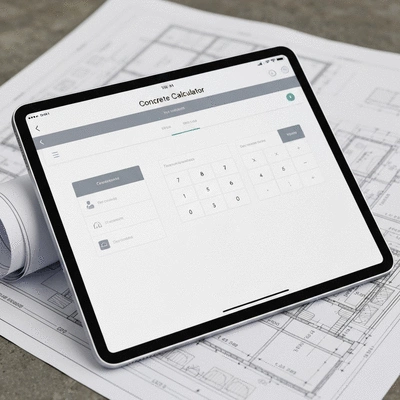
Utilizing a Concrete Calculator for Accurate Cost Estimation
Before you commit to your project, it’s wise to get a handle on costs. A concrete calculator can be a valuable tool in estimating how much concrete you’ll need and the potential costs involved. Here’s how to effectively use a concrete calculator:
- Input Measurements: Enter the dimensions of your slab—length, width, and depth—to calculate the volume of concrete required.
- Select Concrete Mix: Choose the type of concrete mix you plan to use, as different mixes can vary in price.
- Calculate Overall Costs: The calculator can provide a rough estimate of material costs, helping you budget effectively.
Using a concrete calculator not only aids in budget planning but also helps ensure you order the right amount of concrete, minimizing waste and excess costs. Remember, at Concrete Slab Innovations, we're here to support you through the entire process, offering insights and resources to empower your decision-making!
Frequently Asked Questions (FAQs)
- What is the primary purpose of a residential concrete slab?
- A residential concrete slab serves as a stable foundation for various structures, distributing weight evenly and ensuring structural integrity and longevity for the home.
- What are the main types of residential concrete slabs?
- The main types include slab-on-grade (for warmer climates, directly on the ground), basement slabs (for homes with basements), and elevated slabs (often used in flood-prone areas).
- What are the key benefits of using concrete slabs for residential projects?
- Concrete slabs are highly durable, require low maintenance, offer energy efficiency due to their thermal mass properties, and are cost-effective in the long run.
- How does the concrete mix affect the strength and durability of a slab?
- The concrete mix, comprising aggregate, cement, and water, is crucial. The right proportions ensure optimal strength and durability, tailored to the project's specific needs.
- What factors should be considered when choosing a concrete slab?
- Key considerations include the slab type (e.g., stamped vs. plain), thickness and design (to meet structural needs), proper site preparation for a stable foundation, and selecting the appropriate concrete mix for strength and durability.
- How can a concrete calculator help with my project?
- A concrete calculator helps estimate the volume of concrete needed by inputting dimensions, allows for selection of concrete mix type, and provides a rough estimate of material costs, aiding in budget planning and minimizing waste.
Recap of Key Points
Here is a quick recap of the important points discussed in the article:
- A residential concrete slab serves as a crucial foundation, providing stability and support for structures.
- Different types of slabs include slab-on-grade, basement, and elevated slabs, each tailored for specific needs.
- Key benefits of concrete slabs are their durability, low maintenance, energy efficiency, and cost-effectiveness.
- Selecting the right concrete mix is vital for achieving the desired strength and durability of the slab.
- Consider factors such as slab type, thickness, site preparation, and concrete mix during your decision-making process.

Aidan Cromwell
Aidan Cromwell is a seasoned construction professional and industry expert with a passion for innovative building solutions. With extensive experience in concrete slab construction and a deep understanding of modular formwork systems, Aidan strives to educate and empower contractors, engineers, and project managers. His insights are grounded in practical knowledge and a commitment to advancing construction efficiency and safety.
Popular Posts
Aluminum Formwork and Carbon Reduction
![Aluminum Formwork and Carbon Reduction]() What if the way we build could significantly impact our planet's future? Embracing aluminum formwork
What if the way we build could significantly impact our planet's future? Embracing aluminum formwork
 What if the way we build could significantly impact our planet's future? Embracing aluminum formwork
Aluminum Formwork: Storage and Transport
![Aluminum Formwork: Storage and Transport]() What if the longevity of your aluminum formwork could be dramatically increased just by changing how
What if the longevity of your aluminum formwork could be dramatically increased just by changing how
 What if the longevity of your aluminum formwork could be dramatically increased just by changing how
Train Your Crew for Efficient Assembly
![Train Your Crew for Efficient Assembly]() Investing in training can transform your construction project outcomes. With proper techniques and k
Investing in training can transform your construction project outcomes. With proper techniques and k
 Investing in training can transform your construction project outcomes. With proper techniques and k
Aluminum Formwork Load Engineering Guidelines
![Aluminum Formwork Load Engineering Guidelines]() Consider this: a single miscalculation in load engineering can lead to structural failures and finan
Consider this: a single miscalculation in load engineering can lead to structural failures and finan
 Consider this: a single miscalculation in load engineering can lead to structural failures and finan
