Concrete Slab Support vs Footing
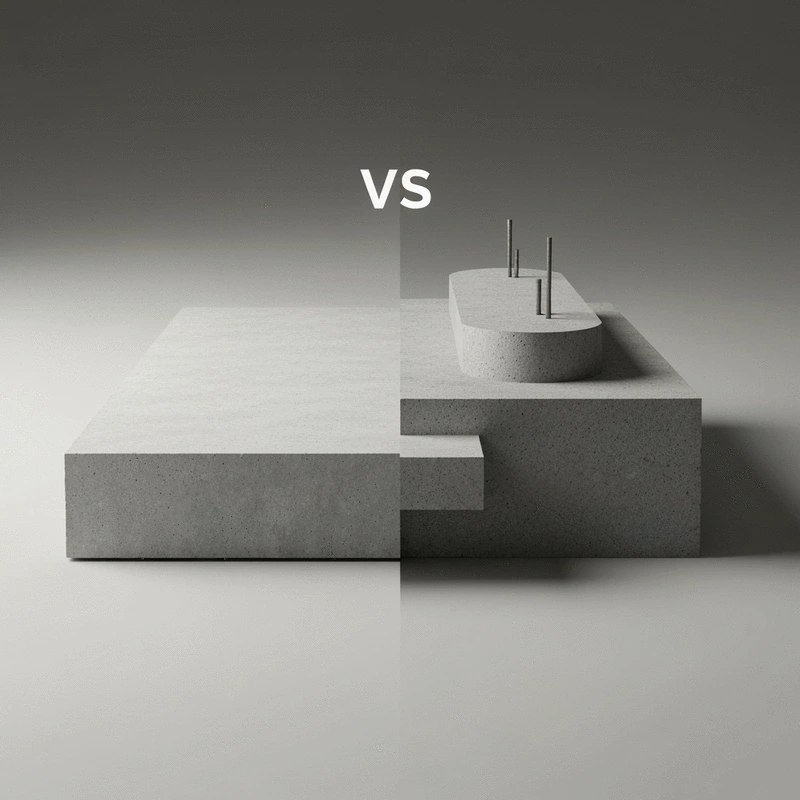
Did you know that the foundation of a building is often its most overlooked component? Proper understanding and maintenance of concrete slabs and footings can be the difference between a structure that stands the test of time and one that faces costly repairs. Let's explore the essential insights that will empower you in your construction projects.
What You Will Learn
- Concrete slabs provide a strong, stable base, acting as barriers against moisture while supporting various loads.
- Footings prevent settling by distributing weight and anchoring structures to stable soil, essential for tall buildings.
- Regular maintenance of slabs and footings includes inspecting for cracks, erosion, and moisture issues to prolong lifespan.
- Timely repairs, such as crack injection and underpinning, can drastically improve the durability of your foundation.
- Effective drainage solutions, like French drains and proper grading, are vital in protecting against water damage and soil erosion.
Concrete Slabs vs. Footings: Function and Maintenance
This visual outlines the distinct purposes, maintenance considerations, and repair options for concrete slabs and footings, essential components in construction.
Concrete Slabs: Purpose & Function
A flat, horizontal surface supporting loads from above and providing a durable flooring base.
- Provides stable base for flooring.
- Acts as a moisture barrier.
- Used in residential and commercial.
KEY TRAIT: Surface Support
Footings: Foundation of Stability
Integral part of the foundation system, supporting structure weight and ensuring stability.
- Distributes weight evenly.
- Prevents settling and shifting.
- Essential for tall buildings.
KEY TRAIT: Load Distribution
Maintenance: Regular Checks are Key
Routine inspections prevent minor issues from escalating, saving costs and prolonging life.
- Inspect for cracks/shifts.
- Check for erosion/settling.
- Monitor moisture & vegetation.
ACTION: Preventative Care
Repair Options: Timely Action
Addressing issues like cracks or settling immediately to prevent further damage and costly repairs.
- Crack injection for minor issues.
- Underpinning for settling.
- Soil stabilization, surface repair.
ACTION: Corrective Measures
Drainage: Protecting Your Foundation
Proper drainage systems divert water away, reducing risk of damage and soil erosion.
- French drains for channeling water.
- Downspout extensions.
- Proper soil grading.
ACTION: Water Management
Recommendations: Informed Decisions
Select foundation types based on soil, climate, and building needs; consult professionals.
- Adhere to engineering standards.
- Ensure building code compliance.
- Consult construction experts.
ACTION: Strategic Planning
Understanding Concrete Slabs and Footings: Key Definitions
When we dive into the world of construction, understanding the basic components like concrete slabs and footings is essential. These elements form the backbone of any structure, providing necessary support and stability. Let's break down these terms and explore their purposes in building projects.
What is a Concrete Slab and its Purpose?
A concrete slab is a flat, horizontal surface made of cast concrete, commonly used as a structural element in buildings. Its primary purpose is to support loads from above while providing a durable surface for various applications, such as flooring in homes and commercial structures. Think about it—every time you walk into a building, you're typically walking on a concrete slab!
- Provides a strong, stable base for flooring systems
- Acts as a barrier against moisture from the ground
- Can be used for both residential and commercial buildings
In my experience at Concrete Slab Innovations, adopting modern aluminum formwork systems has made the process of pouring slabs more efficient and safer. For more detailed insights into concrete technology, you can refer to resources from the American Concrete Institute. The lightweight design of these systems helps streamline the construction process, saving both time and costs.
Defining Footings: The Foundation of Stability
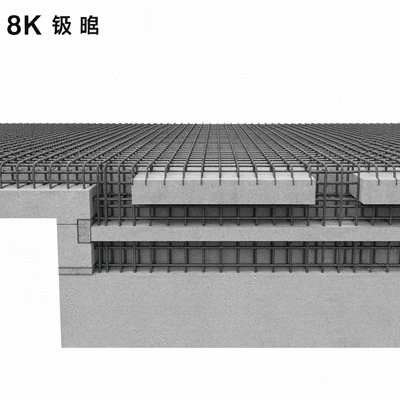
Footings are an integral part of the foundation system, designed to support the weight of a structure and ensure its stability. Typically made of concrete, footings transfer loads from the structure to the ground, preventing settling and shifting over time. Without proper footings, buildings can suffer from serious structural issues, leading to costly repairs down the line.
- Distributes weight evenly across a larger area
- Prevents settling by anchoring structures to stable soil
- Essential for tall buildings and those on uneven terrain
Understanding the role of footings is crucial for any construction project. For comprehensive guidelines on foundation design and construction for residential buildings, the National Institute of Standards and Technology (NIST) provides valuable information. At Concrete Slab Innovations, we emphasize the importance of selecting the right footing type based on soil conditions and building requirements, ensuring long-lasting performance and safety.
Pro Tip
To extend the life of your concrete slabs and footings, consider implementing a proactive maintenance plan. Regularly check for signs of wear and tear, and address small issues before they escalate. This could save you significant costs in repairs and ensure your foundation remains strong and stable for years to come!
Maintaining Your Foundation: Inspection and Repair Strategies
Proper maintenance of your concrete slabs and footings is essential to ensuring longevity and stability. Just like any other part of a building, these foundational elements require regular check-ups to catch potential problems early. Maintenance not only prolongs the life of your slab or footing but also saves you money in the long run by avoiding costly repairs.
At Concrete Slab Innovations, we always remind contractors and engineers to establish a routine maintenance schedule. Regular inspections can help identify signs of distress before they escalate into major issues. Here are some key maintenance tasks to consider:
- Inspect for cracks or shifts in the surface.
- Check for erosion or settling around the foundation.
- Look for signs of moisture accumulation or drainage issues.
- Monitor any vegetation growth that might indicate soil movement.
By keeping an eye on these factors, you can ensure your concrete slabs and footings remain in optimal condition. Regular maintenance could prevent severe complications down the road!
Repair Options: When and How to Act
Identifying when to repair your concrete slabs or footings can be daunting. However, knowing the signs can help you act swiftly! Common issues include cracks, settling, and water damage. If you notice any of these problems, it’s crucial to address them immediately to prevent further damage.
Here are some effective repair options to consider:
- Crack Injection: For minor cracks, polyurethane or epoxy injections can restore structural integrity.
- Underpinning: If settling is a concern, underpinning can reinforce and stabilize your footing.
- Soil Stabilization: Techniques like compaction grouting can be used to improve weak soil around your foundation.
- Surface Repair: For damaged slabs, resurfacing with a concrete overlay can provide a new, clean appearance.
Remember, timely repairs can drastically improve the lifespan of your foundation and prevent costly future issues. Don't wait until it's too late!

The Role of Foundation Drainage in Preventing Damage
Drainage is often an overlooked aspect of foundation maintenance, yet it plays a vital role in preserving the integrity of your concrete slabs and footings. Proper drainage systems help direct water away from the foundation, reducing the risk of water damage and soil erosion. Without effective drainage, moisture can accumulate, leading to cracking and settling.
Here are some essential drainage solutions to implement:
- French Drains: These can channel water away from the foundation effectively.
- Downspout Extensions: Ensure your downspouts direct water at least 3-4 feet away from the footing.
- Grading: The soil should slope away from the foundation to promote proper drainage.
- Surface Drainage Systems: Install trenches or channel drains to collect and redirect water.
By prioritizing effective drainage, you can protect your foundations and enhance the durability of your concrete slabs and footings. It’s a small investment that can save you from major repair costs later on!
Summary of Key Differences and Final Recommendations
Recap of Concrete Slab vs Footing Insights
As we’ve discussed, concrete slabs and footings each serve unique roles in foundation construction. Understanding these distinctions is crucial for making informed decisions. While slabs offer a broad support surface, footings provide essential stability and load distribution. Each has its pros and cons, depending on the project requirements!
Next Steps: Making an Informed Decision for Your Build
When it comes to selecting the right foundation type, it’s important to weigh the options based on factors such as soil type, climate, and the specific needs of your building. Taking the time to assess all variables will lead to better long-term results. Remember, consultation with a construction professional can provide valuable insights tailored to your project!
Considering Engineering Standards for Safe Foundation Practices
Lastly, always adhere to local engineering standards and building codes. Compliance ensures not only the safety and durability of your structures but also enhances the overall quality of your work. For guidance on best practices in foundation engineering, you can refer to publications by the Federal Highway Administration (FHWA). At Concrete Slab Innovations, we emphasize the importance of staying updated on these practices to safeguard your projects effectively.
Recap of Key Points
Here is a quick recap of the important points discussed in the article:
- Concrete slabs provide a stable base and act as a moisture barrier, essential for flooring.
- Footings distribute weight and prevent settling, crucial for building stability.
- Regular maintenance, including inspections for cracks and moisture, is vital for longevity.
- Timely repairs can prevent major structural issues and enhance foundation lifespan.
- Effective drainage systems, like French drains, are key to protecting foundations from water damage.
- Always adhere to local engineering standards to ensure safety and quality in construction.
Frequently Asked Questions (FAQs)
What is the primary difference between a concrete slab and a footing?
A concrete slab is a flat, horizontal surface that provides a stable base for flooring and acts as a moisture barrier. Footings, on the other hand, are an integral part of the foundation system designed to support the weight of a structure by distributing loads to the ground, preventing settling and shifting.
Why is regular maintenance important for concrete slabs and footings?
Regular maintenance, including inspections for cracks, shifts, erosion, and moisture issues, is crucial for prolonging the lifespan of your foundation. It helps identify minor problems before they escalate into costly repairs and ensures the long-term stability and safety of the structure.
What are common repair options for foundation issues?
Common repair options include crack injection for minor cracks, underpinning to reinforce and stabilize footings experiencing settling, soil stabilization techniques to improve weak soil, and surface repair for damaged slabs using concrete overlays.
How does proper drainage protect a foundation?
Proper drainage systems, such as French drains, downspout extensions, and correct soil grading, divert water away from the foundation. This reduces the risk of water damage, soil erosion, and moisture accumulation, which can lead to cracking and settling of concrete slabs and footings.
What should be considered when selecting a foundation type for a building?
When selecting a foundation type, it's important to consider factors such as soil type, climate, and the specific needs of the building. Adhering to local engineering standards and building codes, and consulting with construction professionals, are also essential for making informed decisions and ensuring safety and durability.

Aidan Cromwell
Aidan Cromwell is a seasoned construction professional and industry expert with a passion for innovative building solutions. With extensive experience in concrete slab construction and a deep understanding of modular formwork systems, Aidan strives to educate and empower contractors, engineers, and project managers. His insights are grounded in practical knowledge and a commitment to advancing construction efficiency and safety.
Popular Posts
Aluminum Formwork and Carbon Reduction
![Aluminum Formwork and Carbon Reduction]() What if the way we build could significantly impact our planet's future? Embracing aluminum formwork
What if the way we build could significantly impact our planet's future? Embracing aluminum formwork
 What if the way we build could significantly impact our planet's future? Embracing aluminum formwork
Aluminum Formwork: Storage and Transport
![Aluminum Formwork: Storage and Transport]() What if the longevity of your aluminum formwork could be dramatically increased just by changing how
What if the longevity of your aluminum formwork could be dramatically increased just by changing how
 What if the longevity of your aluminum formwork could be dramatically increased just by changing how
Train Your Crew for Efficient Assembly
![Train Your Crew for Efficient Assembly]() Investing in training can transform your construction project outcomes. With proper techniques and k
Investing in training can transform your construction project outcomes. With proper techniques and k
 Investing in training can transform your construction project outcomes. With proper techniques and k
Aluminum Formwork Load Engineering Guidelines
![Aluminum Formwork Load Engineering Guidelines]() Consider this: a single miscalculation in load engineering can lead to structural failures and finan
Consider this: a single miscalculation in load engineering can lead to structural failures and finan
 Consider this: a single miscalculation in load engineering can lead to structural failures and finan
