What is a Commercial Concrete Slab?
Reinforced concrete surface for stability and load distribution.
In the world of construction, selecting the right concrete slab is pivotal. Did you know that the type of slab can significantly influence the durability and aesthetics of your project? Here's what you can learn about commercial concrete slabs and their applications.
This visual breaks down essential information regarding commercial concrete slabs, including their main types and the critical steps involved in a successful project.
Reinforced concrete surface for stability and load distribution.
Thicker slabs support heavier loads; crucial for industrial use.
Invest upfront for durability and lower long-term maintenance.
When we talk about commercial concrete slabs, we're diving into a crucial element of construction. These slabs serve as the foundation for various structures, providing strength and stability. But what exactly is a commercial concrete slab? Let's explore this foundational topic together!
A commercial concrete slab is a flat, horizontal surface made from reinforced concrete, which is designed to support buildings and other heavy structures. These slabs are essential for distributing loads, ensuring that the structure above remains stable. In my experience at Concrete Slab Innovations, I've seen how the right slab can make all the difference in the success of a project!
Typically, these slabs are poured on-site or precast in a factory setting. The choice between these methods often depends on project specifications and timelines. Do you want to know more about how these different methods impact overall project efficiency? Let's look at the various types of commercial concrete slabs!
Understanding the types of concrete slabs can help you choose the right one for your project needs. Here are some common types:
Each type of slab has its own unique applications and benefits. For instance, flatwork concrete is often used in expansive areas where smooth, even surfaces are crucial. Have you considered how decorative concrete can enhance your project’s visual appeal? Let's break down these types further!
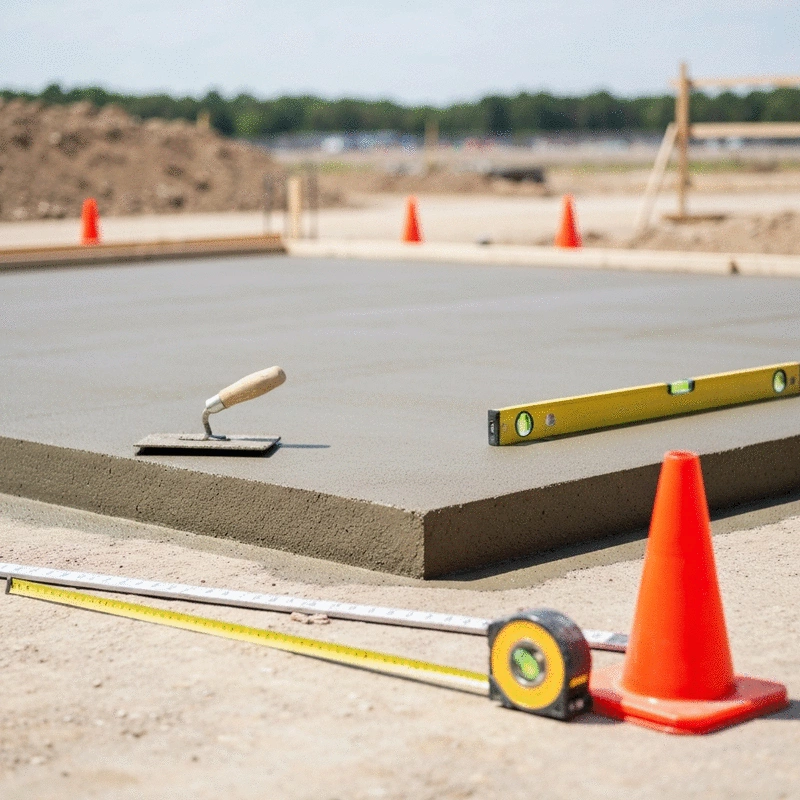
Flatwork concrete is typically used for large surfaces where a level finish is required. This type is incredibly popular for parking lots, driveways, and sidewalks due to its ability to cover vast spaces efficiently. It's crucial to ensure that these slabs are properly leveled and cured to prevent cracking or settling over time. You can find detailed specifications for concrete construction, including proper curing techniques, in resources like the California Department of Transportation's Construction Manual.
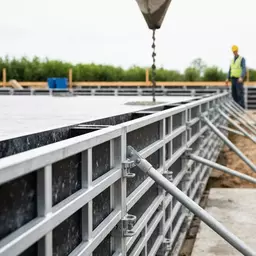
Moreover, the installation of flatwork concrete can be streamlined with aluminum formwork systems, enhancing your overall efficiency. Imagine reducing installation time and costs while maintaining quality!
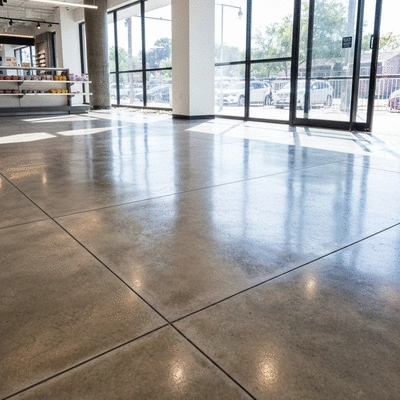
Decorative concrete serves the dual purpose of providing a functional surface while also enhancing the visual appeal of your space. This type includes stamped, stained, and polished concrete options. It’s perfect for commercial settings like retail spaces, where aesthetics matter just as much as durability.
With various finishes available, decorative concrete can be tailored to fit any design vision. Wouldn't it be nice to have a space that looks great and stands the test of time?
Reinforced concrete slabs incorporate steel rebar or mesh to enhance their load-bearing capacity. This makes them ideal for commercial buildings that require a strong foundation to support heavy equipment or machinery. Durability is key—with proper installation, these slabs can withstand significant stress and weather conditions. For comprehensive guidance on concrete specifications and reinforcement, refer to documents like the USDA's National Resources Conservation Service concrete specifications.
At Concrete Slab Innovations, we emphasize the importance of using high-quality materials to ensure that your reinforced concrete slab performs well under demanding conditions.
Precast concrete slabs are manufactured in a controlled environment and then transported to the construction site. This method offers several advantages, including faster installation times and consistent quality. Are you intrigued by the benefits of precast concrete?
Using precast elements can significantly reduce on-site labor costs and minimize construction waste. It's a fantastic option for projects with tight timelines!
The thickness of a concrete slab plays a vital role in its load-bearing capacity. Generally, thicker slabs can support heavier loads, making them suitable for industrial applications. Before finalizing your design, consider the specific load requirements for your project. Guidelines for various facility types, including aspects related to concrete slab design and load capacity, can be found in resources such as the Unified Facilities Criteria (UFC) for Floor Slabs for Department of Defense Facilities.
At Concrete Slab Innovations, we provide guidance on optimizing slab thickness for various applications, ensuring that you achieve both safety and efficiency in your construction projects.
Here's a brief recap of the key points discussed so far:
When considering a concrete slab investment, it's essential to weigh costs against benefits. You want to make sure that what you're spending aligns with the value you’ll receive in terms of durability, functionality, and aesthetics. At Concrete Slab Innovations, we understand that every construction project is unique, and making informed decisions can significantly impact your project's success.
Start by assessing your project's specific needs. Are you looking for long-term durability? How about aesthetics? Balancing these factors will help you determine the right type of concrete slab for your application. Remember, investing a bit more upfront can often lead to lower maintenance costs and longer lifespan down the road!
After you've evaluated your options, it's time to consider the next steps for your commercial concrete project. This process can seem daunting, but breaking it down into manageable parts makes it much more approachable.
Requesting free quotes is a fantastic way to get a clearer picture of costs involved. Most contractors will provide a detailed breakdown, helping you pinpoint where your investment is going. On the other hand, planning your project timeline is equally important. Consider the stages of your project and how they align with your overall goals. Are there deadlines you need to meet? Having a solid timeline can keep your project on track.
When reaching out to local contractors for quotes, be specific about what you need. This ensures that the contractors understand your requirements and can provide a tailored estimate. Don't hesitate to ask for clarifications; it's crucial to understand every aspect of the estimate.
These steps will help you gather meaningful information that empowers your decision-making process.
Understanding the timeline for your concrete slab project is essential. Typically, the installation process can take anywhere from a few days to several weeks, depending on the size and complexity of the project. Factors that can influence your timeline include:
Taking these factors into consideration will help you set realistic expectations for your project’s completion.
Never underestimate the importance of structural engineering in your concrete slab project! A qualified structural engineer can provide invaluable insights into your design and help ensure that your slab meets all necessary safety and building codes.
They can assist in determining the appropriate thickness and load-bearing capacity for your specific application, ensuring that your investment is both safe and efficient. Consulting with a professional can save you from potential headaches later on, making it a wise step in your planning process.
At Concrete Slab Innovations, we believe that consulting with concrete professionals is a vital part of successfully navigating your project. Their expertise can offer solutions that enhance both the quality and safety of your construction.
Engaging with concrete professionals not only provides you with technical knowledge but also with industry insights that can streamline your construction process. For instance, they can introduce you to innovative aluminum formwork systems that may improve efficiency while reducing costs.
As you embark on your project, you might have questions about commercial concrete slabs. Here are some common inquiries:
Understanding the installation and maintenance process will help you maintain the integrity of your concrete slabs for years to come. Proper care will ensure long-lasting performance and minimize the need for repairs.
We encourage you to explore our detailed guides and case studies available at Concrete Slab Innovations. These resources can provide you with deeper insights into best practices and innovative solutions for your concrete slab projects.
Finishing techniques play a significant role in the durability and aesthetics of your concrete slab. From smoothing the surface to applying protective sealants, the right finishing touches can enhance both performance and appearance.
Here is a quick recap of the important points discussed in the article:
Aidan Cromwell is a seasoned construction professional and industry expert with a passion for innovative building solutions. With extensive experience in concrete slab construction and a deep understanding of modular formwork systems, Aidan strives to educate and empower contractors, engineers, and project managers. His insights are grounded in practical knowledge and a commitment to advancing construction efficiency and safety.