As you embark on your journey into concrete slab design, consider this: the stability of a structure often hinges on one crucial element—the slab itself. How well do you understand the design principles that underpin this foundational aspect of construction?
What You Will Learn
Accurate specifications are essential for meeting structural demands and ensuring safety.
Understanding local environmental conditions can significantly influence design choices.
Utilizing the right reinforcement techniques can greatly extend the lifespan of your concrete slabs.
Effective management of curing and expansion joints is critical for crack prevention.
Key Considerations in Concrete Slab Design
Understanding the critical factors for effective concrete slab design ensures structural integrity and durability. Below is a comparison of essential elements.
Optimal Slab Thickness Factors
Type of Load: Live, dead, and environmental influences.
Soil Conditions: Affects support and stability.
Usage: Higher traffic or heavy equipment increase thickness.
Crucial for load-bearing capacity and stability.
Slab Reinforcement Techniques
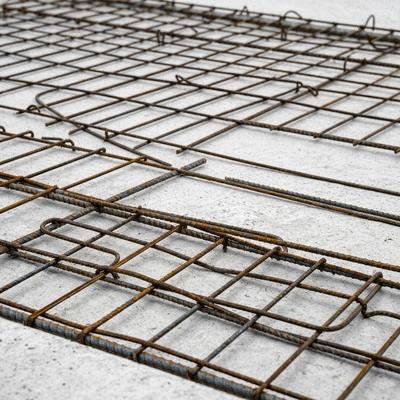
Rebar: Steel bars for tensile strength.
Fiber Reinforcement: Minimizes cracking.
Wire Mesh: Grid for crack support.
Extends lifespan and maintains structural integrity.
Reinforced vs. Pre-Stressed Concrete
Reinforced: Embedded steel bars handle tension.
Pre-Stressed: Steel tensioned before concrete placement.
Different approaches to improve slab strength.
Contractor Selection & Soil Bearing Capacity
Soil's Load-Bearing Ability: Impacts slab design.
Inadequate Capacity: Leads to structural failures.
At Concrete Slab Innovations, we believe that grasping the fundamentals of concrete slab design is crucial for anyone involved in the construction industry. So, what exactly is concrete slab design? It involves creating a structure that effectively handles loads while ensuring durability, safety, and efficiency. This process encompasses everything from determining the right materials to implementing the correct thickness and reinforcement techniques.
Understanding these design principles not only enhances the quality of the build but also allows professionals to optimize costs and reduce waste. Are you ready to dive deeper into the world of concrete slab design?
What is Concrete Slab Design?
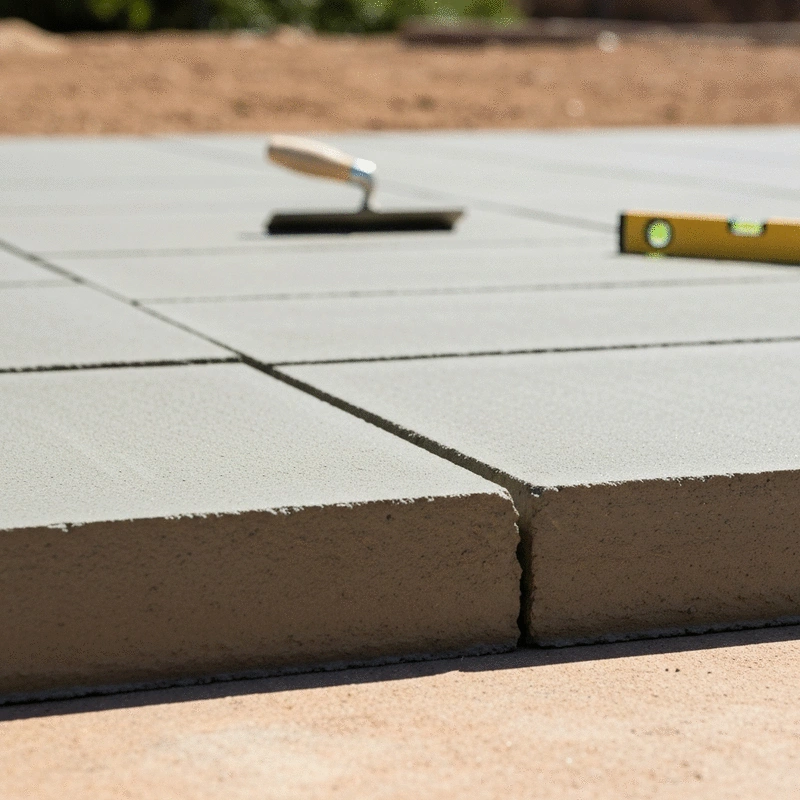
Concrete slab design refers to the planning and execution of flat horizontal surfaces made of concrete, which are used in a variety of structural applications. These slabs are essential components in buildings, bridges, and other infrastructure. A well-designed slab must account for various factors such as load-bearing capacity, environmental conditions, and construction methods. For a comprehensive overview of the design aspects, refer to Tekla Structural Designer's guide on concrete slab design.
Load Distribution: Understanding how loads are transferred through the slab to the supporting structures.
Durability: Ensuring the slab can withstand weather elements, heavy machinery, and other stresses.
Cost Efficiency: Designing slabs that minimize material usage while maximizing strength and performance.
By focusing on these aspects, we can create slabs that not only meet but exceed the expected performance standards.
The Importance of Proper Concrete Slab Specifications
Material Selection: Choosing the right concrete mix and additives can greatly affect the slab's longevity.
Thickness Requirements: Determining the optimal thickness ensures that the slab can handle expected loads without cracking.
Reinforcement Guidelines: Clearly outlining reinforcement techniques helps preserve the slab's integrity over time.
Ensuring these specifications are not only in place but also adhered to is essential for successful concrete slab construction. Are you making sure your projects start with a solid foundation?
Key Principles of Concrete Slab Design
When it comes to designing effective concrete slabs, certain key principles come into play. These principles guide us in making decisions that affect both the performance and safety of the slab throughout its lifespan. Let’s explore some of these essential elements.
Determining Optimal Concrete Slab Thickness
The thickness of a concrete slab is one of the most critical factors in its design. It can determine the slab's load-bearing capacity and overall stability. So how do we know what thickness is optimal? A few factors to consider include:
Type of load: Live loads, dead loads, and environmental factors all influence thickness.
Soil conditions: The type of soil beneath the slab can affect its support and stability.
Usage of the slab: Higher traffic areas or heavy equipment require increased thickness.
Ultimately, the right thickness can significantly improve both the durability and lifespan of your concrete slab!
Essential Slab Reinforcement Techniques for Durability
Ensuring your concrete slab is reinforced correctly is pivotal in extending its lifespan and maintaining its structural integrity. There are several techniques available, each designed to meet specific needs based on the project's requirements.
Understanding Different Types of Reinforcements
There are various reinforcement types to consider when designing your concrete slab:
Rebar: Steel bars placed within the slab to enhance tensile strength.
Fiber Reinforcement: Fibers mixed into the concrete to minimize cracking.
Wire Mesh: A grid of wires placed in the slab to provide support against cracking.
Choosing the right type of reinforcement can greatly influence the slab's effectiveness during its lifecycle.
Reinforced Concrete vs. Pre-Stressed Concrete: Key Differences
When choosing a reinforcement strategy, you may come across two popular methods: reinforced concrete and pre-stressed concrete. While both techniques aim to improve the strength of the slab, they do so in different ways:
Reinforced Concrete: Uses embedded steel bars to handle tension and prevent cracking.
Pre-Stressed Concrete: Involves tensioning the steel before concrete placement to improve load-bearing capacity and minimize deflection.
Understanding these differences can help you select the best method for your project needs.
Pro Tip
Did you know? Selecting the right reinforcement type for your concrete slab can drastically improve its longevity and performance. For high-traffic areas, consider using fiber reinforcement to minimize cracking, while rebar is ideal for enhancing tensile strength in standard applications. Make sure to evaluate the specific needs of your project to choose the most effective reinforcement strategy!
Frequently Asked Questions About Concrete Slab Design
What are the key factors influencing concrete slab thickness?
The optimal slab thickness is influenced by several factors including the type of load it will bear (live, dead, environmental), the prevailing soil conditions, and the intended usage of the slab (e.g., high traffic, heavy equipment).
Why is proper reinforcement crucial for concrete slabs?
Proper reinforcement techniques are vital for extending the lifespan of a concrete slab and maintaining its structural integrity. Reinforcement helps to manage tensile stresses, minimize cracking, and enhance overall durability.
What is the difference between reinforced and pre-stressed concrete?
Reinforced concrete uses embedded steel bars to handle tension and prevent cracks, while pre-stressed concrete involves tensioning the steel before the concrete is placed. Pre-stressing improves load-bearing capacity and minimizes deflection, making it suitable for larger spans and heavier loads.
How does soil bearing capacity affect concrete slab design?
The soil's load-bearing ability directly impacts the required thickness and reinforcement of a concrete slab. Inadequate soil capacity can lead to structural failures, making comprehensive soil tests essential for informing design recommendations and ensuring long-term stability.
What should I look for when selecting a concrete contractor?
When selecting a contractor, look for certifications and licenses, request references or case studies of similar past projects, evaluate their familiarity with modern concrete technologies like aluminum formwork systems, and ensure they prioritize safety and compliance with industry standards.
Key Takeaways on Concrete Slab Design
As we delve deeper into concrete slab design, it's essential to summarize the best practices and considerations that can significantly impact your projects. A well-designed slab not only ensures structural integrity but also enhances the overall efficiency of the construction process. Here are some key takeaways to keep in mind:
Accurate specifications are crucial for meeting structural demands and ensuring safety.
Understanding the local environmental conditions can influence design choices.
Utilizing the right reinforcement techniques can extend the lifespan of your concrete slabs.
Effective management of curing and expansion joints is vital for crack prevention.
By focusing on these principles, you'll set a solid foundation—both literally and figuratively—for successful concrete slab construction. Remember, each project is unique, and adapting these strategies to your specific needs is key!
Taking the Next Steps in Concrete Slab Projects
Finding Reliable Concrete Contractors for Your Needs
When it comes to executing your concrete slab projects, finding a reliable contractor is half the battle won. Look for professionals who have demonstrated expertise in the latest concrete technologies and have a solid track record of successful projects. Here are some tips for selecting the right contractor:
Check for certifications and licenses that affirm their expertise.
Ask for references or case studies of past projects similar to yours.
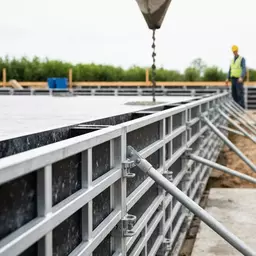
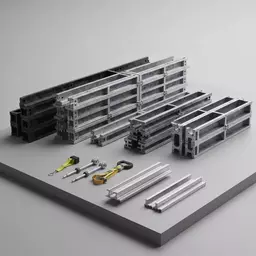
Evaluate their familiarity with aluminum formwork systems and modular designs.
Ensure they prioritize safety and compliance with industry standards.
At Concrete Slab Innovations, we understand the importance of choosing the right team. By partnering with skilled contractors, you can ensure that your project runs smoothly and meets your expectations. For further insights into slab-on-grade design, including considerations for warehouses, consult PDH Academy's resources on Concrete Slabs on Grade.
Engaging with Community for Shared Experiences and Insights
Another excellent way to enhance your concrete slab projects is by engaging with the community. Learning from others’ experiences can provide valuable insights that help you avoid common pitfalls. Here’s how to get involved:
Join local construction forums or social media groups.
Attend workshops and trade shows focused on concrete innovations.
Participate in discussions about best practices and emerging technologies.
Connecting with fellow professionals not only broadens your knowledge but also fosters a sense of camaraderie in the industry. Who knows? You might pick up a game-changing tip or two!
Understanding the Importance of Soil Bearing Capacity in Contractor Selection
One critical factor to consider when selecting a contractor is their understanding of soil bearing capacity. This aspect is essential for ensuring the structural integrity of your concrete slabs. Here’s why it matters:
The soil’s load-bearing ability affects the thickness and reinforcement of the slab.
Inadequate soil capacity can lead to structural failures or costly repairs down the line.
Contractors should perform comprehensive soil tests to inform their design recommendations.
By prioritizing contractors who recognize the significance of soil conditions, you're more likely to achieve lasting, high-quality outcomes for your projects. Ready to take the next step? Let’s make your concrete slab construction journey a success!
Recap of Key Points
Here is a quick recap of the important points discussed in the article:
Load Distribution: Understanding how loads are transferred through the slab is essential for design.
Material Selection: Choosing the right concrete mix and additives affects longevity and performance.
Thickness Requirements: Optimal thickness is crucial for load-bearing capacity and stability.
Reinforcement Techniques: Using appropriate reinforcement methods enhances durability and structural integrity.
Environmental Considerations: Local conditions should influence design choices to ensure safety and efficiency.
Contractor Selection: Finding experienced contractors familiar with the latest technologies is key to project success.
Aidan Cromwell
Aidan Cromwell is a seasoned construction professional and industry expert with a passion for innovative building solutions. With extensive experience in concrete slab construction and a deep understanding of modular formwork systems, Aidan strives to educate and empower contractors, engineers, and project managers. His insights are grounded in practical knowledge and a commitment to advancing construction efficiency and safety.

Concrete Slab Innovations is dedicated to advancing concrete slab construction through innovative aluminum formwork systems. Our mission is to provide contractors, engineers, and project managers with cutting-edge methods for safe and precise slab support.
Optimize your concrete slab projects by integrating modular aluminum formwork. Its lightweight design significantly cuts down on labor and setup time!
Enhance project efficiency by understanding the high-load capacity of modern aluminum systems. This ensures structural integrity and faster pour cycles!
Reduce material costs and waste by choosing reusable aluminum formwork. A sustainable choice that also boosts your bottom line!
Prioritize job site safety with robust aluminum formwork. Its stable design minimizes risks during the critical concrete pouring phase.
Streamline your project timelines. Modular aluminum formwork allows for quicker assembly and dismantling, speeding up overall construction.
Achieve consistent slab quality through precise formwork alignment. High-quality systems ensure accurate dimensions and a superior finish.
Educate your team on the benefits of innovative formwork. A knowledgeable crew is crucial for maximizing efficiency and safety.
Explore case studies of successful projects utilizing advanced formwork. Learn from real-world applications to inform your next build.
Consider the long-term economic advantages of investing in quality formwork systems. Durability means less replacement and better ROI.
Implement rigorous quality control checks during formwork setup. Precision at this stage prevents costly rework later.
Stay updated on the latest advancements in concrete technology and formwork. Continuous learning keeps your projects cutting-edge.
Consult with formwork specialists to tailor solutions to your specific project needs. Custom approaches yield optimized results.
Document your formwork processes for consistency and training. Standardized procedures improve efficiency and reduce errors.
Regular maintenance of your formwork equipment extends its lifespan and ensures reliable performance on every job.
Ready to elevate your concrete slab projects? Dive into our resources to discover how innovative formwork can transform your construction practices!