Recycling Aluminum in Construction Projects
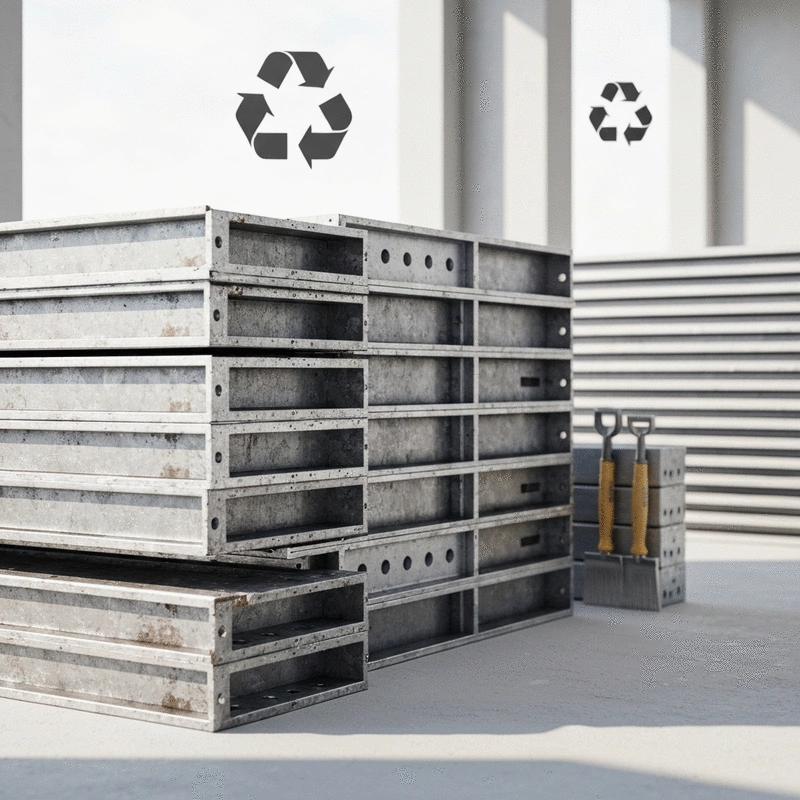
What if the materials you choose for construction could significantly reduce your carbon footprint? Recent innovations like aluminum formwork are paving the way for a greener future in building practices, offering sustainable solutions that benefit both your projects and the planet.
What You Will Learn
- Aluminum formwork systems drastically reduce labor hours and construction waste.
- Utilizing aluminum in construction lowers environmental impact due to its lightweight and recyclable nature.
- Long-term savings from aluminum formwork can outweigh initial investment costs, making it a financially sound choice.
- Engaging stakeholders through education can foster a culture of sustainability in your organization.
Benefits & Barriers of Aluminum Formwork Adoption
This visual highlights the key benefits that make aluminum formwork a sustainable choice and the common hurdles to its wider adoption in construction.
Key Benefits for Sustainable Construction
- Reduced Environmental Impact (recyclable, lower carbon footprint)
- Cost Savings (less waste, faster installation)
- High Durability (reusable, long lifecycle)
- Consistency in Quality (modular approach)
Barriers to Adoption
- Initial Costs & Investment Concerns
- Regulatory Compliance & Standardization Issues
- Perceived Complexity of Implementation
Addressing these can unlock broader adoption.
Understanding Sustainable Construction Through Aluminum Formwork
Sustainable construction is more than just a trend; it's a necessity in today's world. Aluminum formwork is at the forefront of this movement, allowing us to build structures that not only meet current demands but also respect our environment. As a construction professional, I’ve seen firsthand how adopting innovative materials can transform our industry.
By integrating aluminum formwork into our projects, we embrace a system that supports not only efficiency but also sustainability. This is crucial for contractors, engineers, and project managers looking to make a lasting impact on the environment.
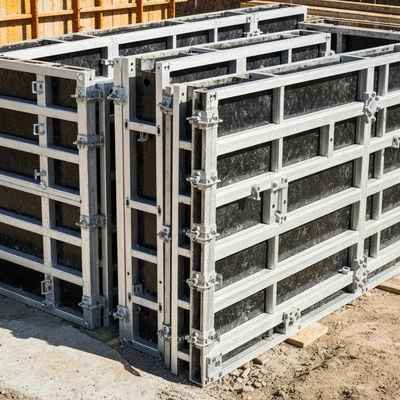
The Role of Aluminum Formwork in Modern Building Practices
Aluminum formwork has revolutionized the construction process. It provides a strong, lightweight solution that streamlines the building of concrete slabs. With its quick assembly and disassembly features, it drastically reduces labor hours and minimizes waste.
- Speed of installation: Aluminum formwork systems can be erected in a fraction of the time compared to traditional methods.
- Consistency in quality: Using a modular approach leads to uniform results in every pour.
- Enhanced safety: The robust nature of aluminum minimizes collapse risks during construction.
These characteristics not only improve efficiency but also contribute to a more sustainable approach to building. By choosing aluminum, we can reduce our reliance on less eco-friendly materials.
Key Benefits of Aluminum Formwork in Sustainable Construction
Why should we consider aluminum formwork for our projects? Here are several key benefits that highlight its importance in sustainable construction:
- Reduced environmental impact: Lightweight and recyclable, aluminum has a lower carbon footprint than traditional concrete formwork. Aluminum's inherent recyclability makes it a prime example of an eco-friendly material.
- Cost savings: Less waste and faster installation lead to lower overall project costs.
- High durability: Aluminum formwork can be reused multiple times, maximizing its lifecycle.
Each of these advantages positions aluminum formwork as a champion for sustainability in construction. Are you ready to explore how it can enhance your upcoming projects?
Eco-friendly Materials: The Importance of Sustainable Choices in Construction
As we look toward the future, the materials we choose in construction will play a pivotal role in our environmental impact. Eco-friendly materials contribute to a healthier planet and can lead to significant savings in energy and resources.
- Energy efficiency: Utilizing energy-efficient materials helps lower heating and cooling demands.
- Lower emissions: Sustainable materials often result in reduced greenhouse gas emissions during production.
- Resource conservation: Choosing eco-friendly options helps preserve our natural resources for future generations.
At Concrete Slab Innovations, we believe that making informed choices about materials can drive positive change in our industry. Let’s work together to build a more sustainable future!
Pro Tip
To maximize the benefits of aluminum formwork, consider pairing it with energy-efficient construction practices. This combination not only enhances sustainability but also improves overall project efficiency. For instance, using energy-efficient machinery during the setup and ensuring proper insulation can further reduce costs and environmental impact.
Overcoming Barriers to Adoption of Aluminum Formwork
At Concrete Slab Innovations, we recognize that while aluminum formwork presents incredible opportunities in construction, there are still barriers to its widespread adoption. Understanding these hurdles is crucial for contractors, engineers, and project managers aiming to maximize the benefits of this innovative approach. So, what are the main factors affecting the adoption of aluminum formwork?
- Initial costs and investment concerns
- Regulatory compliance and standardization issues
- Perceived complexity of implementation
By addressing these issues, we can pave the way for more sustainable construction practices that are both efficient and cost-effective.
Understanding Costs: ROI and Lifecycle Analysis
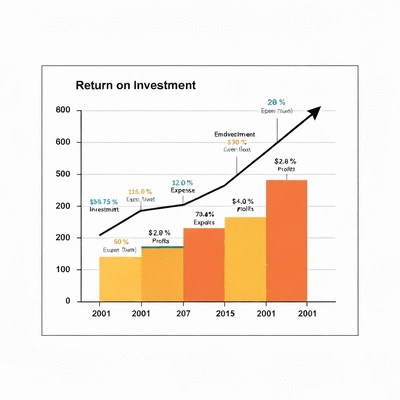
When it comes to adopting new technologies like aluminum formwork, understanding the return on investment (ROI) is paramount. Many contractors hesitate because of the initial costs associated with purchasing aluminum systems. However, examining the long-term savings can often paint a different picture.
Initial Investment vs. Long-Term Savings
Consider these key aspects:
- Durability: Aluminum formwork has a long lifespan, often lasting over 100 cycles. This reduces the need for frequent replacements.
- Labor Costs: The lightweight nature of aluminum formwork lessens labor requirements during setup and dismantling, resulting in significant savings.
- Efficiency Gains: Faster project completion times lead to reduced overhead costs and the ability to take on more projects in a shorter timeframe.
By taking a deeper look at these factors, you can see that the initial investment can be mitigated by long-term savings, making aluminum formwork a financially sound choice.
Regulations and Standards: What You Need to Know
Navigating the regulatory landscape can be daunting, but understanding the relevant standards and certifications is essential for successful implementation. Regulations not only ensure compliance but also promote safety and sustainability in construction.
Certification Processes like LEED and Industry Guidelines
Several certification processes can enhance your project's credibility:
- LEED Certification: A well-recognized standard for sustainable building practices.
- ISO Standards: Ensuring that products meet international quality and safety benchmarks.
- Local Building Codes: Complying with regional regulations for safety and sustainability.
These certifications can not only provide a competitive edge but also reassure clients and stakeholders of your commitment to responsible construction.
Building Regulations: Ensuring Compliance in Sustainable Construction
When considering aluminum formwork, it’s vital to stay informed about local building regulations. This includes:
- Understanding zoning laws that may affect project design
- Keeping up with updates to building codes
- Ensuring that all materials used are compliant with safety guidelines
By staying ahead of these regulations, you can avoid costly delays and ensure a smooth project flow.
Frequently Asked Questions About Aluminum Formwork and Sustainable Construction
Here are some common questions regarding aluminum formwork and its role in sustainable construction practices:
What is aluminum formwork?
Aluminum formwork is a construction system that utilizes lightweight, high-strength aluminum panels to create molds for concrete structures. It's known for its rapid assembly, durability, and reusability.
How does aluminum formwork contribute to sustainable construction?
It contributes through several factors: its recyclability, reduced construction waste, lower labor hours, faster project completion, and long lifespan, all of which minimize environmental impact and resource consumption.
What are the main benefits of using aluminum formwork?
Key benefits include enhanced efficiency, consistent quality, significant cost savings due to reduced waste and faster installation, improved safety on site, and a lower environmental footprint compared to traditional methods.
Is aluminum formwork cost-effective despite its initial investment?
Yes, while the initial investment might be higher, the long-term savings from its durability (reusable over 100 times), reduced labor costs, and faster project turnaround make it a financially sound choice with a strong return on investment.
Are there any barriers to adopting aluminum formwork?
Common barriers include initial investment concerns, the need to comply with specific regulatory standards and certifications (like LEED), and a perceived complexity in its implementation. Addressing these through education and clear ROI analysis is key.
How can I promote sustainable practices like aluminum formwork within my organization?
Promoting awareness and education among stakeholders, advocating for its use in projects, and participating in construction waste recycling programs are effective ways to encourage sustainable practices. Emphasizing the benefits of sustainable aluminum usage can also positively influence adoption.
Encouraging Sustainable Practices in Construction
As we move towards a more sustainable future, it’s important to embrace innovative practices that contribute to efficient construction processes. At Concrete Slab Innovations, we’re passionate about promoting these sustainable practices, particularly through the adoption of modular design.
Embracing Modular Design for Future Projects
Modular design is not just a trend; it's a powerful approach that allows for flexibility and efficiency. By implementing modular designs in your projects, you can:
- Reduce waste through precise planning
- Enhance speed of construction with pre-fabricated components
- Increase adaptability to changing project requirements
These factors contribute significantly to sustainable construction practices and can set you apart in a competitive market.
Engaging Stakeholders: Promoting Awareness and Education
Engaging stakeholders is key to fostering a culture of sustainability within your organization. Whether it's through workshops, informational sessions, or hands-on demonstrations, educating your team about the benefits of aluminum formwork can yield positive results.
Promoting Energy Efficiency: A Key Element in Sustainable Practices
Energy efficiency is a cornerstone of sustainable construction. Here are some strategies to consider:
- Using energy-efficient machinery during construction
- Implementing sustainable practices in material usage and waste management
- Fostering a culture of energy conservation among workers on-site
By actively promoting energy-efficient practices, you're not just meeting regulations; you're also appealing to environmentally-conscious clients.
Join the Movement Towards Sustainable Construction
As industry professionals, we have a unique opportunity to drive change in construction practices. By shifting toward sustainable methods like aluminum formwork, we can significantly impact our environment and improve project outcomes.
Your Role in Supporting Recycling and Reusing Aluminum Formwork
Every individual in the construction supply chain has a part to play. Here are some actions you can take:
- Advocate for the use of aluminum formwork in your projects
- Educate clients on the benefits of using sustainable materials
- Participate in recycling programs for construction waste
In this way, you contribute to a more sustainable future in construction!
Call to Action: Start Implementing Sustainable Practices Today
So, what are you waiting for? It's time to take the leap towards sustainable construction practices. Start exploring aluminum formwork solutions and join us at Concrete Slab Innovations in making a positive impact on the industry. Together, we can build not just structures, but a better tomorrow!
Recap of Key Points
Here is a quick recap of the important points discussed in the article:
- Aluminum Formwork: A lightweight and recyclable option that enhances efficiency and reduces environmental impact in construction.
- Benefits of Adoption: Faster installation, consistent quality, lower project costs, and improved safety are key advantages of using aluminum formwork.
- Eco-friendly Practices: Choosing sustainable materials and methods contributes to energy efficiency, lower emissions, and resource conservation.
- Overcoming Barriers: Addressing initial costs, regulatory compliance, and perceived complexity can facilitate the wider adoption of aluminum formwork.
- Stakeholder Engagement: Education and awareness about sustainable practices are crucial for promoting the benefits of aluminum formwork among teams and clients.

Aidan Cromwell
Aidan Cromwell is a seasoned construction professional and industry expert with a passion for innovative building solutions. With extensive experience in concrete slab construction and a deep understanding of modular formwork systems, Aidan strives to educate and empower contractors, engineers, and project managers. His insights are grounded in practical knowledge and a commitment to advancing construction efficiency and safety.
Popular Posts
Aluminum Formwork and Carbon Reduction
![Aluminum Formwork and Carbon Reduction]() What if the way we build could significantly impact our planet's future? Embracing aluminum formwork
What if the way we build could significantly impact our planet's future? Embracing aluminum formwork
 What if the way we build could significantly impact our planet's future? Embracing aluminum formwork
Aluminum Formwork: Storage and Transport
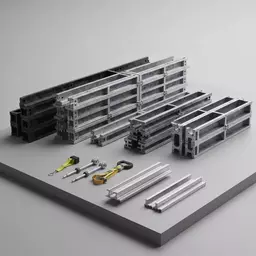
![Aluminum Formwork: Storage and Transport]() What if the longevity of your aluminum formwork could be dramatically increased just by changing how
What if the longevity of your aluminum formwork could be dramatically increased just by changing how
 What if the longevity of your aluminum formwork could be dramatically increased just by changing how
Train Your Crew for Efficient Assembly
![Train Your Crew for Efficient Assembly]() Investing in training can transform your construction project outcomes. With proper techniques and k
Investing in training can transform your construction project outcomes. With proper techniques and k
 Investing in training can transform your construction project outcomes. With proper techniques and k
Aluminum Formwork Load Engineering Guidelines
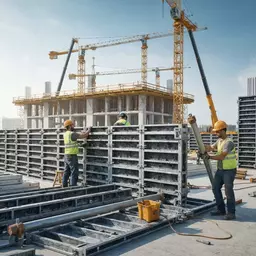
![Aluminum Formwork Load Engineering Guidelines]() Consider this: a single miscalculation in load engineering can lead to structural failures and finan
Consider this: a single miscalculation in load engineering can lead to structural failures and finan
 Consider this: a single miscalculation in load engineering can lead to structural failures and finan
