Manual vs. Modular Aluminum Formwork
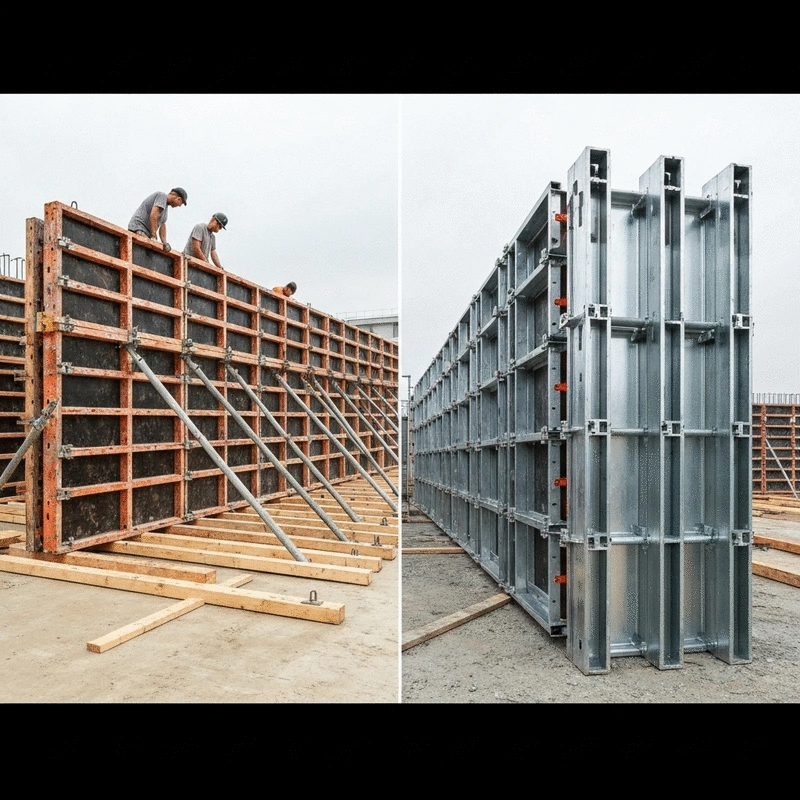
As construction technologies evolve, understanding the nuances between traditional and modern methods is crucial. Have you ever considered how the choice of formwork can impact your project's efficiency and outcomes? In this article, we explore manual and modular aluminum formwork systems, highlighting their distinctive features that can elevate your construction game.
What You Will Learn
- Manual formwork, while flexible, can increase labor costs and project timelines due to its labor-intensive setup.
- Modular aluminum formwork offers significant efficiency gains, reducing both labor and material costs.
- Aluminum panels are lightweight, corrosion-resistant, and provide consistent dimensional accuracy, enhancing project quality.
- Understanding when to use manual versus modular systems can lead to better project outcomes tailored to specific needs.
- A decision matrix tool can assist contractors in selecting the most suitable formwork option based on key project criteria.
Manual vs. Modular Aluminum Formwork Comparison
This visual highlights the key distinctions between manual and modular aluminum formwork across several critical aspects for construction projects.
Understanding the Differences Between Manual and Modular Aluminum Formwork
When embarking on your next construction project, understanding the differences between manual and modular aluminum formwork is crucial. As someone who has spent years in the field, I can tell you that these two methods offer distinct advantages and challenges. Let's dive into what sets them apart and how you can leverage this knowledge for your projects!
Defining Manual Formwork and its Characteristics
Exploring Conventional Methods and Materials
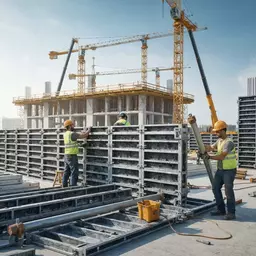
Manual formwork typically involves the use of timber or plywood panels that are assembled on-site. These conventional methods have been around for decades and generally rely on a labor-intensive process. Using materials like wood or metal, contractors create a framework into which concrete can be poured. While manual formwork offers flexibility in design, it often comes with significant downsides, including longer setup times and potential for inconsistencies in quality.
For many projects, this traditional approach still has its place, especially in custom or intricate designs. However, the time and effort required can lead to increased labor costs and project delays. Isn’t it worth exploring alternatives that can streamline this process?
Typical Use Cases in Construction Projects
Manual formwork is often used in residential projects or in scenarios where the design is highly specific. Typically, you might see it deployed in:
- Custom home builds
- Small-scale renovations
- Unique architectural designs requiring tailored solutions
Understanding these use cases can help you determine when to opt for manual methods versus more modern solutions like modular aluminum systems. Each project is unique, and knowing your options is key to success!
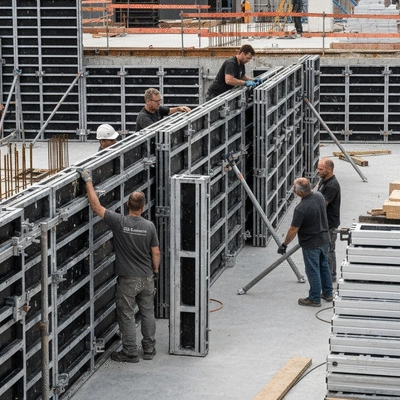
Breaking Down Modular Aluminum Formwork Systems
What are Modular Systems and Their Benefits?
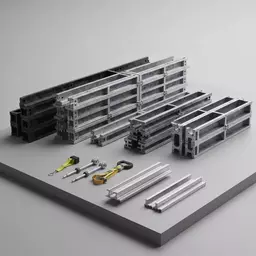
Modular aluminum formwork systems represent a significant evolution in construction technology. These systems consist of pre-fabricated panels that are lightweight, easy to transport, and quick to assemble. One of the standout benefits is their efficiency; these systems can significantly reduce both labor and material costs. Imagine having a formwork solution that not only saves time but also enhances the overall quality of the project!
In addition to efficiency, modular systems offer enhanced safety features. Their robust design means reduced risk during pouring, allowing your team to work with greater confidence. Can you envision the peace of mind that comes with knowing your formwork is not only efficient but also safe?
Key Features of Aluminum Alloy Panels
Aluminum alloy panels have distinct features that set them apart from traditional materials. Here are some key characteristics:
- Lightweight yet strong: This makes them easy to handle and reduces transportation costs.
- Corrosion resistance: Unlike wood, aluminum does not absorb moisture, prolonging the life of the formwork.
- Precision engineering: Modular systems ensure consistent dimensional accuracy, enhancing the overall quality of the concrete pour.
These features contribute to a more streamlined construction process and often lead to better project outcomes. It’s exciting to think about how adopting aluminum formwork could transform your projects!
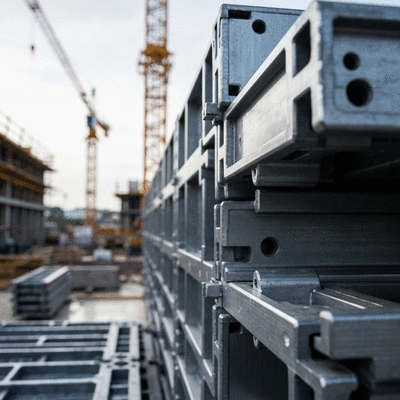
Examining Reusability and Strength in Modular Construction
One of the most compelling aspects of modular aluminum formwork is its reusability. Unlike manual methods which may suffer from wear and tear, aluminum panels can be used multiple times across various projects. This not only reduces waste but also cuts down on long-term costs. You can achieve a higher return on investment by maximizing the lifecycle of your formwork systems!
Additionally, the strength of aluminum means these systems can support high-load applications, making them versatile for various construction types. In my experience, the investment in modular systems often pays off exponentially with improved efficiency and project quality. Are you ready to explore how these systems can elevate your construction practices?
Pro Tip
Did you know? Integrating a hybrid approach that combines both manual and modular aluminum formwork can often yield the best results. This strategy allows you to leverage the flexibility of manual systems for custom designs while taking advantage of the efficiency and reusability of modular systems for larger, standardized applications. By assessing the specific needs of each project, you can optimize costs and enhance quality.
Frequently Asked Questions About Formwork Systems
Q: What is the main difference between manual and modular aluminum formwork?
A: Manual formwork typically uses timber or plywood, is assembled on-site, and is labor-intensive, leading to longer setup times. Modular aluminum formwork uses pre-fabricated, lightweight aluminum panels that are quick to assemble, highly reusable, and offer greater precision and efficiency, as discussed in this comparative study.
Q: When is manual formwork most appropriate for a construction project?
A: Manual formwork is best suited for small-scale, custom, or intricate designs, such as custom home builds, small renovations, or unique architectural projects that require tailored solutions.
Q: What are the key benefits of using modular aluminum formwork?
A: Modular aluminum formwork offers significant benefits including reduced labor and material costs, quicker assembly times, high reusability, enhanced safety, exceptional corrosion resistance, and consistent dimensional accuracy for superior concrete finishes.
Q: How does aluminum formwork contribute to project sustainability?
A: Aluminum formwork contributes to sustainability through its high reusability, which reduces waste and the need for new materials. Its durability and corrosion resistance also extend its lifespan, aligning with environmentally friendly construction practices.
Q: How can contractors choose the best formwork system for their project?
A: Contractors can make informed decisions by evaluating factors like initial costs, labor requirements, reusability, impact on project timelines, and desired quality standards, often using a decision matrix tool. For example, case studies demonstrate how aluminum formwork can be a more efficient alternative to conventional systems.
Summarizing Key Insights on Formwork Choices for Contractors
As we reach the conclusion of our exploration into formwork systems, it’s vital to reflect on the key insights that can guide contractors in making informed decisions. Choosing the right formwork—whether manual, modular, or a hybrid approach—can significantly impact project outcomes, including cost, quality, and efficiency. Let’s delve into how to evaluate the best options for your unique project needs!
Evaluating the Best Options for Your Project Needs
When it to selecting the most suitable formwork, two factors often stand out: cost-effectiveness and quality considerations. Balancing these elements is crucial for ensuring that your projects not only meet budgetary constraints but also fulfill the necessary quality standards.
- Cost-Effectiveness: Modular aluminum formwork systems often provide better long-term value due to their reusability and lower labor costs.
- Quality Considerations: The precision and surface finish achieved with modular systems can lead to enhanced structural integrity and reduced post-casting treatments.
- Manual Systems: While they can be less expensive initially, they may involve higher labor costs and longer project timelines.
Ultimately, I encourage you to consider your specific project requirements when evaluating these options. Understanding the nuances of your project can help you make a decision that aligns with both your budget and quality expectations.
Choosing Between Manual, Modular, and Hybrid Systems
As you weigh your options, it’s important to recognize that each system has its unique advantages:
- Manual Formwork: Best suited for small or unique projects where flexibility is paramount.
- Modular Aluminum Formwork: Ideal for larger projects due to its efficiency and speed, as well as its potential for multiple uses.
- Hybrid Systems: Combining both methods can offer a balanced approach, leveraging the strengths of each system to meet diverse project needs.
At Concrete Slab Innovations, we advocate for assessing the specific demands of your construction projects. By understanding the strengths and weaknesses of each system, you can choose the best approach for your needs.
Encouraging Informed Decisions for Future Projects
As you embark on your upcoming projects, fostering informed decision-making is essential. One effective way to aid in this process is by utilizing a decision matrix tool. This tool can help you compare the various formwork options against key criteria, streamlining your selection process.
Utilizing a Decision Matrix Tool for Selection
When using a decision matrix, consider these elements:
- Initial Costs
- Labor Requirements
- Reusability and Sustainability
- Impact on Project Timeline
This structured approach makes it much easier to visualize the pros and cons of each option, empowering you to make choices that align with your project goals. Remember, the right formwork can propel your projects towards success!
Final Thoughts on Sustainable Practices and Technology Integration
As we move forward in the construction industry, sustainability and technology will play increasingly critical roles. By integrating sustainable practices into your formwork choices, you only contribute to a greener future but also enhance your project's overall value. Staying updated on technology advancements—like innovations in modular formwork—ensures that you remain competitive in a changing market.
Let’s embrace this shift and commit to adopting practices that prioritize both efficiency and environmental responsibility. Together, we can elevate our construction methodologies and achieve remarkable outcomes!
Next Steps and Action Items for Contractors
Gathering Information and Resources
Now that we've covered the essential aspects of formwork selection, it's time to take actionable steps. Gathering the right information and resources is crucial for making informed decisions moving forward. Here’s how you can get started:
Where to Find Further Guidance and Expert Opinions
To deepen your understanding and gather more insights, I recommend:
- Consulting industry publications and journals focused on construction.
- Attending workshops and webinars related to formwork technology.
- Engaging with professional networks and associations for contractors.
These resources can provide valuable information and updates on best practices, helping you stay ahead in your projects.
Joining Forums and Networks for Ongoing Learning
Participating in construction forums and networking groups can help you connect with peers and industry experts who share their experiences and solutions. Whether you’re facing challenges or looking for new ideas, collaboration with others can often lead to innovative solutions.
Encouragement to Adapt and Innovate in Construction
As we conclude this section, I want to emphasize the importance of adaptation and innovation in our field. The construction landscape is constantly evolving, and staying updated is key to success!
Commitment to Staying Updated on Formwork Developments
Make it a priority to regularly seek out new information and developments in formwork technologies. From advancements in materials to updates on industry regulations, being informed will empower you to make the best choices for your projects.
Integrating Sustainability into Future Construction Practices
Don’t underestimate the impact of sustainable practices in construction. As we incorporate environmentally friendly solutions, we not only improve our industry’s footprint but also build stronger reputations with clients who value sustainability.
Understanding Competitive Advantages in Formwork Systems
Lastly, understanding the competitive advantages of various formwork systems will set you apart in your projects. By leveraging the strengths of modular systems or hybrid approaches, you can achieve greater efficiency and quality in your work. Let’s strive to innovate and elevate our construction practices—together!
Recap of Key Points
Here is a quick recap of the important points discussed in the article:
- Manual Formwork: Best for custom or unique projects, but often leads to higher labor costs and longer setup times.
- Modular Aluminum Formwork: Offers efficiency, safety, and can be reused across projects, making it a cost-effective solution.
- Key Advantages: Aluminum formwork is lightweight, corrosion-resistant, and ensures precise engineering for better quality.
- Decision Matrix Tool: Utilize this tool to compare formwork options based on costs, labor, reusability, and project timelines.
- Sustainability: Incorporating sustainable practices in formwork choices enhances project value and contributes to environmental responsibility.

Aidan Cromwell
Aidan Cromwell is a seasoned construction professional and industry expert with a passion for innovative building solutions. With extensive experience in concrete slab construction and a deep understanding of modular formwork systems, Aidan strives to educate and empower contractors, engineers, and project managers. His insights are grounded in practical knowledge and a commitment to advancing construction efficiency and safety.
Popular Posts
Aluminum Formwork and Carbon Reduction
![Aluminum Formwork and Carbon Reduction]() What if the way we build could significantly impact our planet's future? Embracing aluminum formwork
What if the way we build could significantly impact our planet's future? Embracing aluminum formwork
 What if the way we build could significantly impact our planet's future? Embracing aluminum formwork
Aluminum Formwork: Storage and Transport
![Aluminum Formwork: Storage and Transport]() What if the longevity of your aluminum formwork could be dramatically increased just by changing how
What if the longevity of your aluminum formwork could be dramatically increased just by changing how
 What if the longevity of your aluminum formwork could be dramatically increased just by changing how
Train Your Crew for Efficient Assembly
![Train Your Crew for Efficient Assembly]() Investing in training can transform your construction project outcomes. With proper techniques and k
Investing in training can transform your construction project outcomes. With proper techniques and k
 Investing in training can transform your construction project outcomes. With proper techniques and k
Aluminum Formwork Load Engineering Guidelines
![Aluminum Formwork Load Engineering Guidelines]() Consider this: a single miscalculation in load engineering can lead to structural failures and finan
Consider this: a single miscalculation in load engineering can lead to structural failures and finan
 Consider this: a single miscalculation in load engineering can lead to structural failures and finan
