Reusability: Aluminum vs. Traditional
300+
Aluminum Uses
1-5
Traditional Uses
Aluminum's high reusability drastically reduces construction waste compared to disposable traditional materials, supporting a circular economy.
What if I told you that the construction industry could significantly reduce its environmental footprint simply by changing the materials used? With aluminum formwork, this isn't just a possibility; it's a reality that many are beginning to embrace.
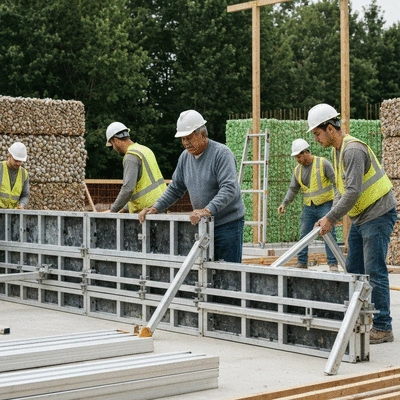
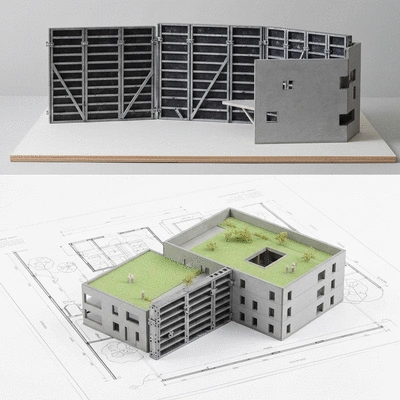
Aluminum formwork offers significant environmental advantages in construction, primarily through reusability, recyclability, and energy efficiency. The visual below highlights key aspects and comparisons.
300+
Aluminum Uses
1-5
Traditional Uses
Aluminum's high reusability drastically reduces construction waste compared to disposable traditional materials, supporting a circular economy.
Aluminum formwork supports LEED certification goals through waste reduction and material sourcing.
When it comes to building, sustainability is more than just a buzzword—it's a necessity. At Concrete Slab Innovations, we believe that choosing the right materials is crucial, and that's where aluminum formwork shines! Its unique qualities not only enhance construction practices but also significantly reduce our environmental impact. Let’s dive deeper into why aluminum formwork is a game-changer for sustainable construction.
Aluminum formwork offers an array of benefits that align perfectly with sustainable construction goals. First and foremost, its lightweight design means less energy is required for transportation and installation. This efficiency translates to lower fuel consumption and reduced greenhouse gas emissions. Additionally, aluminum formwork has a streamlined assembly process that cuts down on labor time, allowing projects to progress more swiftly and effectively.
These factors make aluminum an ideal choice for contractors looking to boost their sustainability credentials while maintaining high-quality construction standards. For a detailed comparison of aluminum formwork with traditional methods, you can refer to this study on aluminum formwork.
One of the standout features of aluminum formwork is its remarkable reusability. Unlike traditional materials that often end up in landfills after a single use, aluminum systems can be utilized for many projects. This reduces waste and supports a circular economy, which is essential for minimizing our environmental footprint. Research highlights the advantages of using sustainable formwork systems in reducing environmental impact.
By choosing aluminum formwork, you’re not just making a smart business decision; you’re also helping to create a more sustainable future for the construction industry.
Another key benefit of aluminum formwork is its energy efficiency. The use of aluminum can lead to significant reductions in carbon emissions during the construction process. For example, because aluminum is lightweight, it requires less energy for transport and installation, directly contributing to lower carbon footprints.
At Concrete Slab Innovations, we encourage our clients to consider how these energy-efficient solutions can lead to not only cost savings but also a healthier planet!
As we continue to push the boundaries of sustainable construction, aluminum formwork stands out as a pivotal player. Its integration within the modular design framework maximizes efficiency while minimizing waste. This approach aligns beautifully with the eco-friendly practices we aspire to promote at Concrete Slab Innovations. For additional insights into formwork and its environmental benefits, consider reading this review on various formwork types.
By embracing aluminum formwork, we can collectively take significant steps toward more sustainable building practices, ensuring we leave a better world for future generations. Are you ready to join us on this journey to innovative and eco-friendly construction?
Aluminum formwork offers significant environmental benefits through its high reusability (up to 300 uses), full recyclability, and lightweight design, which reduces transportation emissions and overall waste in construction.
Its lightweight nature means less fuel is consumed during transport and installation. Additionally, faster construction times and efficient insulation properties contribute to lower energy consumption on-site and reduced overall carbon footprints.
Yes, aluminum formwork significantly supports LEED certification goals by reducing construction waste through reusability, improving energy efficiency in buildings, and promoting responsible material sourcing due to its recyclability.
Aluminum formwork can be reused for up to 300 projects or more, drastically outperforming traditional formwork materials that typically offer only 1-5 uses, thereby minimizing material waste and supporting a circular economy.
Key best practices include regular maintenance to extend its lifespan, proper team training for installation and handling, and establishing recycling programs for components at the end of their service life to ensure responsible disposal.
Here's a brief recap of the key points discussed so far:
As a construction professional who has seen the evolution of materials and methods firsthand, I can confidently say that sustainable aluminum formwork presents remarkable advantages for modern building practices. This system not only enhances efficiency but also aligns with our growing commitment to environmental stewardship. By choosing aluminum formwork, we can address critical issues like waste reduction, energy efficiency, and resource conservation in construction.
Implementing aluminum formwork creates a strong foundation for a greener future. Its lightweight design simplifies transportation, while its reusability contributes to a significant reduction in overall material waste. For contractors, engineers, and project managers, making the shift to aluminum formwork means embracing a smart, sustainable choice that benefits the entire industry.
Choosing sustainable aluminum formwork is not just a trend; it's a strategic decision for ensuring that our projects adhere to eco-friendly standards and practices. Here are some key reasons why this choice is not only wise but necessary:
The long-term advantages of selecting aluminum formwork cannot be overstated. Projects using this innovative system often experience increased productivity and improved safety measures, ultimately leading to a better construction experience for everyone involved.
To fully realize the benefits of aluminum formwork, it's essential to adopt best practices tailored for sustainable construction. Here are some actionable steps to integrate into your workflow:
By focusing on these best practices, you and your team can contribute to a more sustainable building approach that not only meets regulatory standards but also fosters a culture of environmental responsibility within your organization.
Achieving LEED certification is a significant milestone for any construction project, and aluminum formwork plays a pivotal role in this journey. LEED, or Leadership in Energy and Environmental Design, recognizes sustainable building practices and rewards projects that prioritize eco-friendly measures. Here’s how aluminum formwork can support your LEED goals:
Incorporating aluminum formwork into your projects not only enhances efficiency but also positions you favorably for achieving critical sustainability certifications. As we continue to innovate at Concrete Slab Innovations, I am excited to see how our commitment to advanced building solutions can contribute to greener construction practices!
Here is a quick recap of the important points discussed in the article:
Aidan Cromwell is a seasoned construction professional and industry expert with a passion for innovative building solutions. With extensive experience in concrete slab construction and a deep understanding of modular formwork systems, Aidan strives to educate and empower contractors, engineers, and project managers. His insights are grounded in practical knowledge and a commitment to advancing construction efficiency and safety.