Understanding Concrete Slab Construction

Did you know that a well-constructed concrete slab can significantly enhance the safety and longevity of a building? Understanding the nuances of concrete slab construction is vital for creating durable foundations that stand the test of time.
What You Will Learn
- The different types of concrete slabs, including floating, monolithic, and reinforced slabs, and their specific applications.
- Essential materials used in concrete slab construction, such as concrete mix, steel reinforcements, and formwork.
- Key steps for successful installation, including site preparation, mixing, pouring, and curing processes.
- The importance of load distribution and how properly constructed slabs prevent uneven settling.
- Techniques to enhance durability, such as proper mixing, curing, and the use of control joints to manage cracking.
Key Steps in Concrete Slab Construction
From site preparation to curing, successful concrete slab construction involves several critical phases. This diagram outlines the essential steps discussed in the article, ensuring durability and quality.
1. Site Preparation
Assess soil type & stability, clear area.
2. Gather Materials
Collect concrete mix, steel & formwork.
3. Mix and Pour
Careful mixing & accurate pouring.
4. Curing Process
Proper curing for optimal strength & durability.
Understanding the Basics of Concrete Slab Construction
Concrete slab construction is a fundamental aspect of building infrastructure. It involves pouring a flat, horizontal surface made of concrete that serves as a foundation for various structures, including residential homes, commercial buildings, and industrial facilities. Understanding the basics of this process is crucial for contractors, engineers, and project managers who want to ensure success in their construction projects.
At Concrete Slab Innovations, we believe that a solid foundation is critical for any structure to thrive. Through our extensive experience in innovative aluminum formwork systems, I've seen how high-quality concrete slabs can lead to durable and reliable outcomes.
What is Concrete Slab Construction?
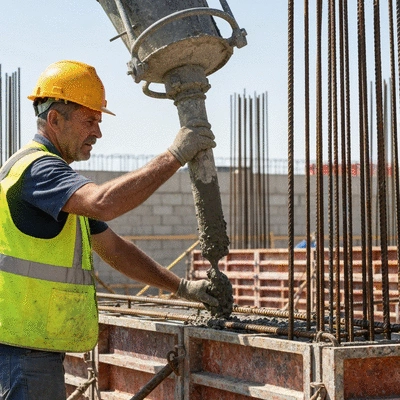
Concrete slab construction involves several steps—starting from site preparation to the final pouring of concrete. The process includes the use of formwork to shape the concrete and reinforcement materials to ensure strength and durability. Typically, these slabs can range from a few inches to several feet in thickness, depending on the load requirements and the intended use of the structure.
- Types of Slabs: There are several types of concrete slabs, including floating slabs, monolithic slabs, and reinforced slabs.
- Materials Used: Common materials include concrete mix, steel reinforcements, and formwork. For a detailed guide on materials and construction practices, refer to the ACI 302.1R Chapter 5 recommendations for concrete floor and slab construction.
- Techniques: Key techniques involve careful mixing and proper curing to enhance durability.
Each project is unique, and understanding these nuances can significantly affect the durability and integrity of the slab. As I often remind my team, taking the time to understand the materials and techniques is half the battle won!
The Importance of Concrete Slabs in Building Projects
Concrete slabs play a crucial role in providing structural support and stability to buildings. They serve as a base for walls, roofs, and other elements, ensuring that the structure can withstand various loads and environmental conditions. In fact, a well-constructed slab can significantly enhance the safety and longevity of a building.
- Load Distribution: Concrete slabs help to evenly distribute weight across the foundation, preventing uneven settling. For more information on structural design and load distribution, consulting resources like the Wisconsin DOT Bridge Manual Chapter 18 can provide valuable insights into structural concrete practices.
- Energy Efficiency: Properly insulated slabs can improve energy efficiency, reducing heating and cooling costs.
- Durability: High-quality concrete slabs resist cracking and wear, providing lasting support.
As we delve deeper into the world of concrete slab construction, it's essential to recognize their value in building projects. By utilizing innovative materials and techniques, I have seen firsthand how concrete slabs can transform the efficiency and safety of construction practices. Further guidance on durable floor slabs for facilities can be found in the WBDG Floor Slabs for DOD Facilities document.
Pro Tip
When planning your concrete slab project, consider using innovative aluminum formwork systems. These lightweight solutions not only streamline the pouring process but can also reduce labor costs and enhance safety. By opting for aluminum, you can significantly improve project efficiency and achieve consistent structural quality!
Frequently Asked Questions About Concrete Slab Construction
What is the Ideal Thickness for a Concrete Slab?
The ideal thickness for a concrete slab typically ranges from 4 to 6 inches, depending on the application. For residential projects like patios or driveways, 4 inches is often sufficient. However, heavier loads may require a thicker slab.
How Long Does the Curing Process Take?
Curing times can vary, but it’s generally recommended to allow at least 7 days for proper curing to achieve optimal strength. In colder climates, curing may take longer, so always consider environmental factors!
What Should I Expect When Hiring a Concrete Contractor?
When hiring a concrete contractor, expect a thorough consultation process where they assess your project needs. It's crucial to communicate your vision and ask about their approach to ensure they align with your goals.
How to Prevent Cracking in Concrete Slabs?
To prevent cracking in concrete slabs, consider the following strategies:
- Properly mix and cure the concrete
- Install control joints to manage expansion and contraction
- Avoid pouring concrete in extreme temperatures
Implementing these techniques can enhance the longevity and durability of your slab.
What Are Control Joints and Why Are They Important?
Control joints are intentional weak points in a concrete slab that allow for controlled cracking. They help manage the natural expansion and contraction due to temperature changes, minimizing the risk of uncontrolled cracking. Proper placement of these joints is essential for maintaining the slab's integrity!

Wrapping Up Your Concrete Slab Construction Journey
As we conclude our exploration of concrete slab construction, it’s essential to recap the key steps involved in the installation process. Understanding these fundamental elements can significantly impact the success of your project. From site preparation to curing, each phase plays a vital role in ensuring a durable and well-constructed slab.
Here’s a brief overview of the essential steps we've discussed:
- Preparing the site by assessing soil type and stability
- Gathering necessary tools and materials for the job
- Carefully mixing and pouring the concrete
- Implementing a proper curing process to maintain structural integrity
By following these steps, you’ll set your project up for success, ensuring that your concrete slab meets both safety and quality standards. Remember, I’m always here at Concrete Slab Innovations to provide guidance and resources to help you along the way!
Next Steps: How to Get Started with Your Concrete Project
Ready to take the plunge into your concrete project? Here are a couple of next steps to put you on the right path:
- Contacting a Trusted Local Contractor: Reach out to professionals in your area who specialize in concrete slab construction. Their experience can help steer your project in the right direction.
- Requesting Quotes and Evaluating Options: Collect quotes from multiple contractors to compare pricing and service offerings. Don't hesitate to ask for references or past project examples to ensure you’re choosing the best fit for your needs.
Getting started may feel overwhelming, but with the right team by your side, you can navigate the process smoothly. The connections I’ve fostered through Concrete Slab Innovations can assist you in finding the right contractor to fit your vision!
Recap of Key Points
Here is a quick recap of the important points discussed in the article:
- Understand the different types of concrete slabs, including floating, monolithic, and reinforced slabs.
- Utilize high-quality materials such as concrete mix, steel reinforcements, and proper formwork for durability.
- Implement effective techniques like careful mixing and proper curing to enhance slab strength.
- Recognize the importance of load distribution and energy efficiency in slab construction.
- Follow essential installation steps: site preparation, gathering materials, mixing, pouring, and curing concrete.
- Consider hiring a trusted local contractor for expert guidance and project management.

Aidan Cromwell
Aidan Cromwell is a seasoned construction professional and industry expert with a passion for innovative building solutions. With extensive experience in concrete slab construction and a deep understanding of modular formwork systems, Aidan strives to educate and empower contractors, engineers, and project managers. His insights are grounded in practical knowledge and a commitment to advancing construction efficiency and safety.
Popular Posts
Aluminum Formwork and Carbon Reduction
![Aluminum Formwork and Carbon Reduction]() What if the way we build could significantly impact our planet's future? Embracing aluminum formwork
What if the way we build could significantly impact our planet's future? Embracing aluminum formwork
 What if the way we build could significantly impact our planet's future? Embracing aluminum formwork
Aluminum Formwork: Storage and Transport
![Aluminum Formwork: Storage and Transport]() What if the longevity of your aluminum formwork could be dramatically increased just by changing how
What if the longevity of your aluminum formwork could be dramatically increased just by changing how
 What if the longevity of your aluminum formwork could be dramatically increased just by changing how
Train Your Crew for Efficient Assembly
![Train Your Crew for Efficient Assembly]() Investing in training can transform your construction project outcomes. With proper techniques and k
Investing in training can transform your construction project outcomes. With proper techniques and k
 Investing in training can transform your construction project outcomes. With proper techniques and k
Aluminum Formwork Load Engineering Guidelines
![Aluminum Formwork Load Engineering Guidelines]() Consider this: a single miscalculation in load engineering can lead to structural failures and finan
Consider this: a single miscalculation in load engineering can lead to structural failures and finan
 Consider this: a single miscalculation in load engineering can lead to structural failures and finan
