What Defines a Concrete Slab?
- ● Flat surface for even weight distribution
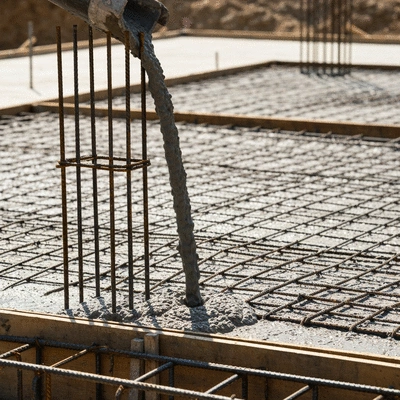
- ● Often reinforced with steel bars or mesh
- ● Versatile for homes & larger buildings
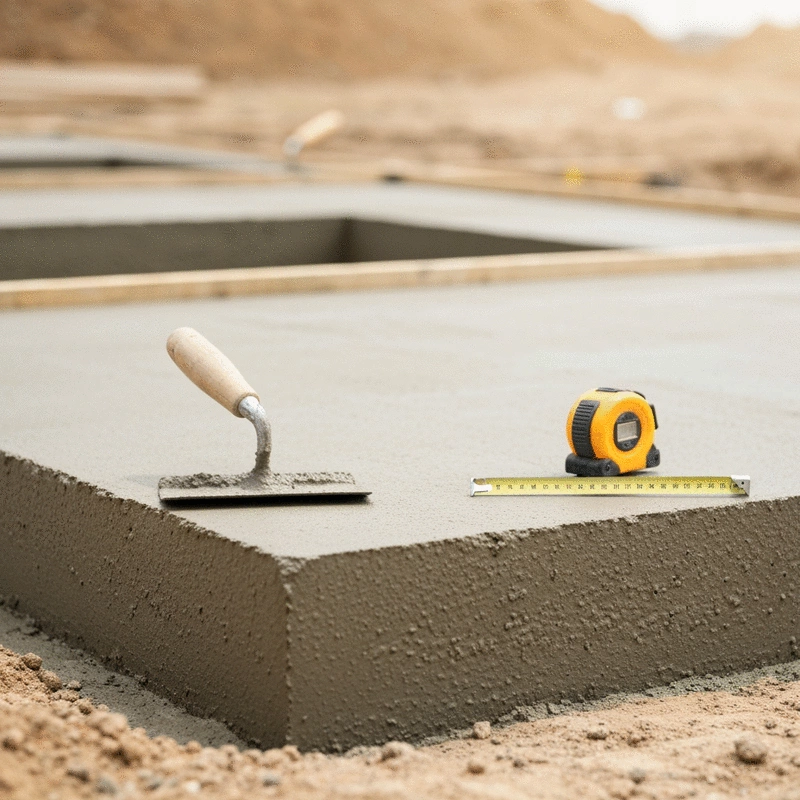
- ● Typically 4-6 inches thick for residential
Have you ever stopped to think about the foundation of your home? A concrete slab foundation is not just a base; it's the backbone of your structure, influencing everything from stability to longevity. Understanding its importance can help you make informed decisions for a secure future, especially when considering flood-resistant options.
This visual highlights the critical components of concrete slab foundations and essential considerations for long-term home stability.
When we talk about building a strong foundation, the concrete slab foundation is often at the forefront of our discussions. This type of foundation not only supports a structure but also plays a crucial role in its overall stability and longevity. At Concrete Slab Innovations, we understand that a well-constructed concrete slab can make all the difference in the safety and durability of your home.
So, what exactly is a concrete slab foundation? In simple terms, it’s a flat, horizontal surface made of concrete that serves as the base for a building. These slabs are typically poured directly on the ground and can be designed to accommodate various loads, making them a popular choice for residential construction. For more detailed information on different slab types, you can refer to the WBDG's guide on floor slabs.
A concrete slab foundation is a solid layer of concrete that is poured into a mold, creating a flat surface that supports the weight of a building. This foundation type is most commonly used in areas with warm climates, where the ground does not freeze. The slabs can vary in thickness, with standard residential slabs typically ranging from 4 to 6 inches.
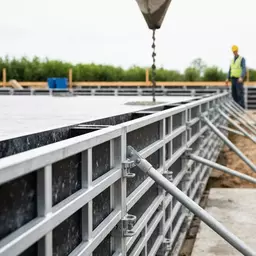
The beauty of concrete slab foundations is their versatility. They are cost-effective and provide a solid solution that minimizes the need for extensive excavation. In many cases, such as with our advanced aluminum formwork systems, we can achieve a high-load capacity while keeping costs manageable. Further insights into foundation design are available in the Foundation Handbook from ORNL.
The stability of your home begins with a robust foundation. A concrete slab foundation supports the structure by distributing its weight evenly across the surface. This means that any shifts or movements in the soil below can have less impact on the integrity of your home’s structure.
At Concrete Slab Innovations, we often emphasize the importance of proper support in achieving longevity and stability in a home. A well-designed slab foundation can significantly decrease the likelihood of costly repairs down the road. For regions prone to flooding, building flood-resistant raised slab foundations can provide additional security.
To create a durable concrete slab, it’s essential to understand its key components: the mix, reinforcement, and thickness. The right combination of these elements ensures that your foundation can withstand various stresses over time.
Understanding these components can help you make informed decisions when planning a new construction project. By choosing the right mix and reinforcement, you can ensure that your concrete slab foundation will stand the test of time, providing a stable base for your home.
To enhance the durability of your concrete slab foundation, consider using a high-quality concrete mix that includes additives for increased strength and water resistance. This simple upgrade can significantly improve your foundation's performance, particularly in regions prone to heavy rainfall or extreme temperatures.
A concrete slab foundation is a solid, flat layer of concrete that serves as the base for a building, poured directly on the ground to support the structure's weight and distribute it evenly.
Standard residential concrete slabs typically range from 4 to 6 inches in thickness, designed to accommodate the home's load and structural requirements.
Reinforcement, usually with steel bars or mesh, significantly increases the slab's load-bearing capacity and helps prevent cracking, enhancing its overall durability and stability.
A well-designed concrete slab foundation ensures stability by distributing weight evenly, minimizing settling, reducing the risk of wall and floor cracks, and enhancing overall structural integrity.
The key components include the concrete mix (cement, water, sand, aggregate), proper reinforcement (steel bars or mesh), and appropriate thickness suited to the intended load and use.
Look for contractors with extensive experience in concrete slab repair, positive reviews and references, proper licensing and insurance, and those who provide detailed, clear estimates.
Effective management includes keeping gutters and downspouts clean and directed away from the foundation, ensuring the soil around your home slopes away, and considering the installation of French drains to divert groundwater.
If you're worried about the condition of your concrete slab foundation, taking action is crucial! Understanding how to proceed can make a significant difference in the stability and longevity of your home. Here, I’ll break down the steps you should consider for effective foundation support.
Choosing the right contractor is vital for ensuring your foundation is supported properly. Here are some key factors to consider:
By taking these steps, you can make an informed choice and find a contractor who understands the unique needs of your concrete slab foundation.
Before the work begins, preparing your home is essential to facilitate the repair process. Here’s how you can get ready:
These preparations will help ensure a smoother repair process and minimize disruptions to your daily life.
Effective management of groundwater and drainage is essential to the health of your foundation. Here are some practical tips to consider:
By implementing these measures, you can protect your concrete slab foundation from water-related issues, enhancing its stability.
Here is a quick recap of the important points discussed in the article:
Aidan Cromwell is a seasoned construction professional and industry expert with a passion for innovative building solutions. With extensive experience in concrete slab construction and a deep understanding of modular formwork systems, Aidan strives to educate and empower contractors, engineers, and project managers. His insights are grounded in practical knowledge and a commitment to advancing construction efficiency and safety.