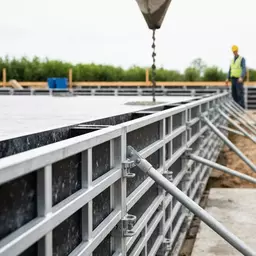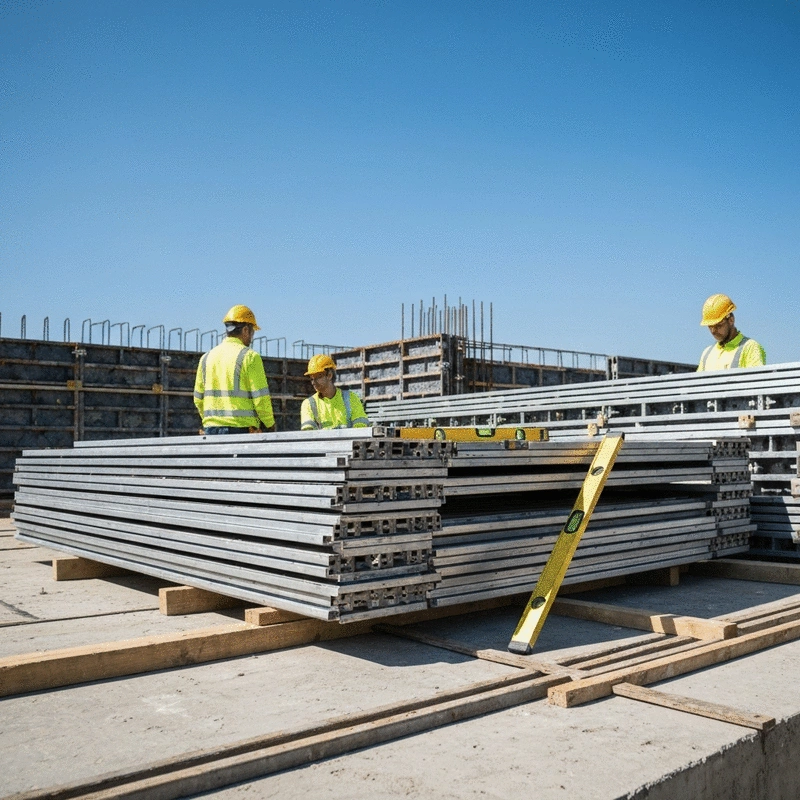
Site Preparation: Foundational Steps
Proper preparation is critical for the success of aluminum modular formwork installation.
- ● Site inspection
- ● Debris clearing
- ● Ground leveling
- ● Ground compaction
- ● Tool gathering
Did you know that the construction industry is rapidly evolving with innovative technologies that can enhance efficiency and reduce costs? One such revolution is aluminum modular formwork, which is transforming how projects are completed.
This diagram illustrates the crucial steps involved in preparing a site and installing aluminum modular formwork, emphasizing efficiency and quality control.
Proper preparation is critical for the success of aluminum modular formwork installation.
Strategies to maximize efficiency during site preparation.
Ensuring standards and specifications are met throughout the project.
At Concrete Slab Innovations, we believe that understanding the tools of our trade is crucial to enhancing construction efficiency. One such tool that has revolutionized the industry is aluminum modular formwork. This innovative system not only simplifies the construction process but also significantly impacts the overall quality of concrete slab projects. So, what exactly is aluminum modular formwork, and why should you consider it for your next job?
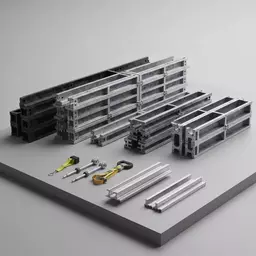
Aluminum modular formwork is a lightweight, high-load support system used in concrete construction. Unlike traditional materials, aluminum offers a remarkable strength-to-weight ratio that makes it easier to handle and transport. This system consists of pre-engineered panels that can be quickly assembled into various shapes and sizes, providing the flexibility needed for complex projects.
Because of its modular nature, this type of formwork allows for rapid installation and removal, resulting in faster project completion times. Imagine completing a project ahead of schedule without compromising quality—this is the advantage aluminum modular formwork brings to the table!
The benefits of switching to aluminum modular formwork are numerous, and here are some key advantages:
In my experience, projects that utilize aluminum formwork often report lower rates of defects, which is a testament to its quality-enhancing properties. Wouldn’t it be great to minimize rework and maximize satisfaction among clients?
We're witnessing a shift in construction practices with the rise of modular construction. This method prioritizes efficiency and adaptability, making it perfect for today’s fast-paced building environments. Aluminum modular formwork fits perfectly into this paradigm, enabling teams to create complex structures swiftly and safely. For further best practices, you can refer to the Guide to Formwork from Safe Work Australia.
As we embrace this new era, it's vital to consider how modular design can streamline your operations. The adaptability of aluminum systems allows contractors and project managers to customize their approach based on specific project requirements, leading to enhanced overall productivity. The Formwork Code of Practice (PDF) from WorkSafe Queensland offers additional guidance on safe and efficient formwork practices.
To maximize the benefits of aluminum modular formwork, consider implementing a detailed project timeline. This will help you accurately allocate resources and manpower, ensuring that every phase of the installation is executed efficiently and on schedule. Remember, effective planning can save you time and costs while enhancing the overall quality of your project!
As we wrap up our discussion on site preparation, it’s essential to highlight the key steps that ensure a smooth and efficient process. Proper preparation is critical for the success of your aluminum modular formwork installation. Remember, every detail counts, from clearing debris to compacting the ground!
Here’s a quick overview of the site preparation process to keep in mind:
By following these steps, you’ll set yourself up for a successful project that meets both safety and quality standards. Often, it’s these foundational elements that make a significant difference down the line.
When it comes to optimizing both time and cost during site preparation, efficiency is key. Here are some practical tips that I’ve found effective in my experience at Concrete Slab Innovations:
Implementing these strategies can significantly impact your overall project budget and timeline. Have you considered how a little extra planning could lead to major gains on your project?
As you embark on your next construction project, I encourage you to adhere to best practices in site preparation. Consistency and attention to detail are what separate successful projects from those that encounter roadblocks. Take the time to ensure you’re following established guidelines and protocols. For comprehensive guidelines on formwork safety, refer to the Formwork Code of Practice from SafeWork NSW.
Remember, the goal is not just to complete a project but to do so with quality and safety in mind. By fostering a culture of excellence, you can greatly enhance the final results of your construction endeavors!
Finally, let’s talk about the vital role of quality control throughout your construction projects. Quality control ensures that every aspect of the project meets the required standards and specifications. A robust quality control system will help identify issues early on, preventing costly corrections later.
Here are some key elements of an effective quality control process:
By prioritizing quality control, you not only safeguard the integrity of your project but also build a reputation for excellence in your field. At Concrete Slab Innovations, we’ve seen how a commitment to quality can transform outcomes and client satisfaction!
Here is a quick recap of the important points discussed in the article:
Aidan Cromwell is a seasoned construction professional and industry expert with a passion for innovative building solutions. With extensive experience in concrete slab construction and a deep understanding of modular formwork systems, Aidan strives to educate and empower contractors, engineers, and project managers. His insights are grounded in practical knowledge and a commitment to advancing construction efficiency and safety.